Vehicle Storage Costs: 2026 Pricing for Cars, RVs, and Boats |
| VEHICLE STORAGE COSTS: WHAT TO EXPECT FOR CARS, RVS, AND BOATS
⏱ 18 min read ·
📄 #3,427 words
Vehicle storage costs $50-$300/month depending on type. Compare 2026 pricing for cars, RVs, and boats with indoor, outdoor, and covered storage options.
|
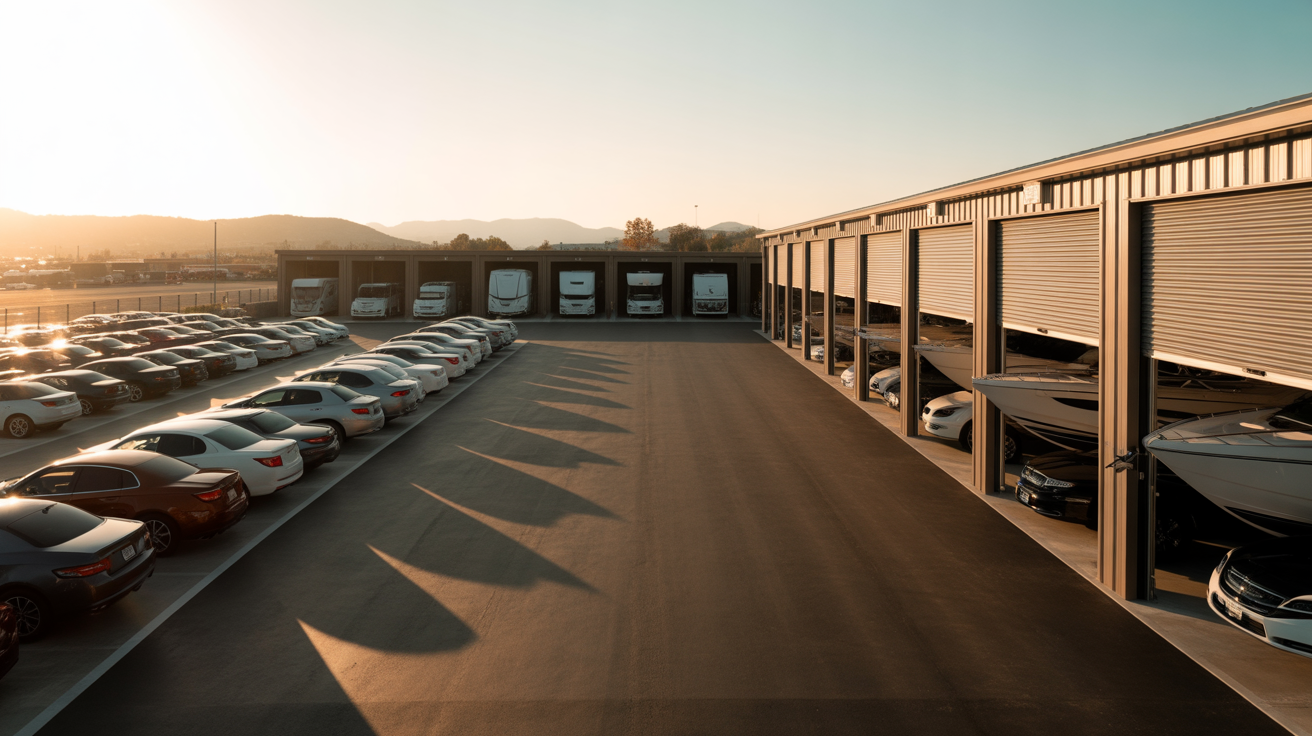
V ehicle storage costs range from $50 to $300 per month in 2026, with standard car storage averaging $70 to $270 monthly, RV and boat storage running $109 to $269 monthly, and motorcycles costing $92 to $120 monthly. Indoor storage commands the highest prices, while outdoor parking offers the most budget-friendly option.
| Key Points: | |
|---|---|
| • | Car storage costs $70 to $270 per month; compact cars in 10x15 units average $148 to $170 monthly |
| • | RV and boat storage in 10x40 spaces ranges from $109 to $269 per month for outdoor and covered options |
| • | Indoor storage costs 50% to 100% more than outdoor but prevents weather damage, corrosion, and theft |
| • | Location dramatically affects pricing: Memphis averages $16 to $84 monthly while Miami ranges $110 to $571 |
| • | Long-term contracts and seasonal promotions (April, May, September) can reduce costs by 20% to 50% |
Vehicle Storage Costs by Type: Complete 2026 Pricing Breakdown
Understanding what you will pay for vehicle storage starts with knowing your vehicle type and size requirements. Costs vary significantly based on whether you are storing a compact car, full-size truck, recreational vehicle, or watercraft. The following sections break down exact pricing for each category.
Car Storage Costs
Standard car storage ranges from $70 to $270 per month depending on the storage type and vehicle size. Compact cars fit comfortably in 10x15 units, which average $148 to $170 monthly for indoor storage. Full-size vehicles and trucks require 10x20 or 10x25 spaces, pushing costs to $200 to $265 per month.
Outdoor parking represents the most affordable option at $70 to $100 monthly. Covered parking falls in the middle at $100 to $150 per month. Indoor climate-controlled storage commands premium pricing at $150 to $270 monthly but offers maximum protection against weather, temperature extremes, and theft.
| Vehicle Size | Unit Size | Monthly Cost Range |
|---|---|---|
| Compact Car | 10x15 | $148 to $170 |
| Mid-Size Sedan | 10x20 | $160 to $220 |
| Full-Size Truck/SUV | 10x25+ | $200 to $265 |
RV Storage Costs
RV storage costs significantly more than car storage due to the larger space requirements. Class A motorhomes (30 to 45 feet) require 12x40 or 15x50 spaces, costing $150 to $400 per month depending on storage type. Class C motorhomes (20 to 30 feet) fit in 10x30 spaces at $120 to $250 monthly.
Travel trailers and fifth wheels range from $100 to $300 per month based on length. A 20-foot travel trailer needs a 10x25 space averaging $109 to $180 monthly, while a 35-foot fifth wheel requires a 10x40 space at $150 to $269 monthly. Pop-up campers represent the most affordable RV storage option at $75 to $125 per month in 10x15 spaces.
Indoor RV storage, when available, costs 40% to 60% more than outdoor options. Many RV owners opt for covered storage as a middle ground, paying $120 to $200 monthly for protection from sun and precipitation without the premium of fully enclosed spaces.
Boat Storage Costs
Boat storage pricing depends on vessel length, storage location, and whether you need dry dock or wet slip options. Small boats under 20 feet cost $100 to $200 per month for outdoor storage. Mid-size boats (20 to 30 feet) range from $150 to $350 monthly. Large boats over 30 feet command $300 to $500 or more per month.
Marina wet slips typically cost more than land-based storage, ranging from $200 to $800 per month depending on location and amenities. Dry stack storage, where boats are stored in indoor racks, averages $250 to $450 monthly but offers superior protection and quick launch capabilities.
Seasonal boat storage for winter months often comes with discounts of 10% to 20% compared to peak summer rates. Many facilities offer shrink-wrapping and winterization services for an additional $150 to $400, protecting your investment during extended storage periods.
Motorcycle Storage Costs
Motorcycles represent the most affordable vehicle storage category, with indoor 5x10 units averaging $92 to $120 per month. Outdoor motorcycle parking costs as little as $50 to $75 monthly at facilities offering dedicated motorcycle spaces.
Climate-controlled motorcycle storage runs $100 to $150 per month and is recommended for vintage or high-value bikes. Some facilities offer shared motorcycle storage spaces at $40 to $60 monthly, where multiple bikes share a larger unit with individual locking mechanisms.
Storage Type Comparison: Indoor vs. Outdoor vs. Covered
The type of storage you choose affects both cost and vehicle protection. Understanding the differences helps you make an informed decision based on your budget, vehicle value, and local climate conditions.
Outdoor Vehicle Storage
Outdoor storage costs $50 to $150 per month and works best for vehicles that can withstand weather exposure. This option suits daily drivers, work trucks, and vehicles stored for short periods of 1 to 3 months. Most outdoor spaces are paved or gravel lots with basic security features like fencing and lighting.
The primary drawback of outdoor storage is weather exposure. Sun damage fades paint and cracks interior materials over time. Rain, snow, and ice can cause rust and corrosion, particularly on undercarriages. Bird droppings, tree sap, and airborne debris also accumulate on exposed vehicles.
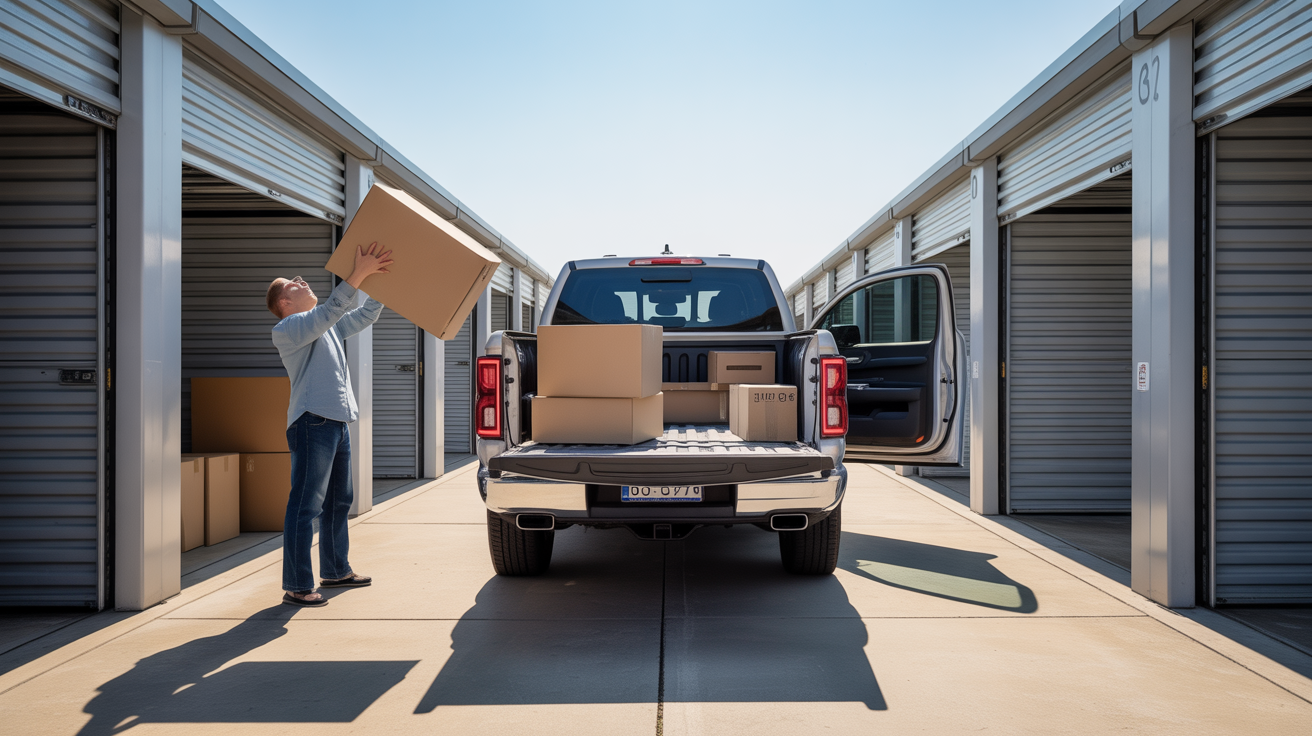
For those in the Estes Park area seeking affordable outdoor options, vehicle storage facilities offer open parking spaces starting at competitive rates with security features including gated access and surveillance cameras.
Covered Vehicle Storage
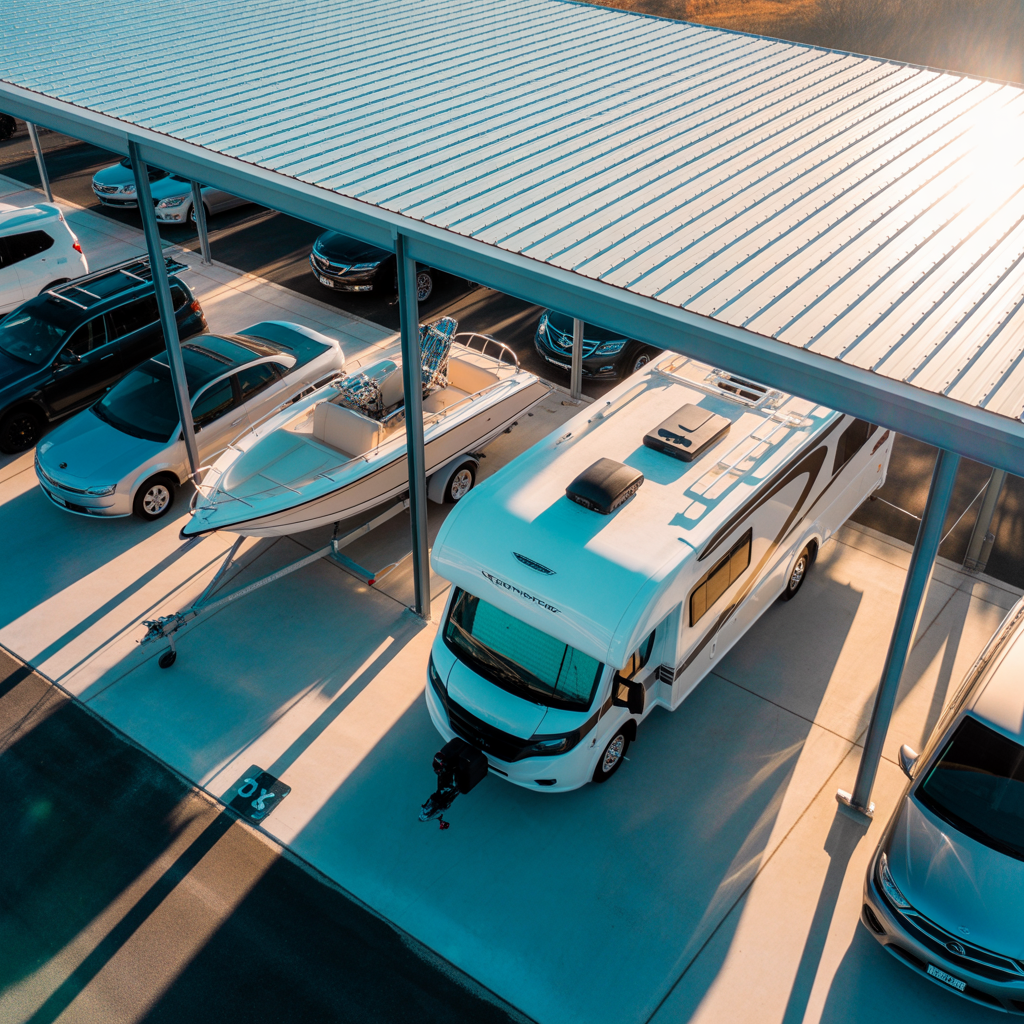
Covered storage provides overhead protection from sun and precipitation at $100 to $200 per month. This middle-ground option shields vehicles from direct UV exposure, rain, and snow while costing 30% to 50% less than fully enclosed indoor storage.
Covered storage structures include carports, canopies, and partial enclosures with roofs but open sides. While this protects against vertical weather exposure, vehicles remain vulnerable to wind-driven rain, dust, and temperature fluctuations. Covered storage works well for RVs, boats, and classic cars in moderate climates.
Indoor Vehicle Storage
Indoor storage offers maximum protection at $150 to $300 per month. Vehicles stored indoors avoid weather damage, UV exposure, and most environmental contaminants. Indoor facilities also provide superior security with controlled access, surveillance systems, and often on-site staff.
Climate-controlled indoor storage maintains temperatures between 55 and 80 degrees Fahrenheit year-round. This prevents battery drain, cracked hoses, dried seals, and other temperature-related damage. Climate control is essential for storing vehicles longer than 6 months, particularly in regions with extreme heat or cold.
The investment in indoor storage pays off for classic cars, luxury vehicles, motorcycles with leather seats, and any vehicle you want to maintain in pristine condition. The cost difference of $50 to $150 per month compared to outdoor storage is minor relative to potential repair costs from weather damage.
| Storage Type | Monthly Cost | Best For | Protection Level |
|---|---|---|---|
| Outdoor | $50 to $150 | Short-term, daily drivers | Basic |
| Covered | $100 to $200 | RVs, boats, moderate climates | Moderate |
| Indoor | $150 to $270 | Classic cars, luxury vehicles | High |
| Climate-Controlled | $200 to $300 | Long-term, sensitive vehicles | Maximum |
Regional Price Variations: What Location Means for Your Storage Costs
Vehicle storage costs vary dramatically by geographic location. Urban areas with high real estate values charge significantly more than rural facilities. Understanding regional pricing helps you budget accurately and potentially find savings by storing slightly outside major metro areas.
Major U.S. City Pricing Comparison
Storage costs in major U.S. cities range from $16 to $700 per month depending on the facility, storage type, and specific neighborhood. The following breakdown shows what to expect in different markets:
- Miami, FL: $110 to $571 per month (highest maximum nationally)
- Los Angeles, CA: $164 to $356 per month
- New York City, NY: $150 to $450 per month
- Chicago, IL: $35 to $216 per month
- Denver, CO: $75 to $250 per month
- Memphis, TN: $16 to $84 per month (most affordable)
- Phoenix, AZ: $60 to $200 per month
- Seattle, WA: $120 to $320 per month
The price difference between cities reflects local real estate costs, demand for storage, and regional economic factors. Storing a vehicle 15 to 30 miles outside a major city center often reduces costs by 20% to 40% while adding minimal inconvenience for occasional access.
Mountain and Resort Area Pricing
Mountain communities and resort areas present unique storage considerations. Limited available land, seasonal demand fluctuations, and harsh winter conditions all influence pricing. Facilities in these areas often charge premium rates during peak seasons.
In Colorado mountain towns, vehicle storage typically costs $100 to $250 per month for outdoor spaces and $175 to $350 for indoor options. The storage unit size guide at local facilities can help determine exact space requirements for your specific vehicle.
Seasonal residents who store vehicles during off-seasons should book storage 2 to 3 months in advance, as facilities in resort communities often reach capacity during peak storage periods. Many facilities offer waiting lists for popular unit sizes.
Climate Impact on Storage Decisions
Your local climate should heavily influence your storage type decision. Regions with extreme temperatures, high humidity, or significant precipitation require more protective storage options to prevent vehicle damage.
In areas where temperatures drop below 32 degrees Fahrenheit or exceed 90 degrees Fahrenheit regularly, climate-controlled storage prevents battery failure, fluid degradation, and material damage. The additional $50 to $100 per month for climate control often costs less than a single repair caused by temperature extremes.
Coastal areas with salt air require indoor storage to prevent accelerated corrosion. Vehicles stored outdoors near oceans can develop rust and electrical problems within 6 to 12 months of exposure. The humidity also promotes mold and mildew growth in vehicle interiors.
Hidden Costs and Additional Fees to Expect
The advertised monthly rate rarely represents your total storage cost. Understanding common additional fees helps you budget accurately and compare facilities on a true cost basis.
Common Additional Fees
Administrative fees range from $15 to $50 and cover paperwork, account setup, and initial access credentials. Most facilities charge this one-time fee when you sign your rental agreement.
Security deposits typically equal one month's rent and are refundable when you vacate the space in good condition. Some facilities waive deposits for customers who pay 3 to 6 months in advance.
Insurance requirements add $10 to $30 per month if you do not have existing coverage. Most facilities require proof of insurance or purchase of their protection plan. Check your auto insurance policy, as it may already cover stored vehicles.
Access fees apply at some facilities for after-hours entry or frequent access beyond a set number of monthly visits. These fees range from $5 to $25 per occurrence.
Late payment fees typically run $20 to $50 or 5% to 10% of your monthly rent. Setting up automatic payments eliminates this risk entirely.
Seasonal Rate Adjustments
Many facilities adjust rates seasonally based on demand. RV and boat storage rates often increase 10% to 25% during peak seasons (May through September for boats, October through April for snowbird RV storage). Booking during off-peak periods or signing longer-term contracts can lock in lower rates.
Some facilities implement annual rent increases of 3% to 8%. Ask about rate lock guarantees when signing your agreement. Facilities that offer 12-month rate locks provide budget predictability even if they charge slightly higher initial rates.
How to Reduce Your Vehicle Storage Costs
Strategic planning can reduce your vehicle storage expenses by 20% to 50% without sacrificing necessary protection. The following strategies help maximize value while minimizing monthly costs.
Long-Term Contract Discounts
Committing to 6 to 12 month contracts typically saves 10% to 20% compared to month-to-month rates. Some facilities offer even deeper discounts of 25% to 30% for annual prepayment. Calculate the break-even point to determine if long-term commitment makes financial sense for your situation.
For example, a $200 per month storage space with a 15% annual discount costs $2,040 for the year instead of $2,400, saving $360. If you are certain about your storage needs for the full period, prepaying makes financial sense.
Seasonal Promotions and Timing
Storage facilities typically offer promotional pricing during slower periods. The best times to find deals include:
- April and May: Pre-summer promotions to fill spaces before peak RV and boat season
- September: Post-summer deals as seasonal storage demand decreases
- January and February: New year promotions to boost occupancy during slow winter months
Many facilities offer first-month-free or percentage-off promotions for new customers. In the Estes Park area, check live vehicle parking rates and availability before reserving. Estes Park Storage's live page currently says Rent Online and Save, but it does not advertise a fixed 50% two-month vehicle parking promotion.
Right-Sizing Your Space
Paying for more space than you need wastes money every month. Measure your vehicle carefully and choose the smallest space that accommodates it with 6 to 12 inches of clearance on each side.
Standard vehicle dimensions to consider:
- Compact cars: 14 to 16 feet long, 5.5 to 6 feet wide
- Mid-size sedans: 16 to 18 feet long, 6 to 6.5 feet wide
- Full-size trucks: 18 to 22 feet long, 6.5 to 7 feet wide
- Class C RVs: 20 to 30 feet long, 8 to 8.5 feet wide
- Travel trailers: 15 to 35 feet long, 7 to 8.5 feet wide
Shared Storage Options
Sharing a larger storage space with friends or family members can reduce individual costs significantly. A 10x30 space at $200 per month split between two motorcycle owners costs each person $100 monthly instead of $120 each for separate 5x10 units.
Shared storage works best when all parties have similar access needs and agree on usage terms in writing. Establish clear guidelines about access schedules, maintenance responsibilities, and what happens if one party needs to exit the arrangement early.
What to Look for in a Vehicle Storage Facility
Price should not be your only consideration when choosing vehicle storage. Security features, access policies, and facility conditions all affect your vehicle's safety and your convenience.
Essential Security Features
Quality vehicle storage facilities include multiple security layers. Look for these features when evaluating options:
- Gated access with individual entry codes prevents unauthorized entry
- 24/7 video surveillance with recording provides evidence if incidents occur
- Adequate lighting throughout the facility deters criminal activity
- Perimeter fencing of at least 6 feet creates a physical barrier
- On-site management during business hours adds human oversight
Learn more about what security measures to expect from facility security features that protect stored vehicles and provide peace of mind.
Access Hours and Policies
Access policies vary significantly between facilities. Some offer true 24/7 access, while others restrict entry to business hours or charge fees for after-hours access. Consider how often you will need to access your vehicle when evaluating options.
For seasonal vehicles you access infrequently, restricted hours may not matter. For vehicles you need on short notice, 24/7 access is essential. Facilities with drive-up access allow you to pull your vehicle directly to the storage space, eliminating the need to navigate tight indoor corridors.
Facility Condition and Maintenance
Visit facilities in person before committing. Look for clean, well-maintained spaces without standing water, debris, or pest evidence. Check that pavement is in good condition without potholes that could damage low vehicles. Indoor facilities should be clean with adequate ventilation.
Ask about maintenance schedules and how quickly the facility addresses issues. A facility that takes weeks to repair a broken gate or fix a lighting outage may not provide the security level you need.
Preparing Your Vehicle for Storage: Avoiding Costly Damage
Proper preparation before storage prevents expensive repairs and ensures your vehicle is ready to use when you retrieve it. The time invested in preparation pays dividends in avoided maintenance costs.
Pre-Storage Checklist for All Vehicles
Complete these steps before storing any vehicle for more than 30 days:
- Clean thoroughly inside and out to remove dirt, debris, and food that attracts pests
- Fill the fuel tank and add fuel stabilizer to prevent condensation and fuel degradation
- Change oil and filter if storing for more than 3 months to remove contaminants
- Check and top off all fluids including coolant, brake fluid, and transmission fluid
- Inflate tires to maximum recommended pressure to prevent flat spots
- Disconnect the battery or use a battery maintainer to prevent drain
- Cover exhaust pipes and air intakes to prevent pest entry
Additional Steps for Long-Term Storage
For storage periods exceeding 6 months, take these additional precautions:
- Place vehicle on jack stands to prevent tire flat spots and suspension stress
- Remove spark plugs and add oil to cylinders to prevent corrosion (for extended storage)
- Release parking brake to prevent brake pad adhesion to rotors
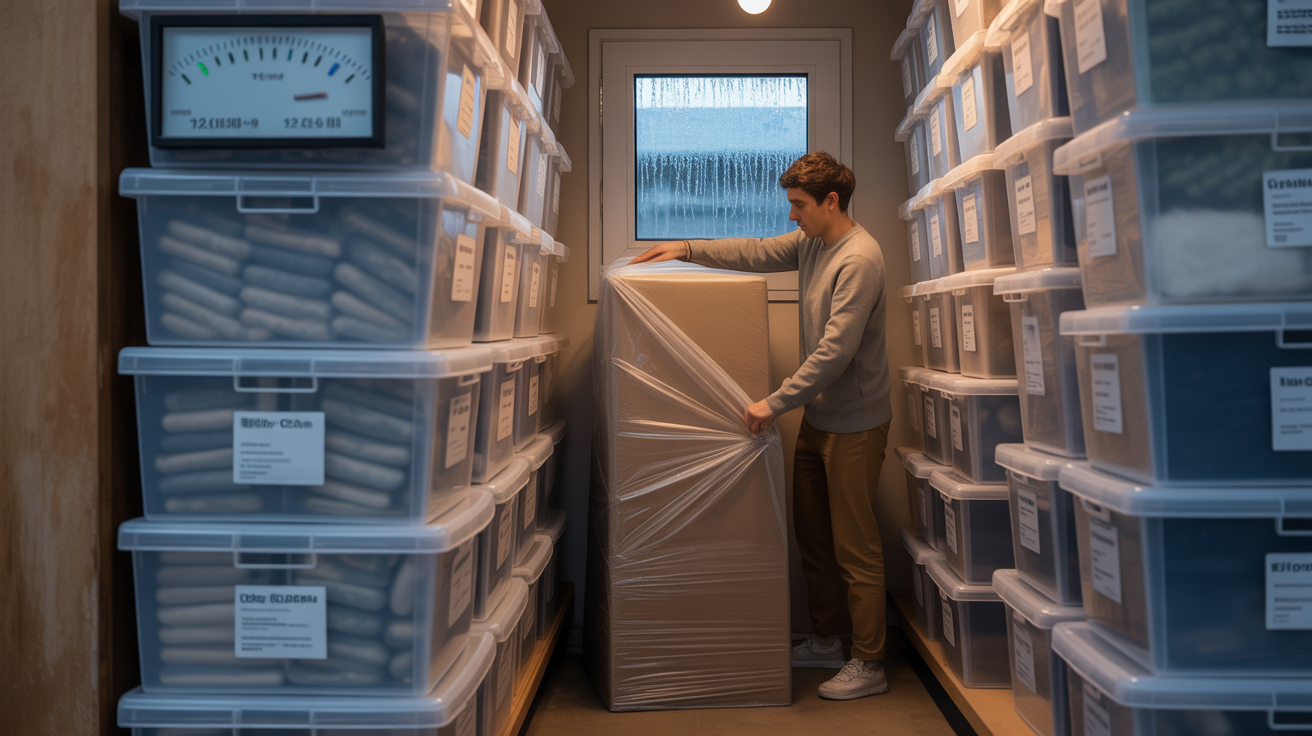
- Place moisture absorbers inside the vehicle to prevent mold and mildew
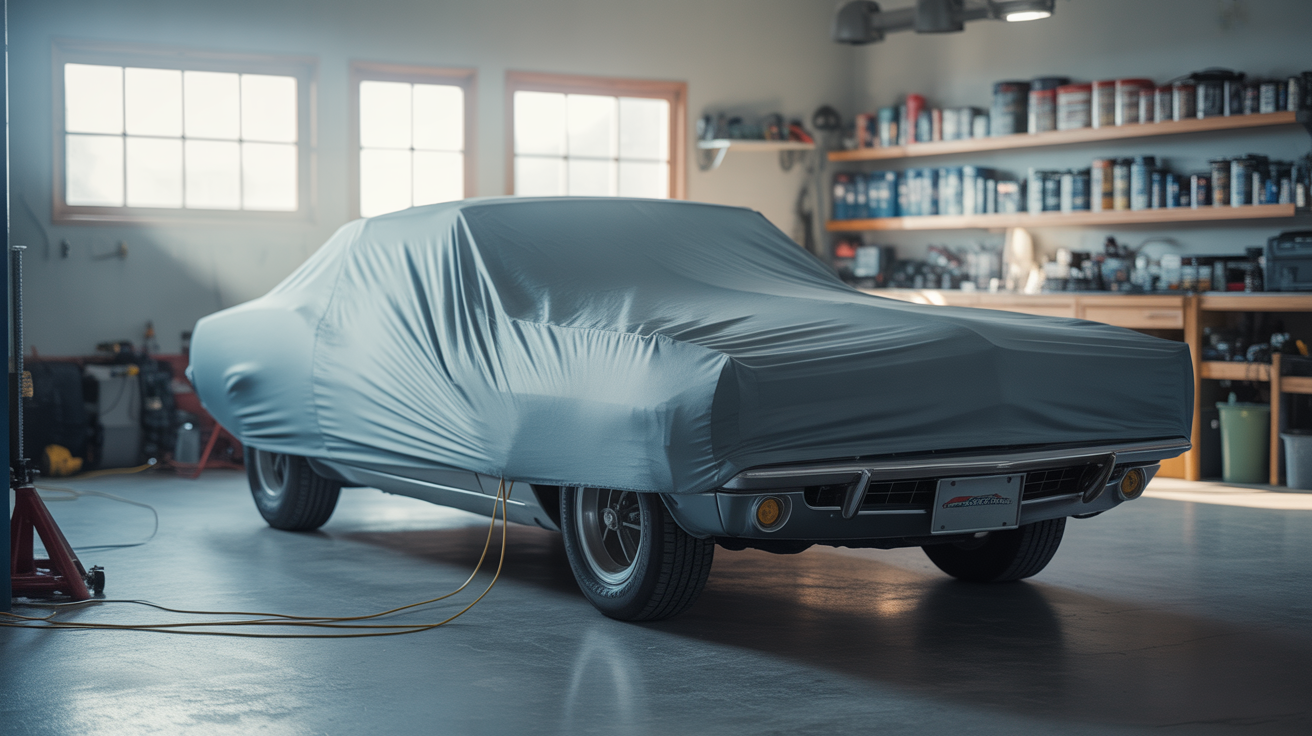
- Cover with breathable fabric to protect paint while allowing moisture escape
RV and Boat Specific Preparation
RVs and boats require additional winterization steps that cost $100 to $400 if done professionally. For RVs, drain and winterize water systems, remove food and toiletries, and ensure propane tanks are properly secured. For boats, flush engines with fresh water, drain all water systems, and apply fogging oil to engine cylinders.
Failure to properly winterize can result in cracked engine blocks, burst pipes, and mold damage costing thousands of dollars to repair. The investment in proper preparation is minimal compared to potential repair costs.
Frequently Asked Questions About Vehicle Storage Costs
What is the difference between indoor and outdoor vehicle storage, and which is more cost-effective?
Indoor storage costs $150 to $300 per month and provides complete protection from weather, UV damage, and most environmental hazards. Outdoor storage costs $50 to $150 per month and exposes vehicles to weather elements. For short-term storage of 1 to 3 months or durable vehicles like work trucks, outdoor storage is more cost-effective. For long-term storage exceeding 6 months or valuable vehicles, indoor storage prevents damage that would cost more to repair than the storage premium.
How much does it cost to store an RV or boat long-term versus short-term?
Short-term RV and boat storage (1 to 3 months) typically costs standard monthly rates of $109 to $400 depending on size and storage type. Long-term storage contracts of 6 to 12 months often include 10% to 25% discounts, reducing effective monthly costs to $85 to $320. Annual prepayment can yield additional savings of 5% to 10%. However, factor in preparation and winterization costs of $100 to $400 when calculating total long-term storage expenses.
Are there seasonal discounts available for vehicle storage?
Yes, most facilities offer seasonal promotions during slower booking periods. The best discount windows are April through May (pre-summer), September (post-summer), and January through February (post-holiday). Discounts typically range from first-month-free offers to 25% to 50% off the first 2 to 3 months. Booking during these periods and committing to longer terms maximizes savings.
What additional fees should I expect beyond the monthly storage rate?
Common additional fees include administrative or setup fees ($15 to $50 one-time), security deposits (typically one month's rent, refundable), insurance requirements ($10 to $30 per month if you lack existing coverage), and late payment fees ($20 to $50 or 5% to 10% of rent). Some facilities also charge after-hours access fees ($5 to $25 per occurrence) or annual rate increases of 3% to 8%. Ask for a complete fee schedule before signing any agreement.
Is climate-controlled storage necessary for vehicle preservation?
Climate-controlled storage is necessary for vehicles stored more than 6 months in regions with extreme temperatures (below 32 degrees Fahrenheit or above 90 degrees Fahrenheit). It is essential for classic cars, vehicles with leather interiors, motorcycles, and any vehicle with sensitive electronics. Climate control maintains temperatures between 55 and 80 degrees Fahrenheit, preventing battery drain, cracked hoses, dried seals, and material degradation. For standard vehicles stored 1 to 3 months in moderate climates, climate control is optional but beneficial.
Making the Right Vehicle Storage Decision
Vehicle storage costs range from $50 to $300 per month based on vehicle type, storage type, and location. The right choice balances protection needs with budget constraints. For valuable or sensitive vehicles, investing in indoor or climate-controlled storage prevents damage that costs far more to repair than the monthly premium.
Start by measuring your vehicle and determining the minimum space required. Research facilities in your area, comparing total costs including fees rather than just advertised rates. Visit top candidates in person to evaluate security, cleanliness, and access convenience. Finally, time your booking to take advantage of seasonal promotions and consider longer-term commitments for additional savings.
Proper preparation before storage and choosing the right facility ensures your vehicle remains in excellent condition throughout the storage period, ready for use when you need it.
|