What Size Storage Unit for a 3 Bedroom House? 10x20 Guide |
| WHAT SIZE STORAGE UNIT DO I NEED FOR A 3 BEDROOM HOUSE
⏱ 11 min read ·
📄 #2,011 words
A 3 bedroom house typically needs a 10x20 storage unit (200 sq ft). Learn exactly what fits, cost factors, and how to choose the right size for your move.
|
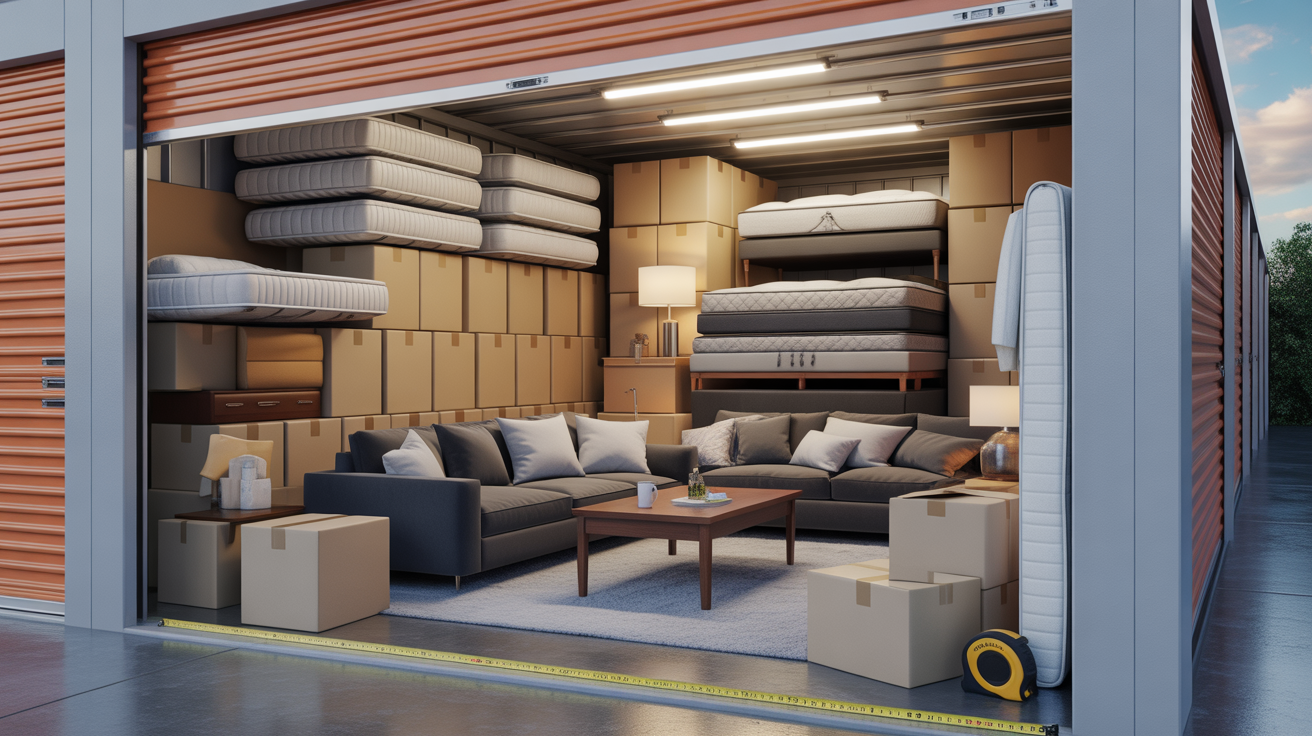
A 3 bedroom house typically requires a 10x20 storage unit , which provides 200 square feet of floor space and approximately 1,600 cubic feet of storage capacity. This size accommodates the contents of a 1,500 square foot home, including furniture from all rooms, major appliances, 30 to 45 moving boxes, and seasonal items.
| Key Points: | |
|---|---|
| • | 10x20 units (200 sq ft) fit most 3 bedroom homes with 1,500 sq ft or less |
| • | Expect to store 30 to 45 boxes plus furniture, appliances, and mattresses |
| • | Homes with garage items or extra belongings may need 10x25 (250 sq ft) or larger |
| • | Vertical stacking with shelving can increase usable capacity by 40 to 50 percent |
| • | Monthly costs range from $145 to $300 depending on location and features |
Storage Unit Size Comparison for Different Home Sizes
Choosing the right storage unit depends on your home size, the density of your belongings, and whether you plan to store vehicles or outdoor equipment. The table below breaks down recommended sizes based on bedroom count and typical contents.
| Home Size | Recommended Unit | Square Feet | What Fits |
|---|---|---|---|
| 1 Bedroom Apartment | 5x10 or 10x10 | 50 to 100 sq ft | Bed, sofa, dresser, 10 to 15 boxes |
| 2 Bedroom House | 10x10 or 10x15 | 100 to 150 sq ft | 2 bedroom sets, living room, 20 to 30 boxes |
| 3 Bedroom House | 10x20 | 200 sq ft | Full house contents, appliances, 30 to 45 boxes |
| 4 to 5 Bedroom House | 10x25 or 10x30 | 250 to 300 sq ft | Full house, garage items, patio furniture, 100+ boxes |
A 10x20 unit is roughly equivalent to a one car garage or 3 to 4 average bedrooms combined. For context, this matches the cargo capacity of a 15 to 17 foot moving truck, which handles approximately 5,200 pounds of household goods.
What Fits in a 10x20 Storage Unit?
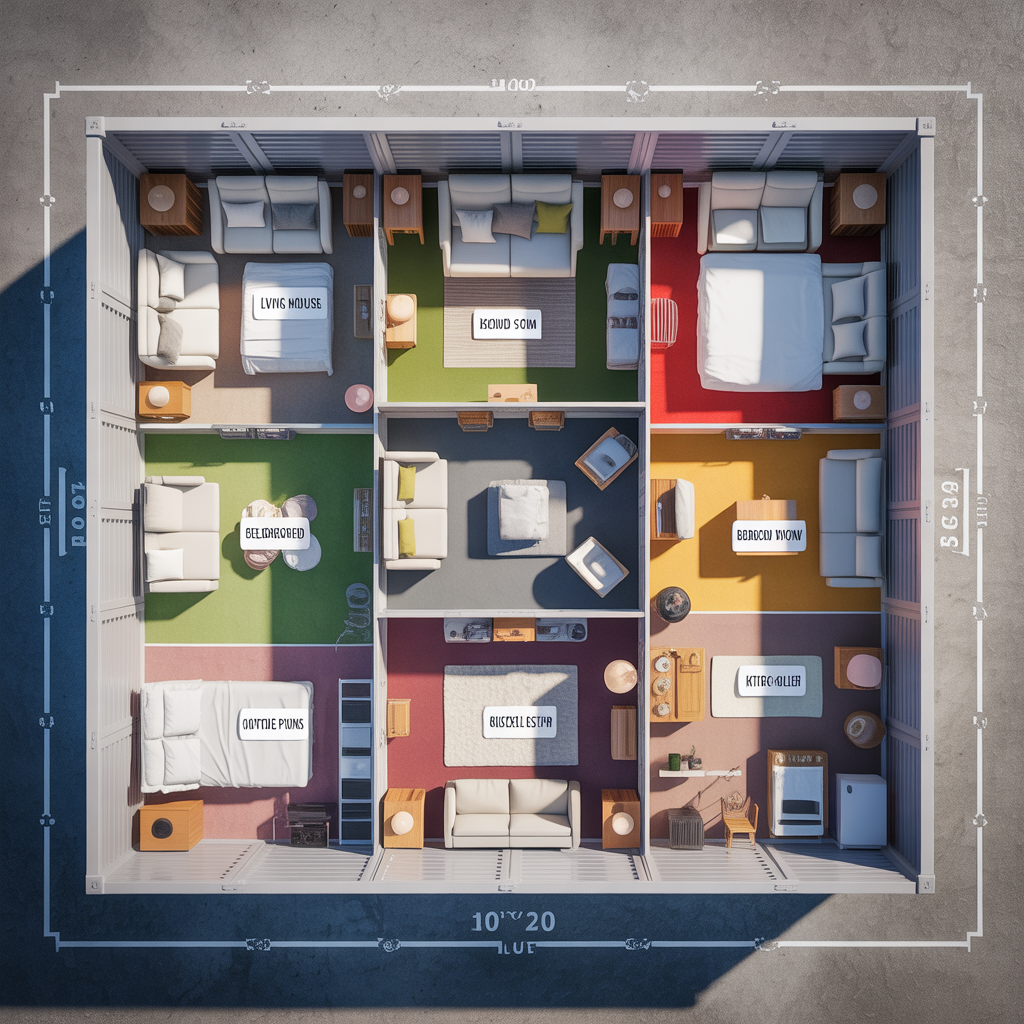
A 10x20 storage unit provides enough space for the complete contents of a typical 3 bedroom home. Understanding exactly what fits helps you plan your move and avoid paying for unused space or cramming belongings into an undersized unit.
Furniture That Fits in a 10x20 Unit
- Bedroom furniture: 3 queen or king bed frames, 3 mattress sets, 3 to 4 dressers, 2 nightstands per room
- Living room: Full sofa, loveseat, coffee table, 2 end tables, entertainment center, bookshelf
- Dining room: Table with 6 to 8 chairs, china cabinet or buffet
- Home office: Desk, office chair, filing cabinet, printer stand
Appliances and Large Items
- Refrigerator (standard or side by side)
- Washer and dryer (stacked or side by side)
- Dishwasher
- Window air conditioning units (2 to 3)
- Lawn mower (push or self propelled)
- Bicycles (3 to 4 when hung vertically)
Box and Container Capacity
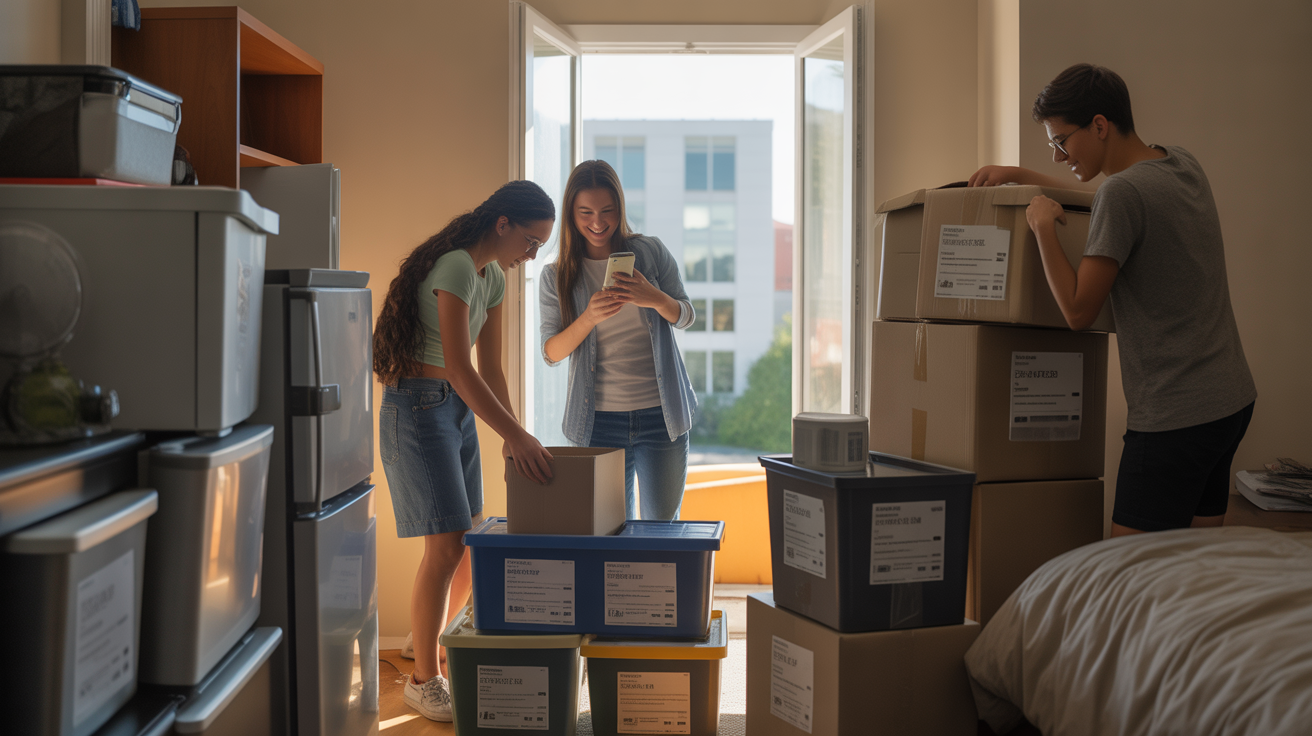
Plan for 10 to 15 boxes per room , which means a 3 bedroom house generates 30 to 45 medium moving boxes on average. A 10x20 unit holds this volume comfortably with room for furniture placement. Families with children, extensive book collections, or home offices may need 50 to 60 boxes.
When You Need a Larger Unit Than 10x20
While 10x20 works for most 3 bedroom homes, certain situations require upgrading to a 10x25 or 10x30 unit. Evaluate your specific circumstances before committing to a size.
Signs You Need 10x25 or Larger
- Garage contents: Power tools, workbenches, lawn equipment, and seasonal decorations add 50 to 75 square feet of storage needs
- Patio and outdoor furniture: Full patio sets with cushions, grills, and outdoor tables require an additional 25 to 50 square feet
- Exercise equipment: Treadmills, weight sets, and home gym equipment consume significant floor space
- Vehicle storage: Motorcycles, ATVs, or small boats fit in 10x25 units alongside household items
- Long term storage: Keeping items for 12 months or more benefits from extra aisle space for access
If your 3 bedroom home exceeds 2,000 square feet or you have accumulated belongings over 10 or more years, start with a 10x25 estimate. The extra 50 square feet costs $30 to $50 more monthly but prevents the frustration of items not fitting.
How to Calculate Your Exact Storage Needs
Rather than guessing, use this systematic approach to determine your precise storage requirements. This method accounts for your specific belongings rather than relying solely on bedroom count.
Step 1: Inventory Large Items
Walk through each room and list furniture pieces. Measure items wider than 3 feet or taller than 5 feet, as these dictate your unit's minimum dimensions. A king bed frame measures approximately 6.5 by 6.5 feet, while a standard sofa spans 7 to 8 feet in length.
Step 2: Count Boxes by Room
Estimate boxes using these averages:
- Bedroom: 10 to 15 boxes (clothing, linens, personal items)
- Kitchen: 15 to 20 boxes (dishes, small appliances, pantry items)
- Bathroom: 3 to 5 boxes per bathroom
- Living areas: 5 to 10 boxes (books, media, decor)
- Garage or basement: 10 to 25 boxes depending on accumulation
Step 3: Apply the Stacking Factor
Storage units typically offer 8 feet of vertical height. Stacking boxes and using shelving increases your effective capacity by 40 to 50 percent. A 10x20 unit with proper vertical organization holds the equivalent of a 10x28 floor space.
For detailed guidance on matching your belongings to available sizes, check our comprehensive storage unit size guide with visual comparisons.
Storage Unit Organization Tips for Maximum Capacity
How you pack your unit matters as much as the size you choose. Poor organization wastes 20 to 30 percent of available space and makes accessing items difficult during long term storage.
Create a Loading Plan
- Heaviest items first: Position appliances, dressers, and bed frames along the back and side walls
- Vertical mattress storage: Stand mattresses on their sides against walls to free floor space
- Uniform box sizes: Use consistent box dimensions for stable stacking up to 6 feet high
- Center aisle: Leave a 2 to 3 foot walkway down the middle for access to items in back
- Frequently needed items near door: Place seasonal items, documents, or things you may need within arm's reach of the entrance
Maximize Vertical Space
Install freestanding metal shelving units (available for $30 to $80 at hardware stores) to utilize the full 8 foot ceiling height. Shelving works especially well for boxes, bins, and irregularly shaped items that do not stack safely.
Disassemble furniture when possible. Removing table legs, bed frames, and shelving units reduces their footprint by 30 to 40 percent and allows tighter arrangement.
Do I Need Climate Controlled Storage?
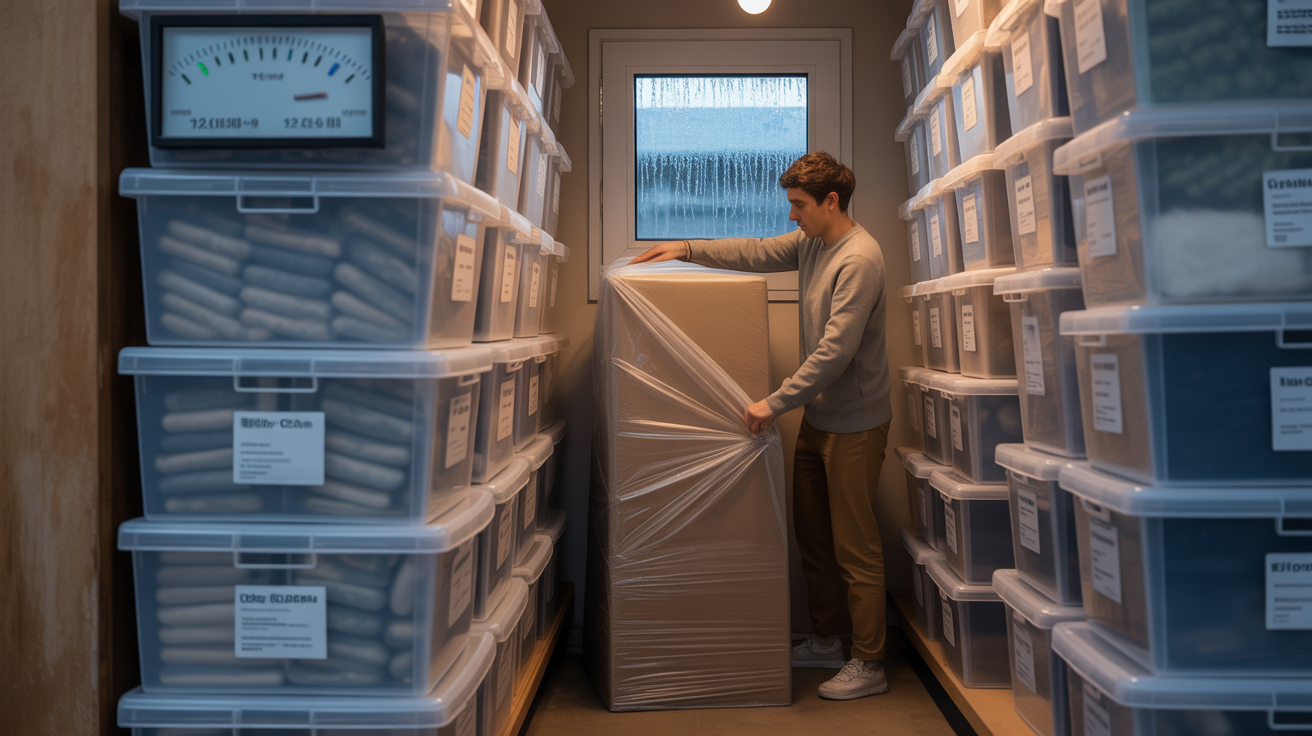
Climate controlled units maintain temperatures between 55 and 80 degrees Fahrenheit year round, protecting sensitive items from extreme heat, cold, and humidity fluctuations. This feature adds $25 to $50 monthly to standard unit pricing.
Items Requiring Climate Control
- Wood furniture: Antiques, hardwood tables, and musical instruments warp or crack in temperature extremes
- Electronics: Computers, televisions, and gaming systems suffer condensation damage in humid conditions
- Documents and photos: Paper yellows, becomes brittle, or develops mold without stable humidity
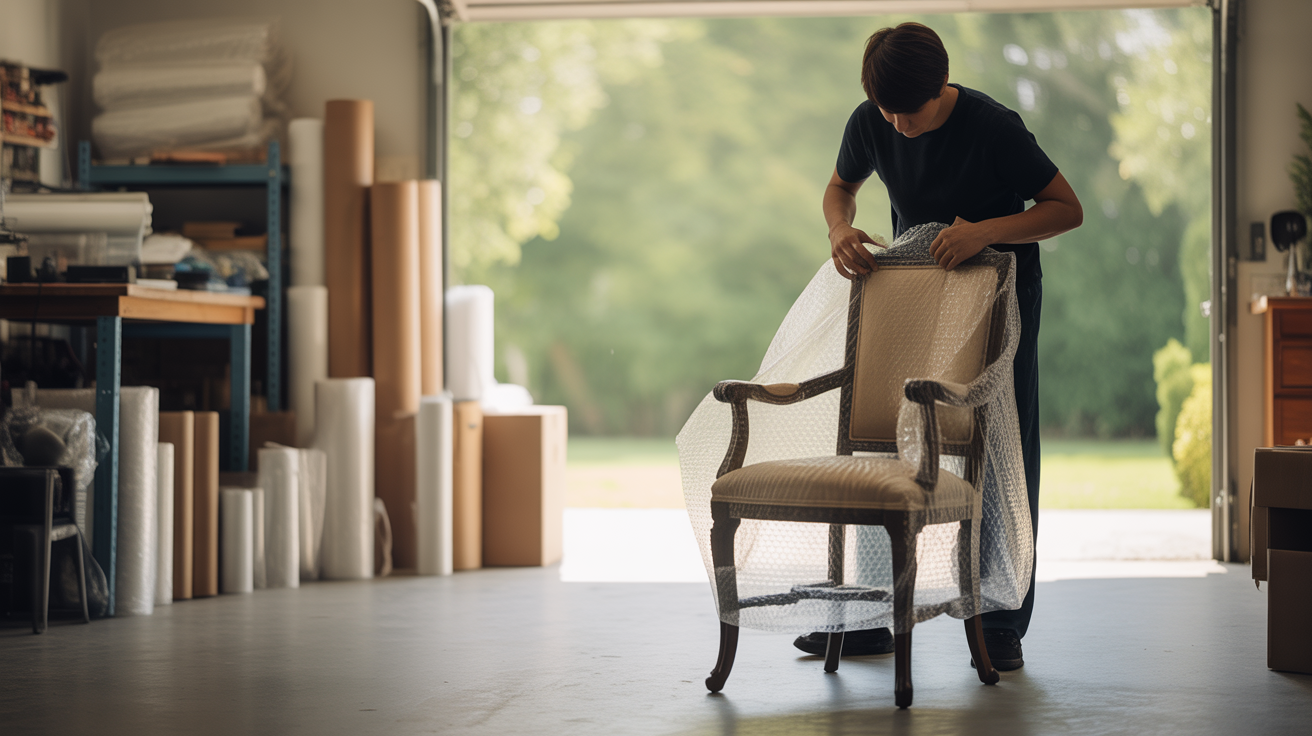
- Leather and upholstery: Sofas, chairs, and clothing crack or mildew in fluctuating conditions
- Vinyl records and artwork: Warping occurs above 75 degrees Fahrenheit
When Standard Storage Works Fine
Metal items, plastic containers, outdoor equipment, and holiday decorations (excluding candles) tolerate temperature variations without damage. If storing primarily these items for under 6 months, standard units provide adequate protection at lower cost.
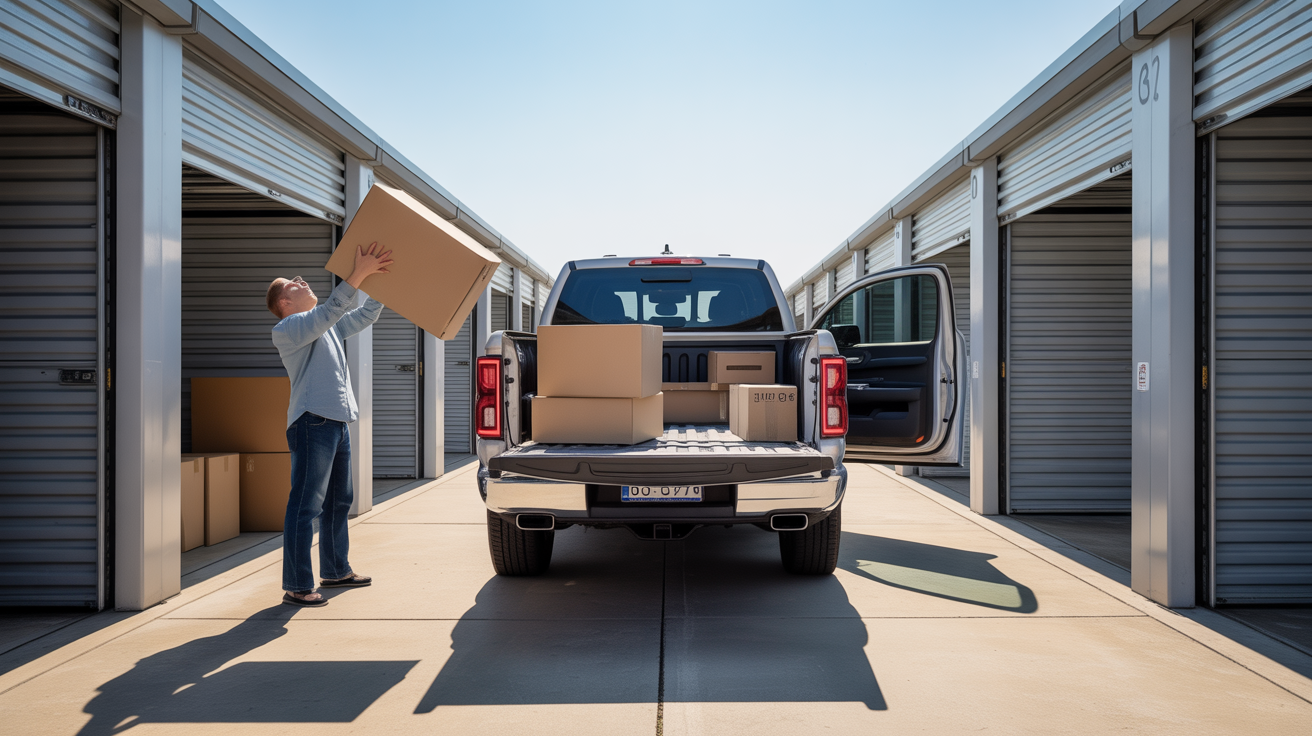
In Estes Park, where temperatures range from below freezing in winter to the 80s in summer, use a true climate-controlled facility for heat-sensitive or high-value items stored longer than 6 months. Estes Park Storage offers drive-up units, but those units are not climate controlled. Learn more about our facility security features and storage options.
Storage Unit Costs for a 3 Bedroom House
Pricing varies by location, unit features, and current demand. Understanding the cost structure helps you budget accurately and identify promotional opportunities.
Average Monthly Rates by Unit Size
| Unit Size | National Average | Climate Controlled |
|---|---|---|
| 10x10 | $95 to $150 | $125 to $200 |
| 10x15 | $125 to $200 | $160 to $250 |
| 10x20 | $150 to $250 | $200 to $300 |
| 10x25 | $175 to $275 | $225 to $350 |
| 10x30 | $200 to $325 | $275 to $400 |
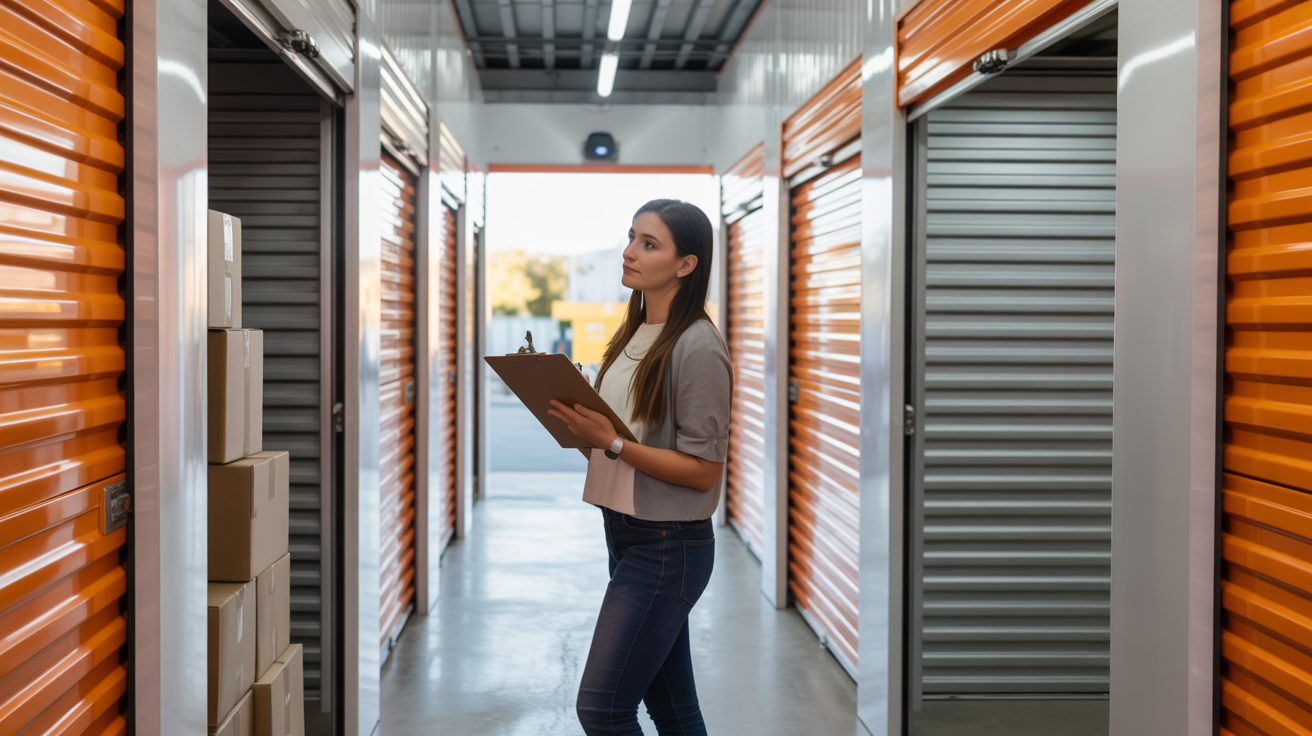
At Estes Park Storage, our 10x10 drive-up units rent for $255 monthly when available. Drive-up access allows you to pull your vehicle directly to your unit door for convenient loading and unloading. Check the live rental page for current availability and online move-in savings.
Cost Saving Strategies
- Book during off peak months: November through February typically offers lower rates and more availability
- Ask about move in specials: First month free or discounted rates are common promotional offers
- Prepay for longer terms: Some facilities offer 5 to 10 percent discounts for quarterly or annual prepayment
- Right size your unit: Paying $50 more monthly for an oversized unit costs $600 annually in wasted space
What Size Moving Truck Matches a 10x20 Storage Unit?
Coordinating your moving truck with your storage unit size ensures efficient loading. A 10x20 storage unit holds approximately the same volume as a 15 to 17 foot moving truck , which is the standard size for 3 bedroom home moves.
Moving Truck Size Guide
- 12 foot truck: 1 to 2 bedroom apartment, matches 5x10 to 10x10 unit
- 15 to 17 foot truck: 2 to 3 bedroom house, matches 10x15 to 10x20 unit
- 20 to 22 foot truck: 3 to 4 bedroom house with garage, matches 10x20 to 10x25 unit
- 26 foot truck: 4 to 5 bedroom house, matches 10x25 to 10x30 unit
Plan for 2 to 3 trips if using a smaller truck, or rent the larger size to complete your move in a single load. Rental costs increase by $20 to $40 per truck size category, but fuel and time savings often justify the upgrade.
Frequently Asked Questions
How many boxes fit in a 10x30 storage unit?
A 10x30 storage unit (300 square feet) holds approximately 100 to 150 large moving boxes when stacked properly, plus furniture and appliances from a 4 to 5 bedroom home. This size equals 2,400 cubic feet of storage capacity, comparable to a 1.5 car garage.
Do I need climate controlled storage for furniture?
Climate control is recommended for wood, leather, and upholstered furniture stored longer than 6 months, especially in regions with temperature extremes. Solid wood antiques, hardwood tables, and leather sofas are particularly vulnerable to cracking, warping, and mildew without temperature regulation between 55 and 80 degrees Fahrenheit.
How do I organize a storage unit efficiently?
Place heavy items along walls first, stack uniform boxes up to 6 feet high, leave a center aisle for access, and position frequently needed items near the door. Install freestanding shelving to maximize vertical space, and store mattresses on their sides against walls. Label all boxes on multiple sides for easy identification.
Can I fit a car in a 10x20 storage unit with furniture?
No. A 10x20 unit accommodates either a compact vehicle or household furniture, but not both simultaneously. Standard sedans measure approximately 15 feet in length, leaving only 5 feet of depth for other items. For combined vehicle and household storage, consider a 10x30 unit or separate parking space.
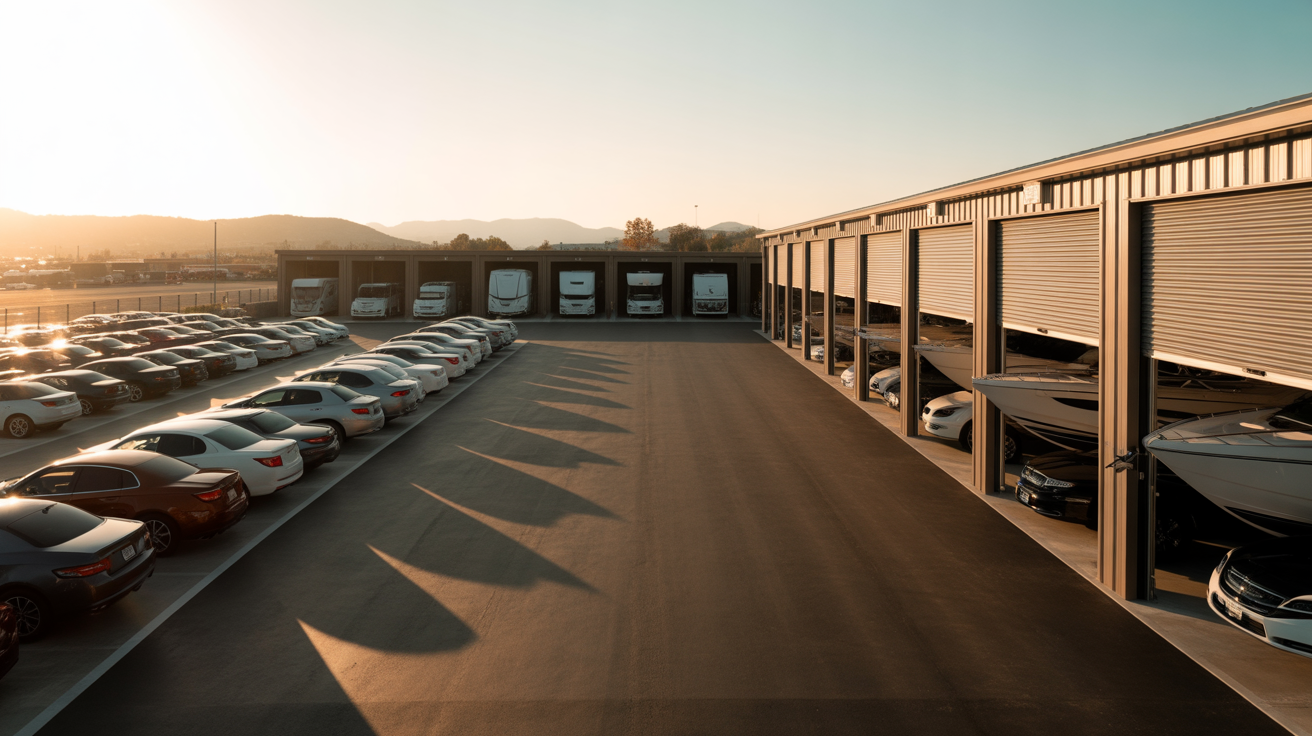
Estes Park Storage offers dedicated vehicle storage options including 10x20 open parking for cars, trucks, boats, and RVs starting at $115 monthly when available.

Making Your Final Storage Decision
For most 3 bedroom homes under 1,500 square feet, a 10x20 storage unit provides the right balance of space and value. Start with this size as your baseline, then adjust upward if you have garage contents, outdoor furniture, or plan to store items for over 12 months.
Visit the facility before committing when possible. Unit heights vary between facilities (typically 8 to 10 feet), and seeing the actual space helps you visualize your belongings inside. Many facilities offer free size consultations and will recommend adjustments based on your specific inventory.
Month to month leases provide flexibility to upgrade or downsize as your needs change. If you discover your initial choice is too small, most facilities allow transfers to larger units without penalty.
|