D
rive-up storage units provide direct vehicle access for easy loading and unloading, cost 10-15% less than climate-controlled options, and accommodate larger items like furniture and vehicles. However, they expose belongings to temperature fluctuations, humidity, and potential pest intrusion, making them unsuitable for sensitive items like electronics, documents, or antiques.
What Is a Drive-Up Storage Unit?
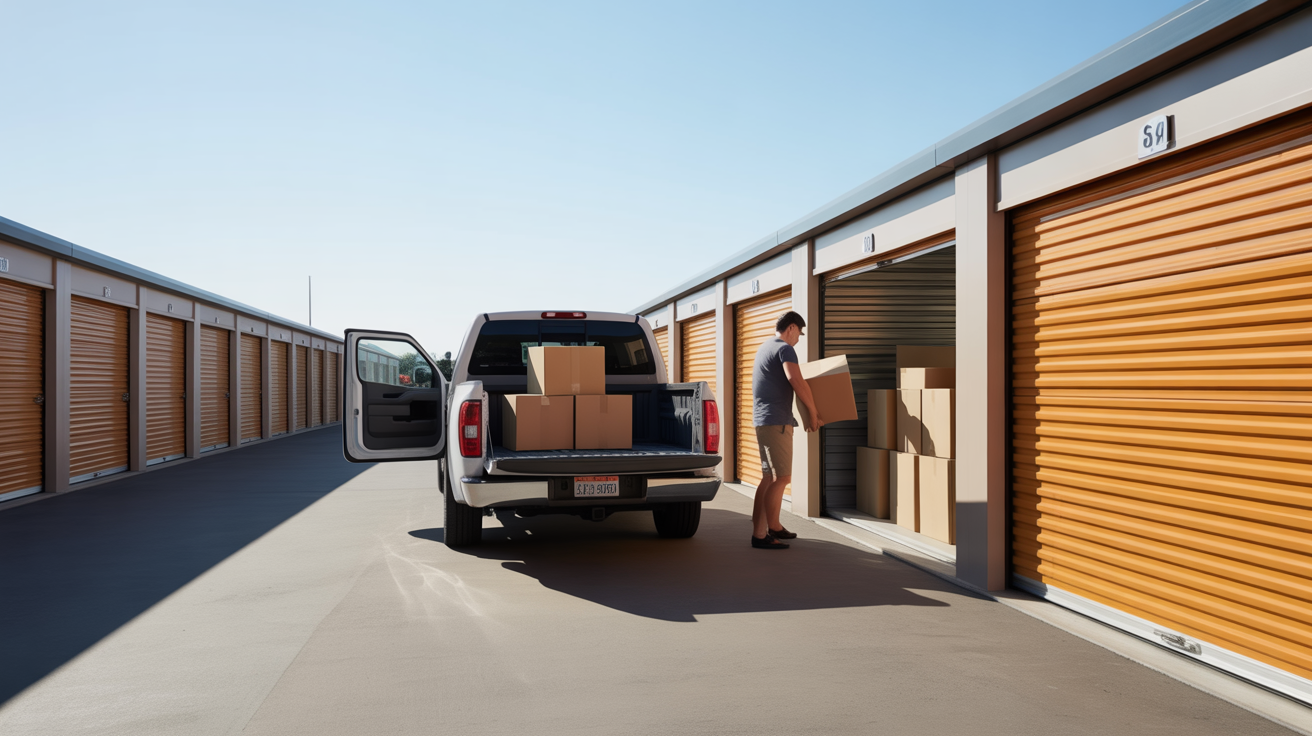
A drive-up storage unit functions like a personal garage you can rent by the month. You park your vehicle directly in front of the unit door, which typically rolls up like a garage door. This design eliminates the need to carry items through building corridors or use freight elevators.
These units sit at ground level along exterior rows of a storage facility. Most facilities position them in a grid pattern with wide driveways between rows, allowing trucks, trailers, and moving vans to maneuver easily. Unit doors face the driveway, so you can back your vehicle within feet of your stored belongings.
Drive-up storage differs fundamentally from interior units, which require walking through climate-controlled hallways. While interior units offer temperature regulation, drive-up units prioritize accessibility and typically provide more square footage at lower price points.
The 7 Primary Benefits of Drive-Up Storage Units
1. Unmatched Loading and Unloading Convenience
The defining advantage of drive-up storage is eliminating the distance between your vehicle and your belongings. Rather than wheeling a dolly through 200 feet of hallway, you simply open your car trunk or truck bed and transfer items directly into the unit. This convenience becomes critical when moving heavy furniture, appliances, or multiple boxes.
For business owners rotating inventory or homeowners accessing seasonal items frequently, this time savings compounds significantly. A task that takes 45 minutes with an interior unit might take 15 minutes with drive-up access.
2. Lower Monthly Rental Costs
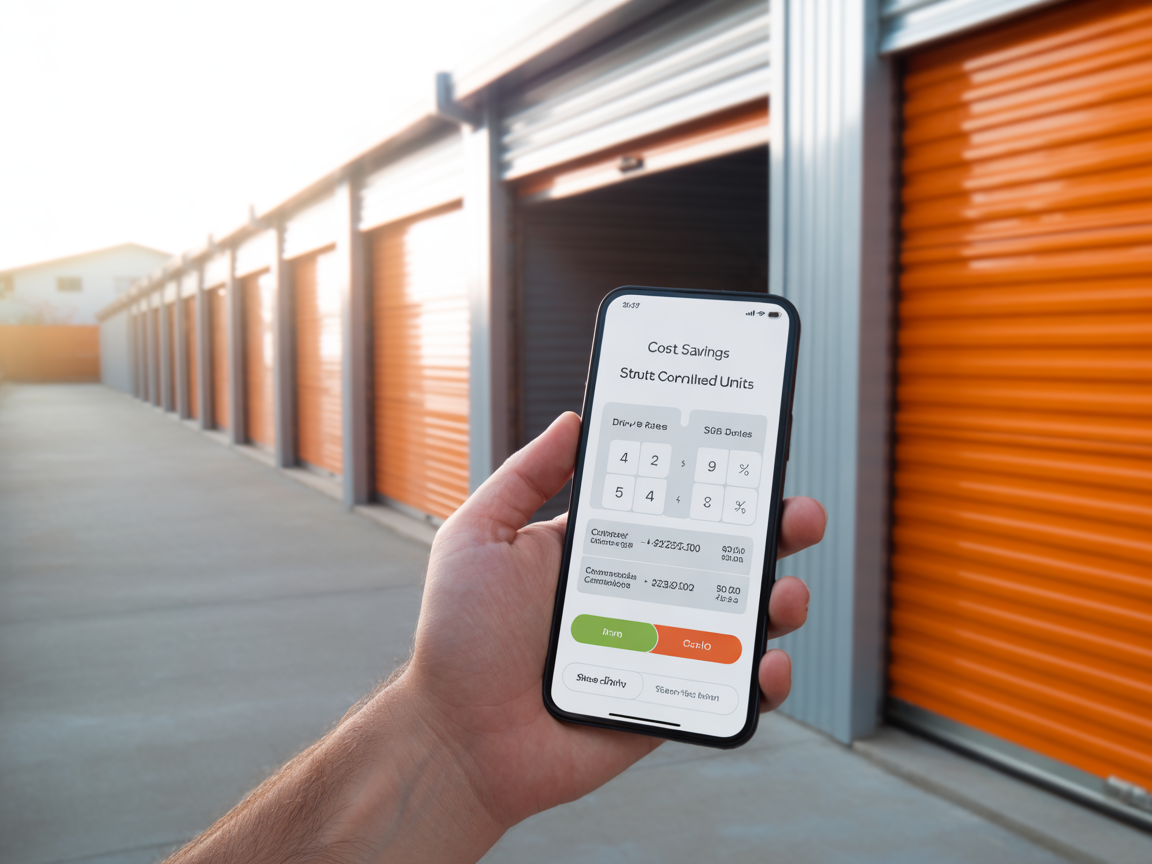
Drive-up units typically rent for $75 to $300 per month
depending on size and location. This pricing runs approximately $10 less per month than equivalent climate-controlled units. Over a 12-month lease, that difference saves $120 or more.
The cost savings stem from simpler construction requirements. Drive-up facilities need no HVAC systems, insulated walls, or interior corridors. These reduced building costs translate directly to lower rental rates. At Estes Park Storage, our 5x10 drive-up units start at $105 per month.
3. Larger Unit Sizes Available
Drive-up facilities commonly offer unit sizes reaching 10x20 feet or 10x30 feet. These dimensions accommodate full-size vehicles, boats, motorcycles, and large furniture sets that simply cannot fit through standard interior unit doorways.
A 10x20 drive-up unit provides 200 square feet of floor space with ceilings typically 8 to 10 feet high. This volume stores the contents of a two-bedroom apartment or serves as dedicated vehicle storage. Not sure what size fits your needs? Our storage unit size guide
helps calculate the right dimensions for your belongings.
4. Vehicle Storage Capability
Drive-up units serve as practical storage for cars, motorcycles, ATVs, and smaller recreational vehicles. The wide door openings (typically 8 to 10 feet) and ground-level access allow you to drive vehicles directly into the unit.
This option works well for seasonal vehicles, classic cars, or motorcycles you want protected from weather but do not need climate control. However, most facilities prohibit vehicle maintenance inside units due to fire hazards from flammable materials and lack of electrical outlets.
5. Flexibility for Frequent Access
Business owners and contractors often need storage they can access multiple times per week. Drive-up units support this usage pattern better than interior alternatives. Pull up, grab what you need, and leave in minutes rather than navigating building access points.
Facilities offering 24/7 access, like Estes Park Storage, maximize this flexibility. You can retrieve equipment at 6 AM before a job site opens or drop off inventory after business hours without scheduling around facility staff.
6. Easier Furniture and Appliance Storage
Moving a sofa, mattress, or refrigerator into an interior unit requires maneuvering through doorways, around corners, and potentially into elevators. Drive-up access eliminates these obstacles entirely. Back up a truck, lower the tailgate, and slide items directly into the unit.
This benefit proves especially valuable during moves when time pressure and physical exhaustion make every obstacle more frustrating. The straight path from vehicle to unit reduces both effort and risk of damaging items or walls.
7. Month-to-Month Rental Flexibility
Most drive-up facilities offer month-to-month leases without long-term commitments. This flexibility suits temporary storage needs during home renovations, between moves, or for seasonal business inventory. You pay only for the months you need without penalty for early termination.
The 5 Key Drawbacks of Drive-Up Storage Units
1. No Climate Control Protection
The most significant limitation of drive-up units is exposure to temperature extremes. Without climate control, interior temperatures can exceed 100 degrees Fahrenheit in summer or drop below freezing in winter. These fluctuations damage sensitive items over time.
Wood furniture warps and cracks as it expands and contracts with temperature changes. Leather dries out and develops cracks. Electronics suffer from condensation forming inside components. Photographs, documents, and artwork deteriorate from heat and humidity cycles.
For storage lasting longer than 6 months, climate-sensitive items require climate-controlled alternatives that maintain temperatures between 55 and 80 degrees Fahrenheit year-round.
2. Humidity and Moisture Exposure
Drive-up units lack the humidity regulation that climate-controlled facilities provide. In humid climates or during seasonal transitions, moisture accumulates inside units. This humidity promotes mold growth on fabric, paper, and leather items.
Metal items develop rust when exposed to sustained humidity above 60%. Musical instruments, particularly those with wooden components, suffer structural damage from moisture absorption. Books and documents become wavy, stick together, or develop mildew.
In mountain climates like Estes Park, humidity concerns are less severe than coastal areas, but spring snowmelt and summer thunderstorms still create moisture challenges for unprotected storage.
3. Increased Pest Vulnerability
Exterior-facing units provide more entry points for insects and rodents than sealed interior buildings. Gaps around roll-up doors, foundation edges, and roof lines allow pests to enter. Once inside, they can damage fabric, paper, and food-related items.
Bed bugs represent a particular concern for stored furniture and clothing. These pests can survive months without feeding and travel between adjacent units. Proper preparation, including sealed plastic containers and pest deterrents, reduces but does not eliminate this risk.
Quality facilities mitigate pest issues through regular inspections, perimeter treatments, and strict policies against storing food. Learn more about our facility security features
and maintenance standards.
4. Weather Exposure During Access
Accessing a drive-up unit means standing outside regardless of weather conditions. Rain, snow, extreme heat, or cold affects your comfort and potentially your belongings during loading and unloading. Items can get wet during transfer if you are not prepared with tarps or covers.
This exposure matters most in regions with harsh weather. Colorado mountain towns experience sudden afternoon thunderstorms in summer and significant snowfall in winter. Planning access around weather forecasts becomes necessary for protecting sensitive items.
5. Potentially Reduced Security Compared to Interior Units
Drive-up units are accessible from exterior driveways rather than interior hallways with additional access controls. While quality facilities implement security measures like gated entry, surveillance cameras, and individual unit alarms, the exterior positioning creates different security dynamics than interior units.
Interior units benefit from multiple security layers: facility entry, building entry, floor access, and unit locks. Drive-up units typically have facility entry and unit locks. This difference may matter for storing high-value items, though actual theft rates depend heavily on specific facility security investments.
Drive-Up vs. Indoor Storage: Direct Comparison
What to Store in Drive-Up Units
Ideal Items for Drive-Up Storage
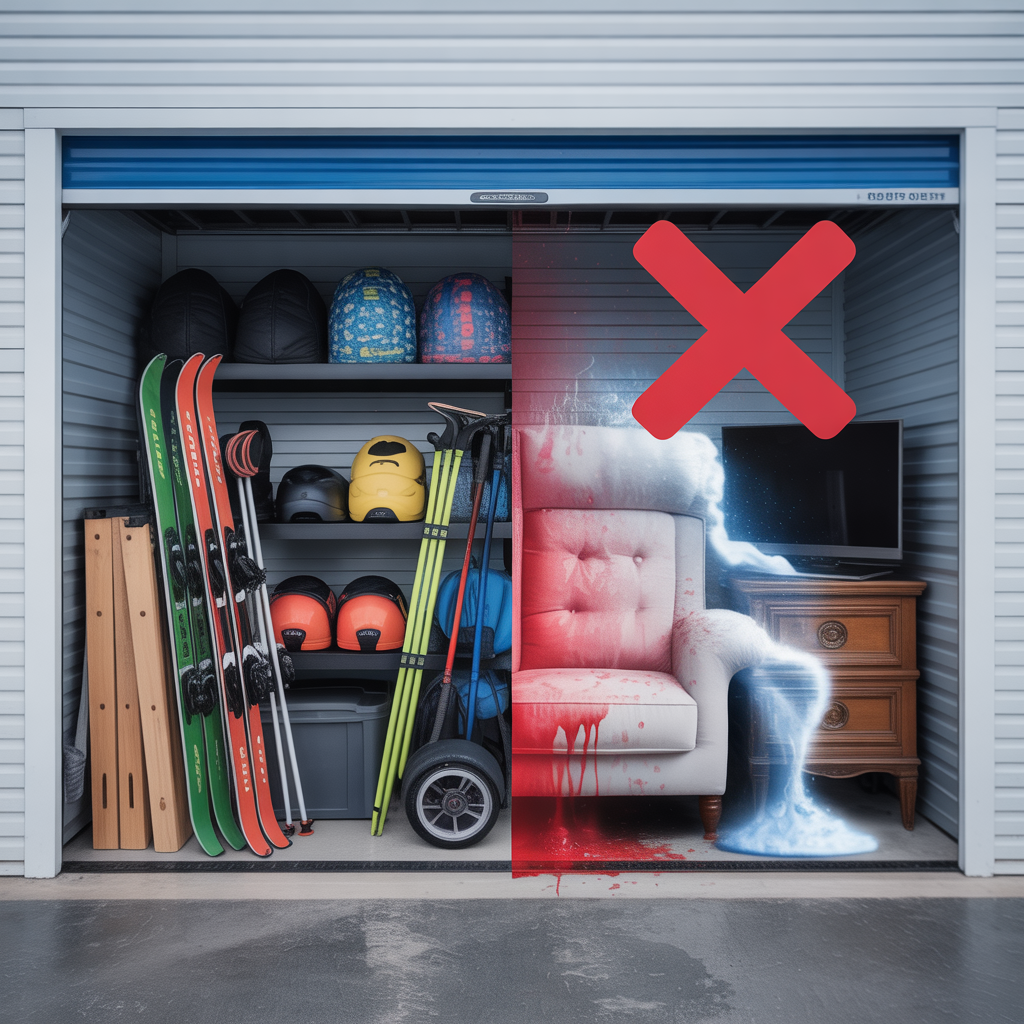
Drive-up units excel at storing durable items that tolerate temperature variation. Metal tools and equipment
handle temperature swings without damage. Outdoor furniture
designed for weather exposure stores safely. Seasonal decorations
made from plastic, metal, or synthetic materials remain stable.
Sporting equipment
like bikes, kayaks, skis, and camping gear suits drive-up storage well. These items are designed for outdoor use and tolerate temperature changes. Lawn care equipment
including mowers, trimmers, and garden tools stores safely with proper fuel drainage.
Vehicles
represent a primary use case. Cars, motorcycles, ATVs, and boats fit through wide drive-up doors. The easy access simplifies periodic starting and battery maintenance that stored vehicles require.
Items to Avoid in Drive-Up Units
Electronics
including computers, televisions, and audio equipment suffer from temperature cycling and humidity. Internal condensation damages circuits and screens. Wooden furniture
with fine finishes warps, cracks, and develops finish damage from temperature extremes.
Documents, photographs, and artwork
deteriorate rapidly without climate control. Paper absorbs moisture, leading to mold, warping, and adhesion. Photographs develop color shifts and surface damage. Leather goods
dry out, crack, and develop mildew in uncontrolled environments.
Wine, cosmetics, and medications
require stable temperatures to maintain quality and safety. Musical instruments
with wooden components suffer structural damage from humidity fluctuations. For these items, climate-controlled storage is essential regardless of higher cost.
Frequently Asked Questions
Are drive-up storage units better than indoor units?
Drive-up units are better for specific use cases, not universally superior. Choose drive-up storage when you need frequent access, store durable items, want lower costs, or require vehicle storage. Choose indoor climate-controlled units for sensitive items, long-term storage exceeding 6 months, or high-value belongings requiring maximum security.
How likely is it to get bed bugs from a storage unit?
Bed bug transmission from storage units is uncommon but possible. These pests can survive 6 to 12 months without feeding and may travel between adjacent units. Reduce risk by storing fabric items in sealed plastic containers, inspecting used furniture before storing, and choosing facilities with regular pest control programs. Avoid storing mattresses or upholstered furniture that previously had bed bug exposure.
What does drive-up access mean for a storage unit?
Drive-up access means you can park your vehicle directly in front of your storage unit door. The unit sits at ground level with a roll-up door facing a driveway. You load and unload without walking through hallways, climbing stairs, or using elevators. This design allows trucks, trailers, and moving vans to position within feet of your belongings.
What are the pros and cons of storage units in general?
Storage units provide flexible space for belongings that do not fit in your home or business. Pros
include decluttering living spaces, protecting items during transitions, and providing business inventory overflow. Cons
include ongoing monthly costs ($50 to $300 depending on size and features), inconvenience of off-site access, and potential for forgetting about stored items. The value depends on your specific space needs and how long you require storage.
What size drive-up storage unit fits a car or RV?
A standard sedan or small SUV fits in a 10x20 foot unit (200 square feet). Larger trucks and full-size SUVs may require 10x25 or 10x30 foot units. RVs and boats typically need 10x30 feet or larger, though dimensions vary significantly by vehicle. Measure your specific vehicle and add 2 feet on each side for door opening clearance and access around the vehicle.
Can I store a vehicle in a drive-up unit and perform maintenance?
You can store vehicles in drive-up units, but most facilities prohibit maintenance work. This restriction exists because vehicle repairs involve flammable fluids, create fire hazards, and most units lack electrical outlets for tools. You can typically start vehicles periodically to maintain batteries, but oil changes, fluid work, and mechanical repairs require off-site locations.
Making the Right Storage Decision
Drive-up storage units deliver genuine value for the right applications. The combination of easy access, lower costs, and larger sizes makes them ideal for durable goods, vehicles, and situations requiring frequent visits. The trade-off in climate protection and security positioning matters less for appropriate items.
Evaluate your specific storage needs before choosing. Consider what you are storing, how long you need storage, how often you will access items, and your budget constraints. For many Estes Park residents storing outdoor gear, seasonal items, or vehicles, drive-up units provide the optimal balance of convenience and cost.
If you are storing temperature-sensitive items, valuable documents, or belongings for extended periods, the additional cost of climate-controlled storage protects your investment. Matching storage type to item requirements prevents damage and disappointment.
Rent drive-up storage in Estes Park
Choose a size on our size guide, check current prices, then complete checkout online or call (970) 586-6811.
Drive times from Estes Park Storage on Woodstock Dr to Beaver Meadows and Fall River RMNP entrances, with winter notes and soft rent-online next steps.

Compare Estes Park storage at 1210 Woodstock Dr vs driving down to Loveland. Drive times from Loveland and Longmont, RMNP lifestyle fit, and soft rent-online next steps.

Learn proven strategies to maximize your 10x10 storage unit space. Fit 50% more with vertical shelving, smart stacking, and professional organization tips.
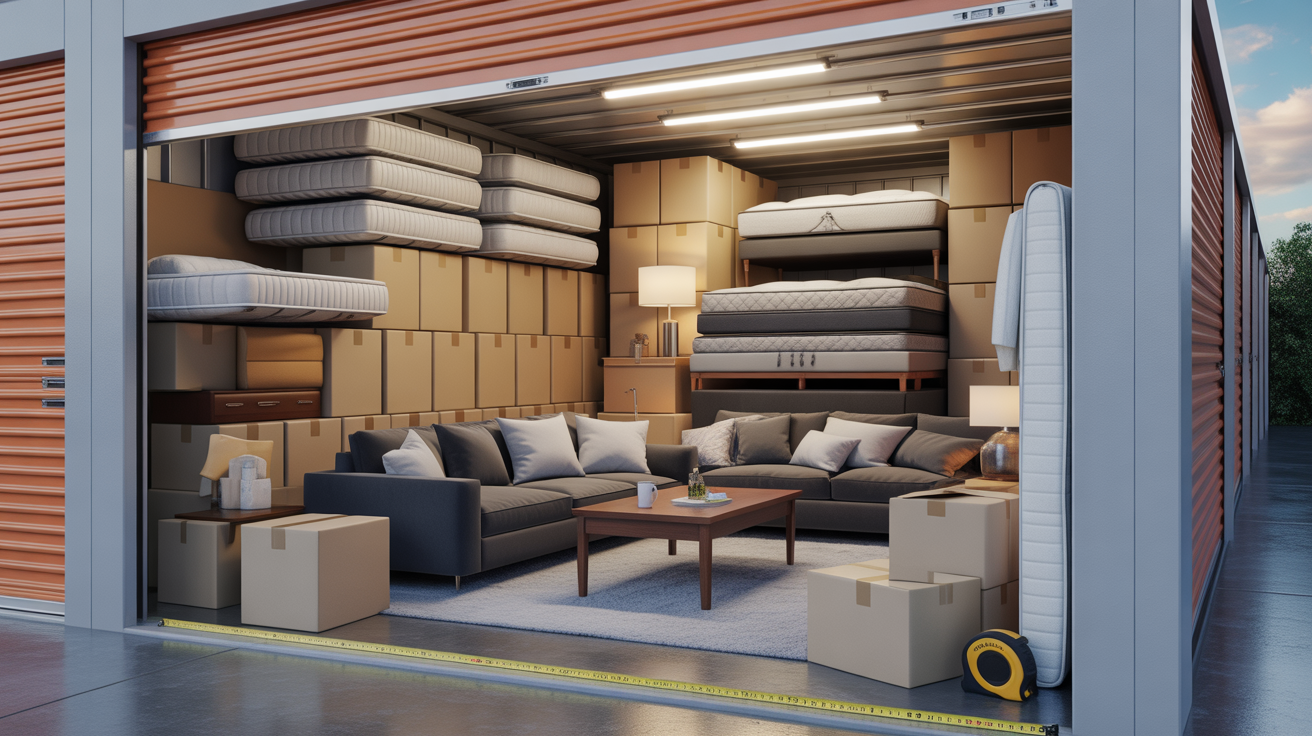
A 3 bedroom house typically needs a 10x20 storage unit (200 sq ft). Learn exactly what fits, cost factors, and how to choose the right size for your move.
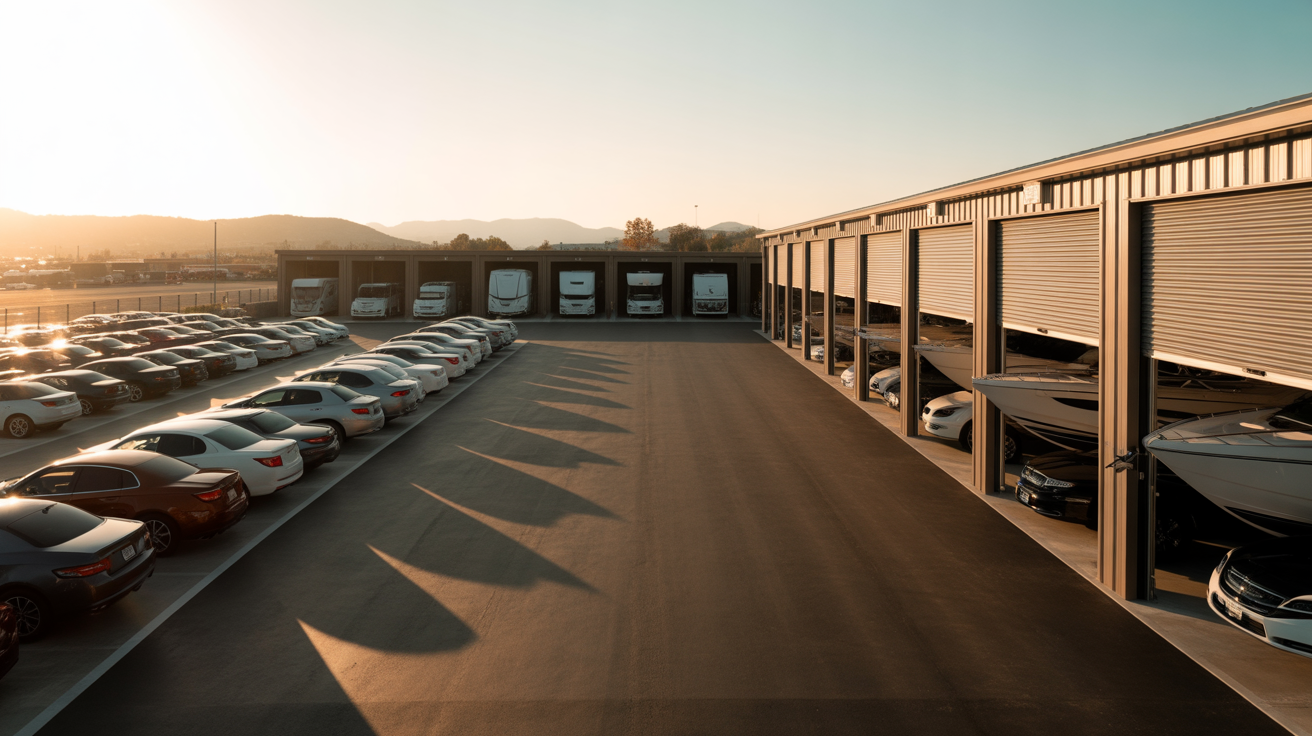
Vehicle storage costs $50-$300/month depending on type. Compare 2026 pricing for cars, RVs, and boats with indoor, outdoor, and covered storage options.
Learn proven inventory management and access strategies for business storage. ABC analysis, FIFO methods, and organization tips to streamline operations.
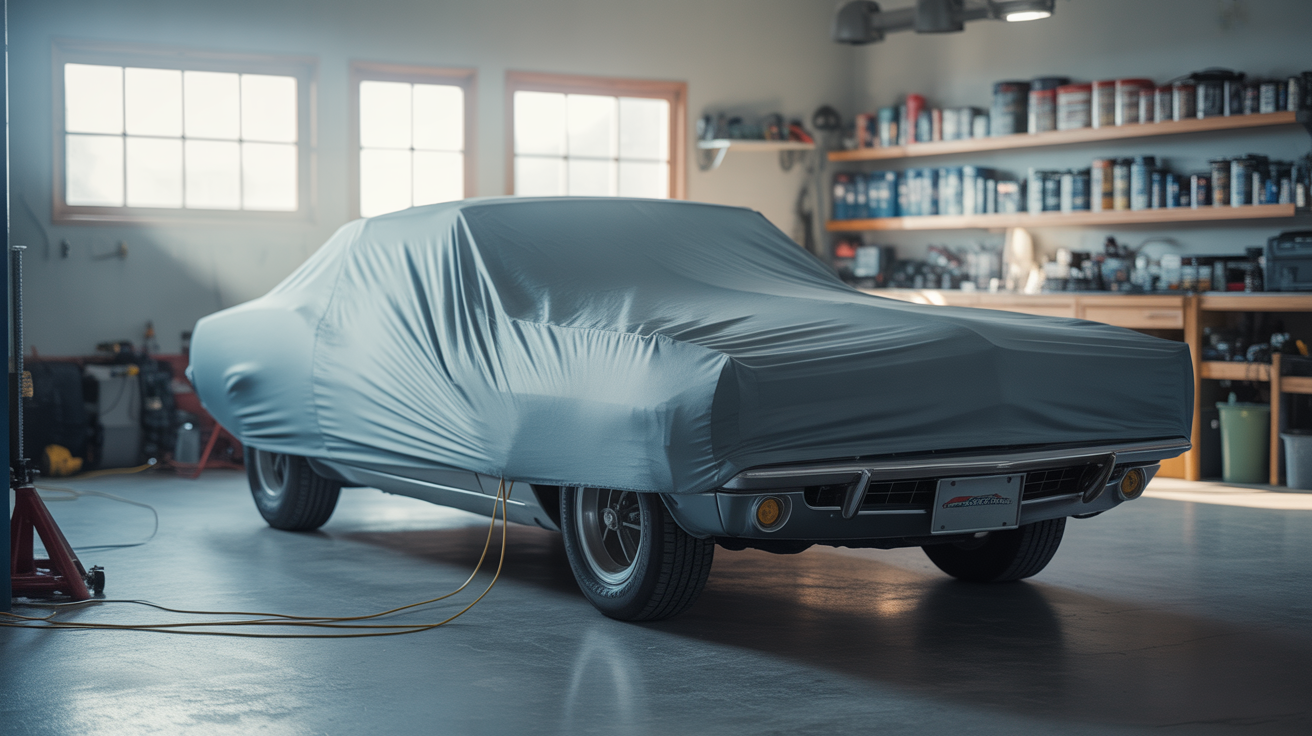
Complete 6-step vehicle storage checklist covering battery care, tire protection, fluid management, and pest prevention. Expert tips for 30+ day storage.
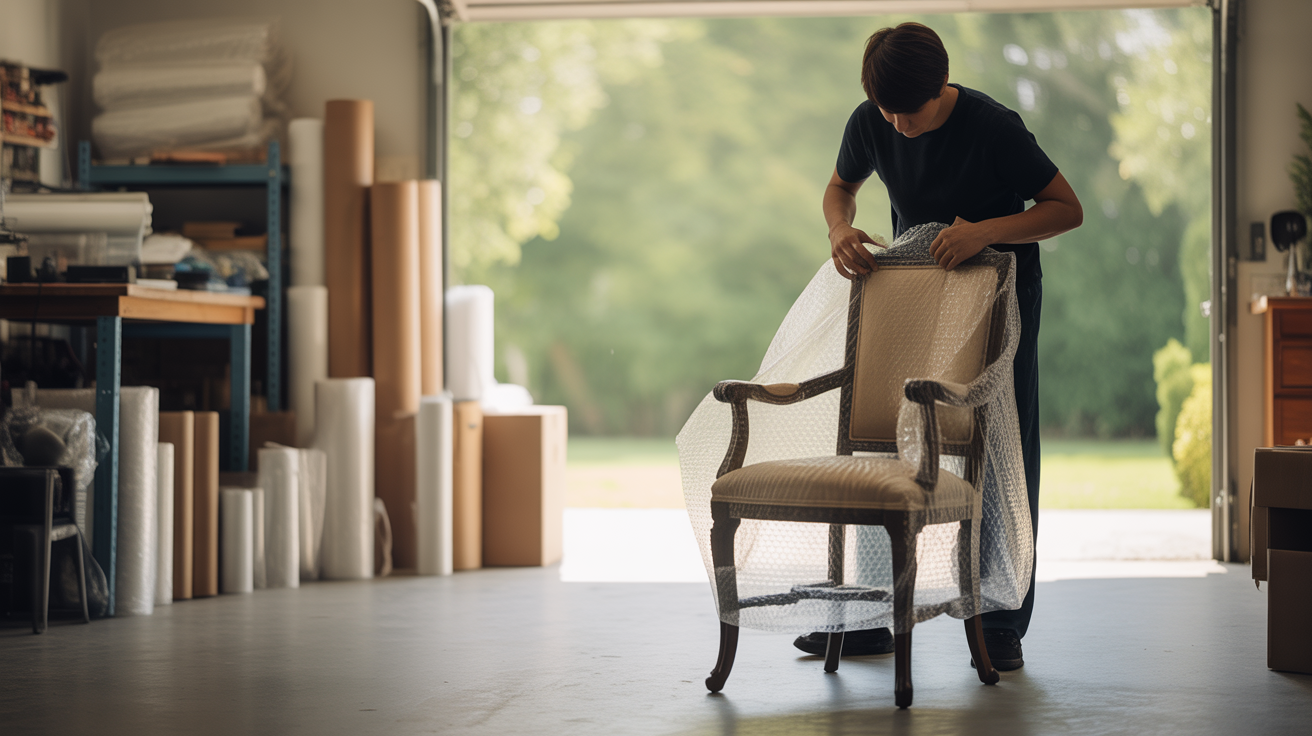
Learn proven techniques to pack and store furniture without scratches, warping, or mold. Step-by-step guide with materials list and expert storage tips.
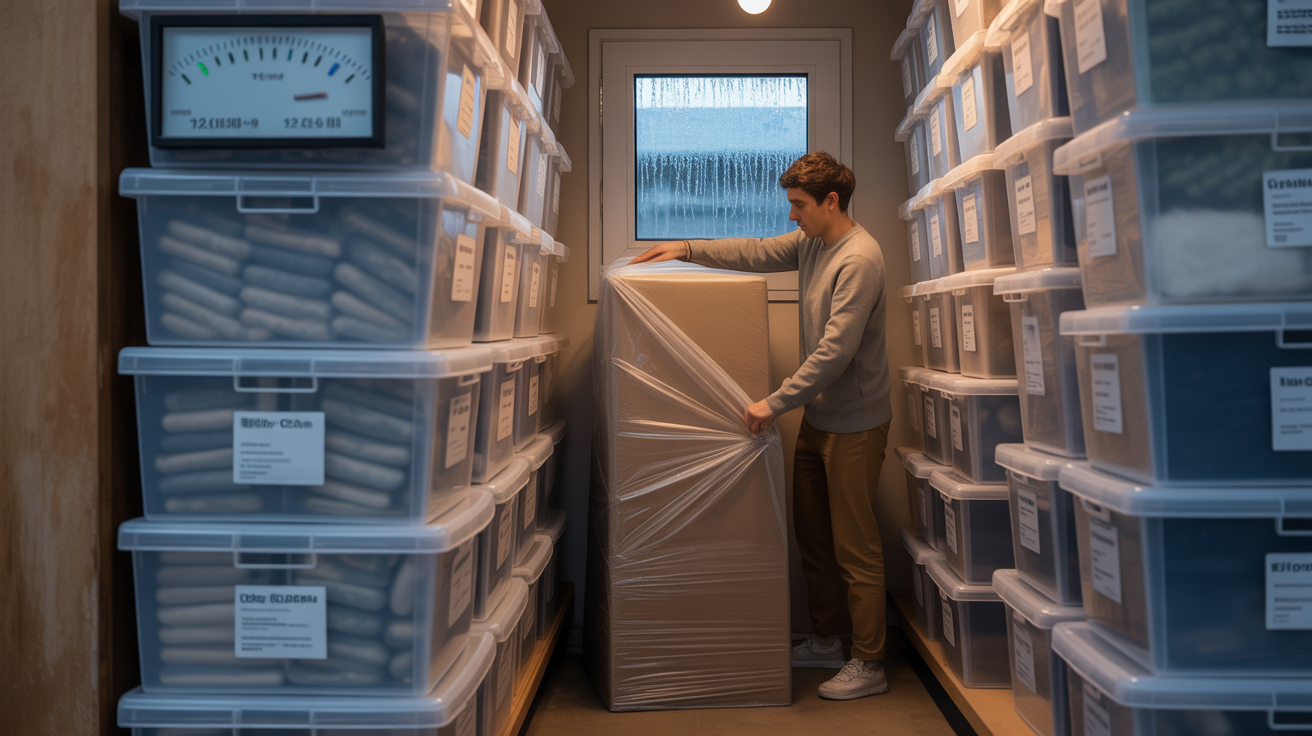
Learn how to protect belongings from cold damage in storage. Complete guide covers moisture control, temperature tips, and item-specific preparation steps.

Compare the best college student summer storage options: self-storage units ($50-150/mo), pickup services ($150-400), and university programs. Find your fit.