Moving to Estes Park: Storage Tips for a Smoother Move |
| MOVING TO ESTES PARK: STORAGE TIPS FOR A SMOOTHER MOVE
⏱ 15 min read ·
📄 #2,922 words
Plan your Estes Park move with expert storage tips. Learn unit sizing, weather prep, packing strategies, and how to stage a phased mountain town relocation.
|
R enting a storage unit before your Estes Park move reduces stress by 40% according to moving industry surveys, giving you flexibility when closing dates shift, weather delays trucks, or your new home needs repairs before move-in. A 10x10 drive-up unit at $249 per month holds a typical one-bedroom apartment's contents, while a 10x20 unit at $375 per month accommodates a full three-bedroom home or vehicle storage during the transition.
| Key Points: | |
|---|---|
| • | Estes Park storage units range from $119 to $445 per month for drive-up access, with vehicle parking from $135 to $315 monthly |
| • | Mountain weather creates unique challenges: temperatures can drop 30 degrees in hours, requiring weather-aware packing strategies |
| • | Drive-up units eliminate stairs and reduce loading time by 50% compared to indoor units, critical on steep or icy terrain |
| • | Month-to-month rentals with no deposit let you adjust storage duration as your move timeline changes |
| • | 24/7 access with gated entry, LED lighting, and security cameras protects belongings during extended transitions |
Why Storage Is Essential for Mountain Town Moves
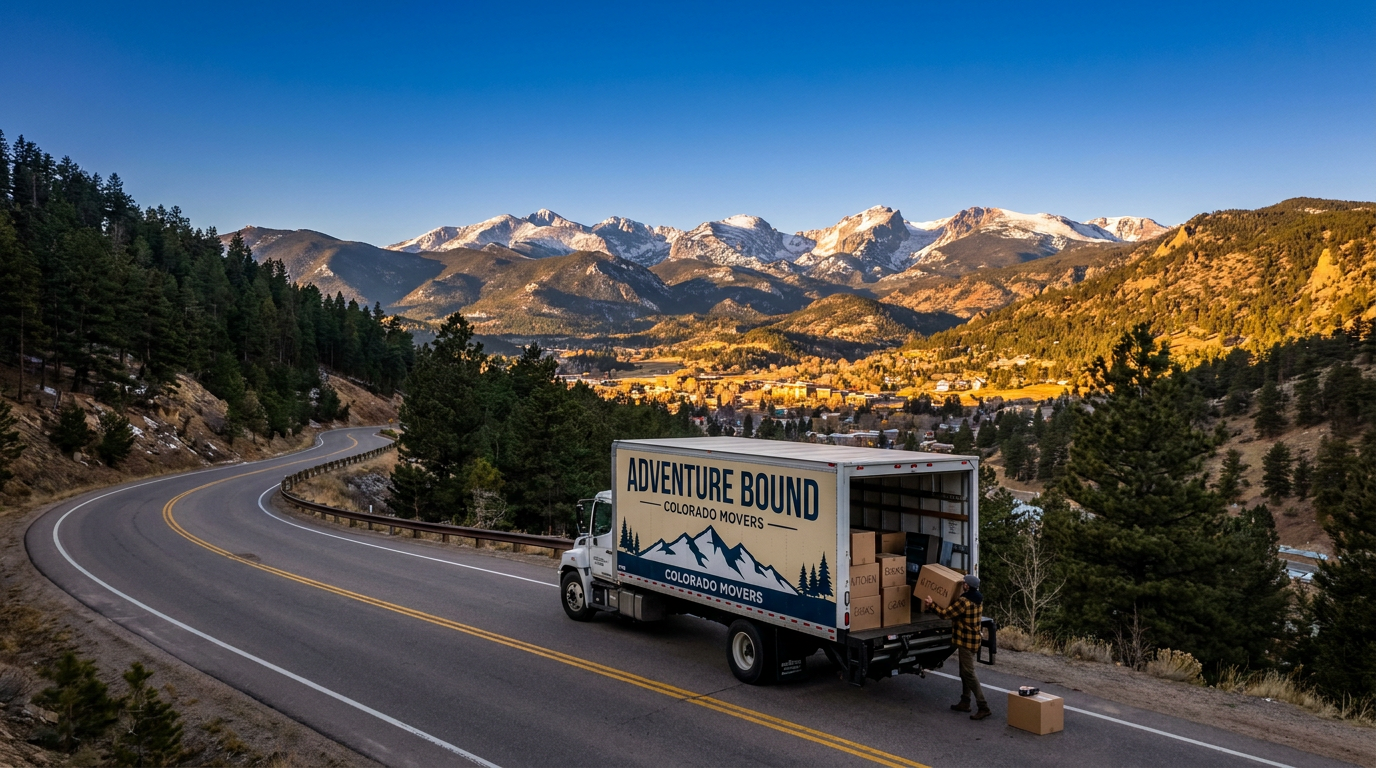
Moving to Estes Park differs fundamentally from relocating to Denver, Fort Collins, or other Front Range cities. The town sits at 7,522 feet elevation with only two main access routes: Highway 34 through Big Thompson Canyon and Highway 36 from Boulder. Both roads close periodically during winter storms, sometimes for days.
According to the Exodus Moving Company's Estes Park relocation guide, timing your move around weather windows is critical. A storage unit in town means your belongings stay protected even if road closures delay your moving truck. The National Weather Service reports that Estes Park receives an average of 45 inches of snow annually, with measurable snowfall possible from September through May.
Real estate closings in mountain towns also face unique delays. Home inspections may reveal issues requiring repairs before occupancy, and contractors in small communities often have longer lead times. Having storage already secured means you can proceed with your move even if your new home is not quite ready.
Choosing the Right Storage Unit Size
Selecting the correct unit size prevents both overpaying for unused space and cramming belongings into an undersized unit. The Self Storage Association reports that 60% of first-time renters choose units that are either too large or too small, wasting an average of $30 to $75 monthly.
| Unit Size | Square Feet | Best For | Monthly Cost |
|---|---|---|---|
| 5x10 | 50 sq ft | Studio apartment, seasonal gear, 15-20 boxes | $119 |
| 10x10 | 100 sq ft | 1-2 bedroom apartment, small furniture sets | $249 |
| 10x20 | 200 sq ft | 3-4 bedroom home, vehicle, business inventory | $375 |
| 10x25 | 250 sq ft | Large home, multiple vehicles, commercial use | $445 |
For a detailed breakdown of dimensions and capacity, the storage unit size guide provides visual comparisons and room-by-room estimates. Most people moving to Estes Park from larger homes find that a 10x20 unit accommodates their furniture, appliances, and boxes with room to create aisles for access.
Drive-Up vs. Indoor Storage for Mountain Moves
Drive-up storage units dominate the Estes Park market for good reason. These ground-level units let you back a truck directly to the door, eliminating the need to carry heavy items through hallways, up ramps, or into elevators. In mountain conditions where parking lots may be icy or snow-covered, minimizing carrying distance reduces injury risk significantly.
The American Moving and Storage Association found that 73% of moving injuries occur during loading and unloading. Drive-up access cuts the average loading time by 50% compared to indoor units requiring carts and elevators. When temperatures hover near freezing and daylight is limited during winter months, faster loading means safer moves.
Indoor climate-controlled storage does offer advantages for specific items. Electronics, wooden antiques, leather furniture, and documents benefit from consistent temperatures between 55 and 80 degrees Fahrenheit. However, most household items tolerate temperature fluctuations well when properly packed, making drive-up units the practical choice for temporary moving storage.
What to Store in Drive-Up Units
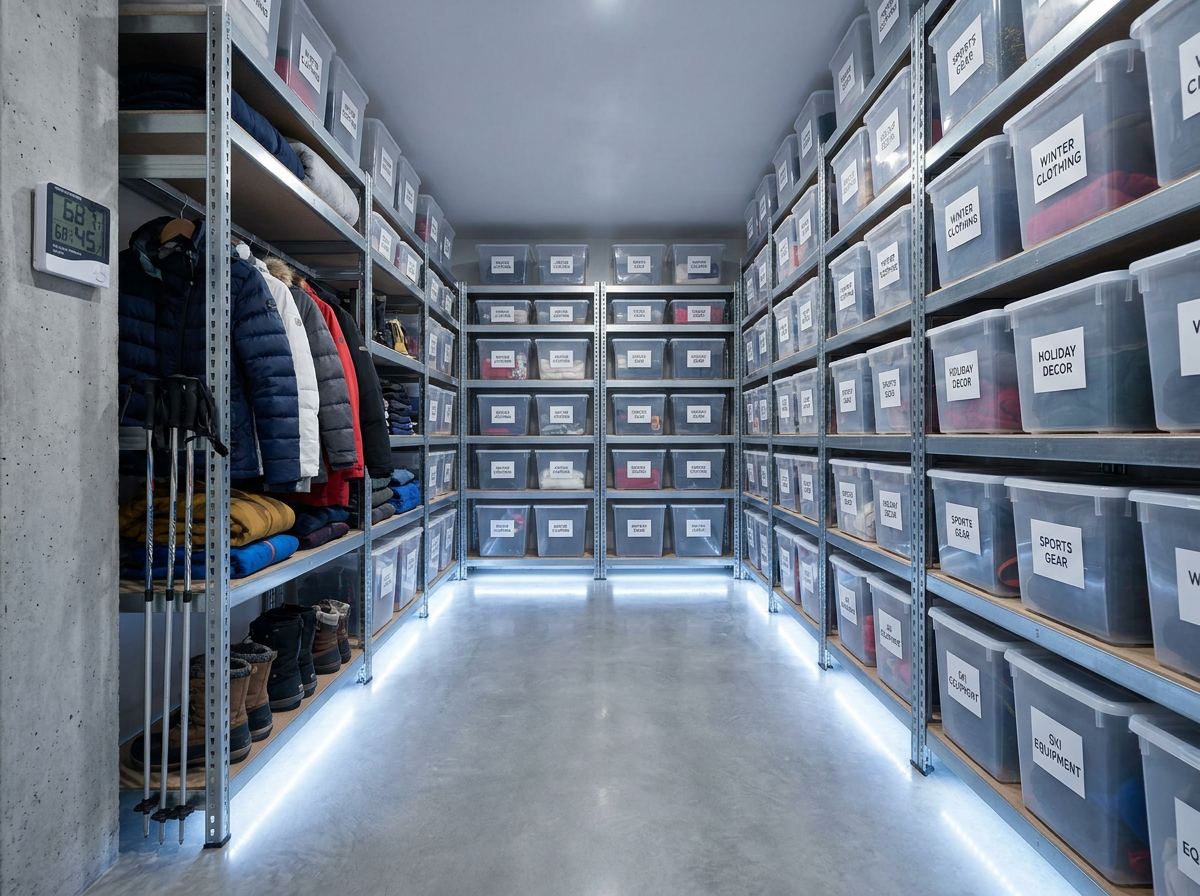
Drive-up units work well for furniture, appliances, tools, outdoor gear, boxes of household items, and vehicles. Items that tolerate temperature changes include metal furniture, plastic containers, camping equipment, sporting goods, and most kitchen items.
Items Requiring Extra Protection
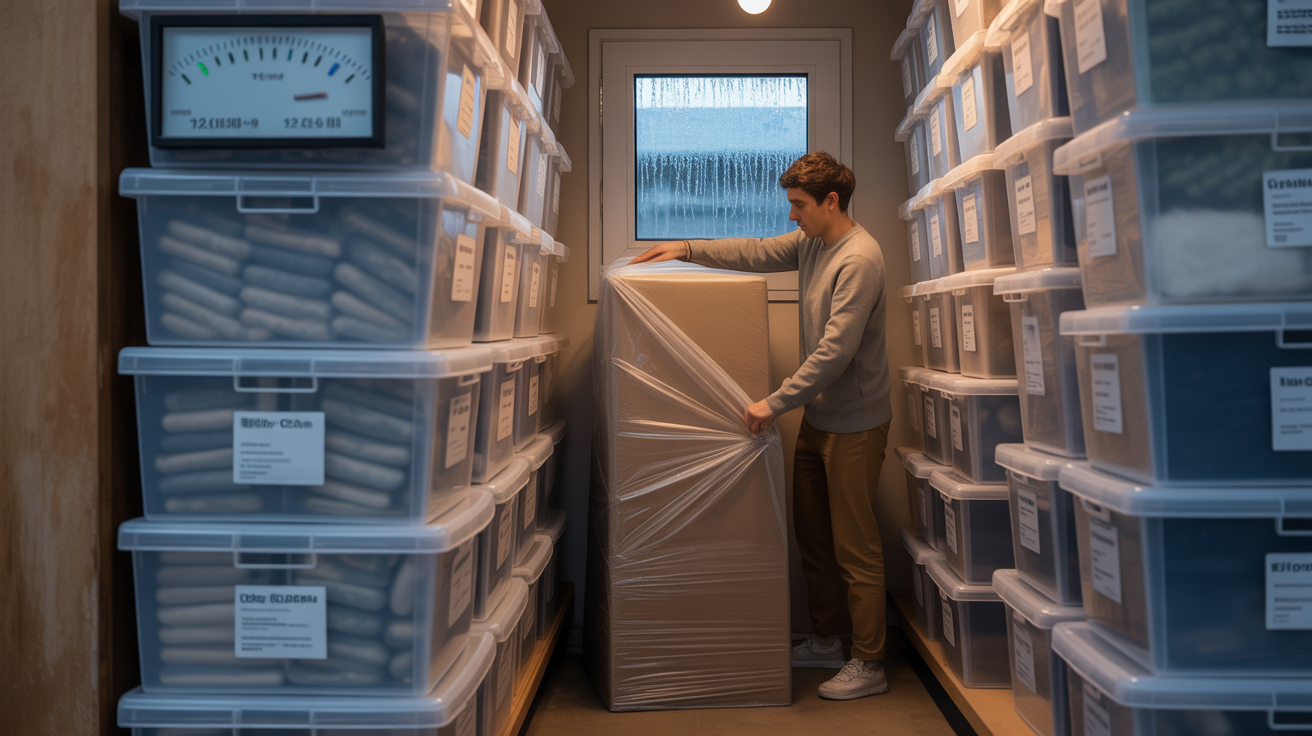
Certain belongings need additional preparation for storage in non-climate-controlled spaces. Wrap wooden furniture in moving blankets to prevent moisture absorption. Store electronics in their original boxes with silica gel packets. Place photographs in sealed plastic containers rather than cardboard boxes.
Weather-Aware Packing Strategies for Estes Park
Estes Park's mountain climate demands packing strategies that lowland movers never consider. Temperature swings of 30 to 40 degrees within a single day occur regularly, and humidity levels drop dramatically at altitude. These conditions affect how you should prepare items for storage.
According to American Storage's moving guide, organizing strategically by placing items you will need first near the front of your unit saves time during unpacking. This advice becomes even more critical in Estes Park, where you may need to retrieve winter gear, snow removal equipment, or cold-weather clothing before fully unpacking.
Packing Materials That Perform at Altitude
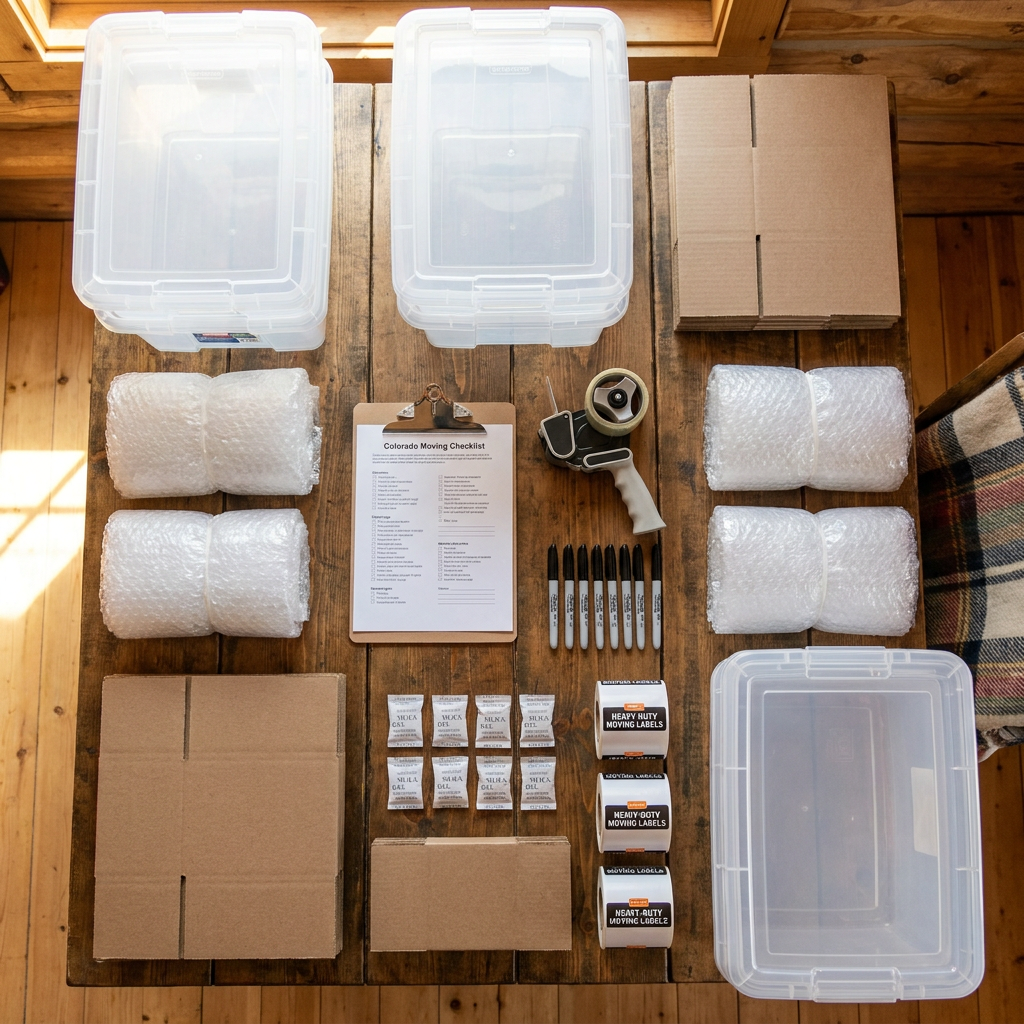
Standard cardboard boxes absorb moisture and weaken over time in fluctuating conditions. Plastic storage bins with secure lids offer superior protection and stack more safely. Heavy-duty wardrobe boxes protect clothing from dust and pests while allowing garments to hang wrinkle-free.
Moving blankets and furniture pads prevent scratches and provide insulation against temperature swings. Bubble wrap protects fragile items but can trap moisture; wrap delicate items first in clean cotton fabric, then bubble wrap. Use packing paper rather than newspaper, which transfers ink and degrades faster.
Items That Need Special Attention
Wooden furniture expands and contracts with humidity changes. Apply furniture polish before storage to seal the wood. Leave cabinet doors and drawers slightly open to allow air circulation. Place furniture on pallets or plastic sheeting to prevent moisture wicking from concrete floors.
Mattresses require breathable covers, not plastic wrap, which traps moisture and promotes mold growth. Stand mattresses on edge against a wall to save floor space and prevent compression damage. Queen and king mattresses fit in 10x10 units when stored vertically.
Staging a Phased Move into Estes Park
Smart movers use storage to break a stressful single-day move into manageable phases. This approach works especially well for mountain relocations where weather windows and road conditions create uncertainty.
Phase One: Non-Essential Items (2-4 Weeks Before Move)
Start by packing and storing items you will not need during the final weeks in your current home. Seasonal decorations, extra linens, books, artwork, and garage items can move to storage early. This reduces the volume that must move on your actual moving day by 30 to 40 percent.
Phase Two: Furniture and Large Items (Moving Week)
Transport furniture and major appliances to storage if your new home is not ready for immediate occupancy. Alternatively, move these items directly to your new Estes Park address while keeping boxes in storage until you have time to unpack properly.
Phase Three: Retrieval and Unpacking (First Month)
Retrieve stored items gradually as you organize your new home. With 24/7 access to your storage unit, you can pick up boxes on your schedule rather than facing an overwhelming unpacking marathon. Most people complete retrieval within 2 to 4 weeks of moving into their new home.
Vehicle, Boat, and RV Storage During Your Move
Many people relocating to Estes Park own recreational vehicles, boats, or extra cars that need storage during the transition. The town's proximity to Rocky Mountain National Park, Lake Estes, and countless outdoor recreation areas makes vehicle storage a common need.
Open parking spaces accommodate cars, trucks, motorcycles, boats, and RVs at lower cost than enclosed units. A 10x20 open parking space costs $135 monthly, while a 15x70 space for large RVs runs $315 monthly. These paved, gated spaces provide security without the premium of covered storage.
For vehicles requiring protection from sun, snow, and hail, enclosed 10x20 or 10x25 drive-up units offer complete coverage. A standard pickup truck or SUV fits in a 10x20 unit with room for additional items along the sides. Larger RVs and trailers require the 15x70 spaces with dedicated back-gate entrance for easy maneuvering.
What the Kitchen Teaches About Moving
Professional movers consistently identify the kitchen as the hardest room to pack when moving. Kitchens contain the highest concentration of fragile items, awkward shapes, and heavy objects in any home. A typical kitchen requires 15 to 25 boxes, compared to 5 to 10 boxes for a bedroom.
Start packing the kitchen 2 to 3 weeks before your move by boxing rarely used items: holiday dishes, specialty appliances, extra glassware, and cookbooks. Keep one box of essentials unpacked until the final day: a pot, pan, plates, utensils, coffee maker, and basic pantry items.
Wrap each dish individually in packing paper. Stack plates vertically like records rather than horizontally; vertical stacking reduces breakage by distributing pressure evenly. Fill empty spaces in boxes with crumpled paper or dish towels to prevent shifting during transport.
Red Flags to Watch for When Hiring Movers
Moving scams increase during peak season from May through September. The Federal Motor Carrier Safety Administration (FMCSA) receives thousands of complaints annually about fraudulent moving companies. Knowing the warning signs protects your belongings and budget.
Legitimate moving companies provide written estimates after visual or video inspection of your belongings. Any company offering a binding quote over the phone without seeing your items is likely to increase the price dramatically on moving day. The Yelp directory of Estes Park movers shows reviews and ratings that help identify reputable local companies.
Warning Signs of Moving Fraud
Demand for large cash deposits before the move signals potential problems. Reputable movers typically collect payment upon delivery, not weeks in advance. Blank or incomplete contracts leave you vulnerable to surprise charges. Every service, fee, and condition should appear in writing before you sign.
Missing or unmarked trucks suggest an unlicensed operation. Licensed interstate movers display USDOT numbers on their vehicles. Companies that answer the phone with generic greetings like "moving company" rather than their business name often operate multiple scam operations under different names.
What Denver Transplants Wish They Knew
People moving from Denver to Estes Park face a 65-mile drive that takes 90 minutes in good conditions but can stretch to 3 hours or more during tourist season or winter weather. This commute reality affects how you should plan your move and what you should know about your new community.
Estes Park's population of approximately 6,500 year-round residents swells to over 4 million annual visitors. Housing inventory is limited, and rental properties are scarce because many homeowners convert properties to vacation rentals. Having flexible storage allows you to act quickly when housing becomes available without losing your current living situation.
Grocery shopping, medical appointments, and major retail purchases often require trips to Loveland or Longmont. Stock up on essentials and store backup supplies to reduce the frequency of canyon drives. A 5x10 storage unit can hold a household's worth of bulk purchases, emergency supplies, and seasonal items that would otherwise clutter limited closet space in mountain homes.
How to Make Packing Easier
Efficient packing reduces both the time and cost of your move. The MicroFlex Space short-term storage guide recommends choosing the right size unit by estimating your needs ahead of time to avoid over or under renting. This principle applies equally to packing: plan your box usage before you start.
The Room-by-Room Method
Pack one room completely before moving to the next. Label every box with its contents and destination room in your new home. Use colored tape or stickers to create a visual coding system: blue for bedroom, green for kitchen, red for bathroom. This system speeds unpacking by 40% according to professional organizers.
The Essentials Box Strategy
Pack one clearly marked box per family member containing items needed for the first 48 hours: toiletries, medications, phone chargers, a change of clothes, and important documents. Keep these boxes in your personal vehicle, not the moving truck, to ensure access regardless of delays.
Weight Distribution Rules
Heavy items go in small boxes; light items go in large boxes. A large box filled with books becomes impossible to lift safely and risks box failure. Books, records, tools, and canned goods belong in boxes no larger than 1.5 cubic feet. Linens, pillows, and lightweight decorations can fill larger boxes without creating lifting hazards.
Security Features That Matter
Storing your belongings during a move means trusting a facility with irreplaceable items. Security features vary dramatically between storage providers, and understanding what protections actually matter helps you choose wisely.
Gated access with individual entry codes creates an audit trail of who enters the facility and when. LED lighting throughout the property deters theft and improves safety during evening access. Security cameras with recording capability provide evidence if incidents occur and discourage criminal activity.
The SafeLease tenant protection plan covers belongings against burglary, fire, water damage, and other risks. While homeowners or renters insurance sometimes covers stored items, dedicated storage protection eliminates gaps and provides faster claims processing.
Questions to Ask Before Renting
Asking the right questions before signing a rental agreement prevents surprises and ensures the facility meets your needs. Visit our frequently asked questions page for detailed answers to common concerns.
Access and Hours
What are the access hours? 24/7 access matters for moves with unpredictable timing. How do I enter the facility after hours? Gate codes, key cards, or mobile app access each have advantages. Can I access my unit in bad weather? Paved surfaces and covered loading areas improve winter accessibility.
Rental Terms and Costs
What is the minimum rental period? Month-to-month terms provide maximum flexibility for moving transitions. Is a deposit required? No-deposit rentals reduce upfront costs during an already expensive time. Are there move-in specials? Promotions like 2 months at 50% off significantly reduce transition costs.
Facility Features
What security measures are in place? Look for gated entry, lighting, and camera coverage. Are units drive-up accessible? Ground-level access speeds loading dramatically. What unit sizes are available? Ensure the facility offers the size you need with room to upgrade if necessary.
Local Resources for Your Estes Park Move
Successful relocations tap into local knowledge and community resources. The Town of Estes Park website provides information about utilities, trash service, and local regulations. The Estes Park News publishes community announcements, event schedules, and local business information.
The Estes Valley Library offers free WiFi, community meeting spaces, and newcomer resources. The YMCA of the Rockies provides fitness facilities, family programs, and community connections for new residents. Local Facebook groups and the Estes Park Reddit community offer advice from current residents about everything from wildlife encounters to restaurant recommendations.
Timeline for a Smooth Estes Park Move
Planning your move on a realistic timeline prevents last-minute chaos. Mountain moves require more buffer time than urban relocations due to weather variables and limited local service providers.
| Timeframe | Tasks |
|---|---|
| 8 weeks before | Reserve storage unit, get moving quotes, begin decluttering |
| 6 weeks before | Book movers, start packing non-essentials, notify utilities |
| 4 weeks before | Move first load to storage, change address with USPS |
| 2 weeks before | Pack remaining rooms, confirm moving day details |
| 1 week before | Pack essentials boxes, defrost freezer, clean current home |
| Moving day | Supervise loading, do final walkthrough, transport essentials personally |
| First week | Unpack essentials, set up utilities, retrieve priority items from storage |
| First month | Complete unpacking, retrieve remaining storage items, update registrations |
Cost Comparison: Storage Options in Estes Park
Understanding the full cost picture helps you budget accurately for your move. Storage represents a small fraction of total moving expenses but provides significant value in flexibility and stress reduction.
A typical 3-month storage rental during a move costs $357 to $1,335 depending on unit size. Compare this to the cost of rushed decisions, damaged items from improper storage, or extended hotel stays when housing is not ready. The current Estes Park storage pricing shows competitive rates for the mountain market.
| Storage Type | Monthly Cost | 3-Month Total | Best Use Case |
|---|---|---|---|
| 5x10 Drive-Up | $119 | $357 | Studio or overflow items |
| 10x10 Drive-Up | $249 | $747 | 1-2 bedroom apartment |
| 10x20 Drive-Up | $375 | $1,125 | Full home or vehicle |
| 10x20 Open Parking | $135 | $405 | Car, boat, or trailer |
| 10x25 Drive-Up | $445 | $1,335 | Large home or business |
Move-in promotions reduce costs significantly. Current offers include 2 months at 50% off, which saves $119 to $445 depending on unit size. Online rental with immediate move-in eliminates office visits and allows you to secure a unit the same day you need it.
Making Your Estes Park Move Successful
Moving to Estes Park rewards careful planning with a smoother transition to mountain living. Storage provides the flexibility buffer that accounts for weather delays, housing complications, and the unpredictable nature of relocating to a small mountain community.
The combination of drive-up access, 24/7 availability, month-to-month terms, and comprehensive security features makes local storage an essential tool for any Estes Park move. Whether you need a small unit for overflow items or a large space for your entire household, having storage secured before your move reduces stress and creates options.
Discover Estes Park Storage, a locally owned facility with 24/7 drive-up access and full gating at 1210 Woodstock Dr. The locally owned and operated team provides bilingual support in English and Spanish, with property management available seven days a week.
|