Prohibited Storage Unit Items: Complete List and Safety Reasons |
| WHAT ITEMS ARE PROHIBITED IN STORAGE UNITS AND WHY
⏱ 12 min read ·
📄 #2,385 words
Learn which items are banned from storage units including hazardous materials, perishables, and weapons. Understand why these rules protect you and others.
|
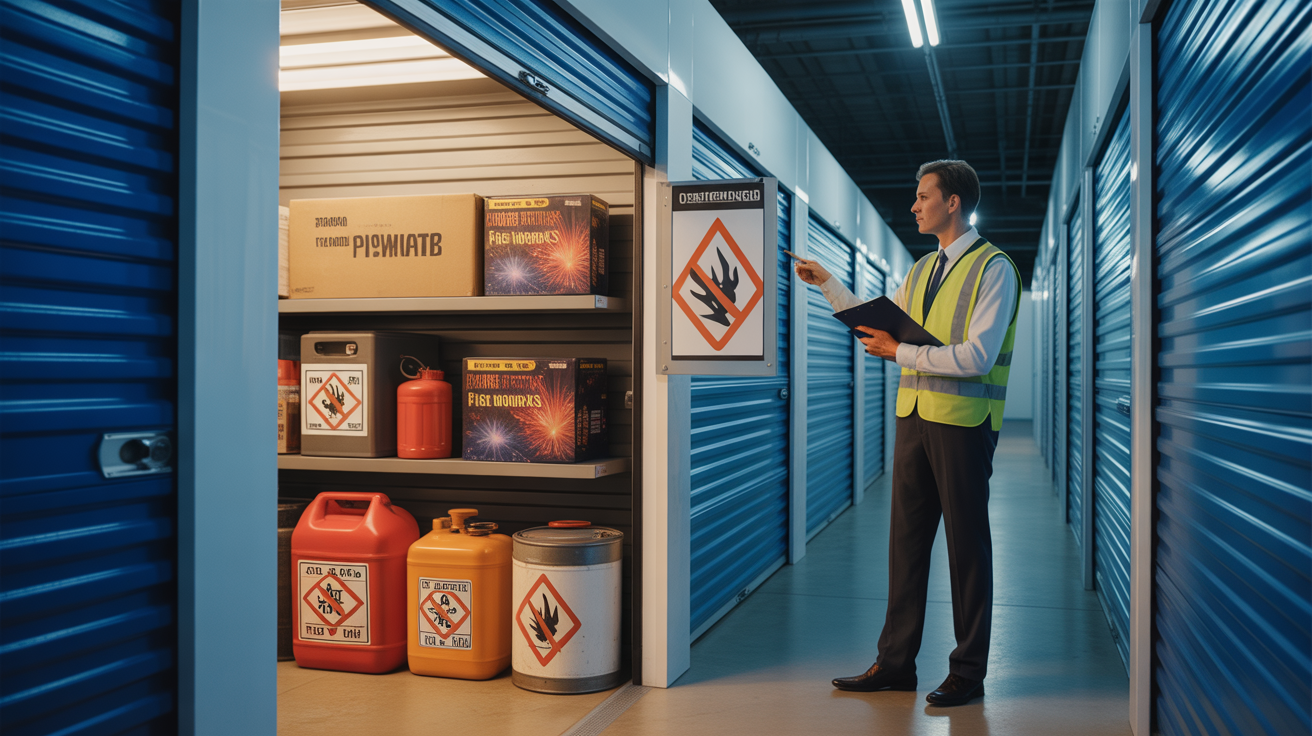
S torage facilities prohibit hazardous materials, perishable food, living things, firearms, flammable liquids, and illegal items. These restrictions exist to prevent fires, pest infestations, toxic exposure, and legal liability for both the facility and customers storing their belongings nearby.
| Key Points: | |
|---|---|
| • | Hazardous materials (gasoline, propane, paint, chemicals) create fire and explosion risks affecting entire facilities |
| • | Perishable items attract rodents and insects within 48 to 72 hours, spreading to neighboring units |
| • | Storing prohibited items voids insurance coverage and may result in fines of $500 to $5,000 or lease termination |
| • | Federal laws regulate storage of firearms, explosives, and hazardous substances under CERCLA and ATF guidelines |
| • | Living things, including plants and animals, violate animal welfare laws and create health hazards |
Hazardous Materials and Flammable Substances
Hazardous materials represent the most dangerous category of prohibited items. A single container of gasoline or propane can cause an explosion affecting dozens of units and endangering lives. Storage facilities maintain strict bans on these items because standard units lack ventilation, fire suppression, or containment systems designed for chemical storage.
Flammable Liquids and Gases
Gasoline, propane, kerosene, and lighter fluid release vapors that accumulate in enclosed spaces. These vapors can ignite from a single spark, static electricity, or even a light switch. The confined nature of storage units means vapors reach explosive concentrations faster than in open environments.
Prohibited flammable items include:
- Gasoline and diesel fuel (even in approved containers)
- Propane tanks and cylinders of any size
- Kerosene and lamp oil
- Lighter fluid and charcoal starter
- Acetone and paint thinner
- Rubbing alcohol in quantities over 16 ounces
Paints, Solvents, and Chemicals
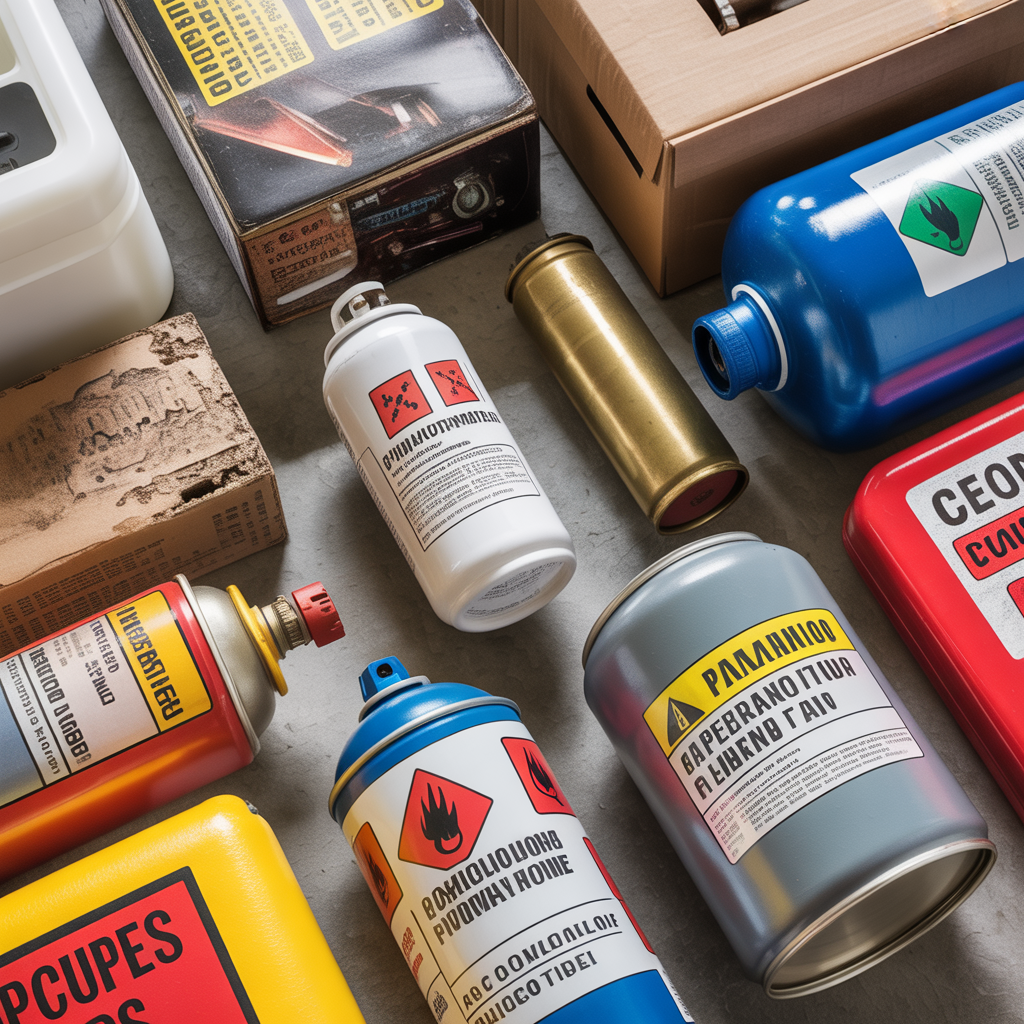
Oil-based paints, stains, and solvents contain volatile organic compounds that off-gas continuously. Over weeks or months in storage, these fumes can reach dangerous levels. Water-based latex paints pose less fire risk but still attract pests and can freeze, causing container rupture in non-climate-controlled units.
Pool chemicals, fertilizers, and pesticides react dangerously when mixed or exposed to heat. A single bag of pool shock (calcium hypochlorite) can spontaneously combust at temperatures above 175 degrees Fahrenheit, which standard metal storage units can reach during summer months in direct sunlight.
Compressed Gas Cylinders
Oxygen tanks, helium canisters, and CO2 cylinders present explosion hazards even without flammable contents. Temperature fluctuations cause pressure changes that can rupture aged or damaged cylinders. Medical oxygen tanks require specific storage conditions that standard units cannot provide.
Perishable Food and Organic Materials
Food items create pest infestations that spread rapidly through storage facilities. A single unit containing forgotten groceries can attract mice within 48 hours and cockroaches within a week. These pests then migrate to neighboring units, damaging furniture, documents, and clothing.
Why All Food Is Prohibited
Even sealed, non-perishable items like canned goods and dried pasta attract pests through scent. Rodents can chew through plastic containers, cardboard boxes, and even thin metal. Once an infestation establishes in a facility, eliminating it requires treating multiple units and can take 4 to 8 weeks.
Prohibited food items include:
- Fresh produce, meat, and dairy products
- Frozen foods (will thaw and spoil without power)
- Canned goods and jarred foods
- Dry goods like rice, pasta, flour, and cereal
- Pet food and bird seed
- Opened snacks and pantry items
Animal Feed and Seeds
Horse feed, dog food, and agricultural seeds attract rodents, insects, and birds. Bulk animal feed stored improperly develops mold within 2 to 3 weeks in humid conditions. This mold produces spores that spread through ventilation systems, potentially affecting climate-controlled units throughout a facility.
Living Things: Animals and Plants
Storing any living creature in a storage unit violates animal welfare laws and facility policies. Animals cannot survive in unventilated, temperature-uncontrolled spaces. Even brief storage of pets constitutes animal cruelty under Colorado law, carrying penalties of up to $1,000 in fines and potential criminal charges.
Why Plants Are Prohibited
Houseplants require light, water, and air circulation to survive. In a sealed storage unit, plants die within 1 to 2 weeks, creating decomposing organic matter that attracts pests and produces odors. Soil from potted plants can harbor insects, mold spores, and bacteria that spread to other stored items.
For customers relocating and needing to store belongings temporarily, plants should be given to friends, donated to local nurseries, or transported directly to the new location. No storage facility can accommodate living plant material.
Fish Tanks and Terrariums
Aquariums and terrariums cannot be stored with water, substrate, or inhabitants. Empty tanks are acceptable, but all organic materials, water, and living creatures must be removed. Residual moisture in tanks promotes mold growth within 72 hours in enclosed storage spaces.
Firearms, Ammunition, and Weapons
Storage facilities restrict firearms and ammunition due to federal regulations, liability concerns, and safety risks. The Bureau of Alcohol, Tobacco, Firearms and Explosives (ATF) requires specific security measures for firearm storage that standard storage units do not meet.
Federal and State Regulations
While Colorado law permits firearm ownership, storing weapons in facilities not designed for secure firearm storage creates legal complications. Theft of firearms from storage units contributes to illegal gun trafficking. Facilities face potential liability if stolen weapons are used in crimes.
Prohibited weapons and related items:
- Handguns, rifles, and shotguns
- Ammunition of all calibers
- Black powder and reloading supplies
- Crossbows and compound bows with broadheads
- Explosives, fireworks, and pyrotechnics
- Detonators and blasting caps
Safe Alternatives for Firearm Storage
Gun owners needing secure storage should consider licensed firearm dealers offering vault storage, bank safe deposit boxes rated for firearms, or home safes meeting ATF security standards. Some specialized storage facilities offer firearm-specific units with enhanced security, though these are rare in mountain communities.
Liquids of All Types
Most storage facilities prohibit liquids regardless of whether they are hazardous. Containers fail, leak, and spill during transport and temperature fluctuations. A single leaking container can damage items in multiple surrounding units through floor seepage.
Common Prohibited Liquids
This restriction surprises many customers who assume sealed containers are safe. However, plastic containers become brittle over time, seals degrade, and temperature changes cause expansion and contraction that stress container integrity.
Liquids you cannot store:
- Cleaning supplies (bleach, ammonia, detergents)
- Personal care products (shampoo, lotion, liquid soap)
- Cooking oils and vinegar
- Beverages (water, juice, soda, alcohol)
- Liquid medications
- Automotive fluids (oil, coolant, brake fluid)
Exceptions and Workarounds
Some facilities permit small quantities of sealed, commercially packaged liquids within furniture or boxes. Check your specific facility's policy. For items like furniture polish or cleaning supplies, consider using the products before storage or disposing of them properly rather than risking lease violations.
Batteries and Electronics with Power Sources
Lithium-ion batteries present thermal runaway risks where internal damage causes uncontrollable heating, fire, and toxic gas release. A single damaged laptop battery can reach temperatures exceeding 1,000 degrees Fahrenheit within minutes. These fires are extremely difficult to extinguish and release toxic fluorine gas.
High-Risk Battery Types
Power tool batteries, e-bike batteries, hoverboard batteries, and portable power stations contain large lithium-ion cells with significant energy density. Damage during transport, manufacturing defects, or age-related degradation can trigger thermal events without warning.
Batteries typically prohibited:
- Lithium-ion power tool battery packs
- E-bike and electric scooter batteries
- Hoverboard and electric skateboard batteries
- Portable power stations over 100 watt-hours
- Loose laptop and tablet batteries
- Lead-acid car batteries (corrosive acid risk)
Storing Electronics Safely
Laptops, tablets, and phones with integrated batteries are generally permitted when the device is powered off and battery charge is reduced to 30 to 50 percent. This reduces thermal runaway risk. Remove batteries from devices when possible and store electronics in climate-controlled units to prevent temperature-related battery stress.
At Estes Park Storage, our drive-up units provide convenient access for loading electronics and other permitted items safely.
Valuable and Irreplaceable Items
Storage facilities recommend against storing items of extreme value or irreplaceable sentimental significance. Standard storage insurance covers replacement value, not sentimental or collector value. A family heirloom destroyed in a facility incident receives only its material worth, not its emotional significance.
Items Better Stored Elsewhere
Bank safe deposit boxes, home safes, or specialized art storage facilities provide better protection for high-value items. These alternatives offer climate control, enhanced security, and insurance options appropriate for valuable contents.
Consider alternative storage for:
- Jewelry and precious metals
- Original artwork and sculptures
- Rare books and manuscripts
- Antiques valued over $5,000
- Family photographs and irreplaceable documents
- Collectibles with significant market value
Financial Instruments and Cash
Cash, bearer bonds, stock certificates, and negotiable instruments should never be stored in standard storage units. These items lack traceability, making theft claims nearly impossible to verify. Additionally, most storage insurance policies explicitly exclude cash and financial instruments from coverage.
Illegal Items and Stolen Property
Storage facilities cooperate with law enforcement and prohibit any illegal items. Storing stolen property, controlled substances, or items used in criminal activity results in immediate lease termination, potential criminal charges, and forfeiture of all unit contents.
Consequences of Storing Illegal Items
Facility managers conduct periodic inspections and report suspicious activity to authorities. Law enforcement can obtain warrants to search storage units based on reasonable suspicion. Customers found storing illegal items face criminal prosecution in addition to civil penalties from the storage facility.
Illegal items include:
- Controlled substances and drug paraphernalia
- Stolen merchandise or property
- Counterfeit goods and currency
- Unlicensed firearms or illegal weapons
- Items obtained through fraud
- Materials used in illegal manufacturing
Wet or Damp Items
Items containing moisture create mold growth that spreads to neighboring belongings within 24 to 48 hours. Mold spores travel through air circulation systems, potentially contaminating climate-controlled units throughout a facility. A single wet item can cause thousands of dollars in damage to multiple customers' belongings.
Preparing Items for Storage
All items must be completely dry before storage. Wash and thoroughly dry clothing, linens, and fabric items. Clean and dry appliances, especially refrigerators and washing machines. Allow outdoor furniture and equipment to dry completely after cleaning.
For guidance on preparing your belongings for storage, visit our storage unit size guide which includes preparation tips for different item categories.
Prohibited Activities in Storage Units
Beyond item restrictions, storage facilities prohibit certain activities that create safety hazards or legal liability. Understanding these restrictions prevents lease violations and potential eviction.
Living or Sleeping in Units
Using a storage unit as living space violates building codes, fire regulations, and lease agreements. Storage units lack ventilation, sanitation, and emergency egress required for human habitation. Facilities monitor for signs of habitation and immediately terminate leases when discovered.
Operating Businesses
Running commercial operations, manufacturing, or retail activities from storage units violates zoning laws and lease terms. Using a unit address as a business address creates legal complications. Storage units are designed for item storage only, not commercial activity.
Vehicle Maintenance and Repair
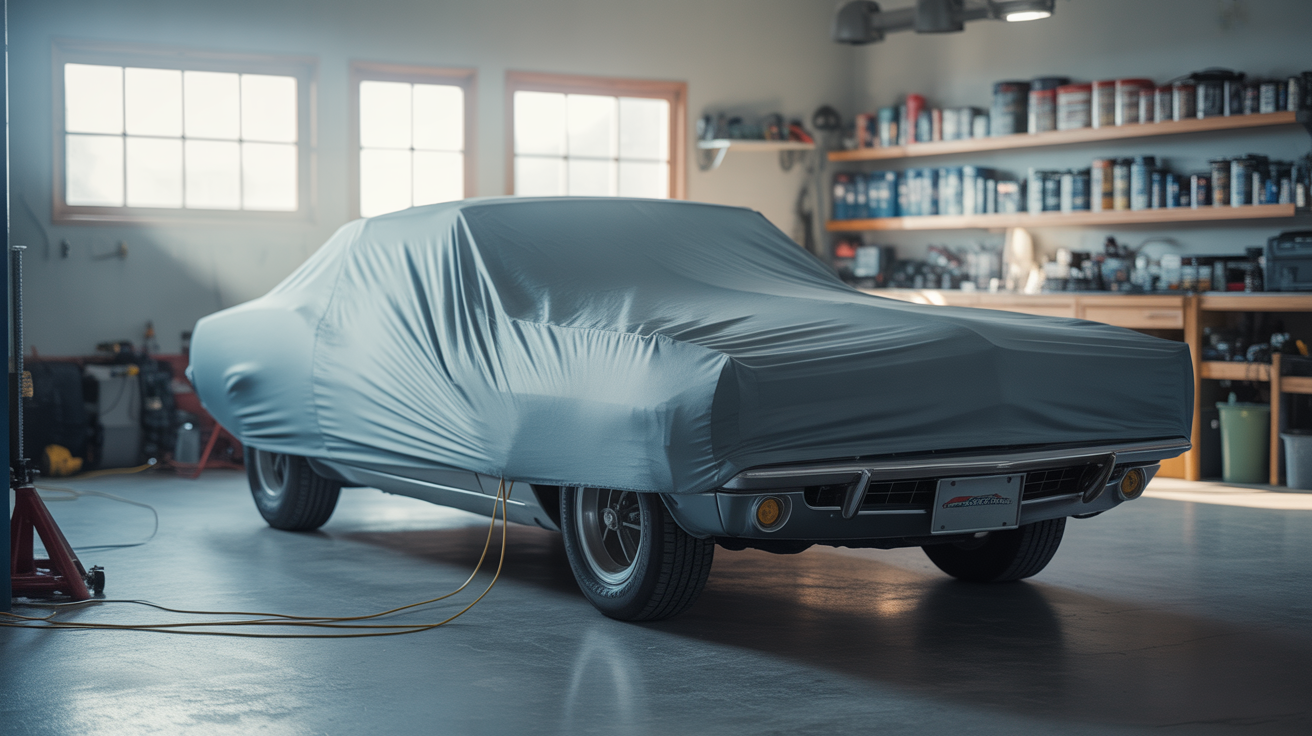
Working on vehicles in storage units or parking areas creates fire hazards from fuel, oil, and electrical work. Fluid spills contaminate pavement and can seep into groundwater. Facilities prohibit any vehicle maintenance beyond basic cleaning.
Consequences of Storing Prohibited Items
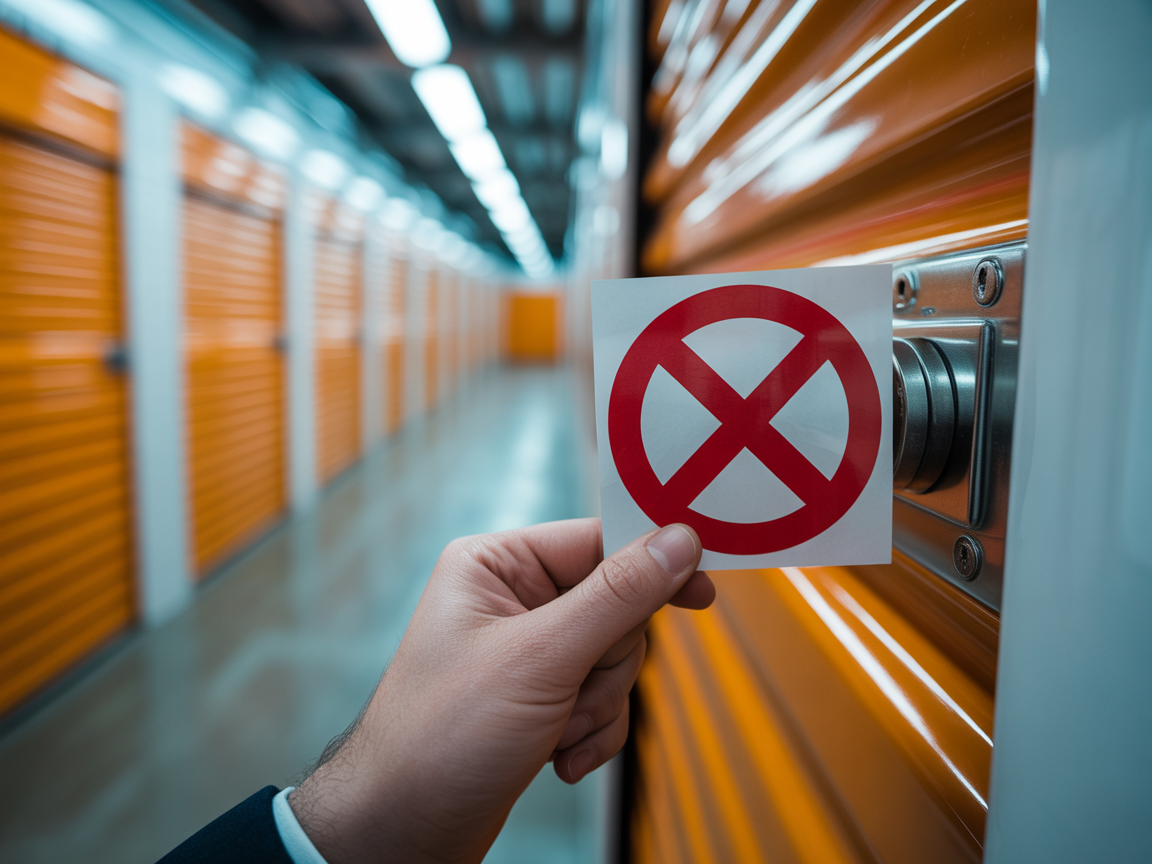
Violating storage facility rules carries significant consequences beyond simple lease termination. Understanding these penalties helps customers appreciate why restrictions exist and the importance of compliance.
Insurance Claim Denial
Storage insurance policies exclude coverage for damage caused by prohibited items. If your prohibited items damage your own belongings or those of other customers, you receive no compensation and bear full financial responsibility. A single incident can result in liability exceeding $10,000 for damage to neighboring units.
Lease Termination and Fees
Facilities discovering prohibited items typically issue 24 to 72 hour removal notices. Failure to comply results in immediate lease termination. Most facilities charge cleanup fees ranging from $200 to $2,000 depending on the nature of the violation and any damage caused.
Legal Liability
Customers storing prohibited items bear full legal responsibility for any resulting damage, injury, or death. This liability extends beyond the storage facility to include neighboring businesses, emergency responders, and the general public affected by incidents.
What You Can Store Safely
Understanding prohibited items helps clarify what storage units accommodate well. Most household belongings, furniture, seasonal items, and business inventory store safely in properly maintained units.
Ideal Items for Storage
Commonly stored items include:
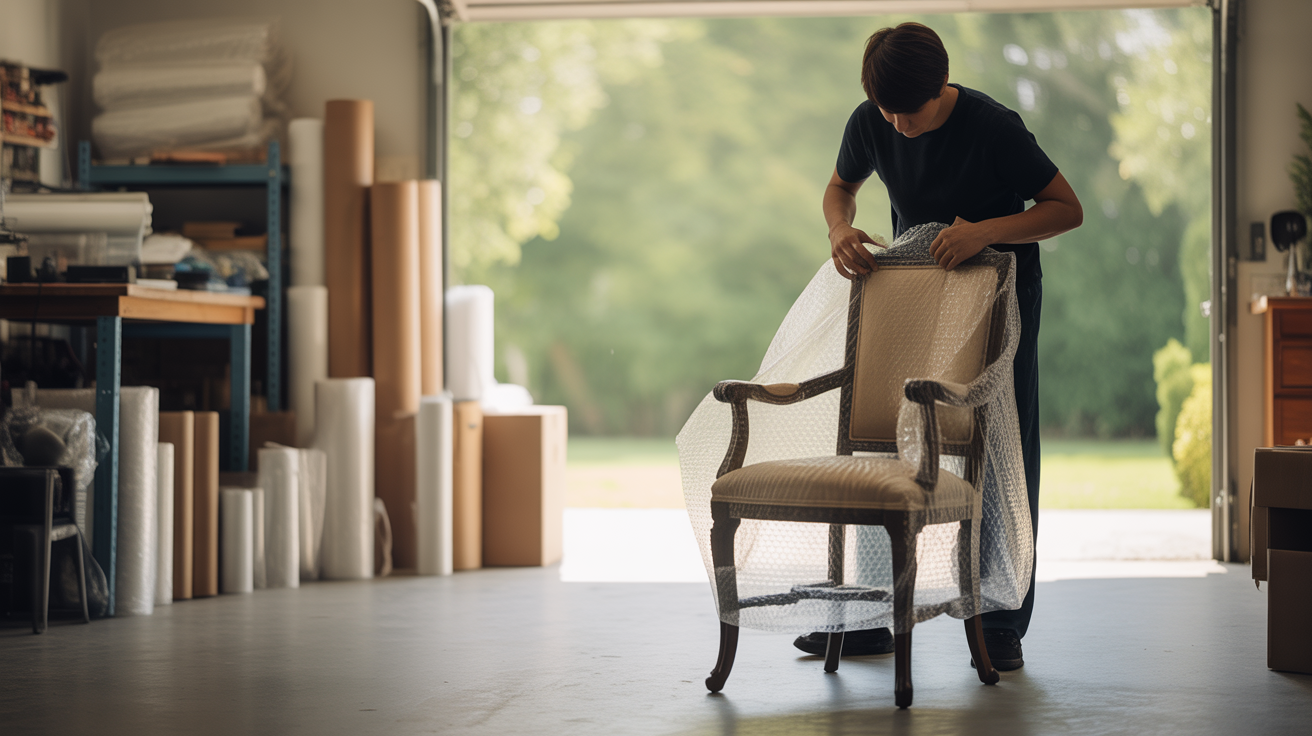
- Furniture (sofas, beds, tables, chairs)
- Seasonal decorations and clothing
- Sports equipment (skis, bikes, golf clubs)
- Books, records, and media collections
- Kitchen appliances and cookware
- Tools and workshop equipment (without fuel or batteries)
- Business files and inventory
- Recreational vehicles (in designated parking areas)
Learn more about our facility security features that protect your permitted belongings, including gated access, LED lighting, and surveillance cameras.
Frequently Asked Questions
Can I store my car or vehicle in a storage unit?
Standard enclosed storage units cannot accommodate vehicles due to size constraints and ventilation requirements. However, many facilities offer designated vehicle parking spaces for cars, trucks, boats, and RVs. At Estes Park Storage, our outdoor vehicle parking options can accommodate cars, trucks, boats, motorcycles, and trailers. Check the live rental page for current availability and pricing before reserving.
What happens if I store prohibited items in a storage unit?
Consequences include immediate lease termination, cleanup fees of $200 to $2,000, denial of any insurance claims, and potential legal liability for damage to other customers' belongings. Serious violations involving illegal items result in law enforcement involvement and potential criminal charges.
Are climate-controlled storage units better for sensitive items?
Climate-controlled units maintain temperatures between 55 and 80 degrees Fahrenheit, protecting wood furniture, electronics, photographs, and documents from temperature and humidity damage. These units cost 20 to 50 percent more than standard units but prevent warping, cracking, mold, and deterioration of sensitive materials.
Can I store opened cleaning supplies or partially used paint?
No. Opened containers pose greater leak and spill risks than sealed products. Partially used paint cans allow air exposure that changes product consistency and increases fire risk for oil-based paints. Dispose of these items through local hazardous waste programs before moving belongings to storage.
What insurance options are available for stored items?
Most storage facilities offer tenant protection plans ranging from $10 to $30 monthly, covering $2,000 to $10,000 in belongings. Homeowners and renters insurance policies often extend coverage to storage units. Review policy exclusions carefully, as most exclude damage from prohibited items, pests, and gradual deterioration.
|