V
isitors to Rocky Mountain National Park need secure storage options within 5 miles of the park entrance for gear, vehicles, and equipment. Estes Park offers drive-up storage units from $105 to $255 per month and open parking spaces from $115 per month, all with 24/7 gated access and video surveillance for year-round security.
Why Park Visitors Need Local Storage Solutions
Rocky Mountain National Park attracts over 4.5 million visitors annually, with peak season running from June through September. Many visitors arrive with camping gear, kayaks, bicycles, and recreational equipment that cannot remain in vehicles during day hikes. Temperatures inside parked cars can exceed 120 degrees Fahrenheit in summer, damaging electronics and heat-sensitive items.
Extended backcountry trips lasting 3-7 days require secure locations for extra supplies and valuables. Bear activity in the park means food and scented items must be properly stored, and leaving gear unattended at trailheads invites theft. A secure storage unit in Estes Park solves these problems while keeping belongings within a 10-minute drive of major park access points.
Storage Options Available Near the Park
Estes Park storage facilities offer several unit types designed for different visitor needs. Understanding your options helps you choose the right solution without overpaying for unnecessary space.
Drive-Up Storage Units
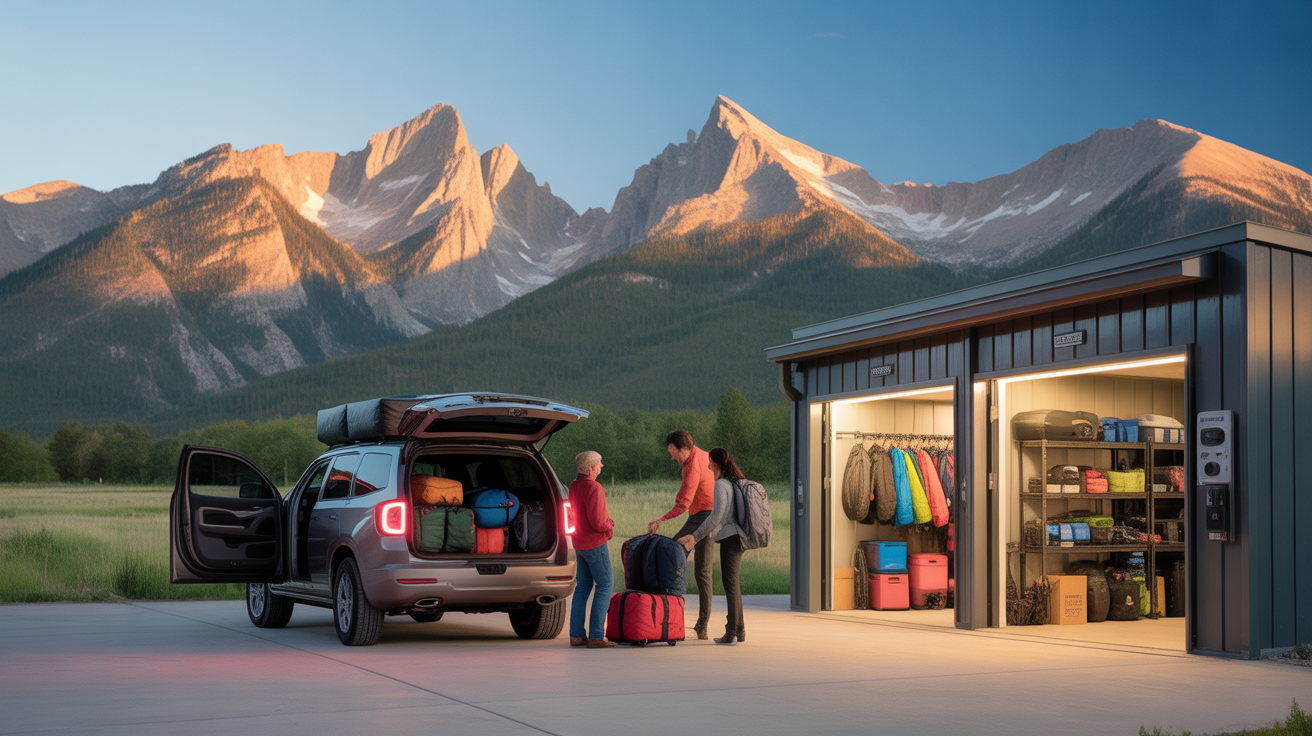
Drive-up units provide ground-level access, allowing you to pull your vehicle directly to the unit door. This design makes loading and unloading heavy camping equipment, coolers, and outdoor gear significantly easier than traditional indoor units with hallways and elevators.
A 5x10 drive-up unit
(50 square feet) holds camping gear for 2-4 people, bicycles, coolers, and several storage bins. At Estes Park Storage, these units rent for $105 per month. This size works well for weekend warriors and families making multiple park visits throughout the season.
A 10x10 drive-up unit
(100 square feet) accommodates larger equipment including kayaks up to 12 feet, multiple bicycles, extensive camping setups, and seasonal furniture. The standard rate is $255 per month. Adventure tour operators and frequent visitors often select this size for its versatility.
Vehicle and Trailer Parking
10x20 open parking spaces
provide secure locations for vehicles, boats, motorcycles, and trailers. At $115 per month, these spaces offer an affordable alternative to leaving vehicles at trailheads or paying daily parking fees. Visitors towing boats to nearby lakes or bringing motorcycles for scenic drives benefit most from dedicated parking.
Security Features That Protect Your Belongings
Storing valuable outdoor equipment requires confidence in facility security. When evaluating storage options near Rocky Mountain National Park, prioritize facilities with multiple security layers.
Access Control Systems
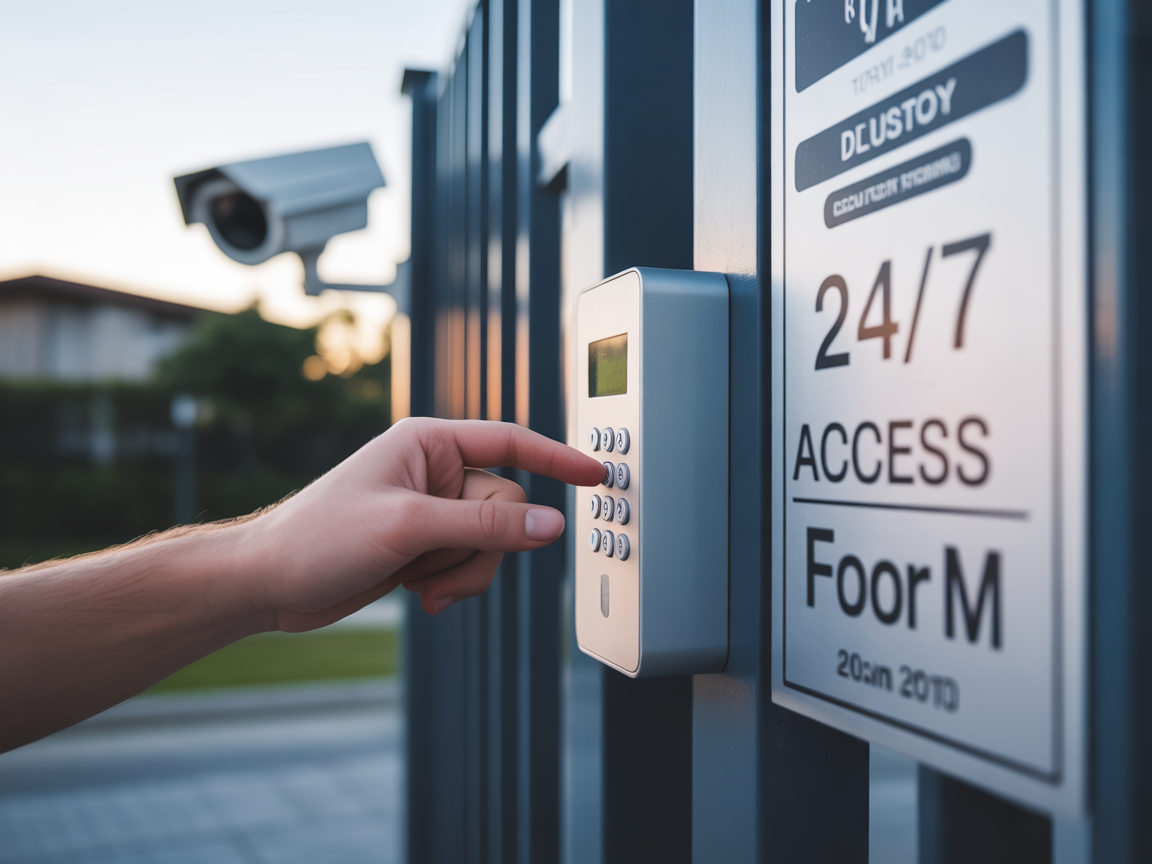
Gated access with individual entry codes restricts facility entry to current renters only. Each access event creates a digital log, providing accountability and tracking. The security measures at Estes Park Storage
include gated entry requiring personalized codes, ensuring only authorized individuals enter the property.
Surveillance and Lighting
24/7 surveillance cameras monitor facility grounds, creating visual records of all activity. LED lighting throughout the property eliminates dark areas where theft or vandalism might occur undetected. Well-lit facilities also improve safety during early morning or late evening access, common times for park visitors retrieving gear before dawn hikes.
Around-the-Clock Access
Park visitors operate on unpredictable schedules. Sunrise photography sessions require 4 AM gear retrieval. Late returns from backcountry trips happen after dark. Facilities offering 24/7 access accommodate these irregular schedules without restricting when you can reach your belongings.
Choosing the Right Storage Size for Your Needs
Selecting appropriate storage size prevents paying for unused space while ensuring everything fits. Consider your specific equipment and visit frequency when making this decision.
Not sure which size fits your needs? The storage unit size guide
provides detailed recommendations based on specific item types and quantities.
Seasonal Storage Considerations in Estes Park
Mountain weather creates unique storage challenges that differ from lower elevation locations. Understanding these factors helps protect your belongings throughout the year.
Summer Season (June through September)
Peak visitation coincides with the most stable weather conditions. Daytime temperatures range from 70 to 85 degrees Fahrenheit, dropping to 40-50 degrees at night. Standard drive-up units adequately protect most outdoor equipment during these months. Demand for storage peaks in July and August, so reserving units 2-4 weeks in advance is recommended.
Shoulder Seasons (April through May, October through November)
Temperature swings become more dramatic, with potential for snow at any time. Daytime highs may reach 60 degrees while overnight lows drop below freezing. Visitors storing items during these periods should consider how temperature fluctuations affect their specific equipment.
Winter Season (December through March)
Temperatures regularly drop below zero, and snow accumulation affects facility access. Visitors storing vehicles or equipment long-term should verify facility plowing schedules and access road conditions. Some items, including certain batteries and liquids, require indoor storage during extreme cold.
Common Storage Scenarios for Park Visitors
Understanding how other visitors use local storage helps identify solutions for your specific situation.
Multi-Day Backpacking Trips
Backpackers heading into the wilderness for 3-10 days need secure storage for extra food, backup gear, and valuables that cannot accompany them on the trail. A 5x10 unit holds supplies for multiple trips throughout the season while keeping items protected from weather and wildlife.
Day Hikers with Overflow Gear
Families and groups often bring more equipment than fits in their vehicle while hiking. Storing extra coolers, camp chairs, and recreational items in a nearby unit allows comfortable day trips without cramped vehicle conditions or concerns about trailhead theft.
Photography and Filming Equipment
Professional photographers and videographers working in the park carry thousands of dollars in sensitive equipment. Secure storage provides a base of operations for swapping lenses, charging batteries, and protecting gear between shooting locations. The 24/7 access accommodates pre-dawn and post-sunset shooting schedules.
Seasonal Residents and Extended Visitors
Visitors staying in vacation rentals or campgrounds for weeks or months often need additional space beyond their temporary accommodations. Month-to-month rental flexibility allows storage duration matching trip length without long-term contract commitments.
Vehicle Storage for Park Visitors
Storing vehicles near Rocky Mountain National Park serves several practical purposes for different visitor types.
Tow Vehicle Storage
Visitors arriving with trailers, boats, or campers often prefer exploring the park without towing their full rig. A secure parking space holds the tow vehicle while the primary vehicle navigates mountain roads and crowded parking areas. This approach reduces fuel consumption and simplifies parking at popular trailheads.
Motorcycle and Recreational Vehicle Storage
Motorcyclists riding scenic byways near the park benefit from secure overnight storage rather than leaving bikes exposed at hotels or campgrounds. The open parking spaces accommodate motorcycles, ATVs, and similar recreational vehicles at lower cost than enclosed units.
Long-Term Vehicle Storage
Some visitors fly into Denver, rent vehicles for park exploration, then store personal vehicles during extended stays. Others leave vehicles while embarking on multi-week backpacking or climbing expeditions. Secure parking with surveillance provides peace of mind during extended absences.
Rental Flexibility and Booking Process
Storage needs for park visitors vary dramatically in duration and timing. Understanding rental terms helps match storage commitments to actual needs.
Month-to-Month Rentals
Most Estes Park storage facilities, including Estes Park Storage, offer month-to-month rental agreements without long-term contracts. This flexibility allows visitors to rent storage for exactly the duration needed, whether a single month or an entire season. Cancellation typically requires 30 days notice.
Online Rental Savings
Estes Park Storage offers online rental savings when you reserve through the website. Renting online takes about 60 seconds and lets you move in immediately, which is especially useful during peak summer months when unit availability tightens.
Reservation and Move-In Process
Reserving a unit typically requires basic contact information and payment method. Most facilities allow same-day or next-day move-in after completing rental agreements. During peak summer months, calling ahead 1-2 weeks ensures unit availability in preferred sizes.
Location Advantages of Estes Park Storage
Geographic positioning significantly impacts storage utility for park visitors. Facilities located in Estes Park proper offer distinct advantages over alternatives in surrounding communities.
Proximity to Park Entrances
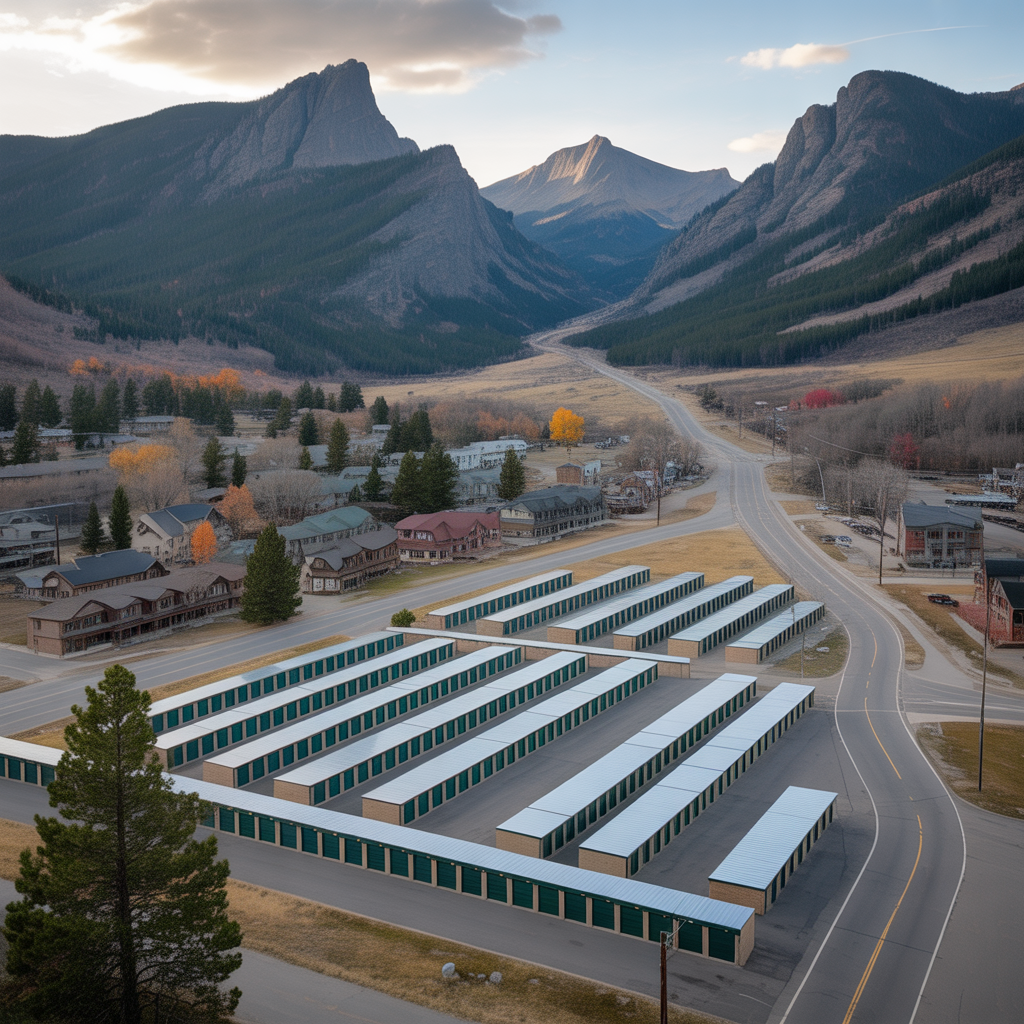
Estes Park sits at the eastern gateway to Rocky Mountain National Park, with the Beaver Meadows entrance approximately 3 miles from downtown. Storage facilities on Woodstock Drive position renters within 5-10 minutes of major park access points, minimizing travel time when retrieving or storing equipment.
Access to Town Services
Estes Park provides essential services including grocery stores, outdoor equipment retailers, restaurants, and fuel stations. Locating storage in town allows combining gear retrieval with supply runs, maximizing efficiency during limited vacation time.
Elevation Considerations
At 7,522 feet elevation, Estes Park experiences milder conditions than higher park locations while remaining acclimated to mountain weather patterns. Storage facilities at this elevation avoid the extreme temperature swings and heavy snowfall common at higher elevations within the park boundaries.
Frequently Asked Questions
Can I access my storage unit at any time?
Yes, facilities with 24/7 access allow unit entry at any hour. This accommodates early morning gear retrieval before sunrise hikes and late evening returns after extended backcountry trips. Your personal access code works around the clock.
What security measures protect stored items?
Comprehensive security includes gated access requiring individual codes, surveillance cameras monitoring facility grounds, and LED lighting eliminating dark areas. These layered measures deter theft and provide documentation if incidents occur.
How far is storage from Rocky Mountain National Park?
Storage facilities in Estes Park sit 3-5 miles from the Beaver Meadows and Fall River park entrances. Drive time ranges from 5-15 minutes depending on traffic conditions, which can be significant during peak summer weekends.
Can I store my boat or trailer?
Open parking spaces measuring 10x20 feet accommodate boats, trailers, RVs, and oversized vehicles. These spaces provide paved surfaces with the same security features as enclosed units at lower monthly rates.
What size unit do I need for camping gear?
A 5x10 unit holds camping equipment for 2-4 people including tent, sleeping bags, cooking gear, coolers, and 2-4 bicycles. Larger groups or those with kayaks and extensive equipment should consider 10x10 units for adequate space.
Are there contracts or can I rent month-to-month?
Month-to-month rentals provide flexibility for seasonal visitors without long-term commitments. You can rent for exactly the duration needed, canceling with standard 30-day notice when your storage needs end.
Planning Your Storage Needs
Effective storage planning starts with inventorying your equipment and estimating visit frequency. Create a list of items requiring secure storage, measure larger pieces like kayaks or bicycles, and calculate total volume needed.
Consider whether your needs change throughout the season. A smaller unit might suffice during shoulder seasons when you bring less gear, while peak summer visits with full camping setups require more space. Some visitors maintain year-round units, adjusting contents seasonally.
Contact facilities directly to discuss specific needs and verify current availability. Staff can recommend appropriate unit sizes based on your equipment list and provide guidance on seasonal demand patterns affecting reservation timing.
Store near Rocky Mountain National Park
Estes Park Storage at 1210 Woodstock Dr is minutes from RMNP. Rent a unit online, explore RV storage and boat storage, or call (970) 586-6811.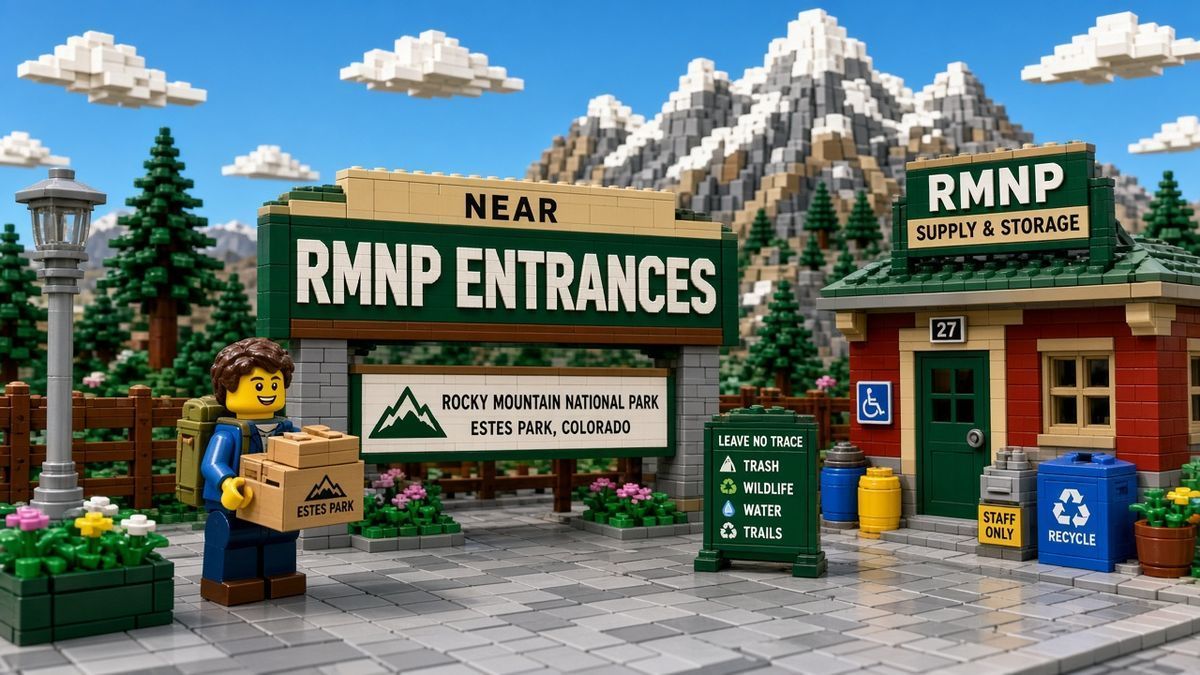
Drive times from Estes Park Storage on Woodstock Dr to Beaver Meadows and Fall River RMNP entrances, with winter notes and soft rent-online next steps.

Compare Estes Park storage at 1210 Woodstock Dr vs driving down to Loveland. Drive times from Loveland and Longmont, RMNP lifestyle fit, and soft rent-online next steps.

Learn proven strategies to maximize your 10x10 storage unit space. Fit 50% more with vertical shelving, smart stacking, and professional organization tips.

A 3 bedroom house typically needs a 10x20 storage unit (200 sq ft). Learn exactly what fits, cost factors, and how to choose the right size for your move.
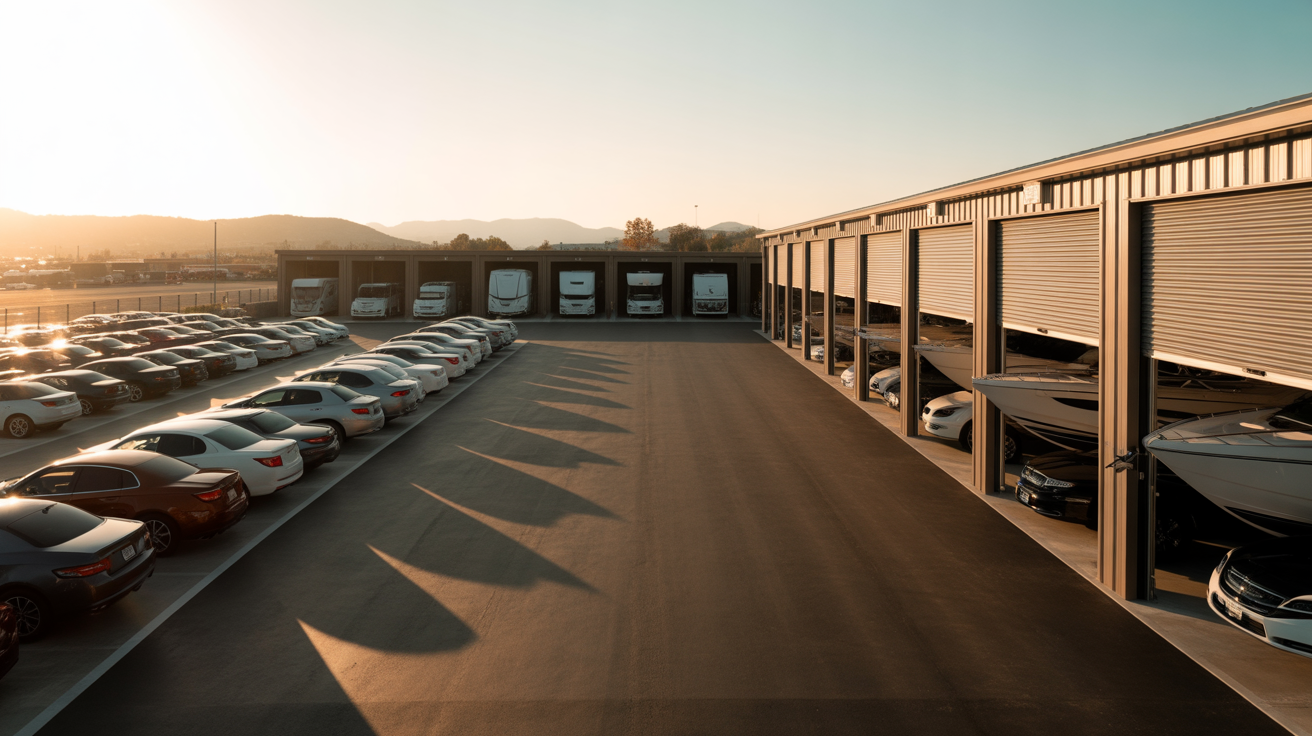
Vehicle storage costs $50-$300/month depending on type. Compare 2026 pricing for cars, RVs, and boats with indoor, outdoor, and covered storage options.

Learn proven inventory management and access strategies for business storage. ABC analysis, FIFO methods, and organization tips to streamline operations.
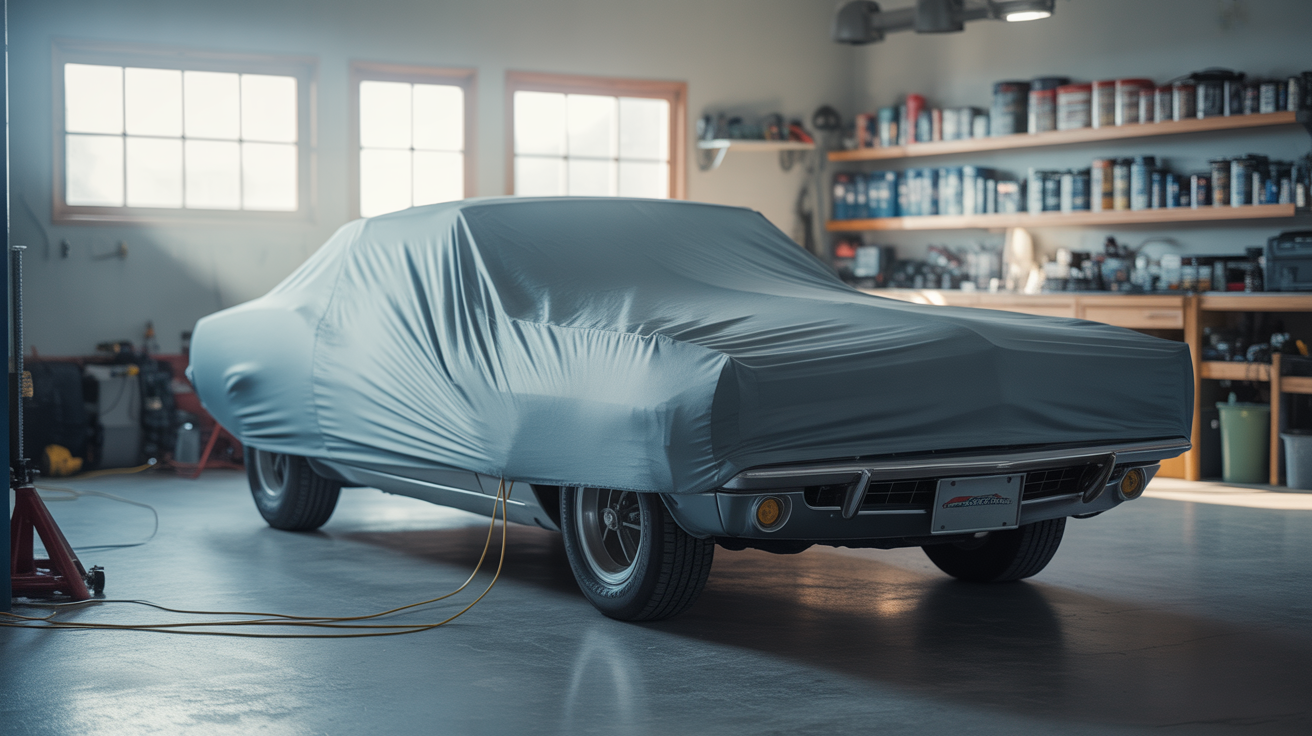
Complete 6-step vehicle storage checklist covering battery care, tire protection, fluid management, and pest prevention. Expert tips for 30+ day storage.

Learn proven techniques to pack and store furniture without scratches, warping, or mold. Step-by-step guide with materials list and expert storage tips.
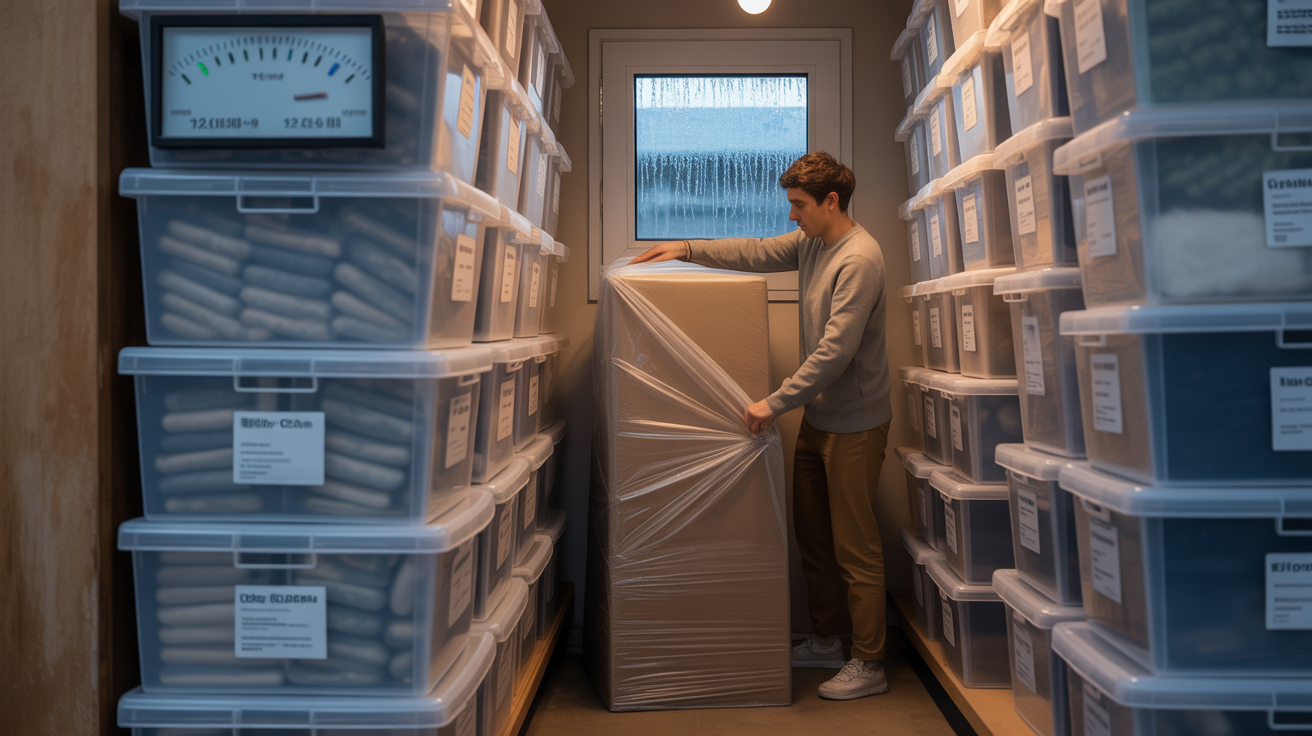
Learn how to protect belongings from cold damage in storage. Complete guide covers moisture control, temperature tips, and item-specific preparation steps.

Compare the best college student summer storage options: self-storage units ($50-150/mo), pickup services ($150-400), and university programs. Find your fit.