B
oat storage in Estes Park costs between $115 and $315 per month for outdoor parking spaces, depending on the space size your boat and trailer need, with limited indoor options available within town limits. Most boat owners in the Estes Park area use local outdoor parking facilities or travel 20 to 25 miles to Loveland for expanded climate-controlled options, particularly during Colorado's harsh winter months when temperatures regularly drop below 0°F.
Boat Storage Options Available Near Estes Park
Estes Park's mountain location creates unique storage challenges for boat owners. The town sits at 7,522 feet elevation, where winter temperatures frequently plunge below freezing from October through April. This climate demands proper storage solutions to protect your watercraft investment.
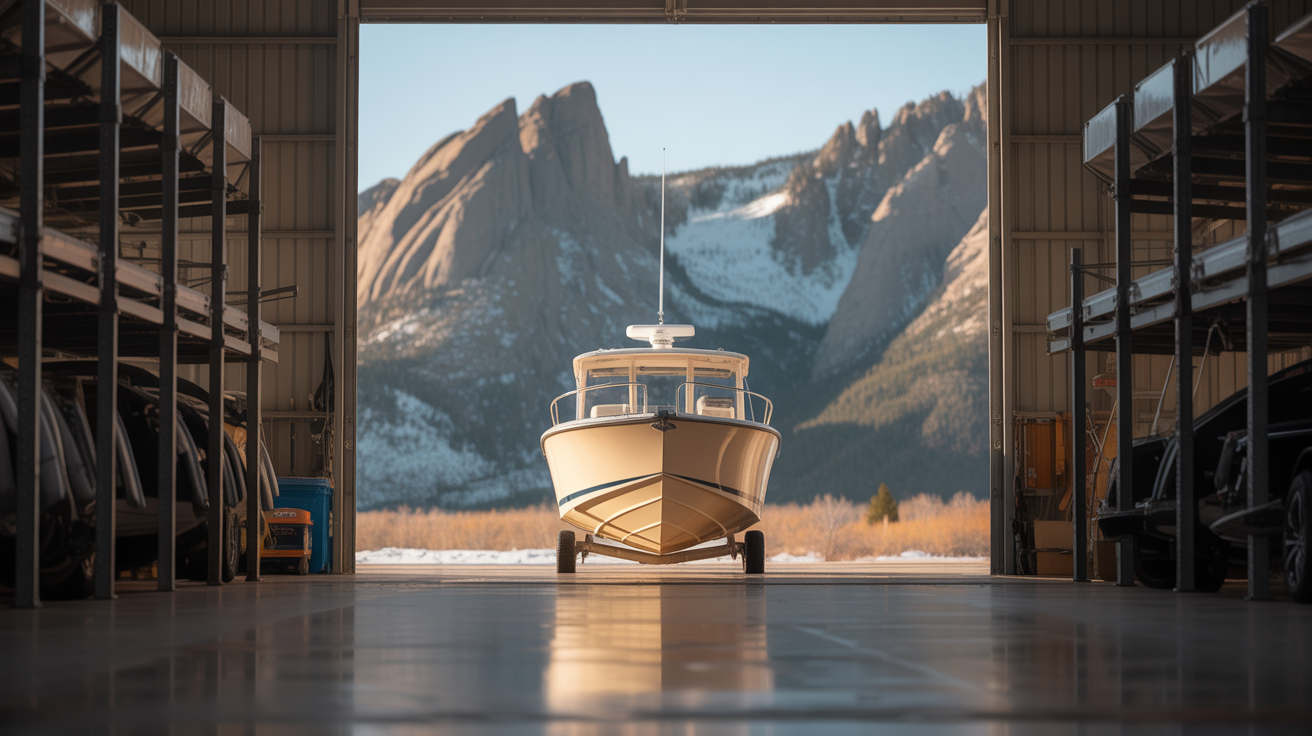
Local storage facilities primarily offer outdoor parking spaces suitable for trailered boats. These paved, open-air spaces accommodate boats of various sizes and provide the most cost-effective storage solution for the area. For boat owners needing more protection, the nearest indoor and climate-controlled options require a drive to Loveland or Fort Collins.
Outdoor Parking Storage
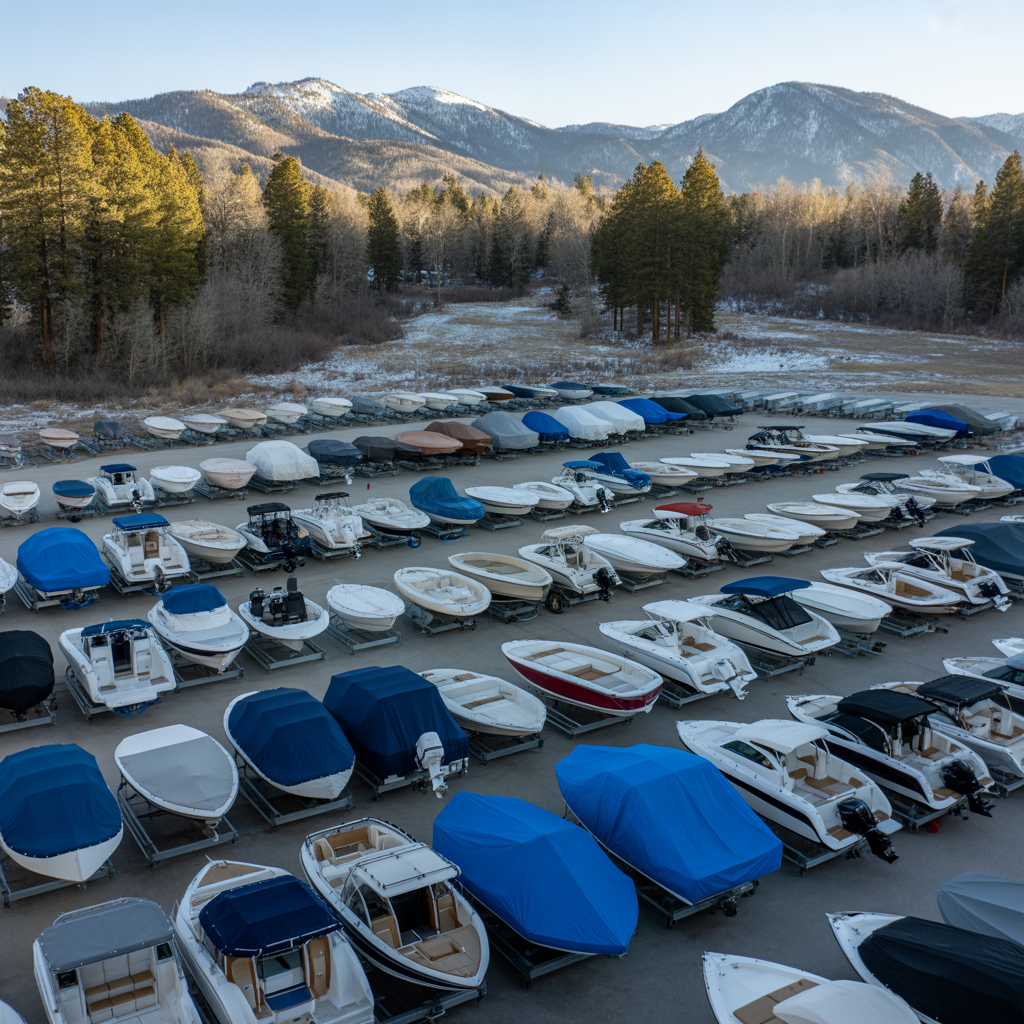
Open parking spaces represent the most accessible and affordable boat storage option in Estes Park. A standard 10x20 parking space costs $115 per month
, and larger 10x25 spaces run $125 per month. These spaces work well for trailered boats that owners properly winterize and cover.
Outdoor storage facilities in the area typically include gated access with keypad entry, LED security lighting, and surveillance camera systems. These features provide peace of mind during the off-season when you may not visit your boat for weeks or months at a time.
Drive-Up Storage Units for Smaller Watercraft
Kayaks, canoes, inflatable boats, and smaller personal watercraft fit comfortably in drive-up storage units. A 10x10 storage unit
provides 100 square feet of enclosed, protected space for approximately $275 per month. These units offer ground-level access for easy loading and unloading.
Enclosed storage protects smaller watercraft from UV damage, dust accumulation, and curious wildlife. The enclosed space also prevents the rubber and fabric components on inflatable boats from degrading as quickly as they would in direct sunlight.
Seasonal Storage Costs Comparison
Understanding the true cost of boat storage requires looking beyond monthly rates. Different storage types offer varying levels of protection, and the right choice depends on your boat type, storage duration, and budget.
- Open Parking (Estes Park): $115-$315 per month, $690-$1,890 for six months. Best for trailered boats with covers.
- Enclosed Unit (10x10): $275 per month, $1,650 for six months. Best for kayaks, canoes, and PWC.
- Covered Storage (Loveland): $150-$250 per month, $900-$1,500 for six months. Best for boats without covers.
- Climate-Controlled (Loveland): $200-$400 per month, $1,200-$2,400 for six months. Best for high-value boats and electronics.
Winterizing Your Boat for Estes Park Storage
Proper winterization is non-negotiable for boat storage in Estes Park. The area experiences approximately 150 days per year with temperatures below freezing, and winter lows can reach minus 20°F. Water left in any system will freeze, expand, and crack engine blocks, water pumps, and plumbing lines.
Essential Winterization Steps
Complete these tasks before placing your boat in storage for any period exceeding two weeks during cold months:
- Drain all water systems completely , including the engine cooling system, freshwater tanks, and any onboard plumbing
- Add fuel stabilizer to a full tank of gas to prevent ethanol separation and fuel degradation over 3 to 6 months
- Fog the engine with storage oil to coat internal components and prevent corrosion
- Remove the battery and store it in a temperature-controlled location, maintaining charge with a trickle charger
- Change the oil and filter to remove acidic contaminants that cause corrosion during storage
- Apply antifreeze to any systems that cannot be fully drained
Protecting Against Snow and Moisture
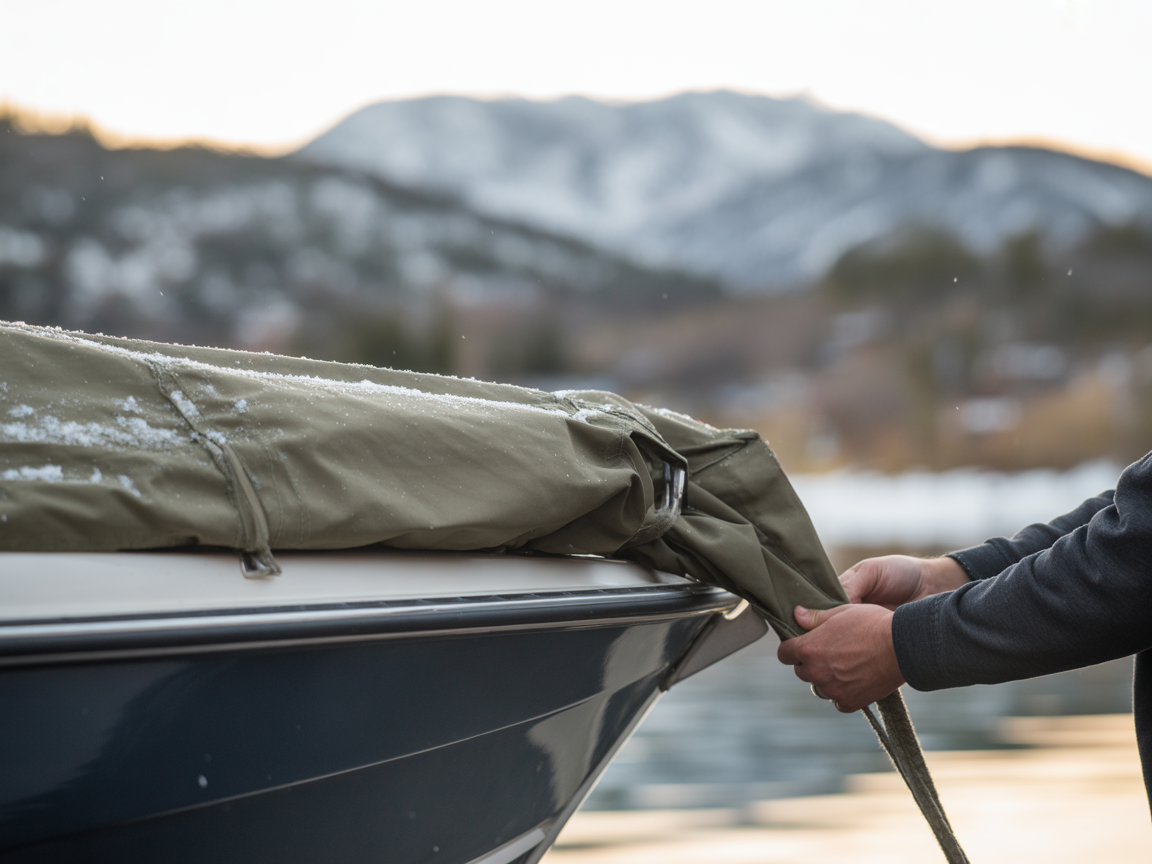
Estes Park receives an average of 45 inches of snow annually, with individual storms sometimes depositing 12 to 18 inches. A quality boat cover rated for snow loads prevents accumulation damage and keeps moisture out of the cockpit and cabin areas.
Invest in a cover with reinforced seams and a design that allows water runoff rather than pooling. Support poles inside the boat create a peaked shape that sheds snow naturally. Check your cover monthly during winter to remove accumulated snow before it exceeds the cover's weight rating, typically 10 to 15 pounds per square foot.
How Much Does It Cost to Store a Boat Year-Round?
Year-round boat storage in the Estes Park area ranges from $1,380 to $3,780 annually
for outdoor parking, depending on the space size your boat and trailer need.
Budget-conscious boat owners can reduce costs by choosing the smallest space that safely fits their boat and trailer, storing only during the off-season, and renting online to lock in the best available rate.
Additional annual costs to factor into your budget include winterization services ($150 to $400 if professionally done), quality boat covers ($200 to $800), and any repairs needed from storage-related issues. Total annual ownership costs for storing a boat typically run $1,200 to $3,000 beyond the storage rental itself.
Is It Okay to Store a Boat Outside in Winter?
Storing a boat outside during Colorado winters is acceptable when you follow proper preparation protocols. Thousands of boat owners in the Rocky Mountain region successfully store their watercraft outdoors year after year without significant damage. The key factors are thorough winterization, quality covers, and regular inspections.
Outdoor winter storage works best for fiberglass and aluminum boats that tolerate temperature fluctuations well. These materials expand and contract with temperature changes without cracking or warping. Wooden boats and those with extensive interior upholstery benefit more from covered or indoor storage where temperature swings are less extreme.
Risks of Outdoor Winter Storage
The primary risks include moisture intrusion, UV degradation, and wildlife damage. Moisture that enters through imperfect covers can freeze inside the boat, potentially damaging upholstery, electronics, and wooden components. UV rays, intensified at Estes Park's elevation, break down gel coat finishes and plastic components over time.
Rodents seeking winter shelter often target stored boats, chewing through wiring, upholstery, and hoses. Prevent infestations by removing all food items, placing mothballs or peppermint oil deterrents throughout the boat, and blocking any potential entry points with steel wool.
Storage Unit Size Requirements for Different Boats
Matching your boat to the right storage space prevents damage and unnecessary expense. Enclosed storage units work for smaller watercraft, while larger boats require outdoor parking spaces or specialized facilities.
- Kayaks and Canoes (8-17 feet): 5x10 or 10x10 unit.
- Personal Watercraft (9-12 feet): 10x10 unit or 10x20 parking space.
- Small Fishing Boats (12-16 feet): 10x20 parking space.
- Pontoon Boats (16-24 feet): 10x25 or larger parking.
- Ski and Wake Boats (19-24 feet): 15x70 parking space.
When calculating space needs, add 3 to 4 feet to your boat's length to account for the trailer tongue. Width measurements should include any accessories like rod holders, swim platforms, or mounted electronics that extend beyond the hull.
Security Features to Look For in Boat Storage
Boats represent significant investments, with even modest fishing boats costing $15,000 to $30,000. Protecting this investment requires storage facilities with comprehensive security measures.
Essential security features include gated access with individual keypad codes, perimeter fencing at least 6 feet high, LED lighting throughout the facility, and 24/7 video surveillance with recording capabilities. Some facilities also offer on-site management or regular security patrols. Learn more about facility security features
when evaluating storage options.
Insurance considerations also matter for stored boats. Verify that your boat insurance policy covers the watercraft while in storage, and understand any requirements the policy places on storage facility security. Some insurers offer discounts for boats stored in facilities meeting specific security standards.
Accessing Your Boat During Storage
Convenient access matters even during the off-season. You may need to retrieve gear, perform maintenance, or simply check on your boat's condition. Look for storage facilities offering 24/7 access through secure keypad entry systems.
Plan monthly inspections during winter storage to check cover integrity, look for signs of rodent activity, and ensure no moisture has accumulated inside the boat. These brief visits, typically 15 to 30 minutes each, can prevent small issues from becoming expensive repairs.
Local Boating Destinations Near Estes Park
Understanding local waterways helps you choose the right storage location and boat type for the area. Lake Estes, located in the heart of town, offers 185 surface acres for boating activities. The lake permits motorized boats with restrictions on engine size and speed, making it popular for fishing, pontoon cruising, and kayaking.
The Big Thompson River provides additional opportunities for kayaking and canoeing, though water levels vary significantly by season. Several reservoirs within an hour's drive, including Horsetooth Reservoir and Carter Lake, expand boating options for Estes Park residents willing to trailer their boats.
Storing your boat locally in Estes Park rather than at distant reservoirs saves time and fuel costs during boating season. A quick 10-minute drive to your storage facility beats a 45-minute trip to retrieve a boat stored elsewhere.
Frequently Asked Questions About Boat Storage
What are the cheapest boat storage options near Estes Park in winter?
Open parking spaces at local storage facilities offer the lowest rates, starting at $115 per month. For budget-conscious storage, choose outdoor parking combined with a quality boat cover and thorough winterization. This approach costs $690 to $750 for a six-month winter storage period.
Does Estes Park have indoor climate-controlled boat storage?
Estes Park itself has limited indoor boat storage options due to the town's small size and zoning restrictions. Climate-controlled boat storage requires traveling to Loveland or Fort Collins, approximately 25 miles away. These facilities maintain temperatures between 55°F and 80°F year-round, protecting sensitive electronics and preventing moisture damage.
How do I protect my boat from snow and moisture in Estes Park storage?
Use a fitted, breathable boat cover rated for snow loads of at least 15 pounds per square foot. Install support poles to create a peaked shape that sheds snow and water. Apply moisture-absorbing products inside the cabin and check the cover monthly during winter to remove accumulated snow before it exceeds weight limits.
Can I store my boat trailer at storage facilities near Estes Park?
Yes, most boat storage involves storing the boat on its trailer. Parking spaces are specifically designed to accommodate boat and trailer combinations. Before storing, check trailer tire pressure (maintain at manufacturer specifications), grease wheel bearings, and consider placing the trailer on blocks to prevent flat spots on tires during extended storage.
Reserve boat & trailer storage near Lake Estes
Compare gated parking on our boat storage in Estes Park page, then rent online at checkout or call (970) 586-6811.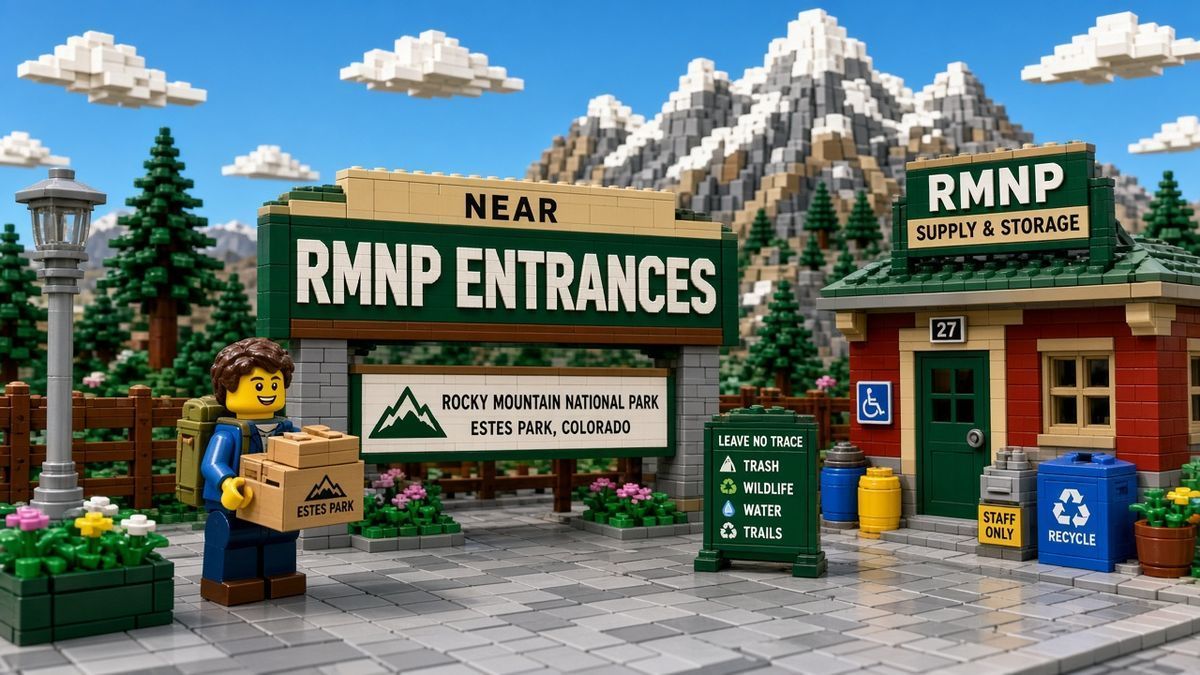
Drive times from Estes Park Storage on Woodstock Dr to Beaver Meadows and Fall River RMNP entrances, with winter notes and soft rent-online next steps.

Compare Estes Park storage at 1210 Woodstock Dr vs driving down to Loveland. Drive times from Loveland and Longmont, RMNP lifestyle fit, and soft rent-online next steps.

Learn proven strategies to maximize your 10x10 storage unit space. Fit 50% more with vertical shelving, smart stacking, and professional organization tips.
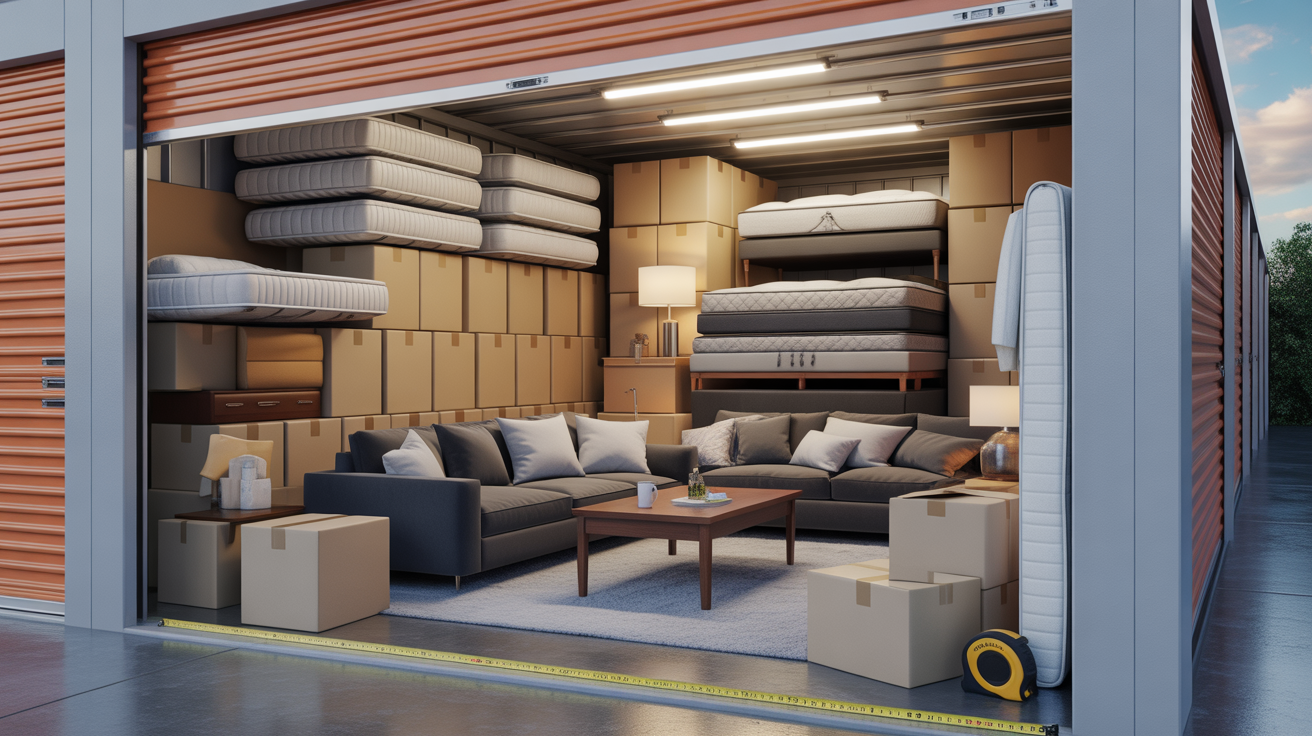
A 3 bedroom house typically needs a 10x20 storage unit (200 sq ft). Learn exactly what fits, cost factors, and how to choose the right size for your move.
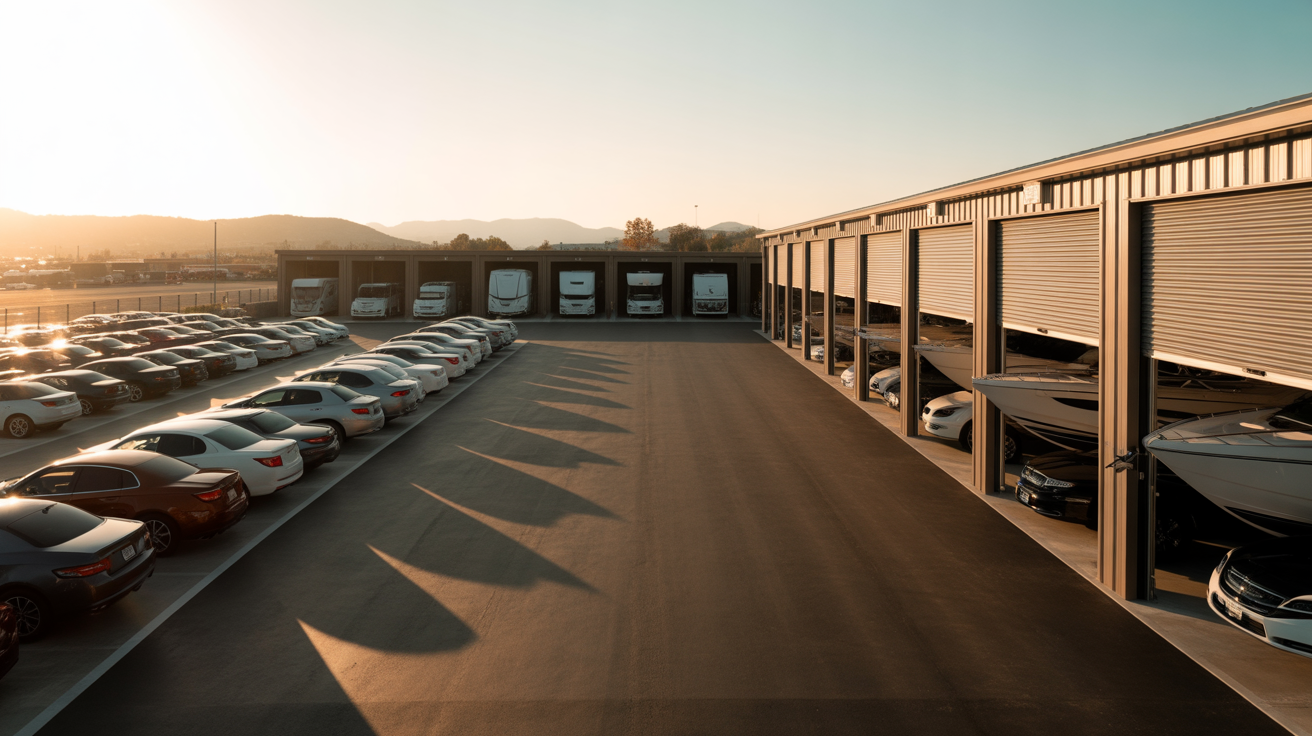
Vehicle storage costs $50-$300/month depending on type. Compare 2026 pricing for cars, RVs, and boats with indoor, outdoor, and covered storage options.

Learn proven inventory management and access strategies for business storage. ABC analysis, FIFO methods, and organization tips to streamline operations.
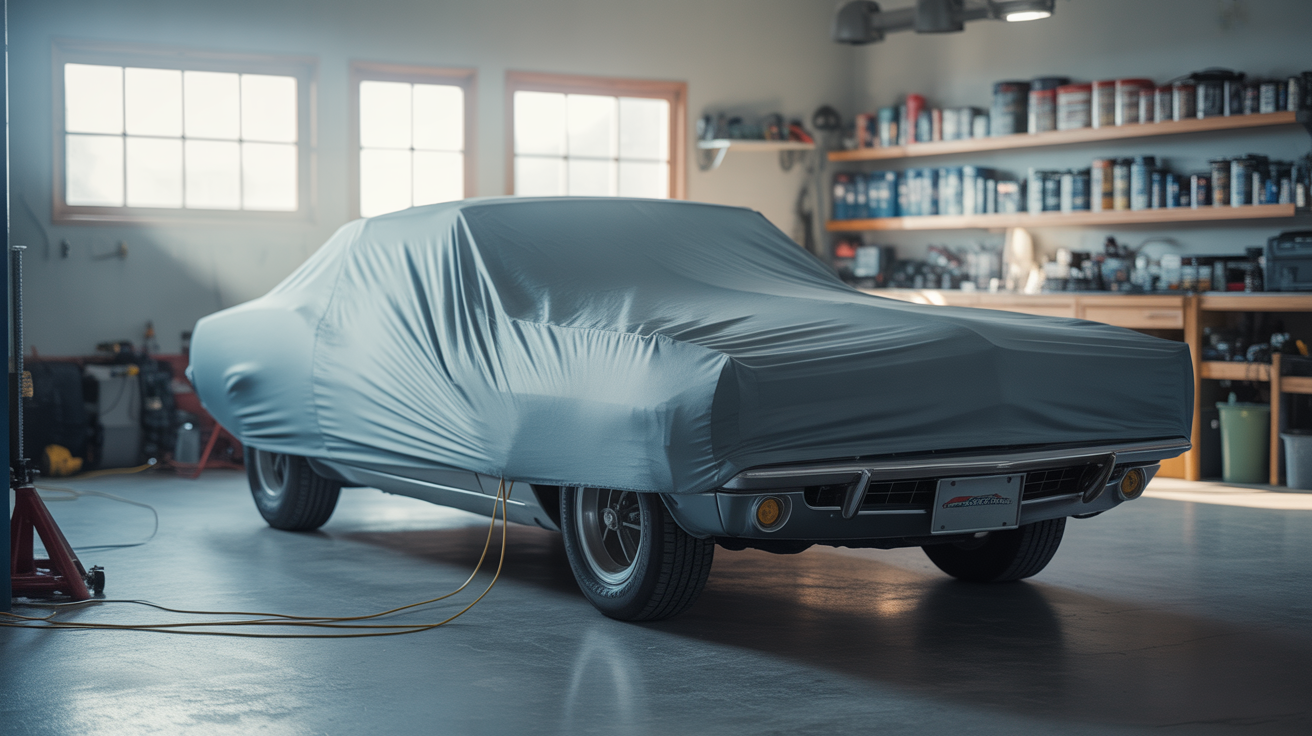
Complete 6-step vehicle storage checklist covering battery care, tire protection, fluid management, and pest prevention. Expert tips for 30+ day storage.
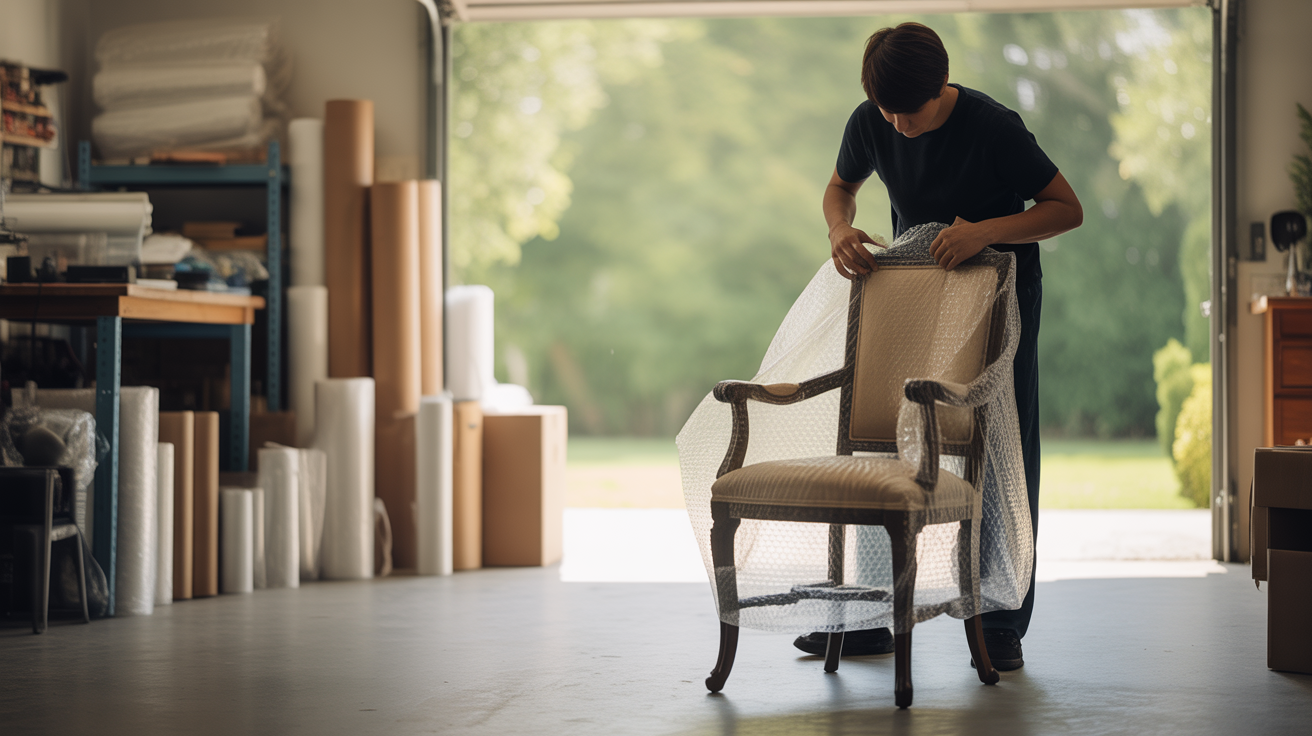
Learn proven techniques to pack and store furniture without scratches, warping, or mold. Step-by-step guide with materials list and expert storage tips.
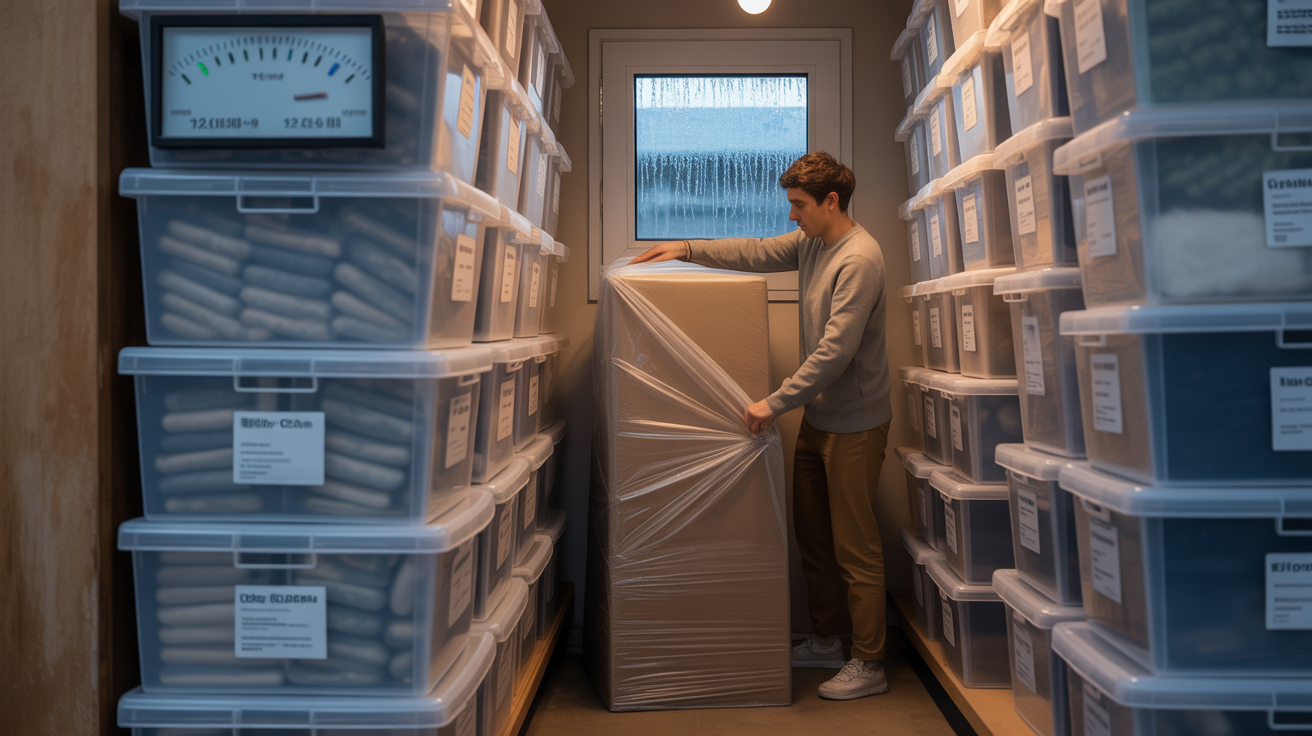
Learn how to protect belongings from cold damage in storage. Complete guide covers moisture control, temperature tips, and item-specific preparation steps.

Compare the best college student summer storage options: self-storage units ($50-150/mo), pickup services ($150-400), and university programs. Find your fit.