How to Store Holiday Decorations in a Storage Unit |
| HOW TO STORE HOLIDAY DECORATIONS IN A STORAGE UNIT
⏱ 13 min read ·
📄 #2,408 words
Learn how to store holiday decorations in a storage unit with expert packing tips, organization systems, and climate control advice to protect your items.
|
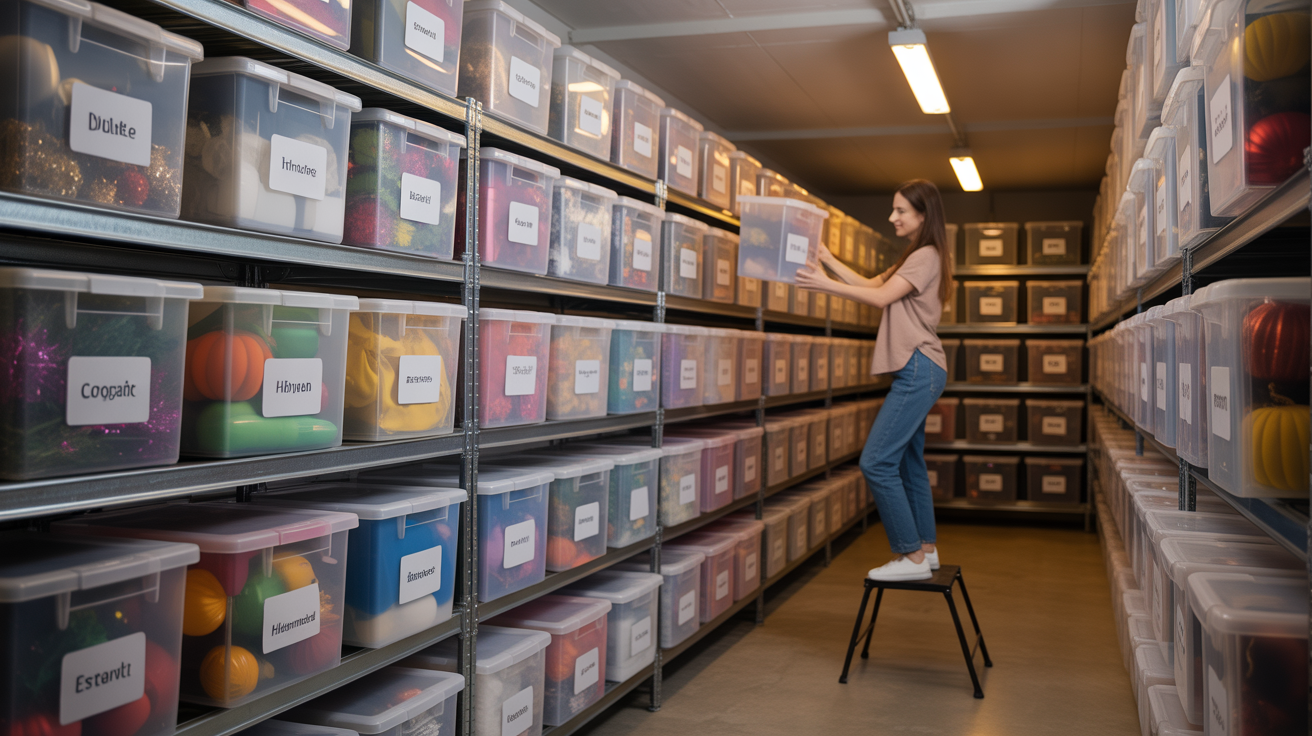
S tore holiday decorations in a storage unit by sorting items by holiday, packing fragile pieces in clear plastic bins with protective wrapping, labeling every container, and elevating bins 6 inches off the floor on pallets or shelves. Climate-controlled units between 55 and 80 degrees Fahrenheit protect delicate ornaments, fabrics, and wooden decor from damage caused by temperature swings and humidity.
| Key Points: | |
|---|---|
| • | Use clear plastic bins instead of cardboard to prevent moisture damage and pest intrusion |
| • | Elevate all containers at least 6 inches off the floor to protect against flooding and pests |
| • | Climate-controlled units (55 to 80 degrees Fahrenheit) prevent 70% of common decoration damage |
| • | Label bins by holiday, room, and contents to reduce setup time by up to 50% next season |
| • | A 5x10 unit ($95/month) stores decorations for a typical 3 to 4 bedroom home |
Prepare Your Decorations Before Storage
Effective storage starts before you pack a single ornament. Taking 30 to 60 minutes to sort and declutter prevents wasted space and makes next year's decorating faster. This preparation step alone can reduce your storage needs by 20 to 30 percent.
Sort and Declutter First
Empty all decoration boxes and sort items into four categories: keep, donate, discard, and repair. Throw away broken lights, cracked ornaments, and decorations you have not used in 3 or more years. Donate items in good condition that no longer match your style or space.
Check each light strand by plugging it in before storage. Replace burned-out bulbs now rather than discovering dead strands next November. Test inflatable decorations for leaks by running them for 15 minutes and checking seams.
Group Items by Category
Organize decorations by holiday first (Christmas, Halloween, Easter, Fourth of July), then by location (indoor, outdoor, tree-specific). Within each holiday, separate fragile items from durable ones. This system lets you grab exactly what you need without unpacking everything.
Create a master inventory list on your phone or a laminated card stored in your unit. Include the number of bins per holiday, special items, and any notes about condition. Update this list each year when you pack up decorations.
Choose the Right Storage Containers
Container selection directly impacts how well your decorations survive storage. The wrong containers lead to moisture damage, pest problems, and crushed ornaments. Invest in proper containers once and use them for years.
Clear Plastic Bins Beat Cardboard Every Time
Clear, stackable plastic bins with secure lids outperform cardboard boxes in every measurable way. Plastic resists moisture, keeps pests out, and lets you see contents without opening each container. Cardboard absorbs humidity, attracts insects, and collapses under weight over time.
Purchase bins in 2 to 3 standard sizes that stack securely. Matching sets create visual organization and stack more safely than mismatched containers. Expect to pay $8 to $25 per bin depending on size, with specialty ornament boxes running $15 to $40.
Specialty Containers for Specific Items
Ornament storage boxes with adjustable dividers protect glass and heirloom pieces better than general bins. These containers cost $20 to $45 but prevent the $50 to $200 replacement cost of broken family ornaments. Egg cartons work well for small, round ornaments in a pinch.
Wreath storage bags ($10 to $20) maintain shape and prevent crushing. Light reels or cardboard wrapping forms ($5 to $15 for a set) prevent tangled strands. Artificial tree bags ($20 to $50) protect branches and make transport easier than original boxes.
Pack Fragile Decorations Safely
Fragile items require individual attention during packing. Rushing this step leads to heartbreaking discoveries of shattered ornaments next season. Budget 2 to 3 hours for careful packing of a typical household's holiday collection.
Wrap Each Fragile Item Individually
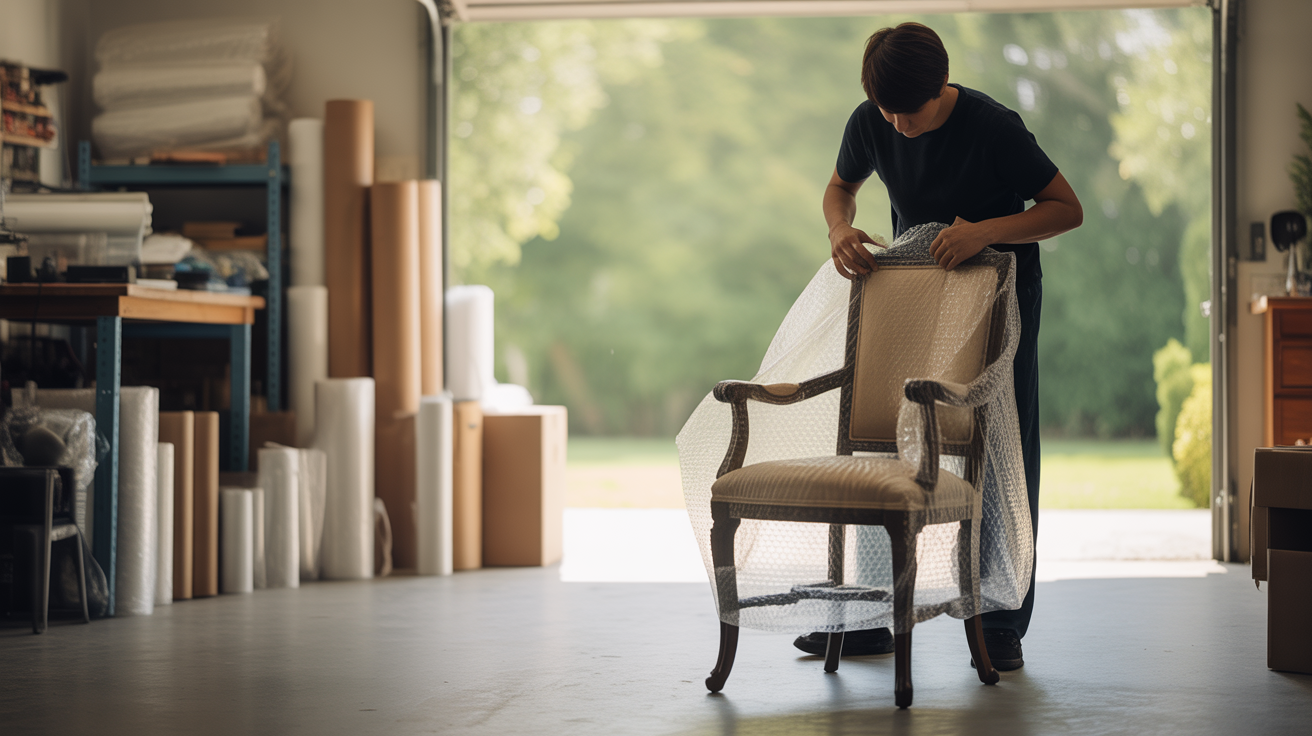
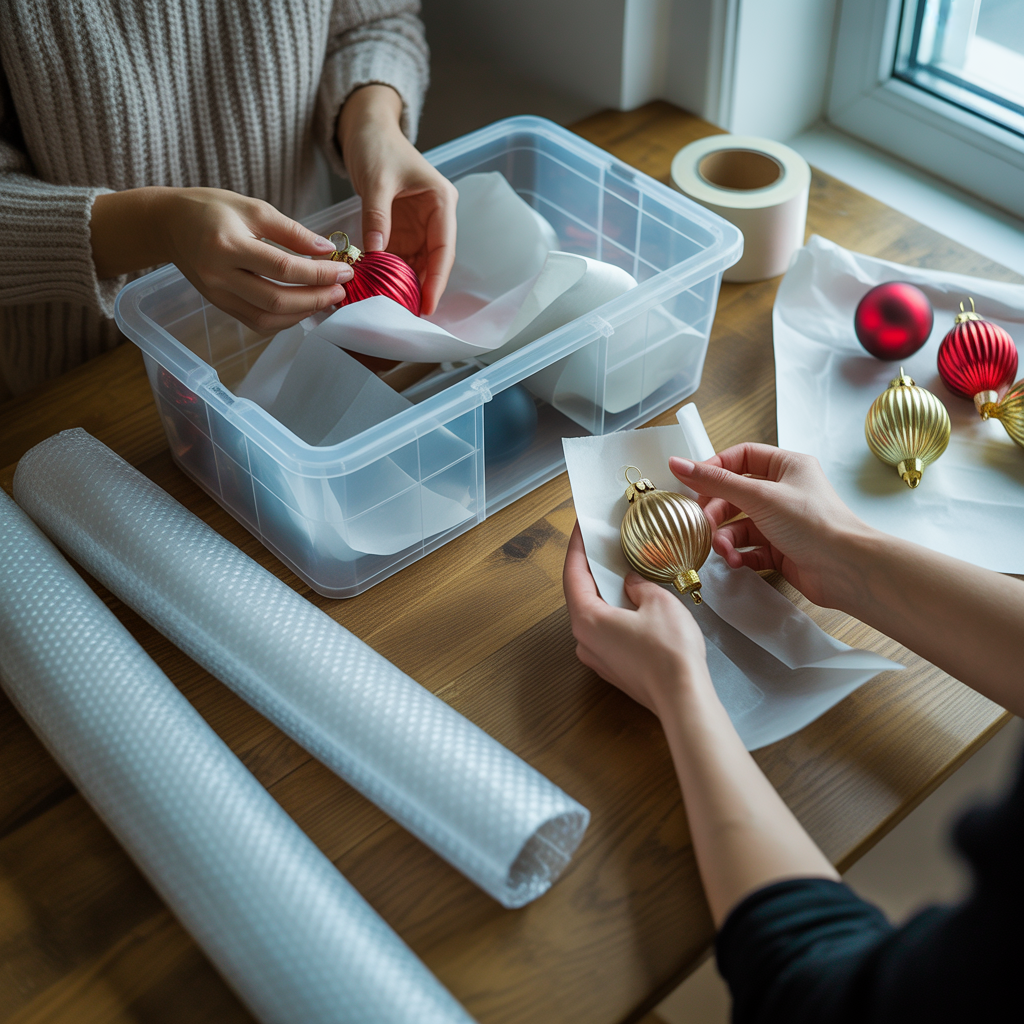
Wrap glass ornaments, snow globes, and ceramic pieces individually in tissue paper or bubble wrap. Use acid-free tissue for heirloom items to prevent discoloration over time. Never let glass items touch each other inside containers.
Place heavier items at the bottom of bins and lighter, more fragile pieces on top. Fill empty spaces with packing paper or bubble wrap to prevent shifting during transport and storage. A bin that rattles when shaken needs more padding.
Protect Lights and Electronics
Wind light strands around cardboard pieces, hangers, or dedicated light reels to prevent tangling. Label each strand with its location (tree, porch, roofline) using masking tape. Store strands in separate bags within a larger bin to keep sets organized.
Remove batteries from all electronic decorations before storage. Batteries can leak over 11 months, destroying motors and circuits. Store batteries separately in a labeled bag so you can reinstall them quickly next year.
Label Everything Clearly
A labeling system transforms chaotic decoration retrieval into a 15 minute task. Without labels, finding specific items requires opening every container. This frustration leads many people to buy duplicate decorations they already own.
Create a Consistent Labeling System
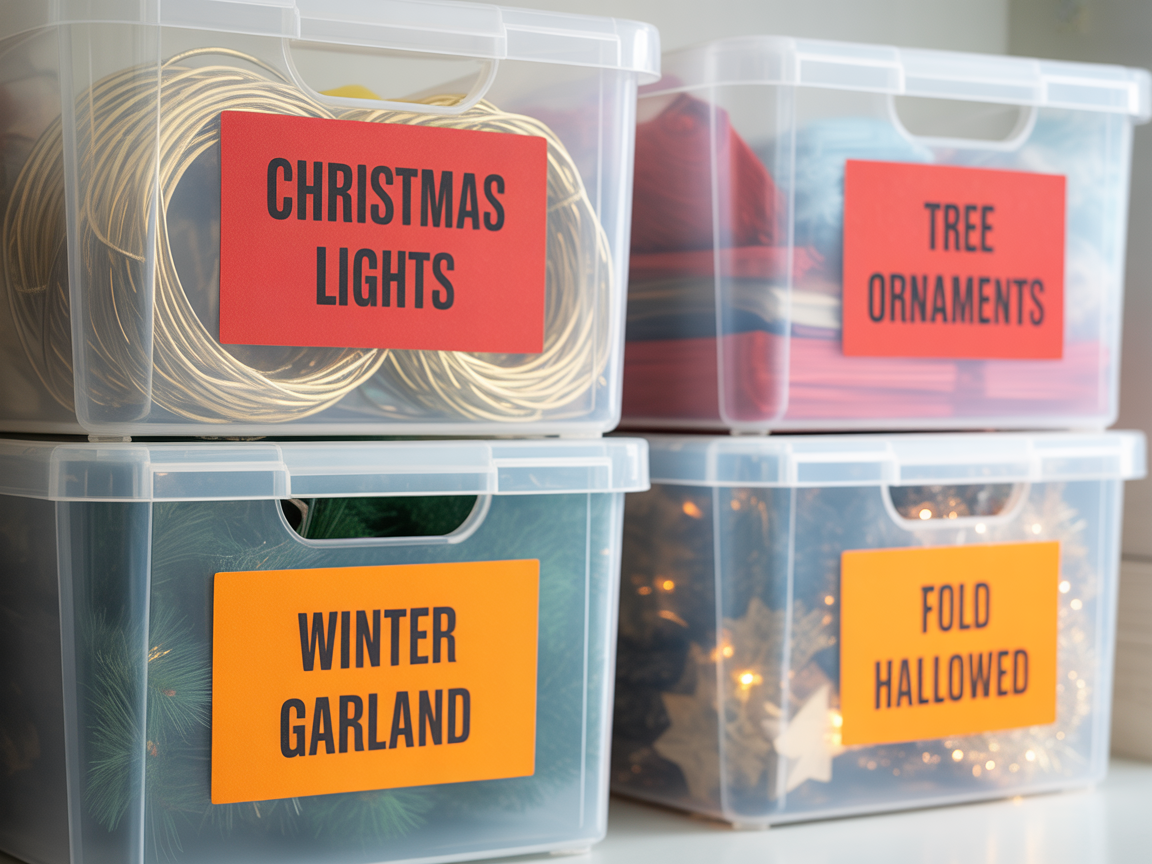
Label each bin on the top and at least one side with permanent marker or printed labels. Include the holiday, general contents, room destination, and bin number. For example: "Christmas, Tree Ornaments, Living Room, 3 of 7."
Consider color-coding by holiday: red labels for Christmas, orange for Halloween, pastel for Easter. This visual system lets you identify seasonal items instantly, even in a crowded storage unit. Colored tape or bin lids work as well as colored labels.
Keep an Inventory Outside the Unit
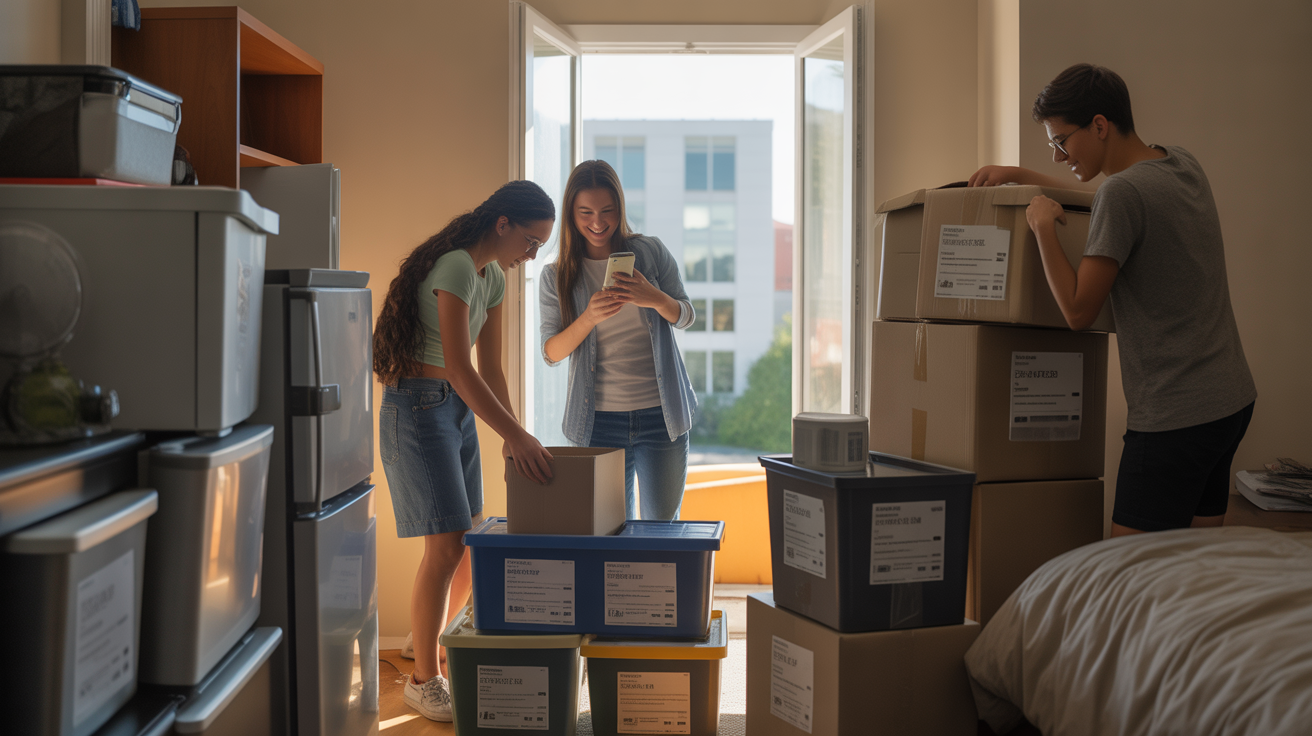
Photograph your inventory list and store it on your phone. Take photos of bin contents before sealing for quick reference. Email yourself the inventory so you can access it from any device when planning next year's decorating.
Set Up Your Storage Unit Properly
How you arrange items inside your unit matters as much as how you pack them. Proper setup prevents damage, improves access, and maximizes your rental value. Spend 30 minutes planning your layout before moving anything in.
Elevate Everything Off the Floor
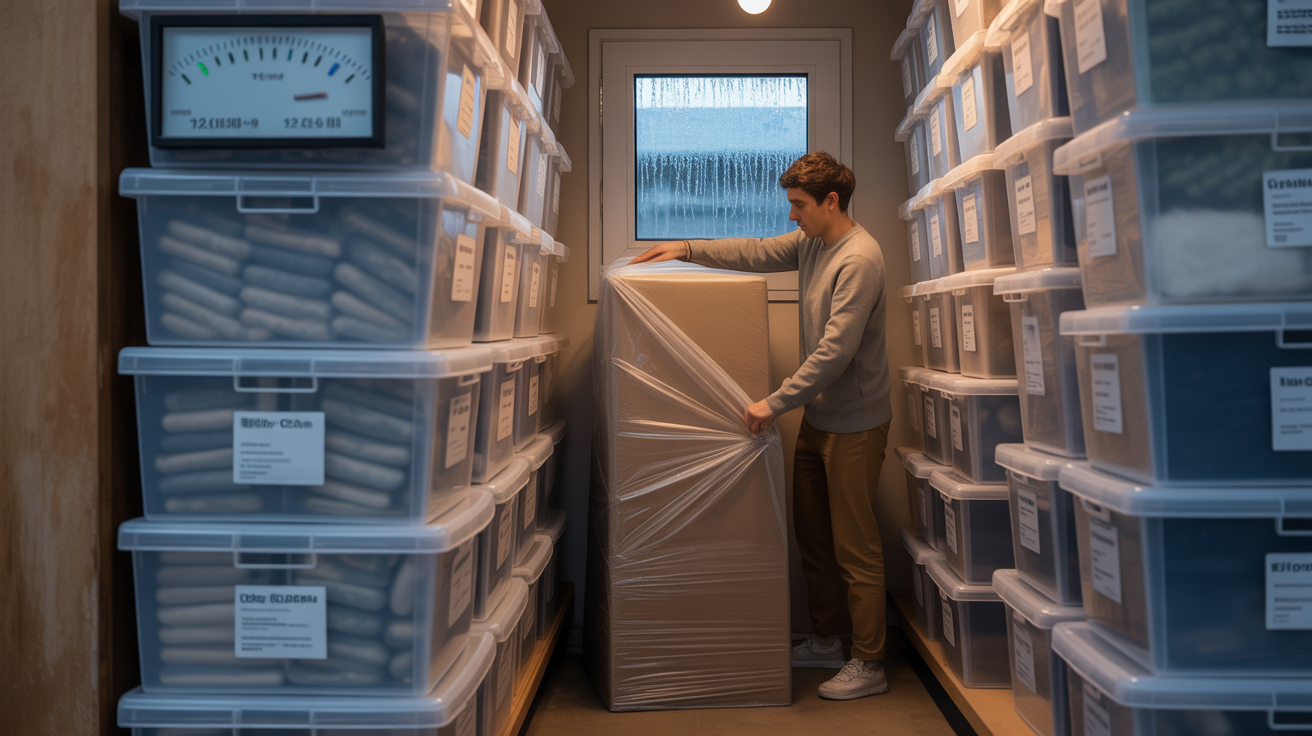
Place all bins on pallets, shelving units, or plastic risers at least 6 inches above the floor. This elevation protects against minor flooding, pest intrusion, and ground moisture. Wooden pallets cost $5 to $15 at hardware stores or are often free from local businesses.
Install freestanding shelving units to maximize vertical space. A 10x10 unit with shelving holds 40 to 50 percent more than the same unit with floor stacking alone. Metal shelving units rated for 200 or more pounds per shelf cost $50 to $150 and last indefinitely.
Organize for Easy Access
Place frequently accessed items near the front of your unit. If you decorate for multiple holidays, arrange bins so each season's decorations are accessible without moving everything else. Create a center aisle wide enough to walk through comfortably.
Store Christmas decorations (typically the largest collection) in the back during January through October, then rotate them forward in November. Keep a small step stool in your unit for reaching upper shelves safely.
Choose Climate Control for Delicate Items
Temperature and humidity fluctuations cause 70 percent of decoration damage in storage. Climate-controlled units maintain consistent conditions that protect sensitive materials. This feature typically costs $20 to $50 more per month but prevents irreplaceable losses.
One important note: the drive-up units at Estes Park Storage are not climate controlled. For most decoration collections, the preparation steps in this guide (sealed plastic bins, moisture absorbers, elevation off the floor, and individual wrapping) provide strong protection in a standard unit. If your collection includes irreplaceable heirlooms that truly need climate control, ask our team for guidance before you rent.
Items That Require Climate Control
Wooden decorations, vintage ornaments, fabric items, photographs, and candles need climate-controlled storage. These materials warp, crack, fade, or melt when exposed to temperature extremes. Estes Park temperatures can swing from below zero to above 90 degrees Fahrenheit annually.
Artificial trees with flocked or frosted finishes deteriorate in humid conditions. Delicate glass ornaments, especially antiques, can crack from repeated temperature cycling. If your decoration collection includes family heirlooms or items worth more than $500, climate control is worthwhile insurance.
Standard Storage Works for Durable Items
Plastic decorations, metal frames, outdoor inflatables, and basic light strands tolerate temperature variation well. If your collection consists primarily of these durable materials, standard drive-up storage provides adequate protection at lower cost.
Our drive-up storage units offer convenient ground-level access for loading and unloading heavy decoration bins. The 24/7 access means you can retrieve or add items whenever your schedule allows, even during busy holiday preparation periods.
What Size Storage Unit Do You Need?
Choosing the right unit size prevents paying for unused space while ensuring everything fits comfortably. Most households need less space than they initially estimate when decorations are properly organized and packed.
Size Recommendations by Collection
A 5x10 unit (50 square feet) stores holiday decorations for a typical 3 to 4 bedroom home, including a full-size artificial tree, 10 to 15 bins of ornaments and lights, and outdoor decorations. This size costs approximately $95 per month at our facility.
Larger collections or multiple holiday celebrations may require a 10x10 unit (100 square feet). This size accommodates extensive outdoor displays, multiple trees, and decorations for 4 or more holidays. Our 10x10 units rent for $275 per month.
Not sure what size you need? Check our comprehensive storage unit size guide for detailed recommendations based on your specific items.
Prevent Common Storage Problems
Anticipating problems lets you prevent them. These protective measures take minimal effort but save significant frustration and replacement costs over time.
Pest Prevention Strategies
Never store food items, scented candles, or potpourri with decorations. These attract rodents and insects that damage everything nearby. Cedar blocks or lavender sachets provide natural pest deterrence without chemical residue on your items.
Inspect bins for gaps or cracks that allow pest entry. Replace damaged containers immediately. Check your unit quarterly for signs of pest activity, especially in fall when rodents seek shelter.
Moisture Control Measures
Add silica gel packets to each bin to absorb excess moisture. These packets cost $10 to $20 for a bulk pack and can be reactivated in an oven when saturated. Replace or recharge packets annually for continuous protection.
Avoid storing decorations against exterior walls where temperature differentials can cause condensation. Leave 2 to 3 inches of space between bins and walls for air circulation. Learn more about our facility security features and unit protection options.
Special Storage Considerations
Certain decoration types require specific handling beyond general guidelines. Address these items individually to ensure they survive storage intact.
Artificial Christmas Trees
Disassemble artificial trees according to manufacturer instructions. Store sections in original boxes if available, or purchase dedicated tree storage bags. For pre-lit trees, check all light sections before storage and note any burned-out areas for repair.
Fluff branches before storage to prevent permanent compression. Store trees horizontally if possible to reduce stress on the center pole. A 7.5 foot tree typically requires a storage bag measuring 60 inches long and 30 inches in diameter.
Inflatable Decorations
Clean inflatables thoroughly and dry completely before storage. Any moisture trapped inside promotes mold growth that ruins the material. Fold loosely rather than tightly rolling to prevent crease damage to the fabric.
Store motors and stakes with their corresponding inflatables in labeled bags. Check power cords for damage and replace frayed cords before next season. Large inflatables benefit from their own dedicated bin to prevent punctures from other items.
Wreaths and Garlands
Store wreaths in dedicated wreath boxes or hang them from hooks inside your unit. Stacking wreaths crushes their shape permanently. Garlands store best loosely coiled in large bins with tissue paper between layers.
Fresh wreaths and garlands cannot be stored and should be composted after the season. Artificial versions last 5 to 10 years with proper storage. Fluff and reshape artificial greenery before storing to maintain natural appearance.
Frequently Asked Questions
How do I store Christmas decorations properly?
Store Christmas decorations in clear plastic bins with secure lids, wrap fragile ornaments individually in tissue paper or bubble wrap, label each container with contents and location, and place bins on elevated shelving in a climate-controlled unit. This method prevents 70 percent of common decoration damage from moisture, pests, and temperature changes.
What should I not store in a storage unit?
Never store perishable food, hazardous materials, flammable liquids, live plants, or items with strong scents in a storage unit. These items attract pests, create fire hazards, or violate facility regulations. Also avoid storing irreplaceable documents or items requiring daily access.
Where do people store their holiday decorations?
Most people store holiday decorations in home attics, basements, garages, or self-storage units. Storage units offer advantages over home storage: consistent climate control, protection from home flooding or fire, and freed-up living space. A 5x10 unit typically costs $50 to $150 per month depending on location and features.
Is it okay to store Christmas decorations in a shed?
Outdoor sheds provide adequate storage for durable plastic and metal decorations but damage delicate items. Sheds lack climate control, allowing temperature swings from 20 to 120 degrees Fahrenheit that crack glass, warp wood, and melt candles. Sheds also offer less pest protection than sealed storage units.
What size storage unit do I need for holiday decorations?
A 5x10 storage unit (50 square feet) holds decorations for a typical 3 to 4 bedroom home, including one artificial tree, 10 to 15 bins, and outdoor decorations. Larger collections spanning multiple holidays or extensive outdoor displays may require a 10x10 unit (100 square feet).
Are climate-controlled units necessary for Christmas ornaments?
Climate-controlled units are necessary for glass, ceramic, wooden, and vintage ornaments that crack or warp with temperature changes. Standard units work fine for plastic ornaments, metal decorations, and durable outdoor items. If your ornament collection includes family heirlooms or items worth more than $200, climate control provides worthwhile protection.
How do I prevent mice from eating stored holiday lights?
Prevent rodent damage by storing lights in sealed plastic bins (not cardboard), placing cedar blocks or peppermint oil sachets in containers, elevating all items 6 inches off the floor, and avoiding storage of any food items nearby. Inspect your unit quarterly for signs of pest activity.
Can I store artificial Christmas trees in a storage unit?
Artificial Christmas trees store well in storage units when properly prepared. Disassemble the tree, store in original boxes or dedicated tree bags, and choose climate control for pre-lit or flocked trees. A 7.5 foot tree requires approximately 15 cubic feet of storage space.
|