Climate Controlled Storage: When Is It Worth the Extra Cost? |
| CLIMATE CONTROLLED STORAGE: WHEN IS IT WORTH THE EXTRA COST
⏱ 9 min read ·
📄 #1,608 words
Climate controlled storage costs 15-35% more than standard units. Learn exactly when the premium is worth it based on your items, timeline, and climate.
|
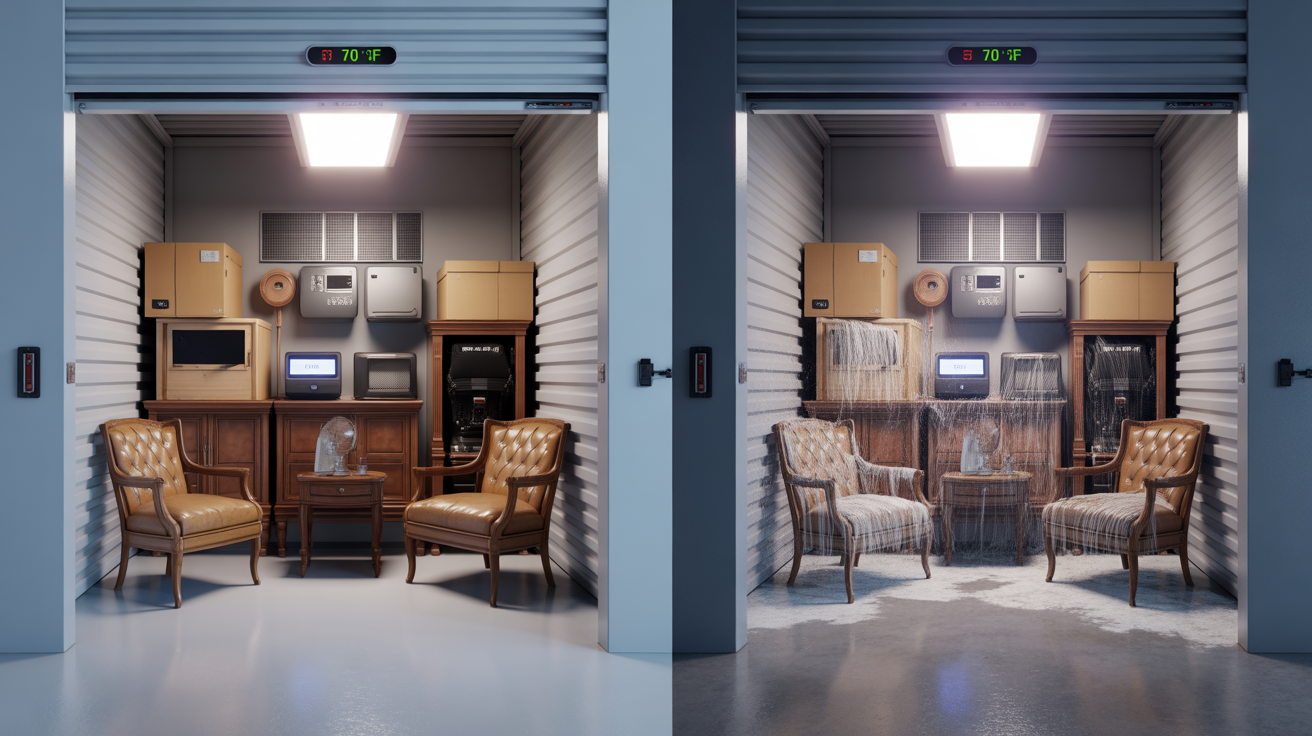
C limate controlled storage is worth the extra 15-35% cost when you store temperature-sensitive items like electronics, artwork, documents, or wooden furniture for more than three months. The decision becomes straightforward once you calculate item replacement costs against the monthly premium, which typically runs $20-50 more than standard units.
| Key Points: | |
|---|---|
| • | Climate controlled units cost 15-35% more, averaging $20-50 extra per month for a 10x10 space |
| • | Storage beyond 3 months significantly increases risk of temperature and humidity damage |
| • | Units maintain 55-80°F and 30-50% humidity year-round |
| • | Electronics, wood furniture, documents, artwork, and musical instruments require climate control |
| • | Standard units work fine for metal tools, outdoor equipment, and short-term storage under 90 days |
What Climate Controlled Storage Actually Does
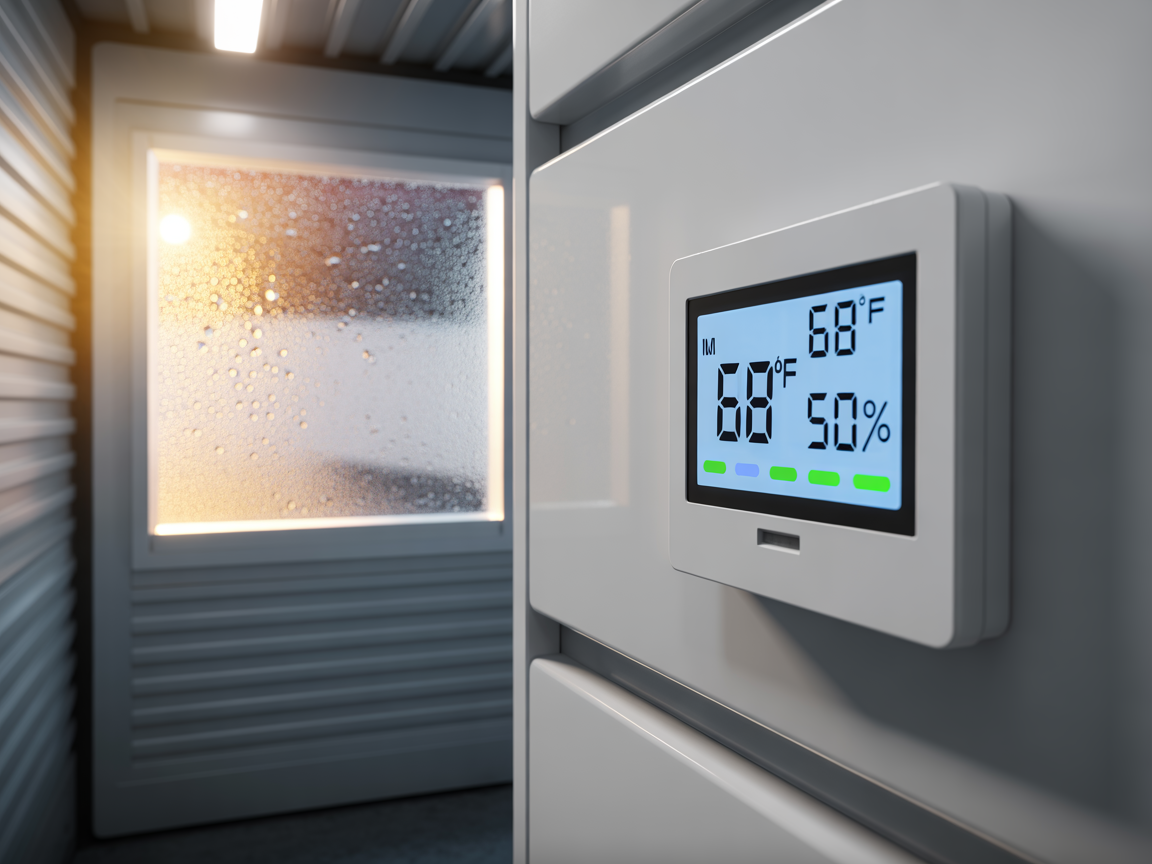
Climate controlled storage maintains consistent temperature between 55-80°F and humidity levels between 30-50% throughout the year. This differs from standard units, which can swing from below freezing to over 100°F depending on your region and season.
True climate control addresses both temperature and humidity. Some facilities advertise "temperature controlled" units that only regulate heat and cooling without humidity management. For moisture-sensitive items, this distinction matters significantly. Always confirm whether a facility offers full climate control or temperature-only regulation before signing a lease.
The Real Cost Difference: Breaking Down the Numbers
Understanding the actual price premium helps you make an informed decision. Here is what you can expect to pay:
| Unit Size | Standard Unit | Climate Controlled | Monthly Premium |
|---|---|---|---|
| 5x5 | $50-75 | $65-100 | $15-25 |
| 5x10 | $75-120 | $95-160 | $20-40 |
| 10x10 | $120-200 | $150-270 | $30-70 |
| 10x20 | $200-350 | $250-450 | $50-100 |
Over a 12-month storage period, the climate control premium adds $240-840 to your total cost depending on unit size. Compare this against your item replacement costs to determine value.
Six Scenarios Where Climate Control Is Worth Every Dollar
1. Electronics and Computer Equipment
Temperature fluctuations cause condensation inside electronic devices, leading to corrosion and circuit board damage. Humidity above 60% accelerates this process significantly. A single desktop computer costs $500-2,000 to replace, making the $30-50 monthly premium a clear investment.
Items requiring climate control include computers, televisions, gaming consoles, audio equipment, cameras, and home theater systems. Even items you consider "old" often contain irreplaceable data or sentimental value.
2. Wooden Furniture and Antiques
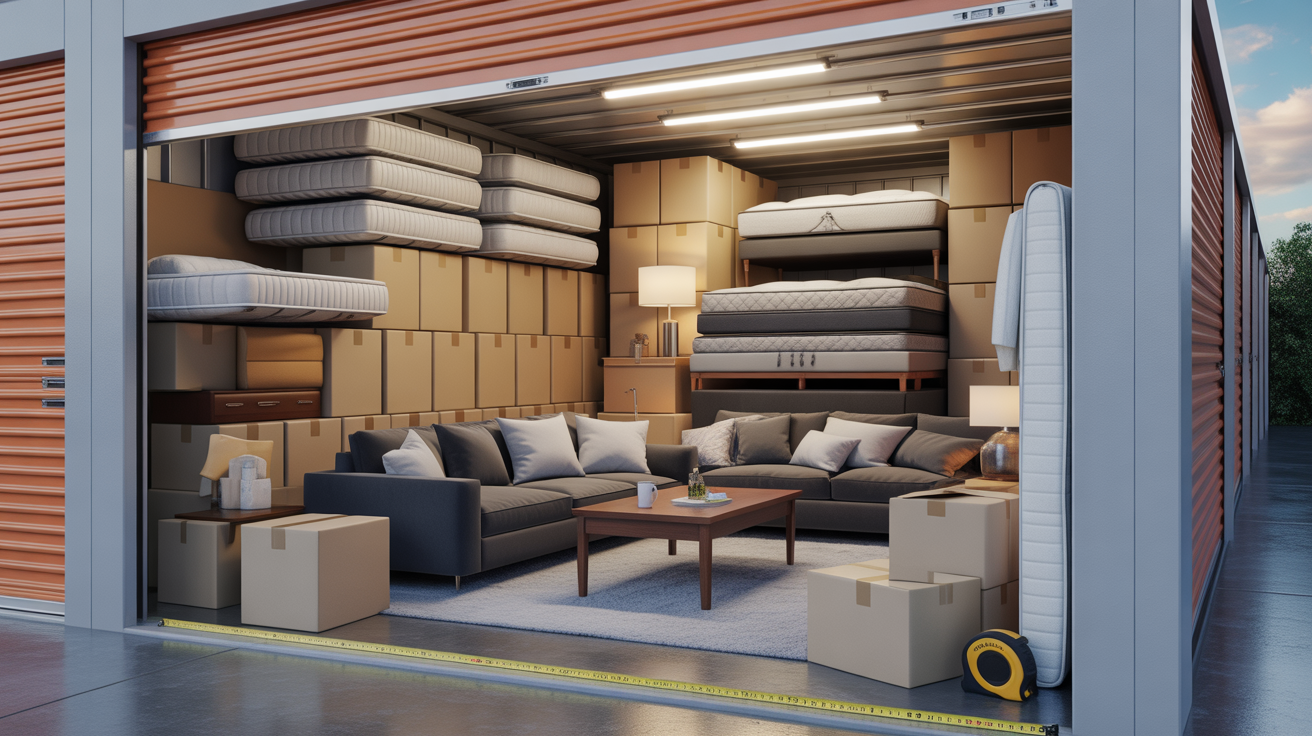
Wood expands and contracts with humidity changes. Repeated cycles cause warping, cracking, veneer separation, and joint failure. A quality dining table costs $1,500-5,000 to replace. Antique furniture often cannot be replaced at any price.
Pay particular attention to items with inlays, veneers, or delicate joinery. These pieces suffer damage faster than solid wood construction.
3. Documents, Photos, and Books
Paper products absorb moisture readily, leading to mold growth, yellowing, and permanent damage within 6-12 months in uncontrolled environments. Family photos, legal documents, rare books, and business records fall into this category.
Humidity above 50% creates ideal conditions for mold spores to activate. Once mold establishes on paper, removal is expensive and often incomplete.
4. Artwork and Collectibles
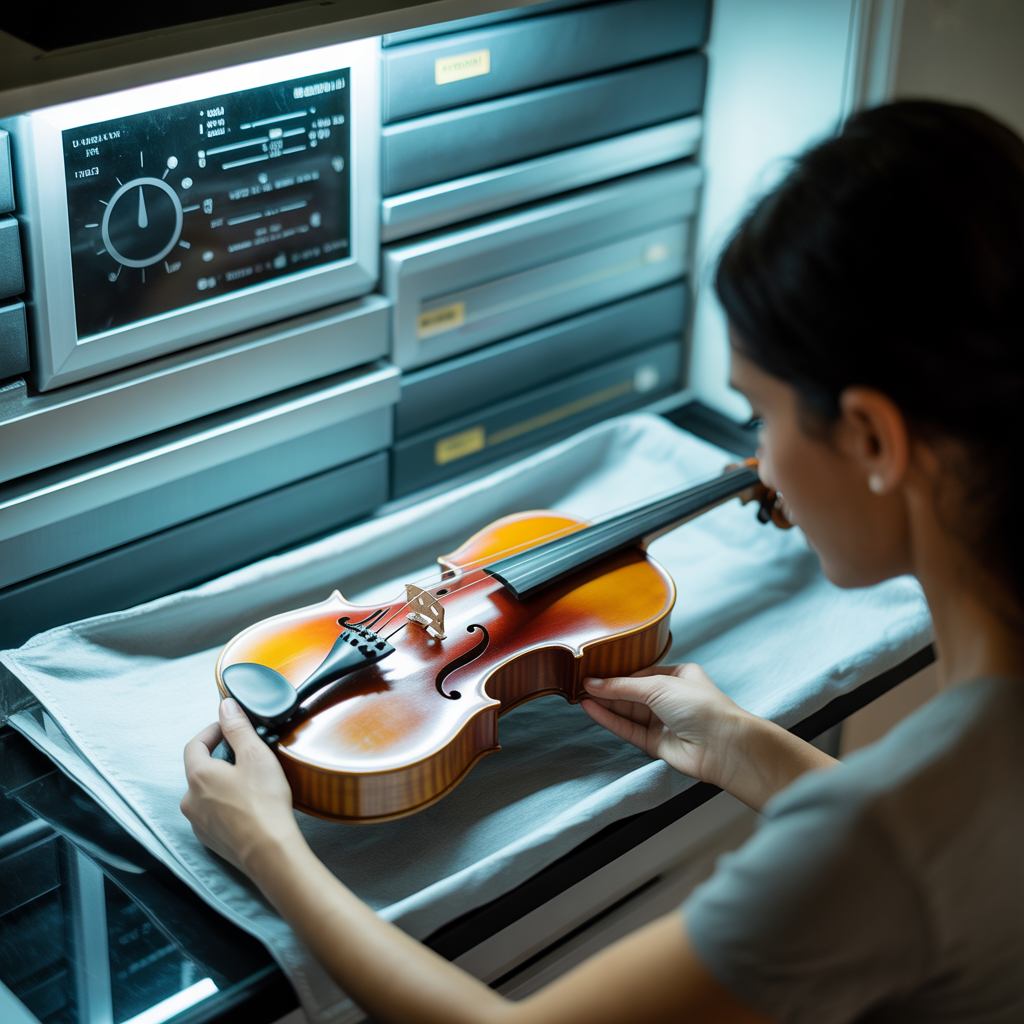
Canvas paintings, sculptures, vinyl records, comic books, and sports memorabilia all require stable conditions. Temperature swings cause canvas to expand and contract, cracking paint layers. Humidity damages paper-based collectibles and promotes mold on organic materials.
Collectible values often exceed $1,000 per item. A single damaged piece can cost more than years of climate control premiums.
5. Musical Instruments
Guitars, pianos, violins, and other wooden instruments are extremely sensitive to humidity changes. A guitar stored in fluctuating conditions can develop neck warping, bridge lifting, and finish cracking within one season. Professional instrument repairs cost $200-1,000 or more.
Brass and woodwind instruments also suffer in humid conditions, developing corrosion and pad deterioration that affects playability.
6. Wine and Specialty Food Items
Wine requires storage between 55-65°F with 50-70% humidity. Temperature fluctuations cause corks to expand and contract, allowing air infiltration that spoils wine within months. A modest wine collection worth $2,000-10,000 justifies climate control costs easily.
When Standard Storage Works Fine
Not everything requires climate control. Save money by storing these items in standard units:
- Metal tools and equipment: Lawn mowers, hand tools, and metal shelving tolerate temperature swings
- Outdoor furniture: Items designed for exterior use handle storage conditions well
- Holiday decorations: Most plastic and fabric decorations survive standard storage
- Sporting goods: Skis, camping gear, and exercise equipment are built for varying conditions
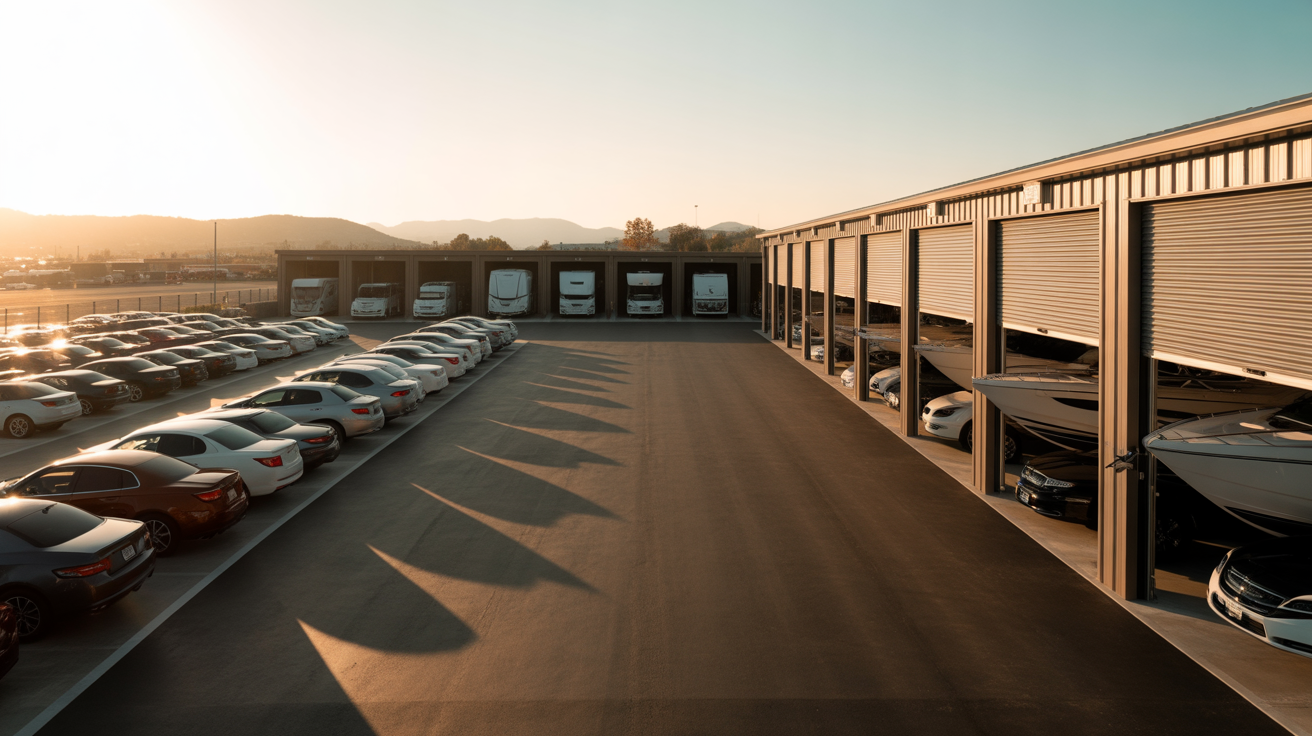
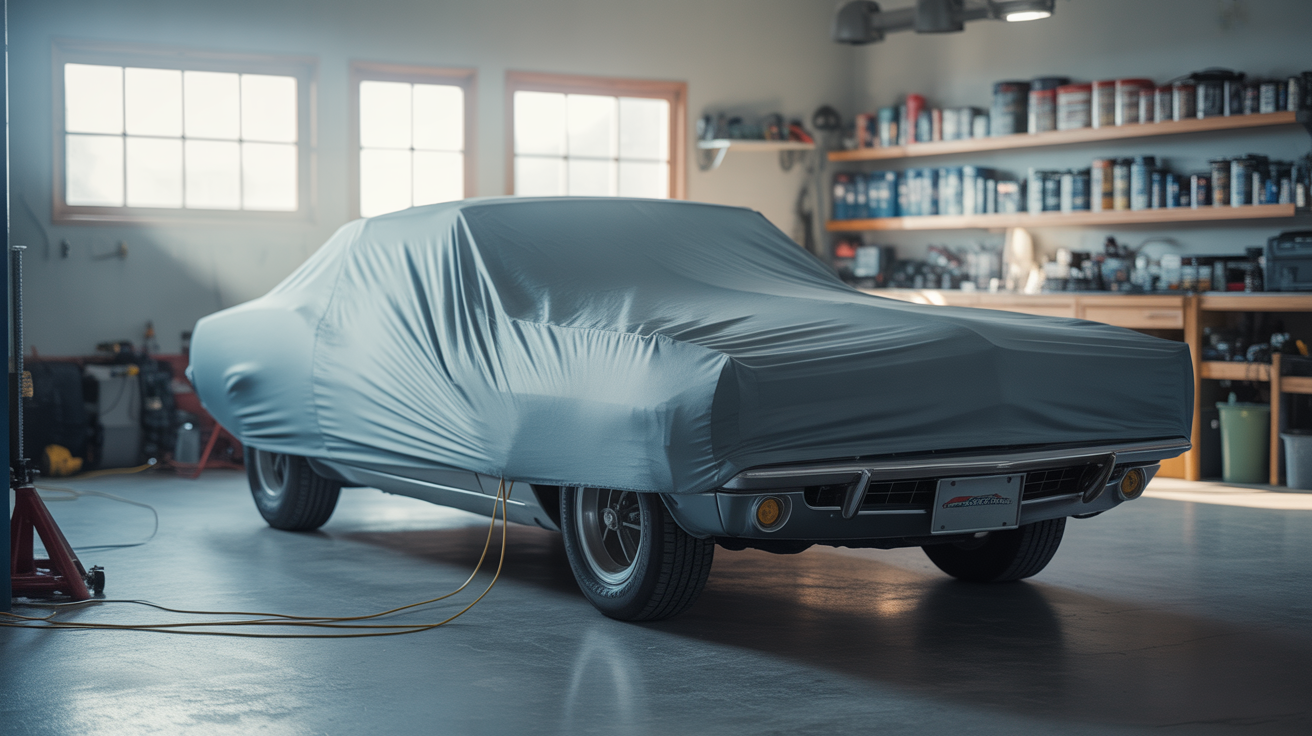
- Vehicles: Cars, motorcycles, and boats stored short-term typically need covered parking, not climate control
Short-term storage under 90 days also reduces risk significantly. Items face fewer temperature cycles during brief storage periods.
How Regional Climate Affects Your Decision
Your local climate dramatically impacts whether climate control is necessary. Consider these regional factors:
Mountain and High-Altitude Areas
Locations like Estes Park, Colorado experience extreme temperature swings between seasons and even within single days. Summer highs reach 80°F while winter lows drop below 0°F. This 80+ degree annual range stresses stored items significantly.
Low humidity in mountain regions can dry out leather, wood, and paper products. However, the lack of moisture reduces mold risk compared to humid climates.
Humid Southeastern and Coastal Regions
Areas with humidity consistently above 60% present the highest mold and mildew risk. Climate control becomes nearly essential for any organic materials stored beyond 30 days. The combination of heat and humidity accelerates deterioration dramatically.
Desert and Arid Climates
Extreme heat reaching 110-120°F damages electronics, melts plastics, and degrades adhesives. Low humidity cracks leather and dries out wood. Climate control addresses both concerns in these regions.
The Storage Duration Factor
Time is the most overlooked variable in climate control decisions. Here is how storage duration affects risk:
- Under 30 days: Standard storage acceptable for most items
- 30-90 days: Climate control recommended for sensitive items during extreme seasons
- 3-6 months: Climate control strongly recommended for electronics, wood, and paper
- 6-12 months: Climate control essential for anything you want to preserve
- Over 12 months: Climate control mandatory; damage becomes nearly certain in standard units
Many people underestimate their storage timeline. A planned 3-month storage period often extends to 12 months or longer. When uncertain, budget for climate control from the start.
Can Mold Grow in Climate Controlled Storage?
Mold can still grow in climate controlled units, though the risk drops by 80-90% compared to standard storage. Mold requires moisture, warmth, and organic material. Climate control eliminates the moisture component by maintaining humidity below 50%.
However, items stored while damp or wet can still develop mold. Always ensure belongings are completely dry before storage. Clean items thoroughly to remove existing mold spores. Use plastic containers with tight lids for paper products and fabrics.
The Decision Framework: A Simple Calculation
Use this formula to determine whether climate control makes financial sense:
- Calculate total item replacement cost: Add up what it would cost to replace everything you are storing
- Estimate damage probability: Use 10-15% for 6-month storage, 25-40% for 12-month storage in standard units
- Multiply replacement cost by damage probability: This equals your expected loss
- Compare against climate control premium: Monthly premium multiplied by storage duration
Example: $10,000 in furniture stored 12 months. Expected loss in standard unit: $10,000 x 30% = $3,000. Climate control premium: $50/month x 12 = $600. The $600 investment protects against $3,000 in expected losses.
What Time of Year Are Storage Units Cheapest?
Storage unit prices typically drop 10-20% during winter months, specifically November through February. Demand peaks during summer moving season from May through August, when prices reach annual highs.
If you can time your storage needs, signing a lease in January or February often secures better rates. Many facilities also offer move-in specials during slow periods, which can offset climate control premiums significantly.
Alternatives to Full Climate Control
If budget constraints prevent climate controlled storage, consider these protective measures for standard units:
- Moisture absorbers: Products like DampRid remove excess humidity from enclosed spaces
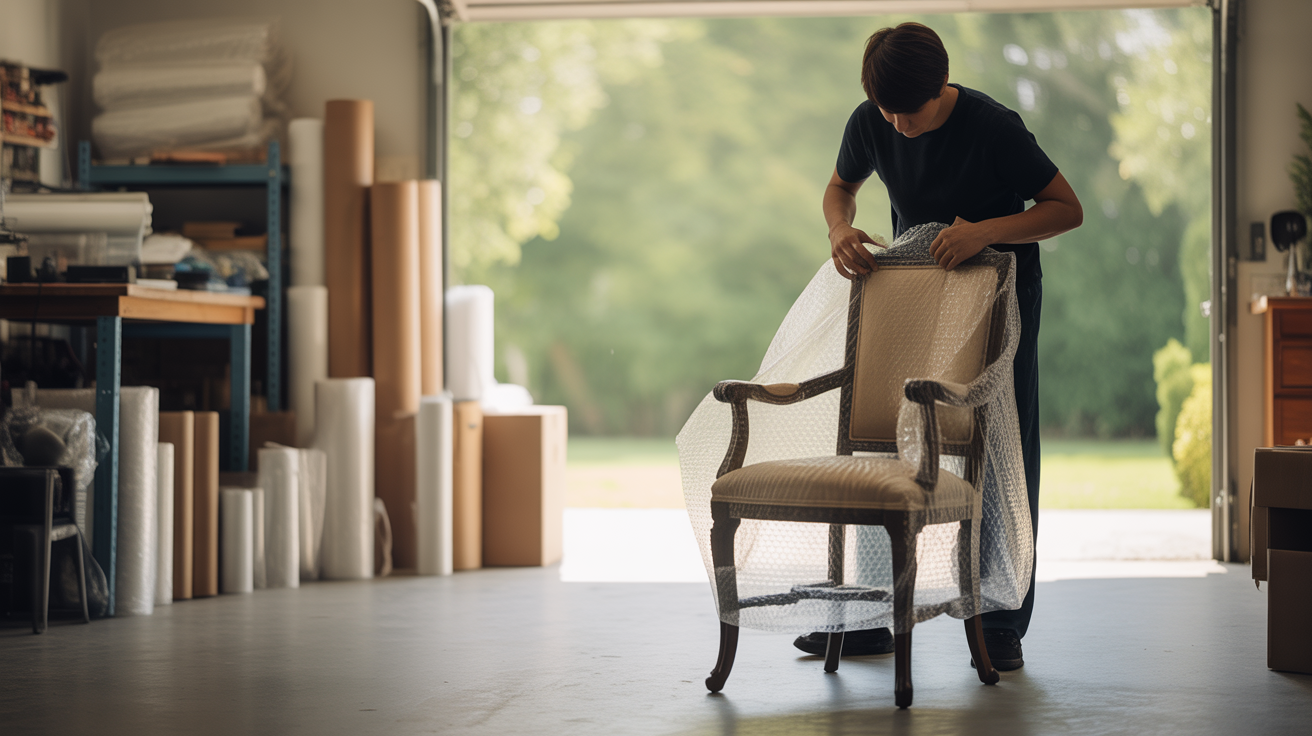
- Furniture covers: Breathable fabric covers protect against dust and minor temperature fluctuations
- Pallets: Elevate items off concrete floors to prevent moisture wicking
- Silica gel packets: Place inside electronics, instrument cases, and document boxes
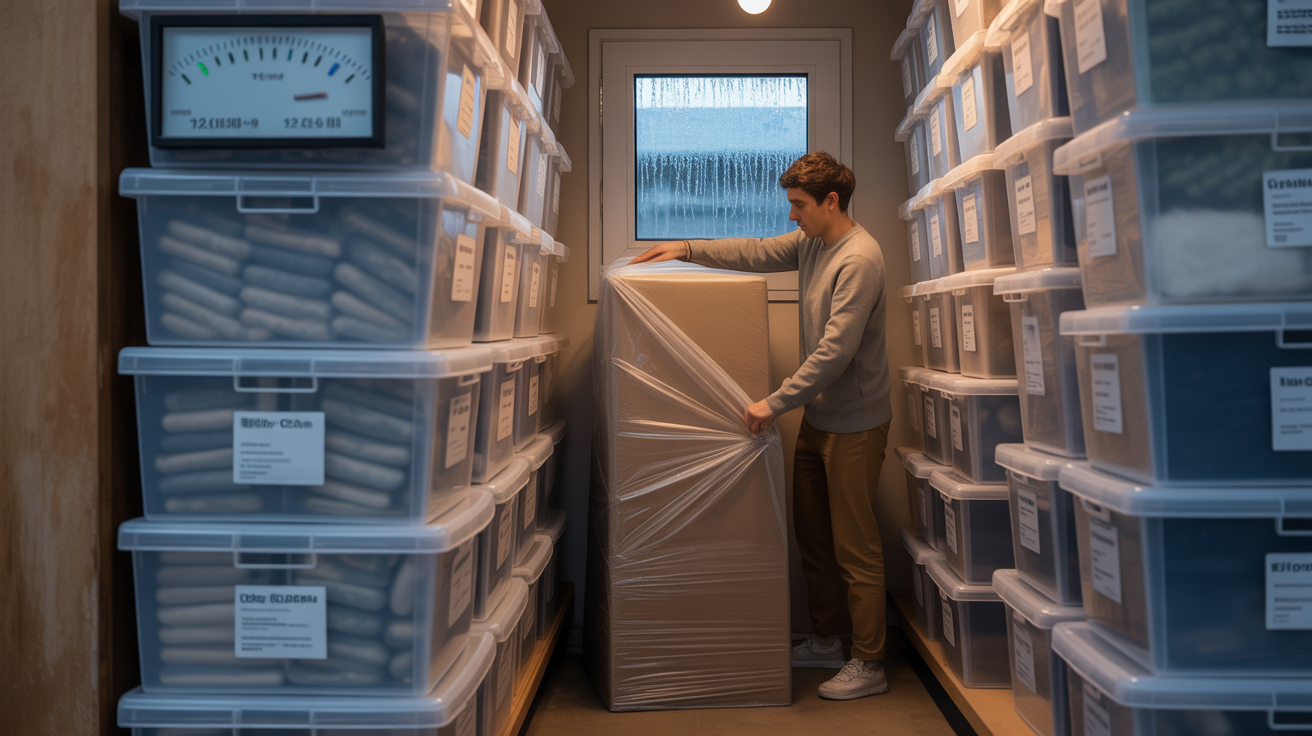
- Climate-sealed containers: Airtight plastic bins provide micro-climate protection
These measures reduce but do not eliminate risk. They work best for medium-term storage of moderately sensitive items.
Questions to Ask Before Renting
Before committing to any storage facility, ask these specific questions:
- What temperature range does the climate control maintain?
- Does the unit control humidity as well as temperature?
- How often is the HVAC system serviced?
- What happens if the climate system fails?
- Is there a backup power system for outages?
- Can I see the unit before renting?
Reputable facilities answer these questions readily. Hesitation or vague responses suggest the climate control may not perform as advertised.
Making Your Final Decision
Climate controlled storage justifies its premium cost when storing valuable, sensitive, or irreplaceable items for more than three months. The 15-35% price increase typically amounts to $20-70 monthly for common unit sizes, a modest investment against potential losses of hundreds or thousands of dollars.
For residents in areas with extreme temperature variations, like the Estes Park region where conditions swing from subzero winters to warm summers, the calculation tilts further toward climate control. When uncertain, the peace of mind alone often justifies the additional expense.
One honest note for our neighbors: the drive-up units at Estes Park Storage are not climate controlled. Many items on the standard-storage list above, including outdoor gear, tools, vehicles, and most holiday decorations, do well in our units with the protective measures described in this guide. If you decide your belongings truly need climate control, ask our team and we will point you in the right direction.
Not sure what size unit you need for your belongings? Check our comprehensive storage unit size guide to find the right fit. You can also learn more about our facility security features that protect your belongings around the clock.
|