How to Pack and Store Furniture Without Damage |
| HOW TO PACK AND STORE FURNITURE WITHOUT DAMAGE
⏱ 15 min read ·
📄 #2,937 words
Learn proven techniques to pack and store furniture without scratches, warping, or mold. Step-by-step guide with materials list and expert storage tips.
|
P acking furniture for storage requires disassembly, thorough cleaning, protective wrapping with moving blankets and stretch wrap, and placement in a climate-controlled unit maintained at 55 to 80 degrees Fahrenheit with 30 to 50 percent humidity. Following these steps prevents scratches, warping, mold growth, and structural damage during short or long-term storage.
| Key Points: | |
|---|---|
| • | Disassemble furniture to reduce size and vulnerability; label all hardware in bags taped to main pieces |
| • | Wrap wood furniture in moving blankets secured with stretch wrap, never tape directly to wood surfaces |
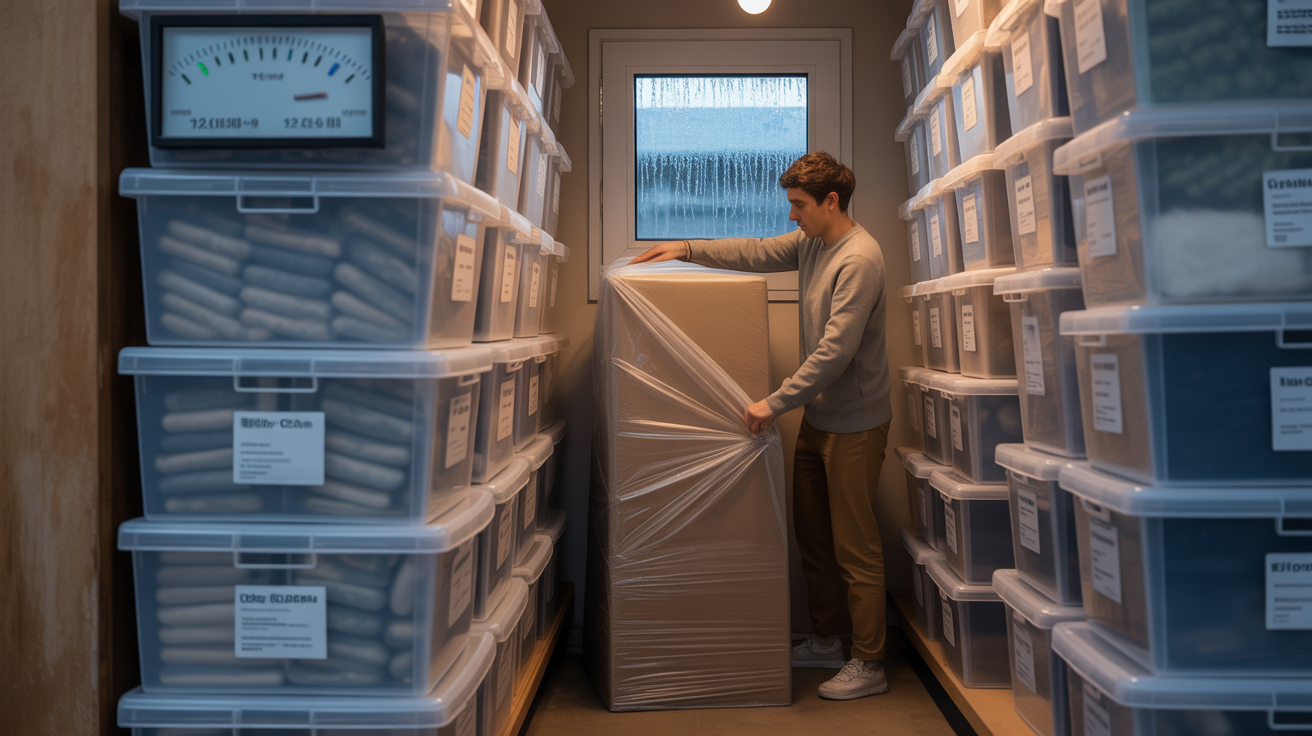
| • | Elevate all furniture 2 to 4 inches off the floor using pallets or wooden blocks to prevent moisture damage |
| • | Climate-controlled units (55 to 80 degrees, 30 to 50 percent humidity) prevent warping, cracking, and mold |
| • | Leave 4 to 6 inches between items and walls for airflow; avoid overstacking to prevent pressure dents |
Essential Packing Materials and Their Costs
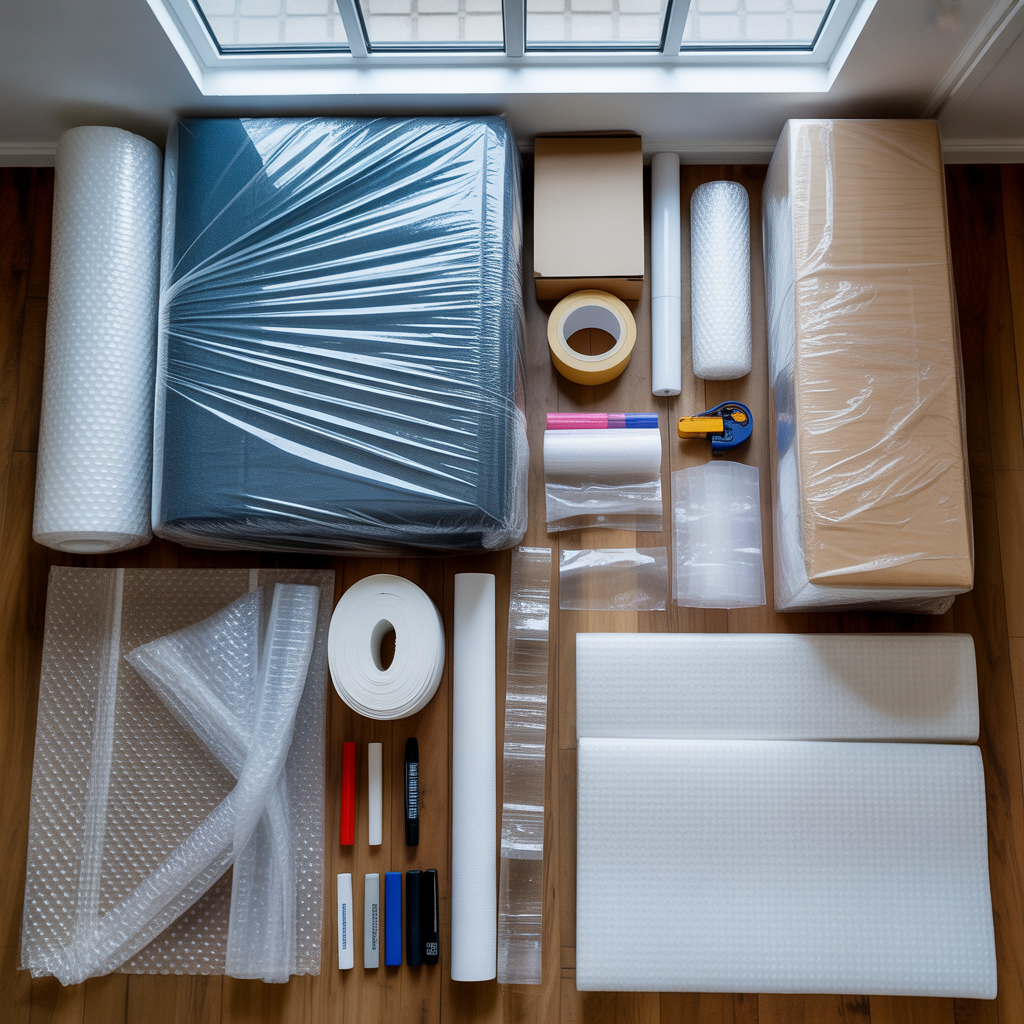
Having the right supplies before you start prevents mid-project trips to the store and ensures consistent protection across all furniture pieces. Quality materials cost $75 to $200 for a typical household worth of furniture, depending on quantity and whether you purchase new or source used supplies.
Required Materials Checklist
| Material | Cost Range | Purpose |
|---|---|---|
| Moving blankets (72x80 inches) | $8 to $15 each | Primary padding for wood and upholstery |
| Industrial stretch wrap | $15 to $25 per roll | Secures blankets without adhesive residue |
| Bubble wrap (large cell) | $20 to $40 per 100 feet | Glass, mirrors, and fragile surfaces |
| Corrugated cardboard sheets | $1 to $3 per sheet | Corner and edge protection |
| Plastic bags (gallon and quart) | $5 to $10 per box | Hardware and small parts storage |
| Furniture pads or felt | $10 to $20 per pack | Prevents scratches between stacked items |
| Pallets or 2x4 lumber | $0 to $20 | Floor elevation for moisture protection |
Avoid using newspaper as padding; ink transfers to fabric and wood finishes permanently. Old cotton sheets work as supplemental wrapping for items already protected by blankets, adding an extra dust barrier at minimal cost.
Step-by-Step Furniture Packing Process
Professional movers report 90 percent damage reduction when following systematic packing procedures compared to rushed or improvised methods. The process takes 15 to 45 minutes per furniture piece depending on size and complexity.
Step 1: Clean Every Surface Thoroughly
Dirt and dust trapped under wrapping materials act like sandpaper during transport and storage, creating micro-scratches that accumulate into visible damage. Food residue attracts pests, while moisture creates mold colonies within weeks.
For wood furniture, use a dry microfiber cloth followed by furniture polish appropriate for the finish type. Upholstered pieces require vacuuming with an upholstery attachment, focusing on crevices where crumbs collect. Allow 24 hours for any cleaning products to dry completely before wrapping.
Step 2: Disassemble What You Can
Removing legs, shelves, drawers, and detachable components reduces vulnerability during handling and maximizes storage space efficiency. A dining table with removed legs takes 40 percent less floor space than an assembled one.
Disassembly priorities:
- Table legs and leaf extensions
- Bed frames, headboards, and footboards (separate pieces)
- Dresser drawers and mirror attachments
- Desk hutches and keyboard trays
- Sectional sofa connectors
- Bookshelf adjustable shelves
Place all screws, bolts, and small hardware in labeled plastic bags. Tape bags directly to the main furniture piece using painter's tape (not packing tape, which leaves residue). Photograph complex assemblies before disassembly for easier reassembly later.
Step 3: Wrap Wood Furniture Properly
Wood expands and contracts with humidity changes, making breathable protection essential. Never wrap wood directly in plastic; trapped moisture causes warping, white spots on finishes, and mold growth within 2 to 4 weeks in humid conditions.
Correct wrapping sequence for wood:
- Place furniture pads or felt on any surfaces that will contact other items
- Wrap entire piece in moving blankets, overlapping edges by 4 to 6 inches
- Secure blankets with stretch wrap around the middle and ends, not covering the entire surface
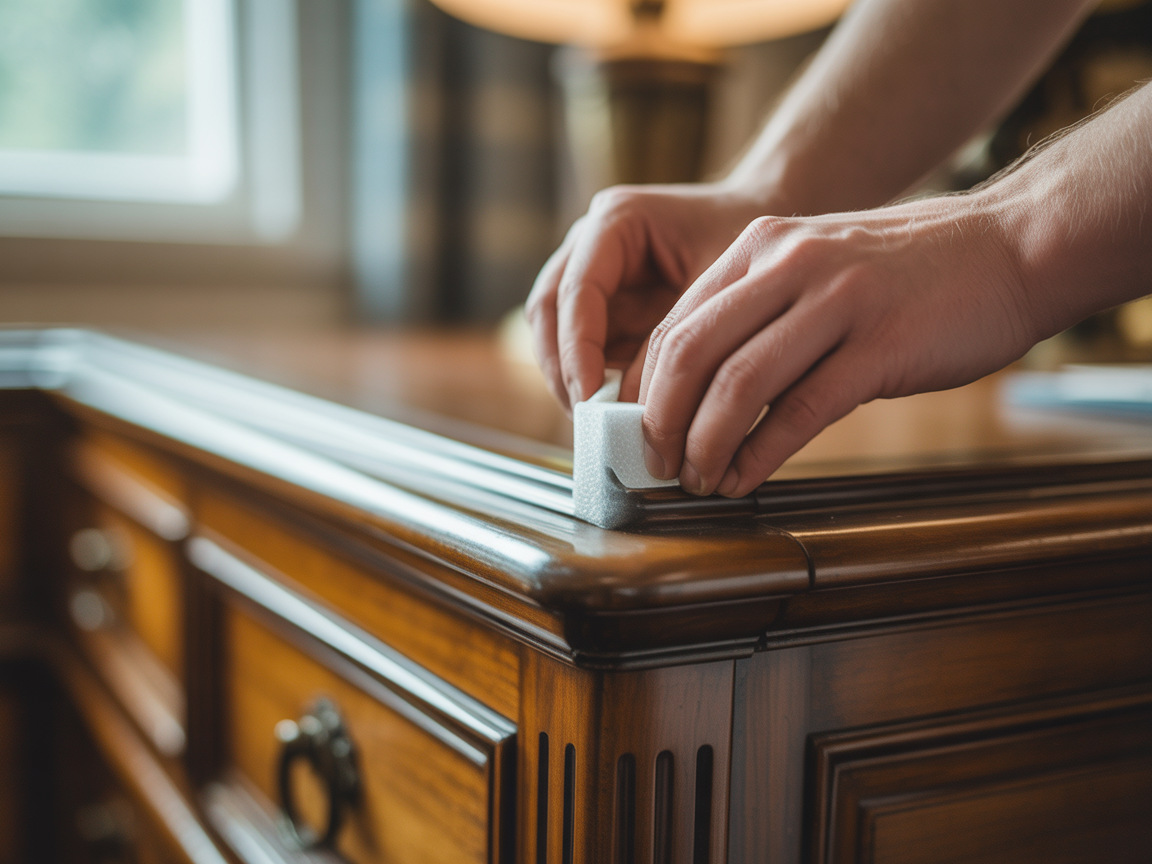
- Add cardboard corner protectors on exposed edges and legs
- Label with "WOOD, KEEP DRY" using removable labels
For antique or high-value wood furniture, add acid-free tissue paper between the surface and moving blankets. Antiques require humidity monitoring throughout storage; levels above 60 percent cause irreversible damage to veneers and inlays.
Step 4: Protect Upholstered Furniture
Fabric absorbs odors, moisture, and pest activity faster than hard surfaces. Vacuum thoroughly before wrapping, paying attention to under cushions where food debris accumulates.
Wrapping process for upholstery:
- Remove all cushions and wrap separately in plastic bags (cushions benefit from airtight storage)
- Cover the frame with a cotton sheet or moving blanket first
- Add a layer of plastic sheeting over the blanket for dust protection
- Secure with stretch wrap, leaving some ventilation gaps
- Compress cushions with stretch wrap to save space
Leather furniture requires conditioning before storage. Apply leather conditioner 48 hours before wrapping to prevent cracking during extended storage periods. Never use plastic directly on leather; it traps moisture and causes permanent discoloration.
Step 5: Handle Glass and Mirrors Safely
Glass components cause the most storage damage claims, yet proper packing reduces breakage to under 2 percent. Always transport and store glass items vertically, never flat, as flat storage concentrates pressure on the center.
Glass protection steps:
- Clean glass with ammonia-free cleaner to prevent chemical reactions
- Apply painter's tape in an X pattern across the surface (contains shards if broken)
- Cover with cardboard cut to size, extending 2 inches beyond edges
- Wrap in bubble wrap with bubbles facing outward
- Place in specialized mirror boxes or between mattresses
Mark all glass items clearly with "FRAGILE, GLASS, STORE UPRIGHT" on multiple sides. In your storage unit, position glass against interior walls where temperature fluctuations are minimal.
What is the Best Thing to Wrap Furniture In for Storage?
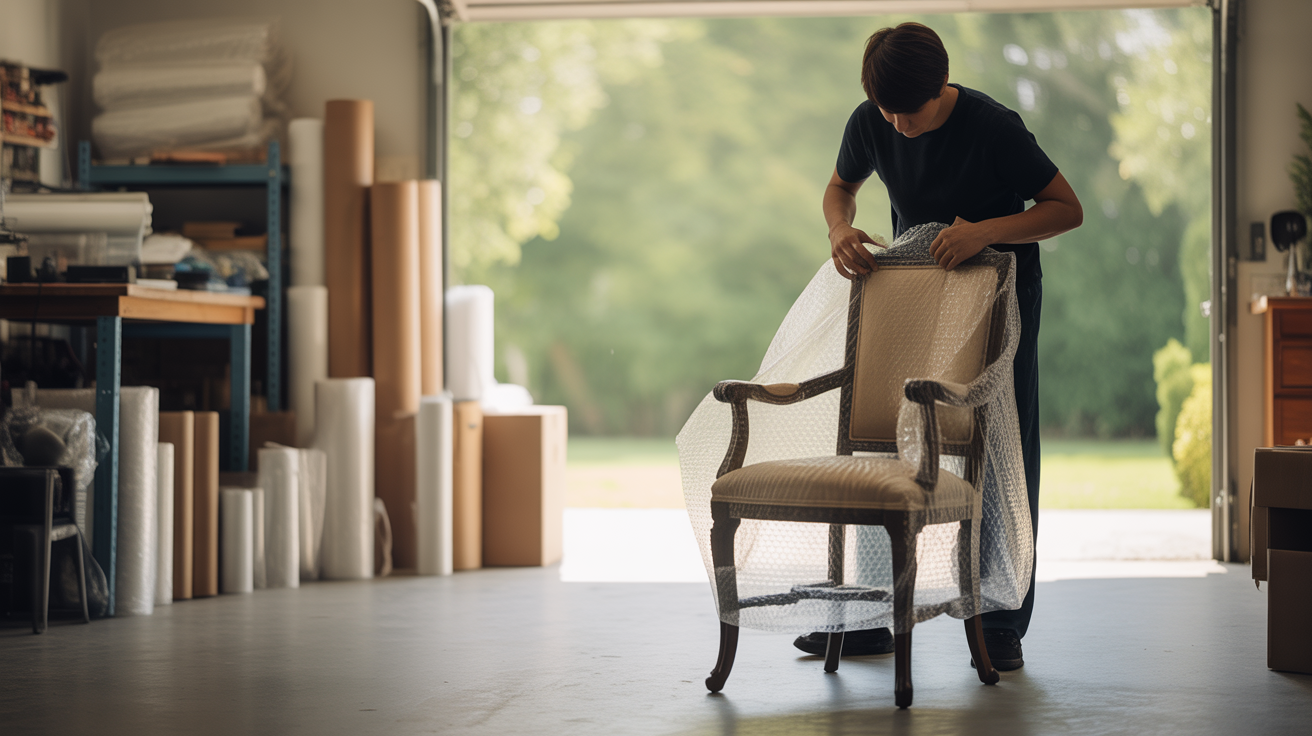
Moving blankets remain the gold standard for furniture protection, providing superior cushioning without trapping moisture. Professional movers use 72x80 inch quilted blankets weighing 5 to 6 pounds each, which absorb impacts and prevent scratches during handling and storage.
For budget-conscious storage, old cotton sheets and blankets from home provide adequate protection when layered. Avoid synthetic materials like polyester blankets, which generate static and attract dust. The key is breathability; any covering must allow air circulation to prevent moisture buildup.
Materials to Avoid
Certain common packing materials cause more damage than protection when used incorrectly:
- Newspaper: Ink transfers permanently to fabric and wood finishes
- Plastic wrap directly on wood: Traps moisture, causes warping and mold
- Packing tape on finished surfaces: Removes finish when pulled off
- Thin plastic bags: Tear easily, provide no cushioning
- Styrofoam peanuts: Static cling makes cleanup difficult, poor cushioning for heavy items
Should You Wrap Furniture in Plastic for Storage?
Plastic wrap serves a specific purpose in furniture storage but requires careful application. Use plastic to secure moving blankets and create dust barriers, not as direct contact with furniture surfaces. The exception is removable cushions and pillows, which benefit from airtight plastic storage.
For upholstered furniture, plastic sheeting over a breathable layer (cotton sheet or moving blanket) provides dual protection: the inner layer absorbs moisture while the outer plastic blocks dust and pests. Leave small ventilation gaps by not wrapping too tightly.
Wood furniture should never contact plastic directly. In climate-controlled storage, plastic creates a microclimate that accelerates finish damage even when external conditions are stable. If you must use plastic on wood (for outdoor transport in rain), remove it within 24 hours of reaching the storage facility.
What Are the 4 D's of Self Storage?
The 4 D's provide a framework for efficient storage preparation: Declutter, Disassemble, Defend, and Distribute . Following this sequence reduces storage costs by 20 to 40 percent while improving protection.
Declutter: Before packing anything, evaluate each item's storage worthiness. If replacement cost is less than one year of storage fees, consider donating or selling. A 10x10 unit kept for a full year can cost several thousand dollars annually; storing a low-value dresser for 10 years may not make financial sense.
Disassemble: Break down furniture to its smallest safe components. This maximizes space efficiency and reduces stress on joints and connections during storage.
Defend: Apply appropriate protection to each item based on material type and value. This includes cleaning, wrapping, and labeling.
Distribute: Organize items strategically within your unit. Place frequently needed items near the front, heavy items on the bottom, and fragile items away from high-traffic areas.
Will My Stuff Get Moldy in Storage?
Mold growth requires moisture, organic material, and temperatures between 60 and 80 degrees Fahrenheit. In standard storage units without climate control, mold can develop within 2 to 4 weeks during humid seasons. Climate-controlled units maintaining 30 to 50 percent humidity virtually eliminate mold risk.
Mold prevention strategies:
- Choose climate-controlled storage for any items stored longer than 3 months
- Elevate everything 2 to 4 inches off concrete floors using pallets
- Leave 4 to 6 inches between items and exterior walls
- Place moisture absorbers (silica gel packets or DampRid) throughout the unit
- Never store wet or damp items; ensure everything is completely dry
- Visit monthly to check for moisture and improve air circulation
Signs of mold include musty odors, visible spots, and warped materials. If you detect mold, remove affected items immediately and treat with appropriate cleaners before returning to storage.
Storage Unit Organization for Furniture Protection
How you arrange furniture within your storage unit affects long-term condition as much as how you pack it. Strategic placement prevents pressure damage, allows airflow, and provides access for periodic inspections. Selecting the right size unit matters too; use a storage unit size guide to ensure adequate space without overpacking.
Floor Preparation
Concrete storage floors transfer moisture and cold, both damaging to furniture. Before placing any items, create a barrier system:
- Sweep the floor to remove debris that could puncture protective materials
- Lay plastic sheeting across the entire floor area
- Position wooden pallets or 2x4 lumber in a grid pattern
- Place heaviest items on pallets first, building up in layers
This elevation system costs under $50 for materials and prevents thousands in potential water damage from minor flooding or condensation.
Strategic Stacking Guidelines
Proper stacking maximizes space while preventing pressure damage. Follow these weight distribution rules:
- Bottom layer: Heaviest items like dressers, desks, and bed frames
- Middle layer: Medium-weight items like chairs (inverted), small tables
- Top layer: Lightweight items like cushions, linens, lampshades
Never stack items more than 6 feet high; instability increases exponentially above this height. Place furniture pads between all stacked items to prevent scratching. Sofas and mattresses should stand on edge against walls, not flat, to prevent permanent compression damage.
Creating Access Aisles
Leave a 2-foot aisle down the center of your unit for inspection access. This pathway allows you to check items periodically without unstacking everything. Position items you might need to access (seasonal furniture, holiday decorations) near the front.
For long-term storage exceeding 6 months, schedule monthly visits to check for moisture, pest activity, and settling. Rearranging items slightly during these visits prevents permanent compression marks on upholstery and redistributes weight on wooden joints.
Climate Control: When It's Worth the Extra Cost
Climate-controlled storage units cost 20 to 50 percent more than standard units, typically adding $30 to $75 monthly for a 10x10 space. This investment pays off for specific furniture types and storage durations.
Items Requiring Climate Control
| Furniture Type | Climate Control Needed? | Reason |
|---|---|---|
| Antique wood furniture | Yes, always | Veneer separation, joint loosening |
| Leather upholstery | Yes, always | Cracking, mold, discoloration |
| Fabric upholstery | Yes, if over 3 months | Mold, mildew, odor absorption |
| Modern laminate furniture | Recommended if over 6 months | Edge swelling, delamination |
| Metal furniture | Optional | Rust prevention in humid climates |
| Plastic/resin furniture | No | Temperature resistant |
In Colorado's mountain climate, temperature swings between day and night can exceed 40 degrees. Even in moderate seasons, these fluctuations stress wood joints and cause finish checking. Climate-controlled facilities maintain consistent conditions regardless of external weather.
How to Wrap a Sofa for Storage
Sofas present unique challenges due to their size, fabric surfaces, and irregular shapes. A properly wrapped sofa survives years in storage without odor absorption, fabric fading, or structural damage.
Complete sofa wrapping process:
- Remove all cushions and wrap each separately in plastic bags
- Vacuum the frame thoroughly, including under and behind all crevices
- Treat any stains with appropriate fabric cleaner; allow 48 hours to dry
- Cover the entire sofa with a cotton sheet or light blanket
- Wrap plastic sheeting over the cotton layer, leaving bottom slightly open for airflow
- Secure with stretch wrap around the middle and arms
- Add cardboard protection to legs and any protruding hardware
- Store on end (arm to arm) against a wall, not flat
Storing sofas flat causes permanent cushion compression and frame stress. The vertical position distributes weight evenly and saves significant floor space. A standard 84-inch sofa stored vertically uses only 12 square feet instead of 28 square feet flat.
Best Way to Store Mattresses Long-Term
Mattresses require specific storage techniques to prevent permanent damage. Improper storage leads to sagging, mold growth, and pest infestation within months.
Mattress storage requirements:
- Store on edge (standing up), never flat for periods exceeding 2 weeks
- Use a breathable mattress bag, not standard plastic
- Place on pallets or boards to prevent floor contact
- Position against a wall with support to prevent folding
- Keep away from unit walls where condensation collects
Flat storage compresses internal materials unevenly, creating permanent body impressions. Memory foam mattresses are particularly vulnerable; they require climate control to prevent material breakdown in temperature extremes.
How to Protect Wood Furniture from Humidity
Wood responds to humidity changes by expanding and contracting. Relative humidity above 60 percent causes swelling, while below 30 percent causes cracking. Maintaining 40 to 50 percent humidity preserves wood furniture indefinitely.
Humidity protection strategies:
- Choose climate-controlled storage maintaining 30 to 50 percent humidity
- Apply paste wax to all wood surfaces before storage (creates moisture barrier)
- Place silica gel packets inside drawers and cabinets (replace every 3 months)
- Use a portable dehumidifier in humid climates if climate control unavailable
- Never store wood furniture against exterior walls
For valuable antiques, consider a humidity monitor placed inside the storage unit. Digital models with memory function record humidity fluctuations, alerting you to problematic conditions before damage occurs.
What Padding Materials Prevent Furniture Scratches?
Scratch prevention requires understanding contact points and material interactions. Different padding materials serve different purposes based on furniture type and storage duration.
Padding effectiveness comparison:
- Moving blankets: Best overall protection, absorbs impacts, prevents scratches from adjacent items
- Furniture pads: Ideal for contact points between stacked items
- Bubble wrap: Excellent for glass and mirrors, poor for wood (traps moisture)
- Foam sheets: Good for delicate surfaces, provides cushioning without moisture risk
- Cardboard: Best for edge and corner protection, inexpensive and effective
Layer materials strategically: soft padding against furniture surfaces, rigid protection on exposed edges and corners. This combination prevents both abrasion damage from rubbing and impact damage from bumps during loading.
Common Furniture Storage Mistakes to Avoid
Professional storage facility managers report these errors cause 80 percent of furniture damage claims. Avoiding them protects your investment and eliminates costly repairs or replacements.
Mistake 1: Cramming Too Much Into the Unit
Overpacking increases scratch and dent incidents by 30 to 50 percent. Furniture needs breathing room; items pressed tightly together transfer pressure damage and prevent air circulation. Choose a unit size that allows 4 to 6 inches between items and walls.
Mistake 2: Storing Dirty Furniture
Food residue attracts pests. Dust trapped under wrapping creates scratches. Moisture from uncleaned spills causes mold. Every item entering storage should be clean and completely dry.
Mistake 3: Using Incorrect Wrapping Materials
Plastic directly on wood traps moisture. Newspaper transfers ink. Packing tape damages finishes. Match wrapping materials to furniture type using the guidelines in this article.
Mistake 4: Skipping Climate Control for Sensitive Items
The $30 to $75 monthly premium for climate control costs far less than replacing damaged antiques or leather furniture. When in doubt, choose climate control.
Mistake 5: Storing Items Flat That Should Stand Upright
Mattresses, sofas, and glass items all suffer when stored flat. Vertical storage prevents compression damage and often saves space.
Furniture Storage Checklist
Use this checklist before closing your storage unit to ensure complete protection:
- All items cleaned and completely dry
- Furniture disassembled where possible; hardware labeled and attached
- Wood wrapped in breathable materials, never direct plastic
- Upholstery vacuumed and covered with cotton layer under plastic
- Glass items wrapped, taped, and stored vertically
- Everything elevated off floor on pallets or blocks
- 4 to 6 inch gaps between items and walls
- Heavy items on bottom, fragile items protected
- Moisture absorbers placed throughout unit
- Access aisle maintained for inspections
- Unit inventory list created with photos
Completing this checklist takes 15 to 30 minutes but prevents hundreds or thousands in potential damage. Store a copy of your inventory outside the unit for insurance purposes.
Local Storage Considerations for Estes Park
Mountain storage environments present unique challenges. Temperature fluctuations, lower humidity, and seasonal weather patterns affect furniture differently than coastal or lowland storage.
Drive-up storage units provide significant advantages for furniture storage. Ground-level access eliminates the need to carry heavy items up stairs or fit them in elevators. You can back a truck directly to your unit door, reducing handling and damage risk during loading.
Security features matter for valuable furniture. Look for facilities with gated access, surveillance cameras, and adequate lighting. Learn more about storage facility security features when evaluating your options.
Month-to-month rental flexibility allows you to adjust storage duration as needs change. Seasonal residents and those in transition benefit from not being locked into long-term contracts.
|