Best Storage Solutions for College Students: Summer Break Guide |
| BEST STORAGE SOLUTIONS FOR COLLEGE STUDENTS SUMMER BREAK
⏱ 13 min read ·
📄 #2,421 words
Compare the best college student summer storage options: self-storage units ($50-150/mo), pickup services ($150-400), and university programs. Find your fit.
|

T he best storage solutions for college students during summer break include self-storage units ($50-150 per month), student pickup services like Storage Scholars ($150-400 for the summer), university-affiliated programs ($50-150), and shipping items home ($50-300 depending on volume). Your ideal choice depends on whether you have a vehicle, how far home is, and how much stuff you need to store.
| Key Points: | |
|---|---|
| • | Self-storage units cost $50-150 per month for a 5x10 space, ideal if you have a car |
| • | Student pickup services charge $150-400 total but handle everything from packing to delivery |
| • | Electronics, textbooks, and clothing need extra protection; choose climate-controlled storage when available or pack carefully in sealed bins |
| • | Start planning 3-4 weeks before move-out to secure the best rates and availability |
| • | Many facilities offer student discounts of 10-20% with a valid .edu email address |
Comparing Your Four Main Storage Options
Each storage solution serves different student situations. Out-of-state students without vehicles benefit most from pickup services, while local students with cars save money using traditional self-storage. University programs work best for returning students who qualify, and shipping makes sense only for small loads going short distances.
The table below breaks down costs, effort required, and best use cases for each option. Use this to narrow your choice before diving into the details.
| Solution Type | Summer Cost | Effort Level | Best For |
|---|---|---|---|
| Self-Storage Units | $150-450 (3 months) | High | Students with vehicles |
| Student Pickup Services | $150-400 total | Low | Out-of-state students |
| University Programs | $50-150 total | Medium | Returning campus residents |
| Shipping Home | $50-300 | Medium | Small loads, nearby homes |
Self-Storage Units: The Budget-Friendly Choice
Traditional self-storage facilities offer the lowest monthly rates for students who can transport their own belongings. A 5x10 unit, which fits a dorm room's worth of furniture plus 15-20 boxes, typically costs $50-150 per month depending on location and features. Urban areas near major universities charge 20-50% more than suburban facilities 10-15 miles from campus.
The main advantage of self-storage is flexibility. You choose when to access your items, and month-to-month leases mean you only pay for the time you need. Some facilities offer seasonal or student promotions, but availability changes quickly; verify current terms before budgeting.
What Size Unit Do College Students Need?
Most students need either a 5x5 or 5x10 unit. A 5x5 (25 square feet) holds a twin mattress, mini-fridge, and 5-10 boxes. A 5x10 (50 square feet) accommodates a full bedroom set including a desk, chair, dresser, and 15-20 boxes. If you are storing items with a roommate, consider a 10x10 unit and split the cost.
Not sure what size fits your belongings? Use a storage unit size guide to calculate your needs based on specific furniture pieces and box counts.
Drive-Up vs. Indoor Units
Drive-up units let you pull your vehicle directly to the door, making loading and unloading faster. This matters when you are moving out under time pressure during finals week. Indoor units require carrying items through hallways and elevators but often provide better climate control.
For a typical dorm move-out, drive-up units save 30-45 minutes of loading time compared to indoor units on upper floors. The convenience is worth the slightly higher cost, especially if you are making multiple trips.
Student Pickup and Delivery Services
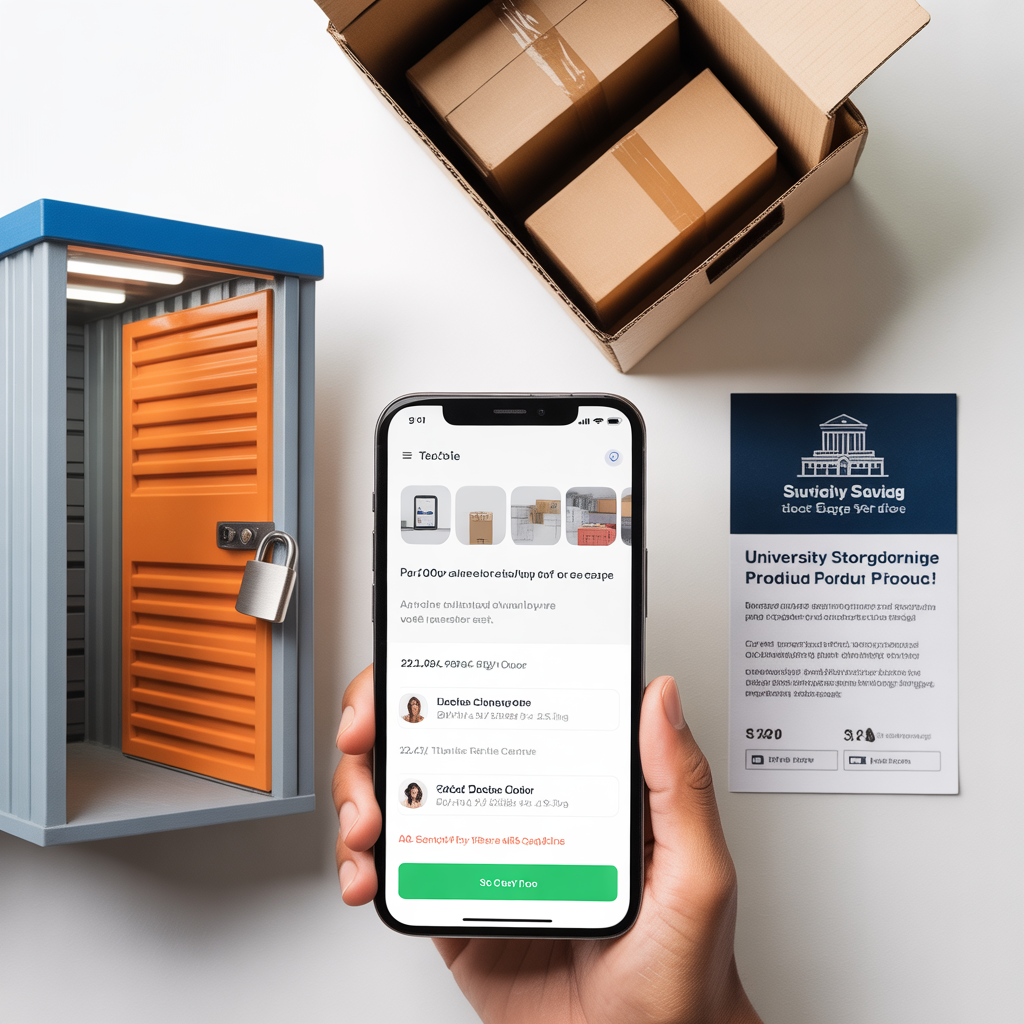
Companies like Storage Scholars, College Butler, and Boomerang Storage eliminate the transportation problem entirely. They bring boxes and packing supplies to your dorm, pick up your packed items, store them over summer, and deliver everything to your new room in fall. Total cost ranges from $150-400 depending on volume.
These services charge by the box or by total volume rather than by the month. A typical pricing structure looks like $30-50 per box for the entire summer, with discounts for larger quantities. Many include free boxes, tape, and basic insurance up to $1,000 per box.
Who Benefits Most from Pickup Services
Students flying home save the most money and hassle with pickup services. Checking bags costs $35-50 each way, and shipping large items via UPS or FedEx can exceed $200. When you factor in time spent packing, driving, and unpacking at a storage facility, the $150-400 service fee often breaks even while eliminating stress.
International students particularly benefit since shipping items overseas and back would cost $500 or more. The flat summer rate keeps costs predictable regardless of where you spend the break.
What to Ask Before Booking
Before choosing a pickup service, confirm these details:
- Insurance coverage limits: Most basic plans cover $100-500 per box; electronics may need additional coverage
- Pickup and delivery windows: Some services only operate during specific dates around move-out
- Storage facility location: Items stored locally arrive faster in fall than those shipped regionally
- Cancellation policy: Look for full refunds up to 48-72 hours before pickup
- Fall delivery scheduling: Popular move-in dates book quickly; reserve your slot early
University-Affiliated Storage Programs
Many universities partner with storage companies to offer discounted rates for students. Schools like American University, William and Mary, and Wellesley College negotiate bulk pricing that can cut costs by 30-50% compared to retail rates. Check your housing office or student services website for current partnerships.
These programs typically restrict eligibility to returning students who have housing assignments for the following year. Graduating seniors and students transferring to other schools usually cannot participate. Availability is limited, so sign up during the first week of registration.
On-Campus vs. Off-Campus University Storage
Some schools offer storage in campus buildings, while others bus items to nearby facilities. On-campus storage means shorter transport distances but limited space. Off-campus partnerships provide more unit sizes but require coordination with the storage company for access during summer.
The main advantage of university programs is the streamlined process. Billing often goes through your student account, pickup schedules align with dorm closing dates, and delivery coordinates with fall move-in. You trade some flexibility for convenience.
Shipping Items Home: When It Makes Sense
Shipping works best for students within 500 miles of home who have minimal furniture and space to store items at their family residence. UPS, FedEx, and USPS offer student discounts through campus shipping centers, typically 10-15% off standard rates.
A medium box (18x18x16 inches) costs $25-45 to ship ground within 500 miles. Heavier items like mini-fridges or printers cost $75-150 each. If you are shipping more than 4-5 boxes, compare total shipping costs against local storage plus a rental car for transport.
Hybrid Approach: Store Large Items, Ship Small Ones
Many students combine methods for the best value. Ship clothing, books, and personal items home while storing furniture and appliances locally. This approach keeps shipping costs under $100 while securing a smaller, cheaper storage unit for bulky items.
Services like Boomerang Storage offer hybrid plans that include both storage and shipping. You pack everything into their boxes, and they sort items by destination, storing some locally and shipping others to your home address.
How to Store College Stuff Over Summer Safely
Proper packing prevents damage during the 3-4 months your items sit in storage. Electronics, textbooks, and clothing require specific precautions, especially in regions where summer temperatures exceed 90°F or humidity rises above 60%.
Climate Control Requirements by Item Type
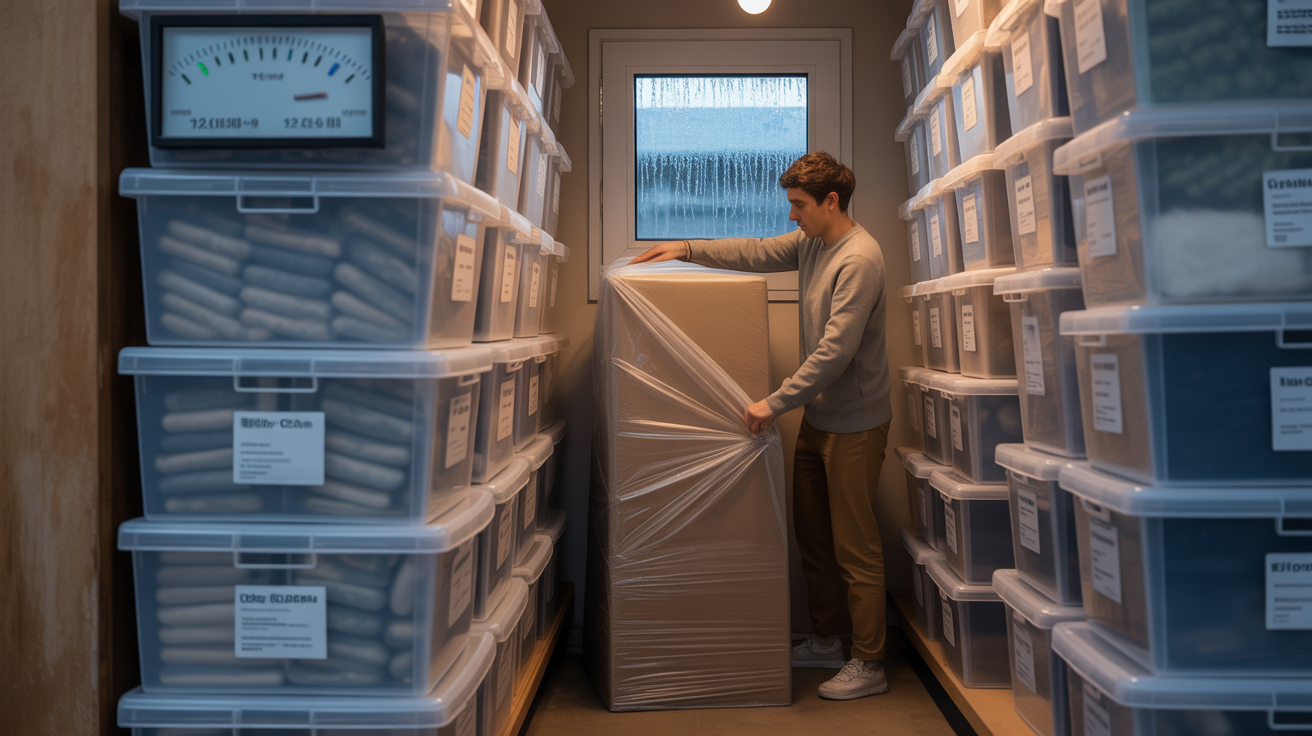
Climate-controlled units maintain temperatures between 55-80°F and humidity below 55%. This protection costs an extra $20-50 per month but prevents warping, mold, and electronic damage. The following items require climate control for summer storage:
- Electronics: Laptops, gaming consoles, and TVs suffer permanent damage above 95°F
- Textbooks and documents: Paper absorbs moisture and develops mold above 60% humidity
- Wooden furniture: Desks and bed frames warp and crack in temperature swings exceeding 30°F
- Musical instruments: Guitars, violins, and keyboards require stable conditions
- Leather goods: Shoes, bags, and jackets crack and mildew without climate control
Standard units work fine for plastic storage bins, metal shelving, non-upholstered furniture, and sealed sporting equipment. If you are mixing item types, prioritize climate control for your most valuable belongings.
Packing Tips That Prevent Damage
Use these techniques to keep your items safe through summer:
- Wrap electronics in anti-static bags before boxing; include silica gel packets to absorb moisture
- Store mattresses vertically with a protective cover to prevent sagging and dust accumulation
- Clean and dry all appliances completely; defrost mini-fridges 24 hours before storing
- Vacuum-seal clothing to save space and prevent musty odors
- Disassemble furniture when possible; keep screws and hardware in labeled bags taped to the item
- Create an inventory list with photos for insurance purposes
Security Features to Look For
Storage facility security directly affects your peace of mind over summer. Modern facilities report incident rates below 1% when equipped with proper security measures. Before signing a lease, verify these features exist:
Gated access with unique codes: Each renter should have an individual access code that logs entry times. Shared codes or unlocked gates indicate poor security practices.
24/7 video surveillance: Cameras should cover all hallways, unit doors, and parking areas. Ask if footage is monitored in real-time or only reviewed after incidents.
Adequate lighting: LED lighting throughout the facility deters theft and makes loading safer during early morning or evening hours. Dark corners suggest neglected maintenance.
Individual unit alarms: Premium facilities offer door alarms that alert staff when a unit opens. This feature adds $10-20 per month but provides extra protection for valuable items.
Learn more about what security measures protect your belongings by reviewing facility security features before committing to a location.
Is It Cheaper to Get a Pod or a Storage Unit?
Portable storage containers (pods) cost $150-300 per month, roughly double the price of a comparable self-storage unit. However, pods eliminate transportation costs since the company delivers the container to your location, you load it, and they pick it up for storage.
For college students, pods rarely make financial sense. Most dorm parking lots prohibit container delivery, forcing you to load at an off-site location anyway. The minimum rental period is often 30 days, and summer storage typically requires 3-4 months.
Self-storage units win on cost for students who have access to a vehicle or can rent a truck for $50-100. Pods only become competitive when you need to store items from multiple locations or plan to move across the country after graduation.
How Much Does Summer Storage Cost for a Full Dorm Room?
A complete dorm room, including furniture, appliances, and 15-20 boxes, costs $200-600 to store for the summer depending on your method and location. Here is the breakdown by approach:
- Self-storage (5x10 unit): $150-450 for 3 months plus $50-100 for truck rental
- Student pickup service: $250-400 flat rate including boxes and delivery
- University program: $150-300 total if available and eligible
- Splitting with roommate: Cut any option's cost by 40-50%
Students who declutter before storing save significantly. Selling or donating items you will not need next year reduces your required unit size and total cost. A 5x5 unit costs 30-40% less than a 5x10.
What Should You Declutter Before Storing Items?
Reducing your storage volume saves money and simplifies fall move-in. Before packing, sort your belongings into four categories: keep in storage, take home, sell, and donate. Be ruthless with items you have not used in the past semester.
Items to Sell or Donate
These items cost more to store than replace:
- Textbooks from completed courses: Sell on campus exchanges or online; values drop 50% per year
- Cheap furniture: Plastic drawers and basic shelving cost $20-40 new
- Expired toiletries and cleaning supplies: Donate unopened items to campus drives
- Clothing you did not wear: If it stayed in your closet all year, donate it
- Duplicates: Two desk lamps, multiple sets of sheets, extra hangers
Items Worth Storing
Prioritize storing items that are expensive to replace or have sentimental value:
- Quality furniture: Solid wood desks, ergonomic chairs, bed frames
- Electronics: TVs, monitors, gaming systems, printers
- Seasonal items: Winter coats, boots, sports equipment
- Kitchen appliances: Mini-fridges, microwaves, coffee makers
- Bedding: Quality mattress toppers, pillows, comforters
Student Storage Discounts: How to Find Them
Most storage facilities offer student discounts of 10-20% with a valid .edu email address or student ID. These discounts rarely appear on websites; you must ask directly when calling or visiting. Some facilities also waive administrative fees ($20-50) for students.
Additional Ways to Save
Book early: Facilities near universities fill up in April and May. Reserving your unit 3-4 weeks before move-out secures better rates and availability.
Look for promotional rates: Published specials can change quickly, so verify the live rate and term before comparing summer storage costs.
Share with classmates: Splitting a larger unit between 2-3 students costs less per person than individual small units. A 10x10 unit shared three ways provides 33 square feet each at roughly 60% of the individual unit cost.
Avoid insurance duplication: Check if your parents' homeowners or renters insurance covers items in storage before purchasing facility insurance. Many policies extend coverage to students' belongings.
Timeline: When to Start Planning Summer Storage
Waiting until the week before move-out creates unnecessary stress and costs. Follow this timeline to secure the best rates and avoid last-minute scrambling:
6-8 weeks before move-out: Research options and compare prices. Contact your university housing office about affiliated programs.
4-6 weeks before: Reserve your storage unit or book your pickup service. Popular dates fill quickly near college campuses.
2-3 weeks before: Gather packing supplies. Start decluttering and selling items you will not keep.
1 week before: Begin packing non-essential items. Clean appliances and prepare furniture for storage.
Move-out day: Load items systematically with heaviest boxes on the bottom. Take photos of your packed unit for reference.

Making Your Final Decision
Choose self-storage if you have a vehicle, want the lowest monthly cost, and prefer controlling your own access schedule. Choose a pickup service if you are flying home, lack transportation, or value convenience over cost savings. Use university programs when available since they offer the best combination of price and convenience for eligible students.
Whatever option you choose, start planning early, declutter aggressively, and protect valuable items with proper packing and climate control. Summer storage does not need to be stressful or expensive when you approach it with a clear plan.
For students in the Estes Park area, local storage facilities offer convenient options with flexible month-to-month leases. Explore available storage units to find the right size and features for your summer storage needs.
|