Summer Storage Challenges: How to Prevent Heat Damage |
| SUMMER STORAGE CHALLENGES AND HOW TO PREVENT HEAT DAMAGE
⏱ 15 min read ·
📄 #2,817 words
Protect your belongings from summer heat damage in storage. Learn proven strategies for temperature control, moisture prevention, and item-specific care.
|
S ummer storage damage occurs when temperatures exceed 90°F and humidity rises above 60%, causing warping, mold growth, electronics failure, and material degradation. Preventing heat damage requires climate-controlled storage for sensitive items, proper moisture management with desiccants, elevation off concrete floors, and UV protection through strategic placement away from direct sunlight.
| Key Points: | |
|---|---|
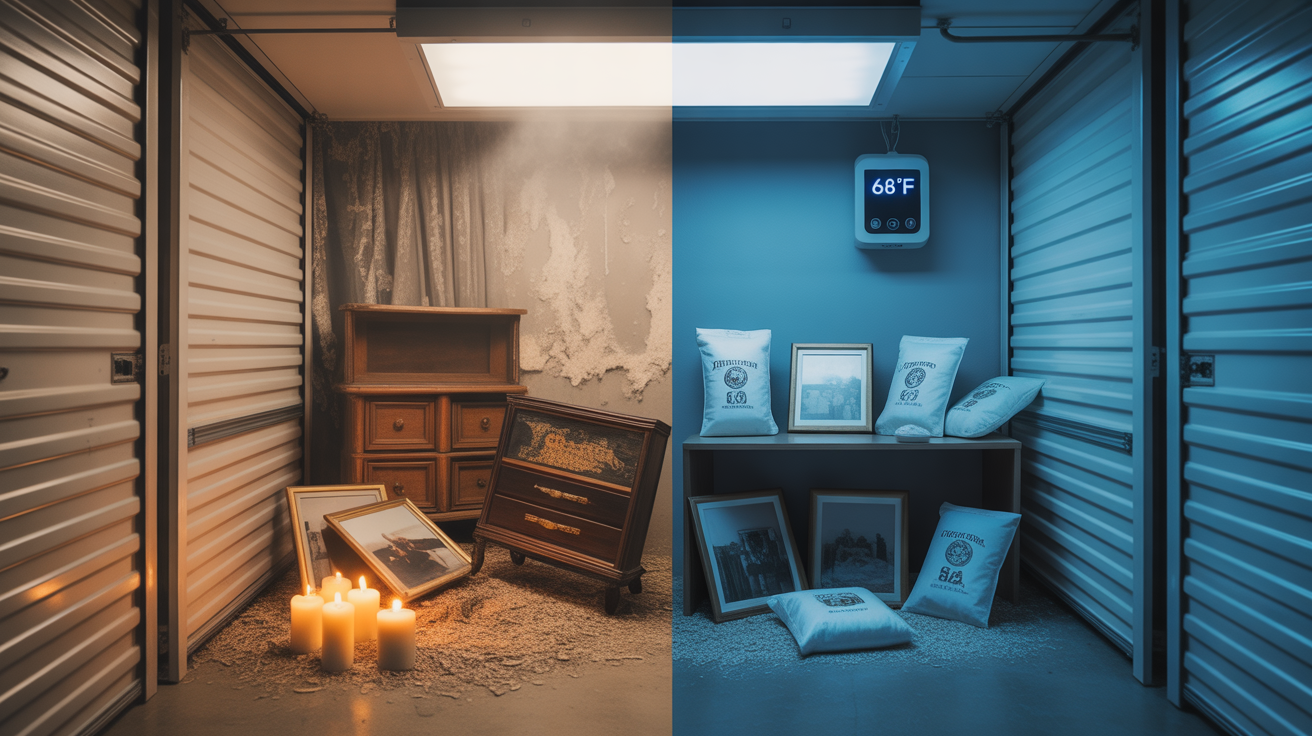
| • | Storage units without climate control can reach 100-150°F in summer, damaging electronics, wood, and plastics within days |
| • | Humidity above 60% triggers mold growth on fabrics and paper within 24-48 hours in warm conditions |
| • | Elevating items 4-6 inches off concrete floors reduces moisture absorption by up to 70% |
| • | Desiccant packs require replacement every 3-4 weeks during peak summer months in humid climates |
| • | Climate-controlled units maintain 55-80°F year-round, protecting sensitive belongings for long-term storage |
The Four Primary Summer Storage Threats
Understanding exactly what damages your belongings helps you choose the right prevention strategy. Summer introduces four distinct challenges that work together to destroy stored items: extreme heat, high humidity, UV radiation, and temperature fluctuations.
Extreme Heat Damage
Non-climate-controlled storage units in direct sunlight regularly exceed 100°F during summer months, with metal containers reaching 130-150°F internally. At these temperatures, vinyl records warp within hours, candles and cosmetics melt, and adhesives in furniture joints soften and fail. Electronics experience accelerated component aging; capacitors dry out, batteries swell or leak, and plastic housings become brittle.
Wood furniture faces particular risk. Prolonged exposure to temperatures above 90°F causes wood to lose moisture rapidly, leading to cracking, warping, and joint separation. Antique pieces with hide glue construction can completely fail as the adhesive softens. Leather goods dry out and crack, while rubber components in tools, vehicles, and sporting equipment become brittle and lose elasticity.
Humidity and Moisture Problems
Summer humidity in many regions averages 75-85%, creating ideal conditions for mold growth on organic materials. Mold spores germinate on fabrics, paper, and leather when relative humidity exceeds 60% for extended periods. In storage environments, this happens quickly because warm air holds more moisture, and when temperatures drop at night, condensation forms on cooler surfaces inside the unit.
Metal items face corrosion risk in humid conditions. Tools, bicycles, filing cabinets, and electronics contacts develop rust spots that spread rapidly in warm, moist environments. Coastal areas present additional challenges; salt-laden air accelerates corrosion significantly, requiring extra protective measures for metal belongings.
UV Radiation Effects
Direct sunlight through windows or gaps in storage structures causes fading and fiber degradation in textiles, artwork, and photographs. UV exposure breaks down dyes and pigments, leaving permanent discoloration. Plastic packaging weakens under UV light, becoming brittle and prone to cracking, which then allows moisture to reach protected items inside.
Temperature Fluctuation Damage
Regions with hot days and cool nights create a particularly destructive cycle. As temperatures swing 30-40°F between day and night, air inside storage spaces expands and contracts. This cycling causes condensation to form repeatedly on item surfaces. The constant wet-dry cycle accelerates mold growth, corrosion, and material fatigue far faster than steady high temperatures alone.
Items Most Vulnerable to Summer Heat
Not everything requires climate-controlled storage, but certain categories of belongings face severe damage risk in standard summer storage conditions. Knowing which items need extra protection helps you allocate your storage budget effectively.
Electronics and Media
Computers, televisions, gaming consoles, and audio equipment contain components that degrade rapidly above 85°F. Hard drives can fail, screens can develop dead pixels, and circuit boards may warp. Batteries left inside devices pose particular risks; lithium batteries can swell, leak, or in extreme cases, catch fire when exposed to prolonged high heat.
Vinyl records warp at temperatures above 100°F, often within just a few hours of exposure. CDs and DVDs develop data layer separation. Magnetic media like cassette tapes and older backup drives lose data integrity when stored in heat.
Wood and Leather Furniture
Solid wood furniture expands and contracts with temperature changes, causing joints to loosen and veneers to bubble or peel. Antique pieces with traditional joinery are especially vulnerable because hide glue softens at temperatures above 120°F. Modern furniture using particleboard or MDF absorbs humidity and swells, often permanently damaging the structure.
Leather upholstery and accessories dry out in heat, developing cracks that cannot be repaired. The combination of heat and humidity causes leather to grow mold in surface crevices, leaving permanent staining even after cleaning.
Documents, Books, and Artwork
Paper products absorb moisture rapidly in humid conditions, causing pages to stick together, ink to bleed, and bindings to fail. Photographs develop sticky surfaces and can fuse together permanently. Artwork on canvas may develop mold behind the frame, and oil paintings can crack as the paint layer expands and contracts differently than the canvas beneath.
Clothing and Textiles
Fabrics stored in heat and humidity develop musty odors that are difficult to remove. Natural fibers like cotton, wool, and silk attract mold and mildew, which leave permanent staining. Synthetic fabrics may not mold as readily, but they can develop permanent creases and lose elasticity when stored in high heat.
Musical Instruments
Guitars, violins, pianos, and other wooden instruments are extremely sensitive to temperature and humidity changes. Wood can crack, glue joints can fail, and strings can corrode. Piano soundboards are particularly vulnerable, with damage often requiring expensive professional repair.
Prevention Strategy 1: Choose the Right Storage Environment
The most effective protection against summer heat damage is selecting appropriate storage from the start. Climate-controlled units maintain temperatures between 55-80°F and humidity between 30-50% year-round, eliminating the primary causes of heat damage.
When Climate Control Is Essential
Climate-controlled storage is necessary when storing electronics, wood furniture, leather goods, musical instruments, artwork, photographs, important documents, wine, medications, or cosmetics for any period during summer months. If your storage location experiences temperatures above 90°F or humidity above 60% for more than a few days, sensitive items will sustain damage in standard units.
The cost difference between standard and climate-controlled storage typically ranges from $25-75 per month for comparable unit sizes. For a 10x10 unit, expect to pay $150-300 monthly for climate control versus $100-200 for standard storage. This premium is significantly less than replacing damaged electronics, refinishing warped furniture, or losing irreplaceable photographs and documents.
Evaluating Non-Climate-Controlled Options
If budget constraints require standard storage, prioritize units with these features: interior location within a larger building rather than exterior-facing walls, concrete construction rather than metal, north-facing orientation to minimize direct sun exposure, and good ventilation. Avoid top-floor units in multi-story buildings, as heat rises and these spaces experience the highest temperatures.
For vehicle storage and items that tolerate temperature variation, such as seasonal decorations, outdoor furniture, and sporting equipment, standard drive-up storage units provide convenient access while offering adequate protection from direct weather exposure.
Prevention Strategy 2: Control Moisture Proactively
Even in climate-controlled environments, moisture management requires active attention during summer months. Humidity can enter units when doors open, and condensation can form on items brought in from air-conditioned spaces.
Using Desiccants Effectively
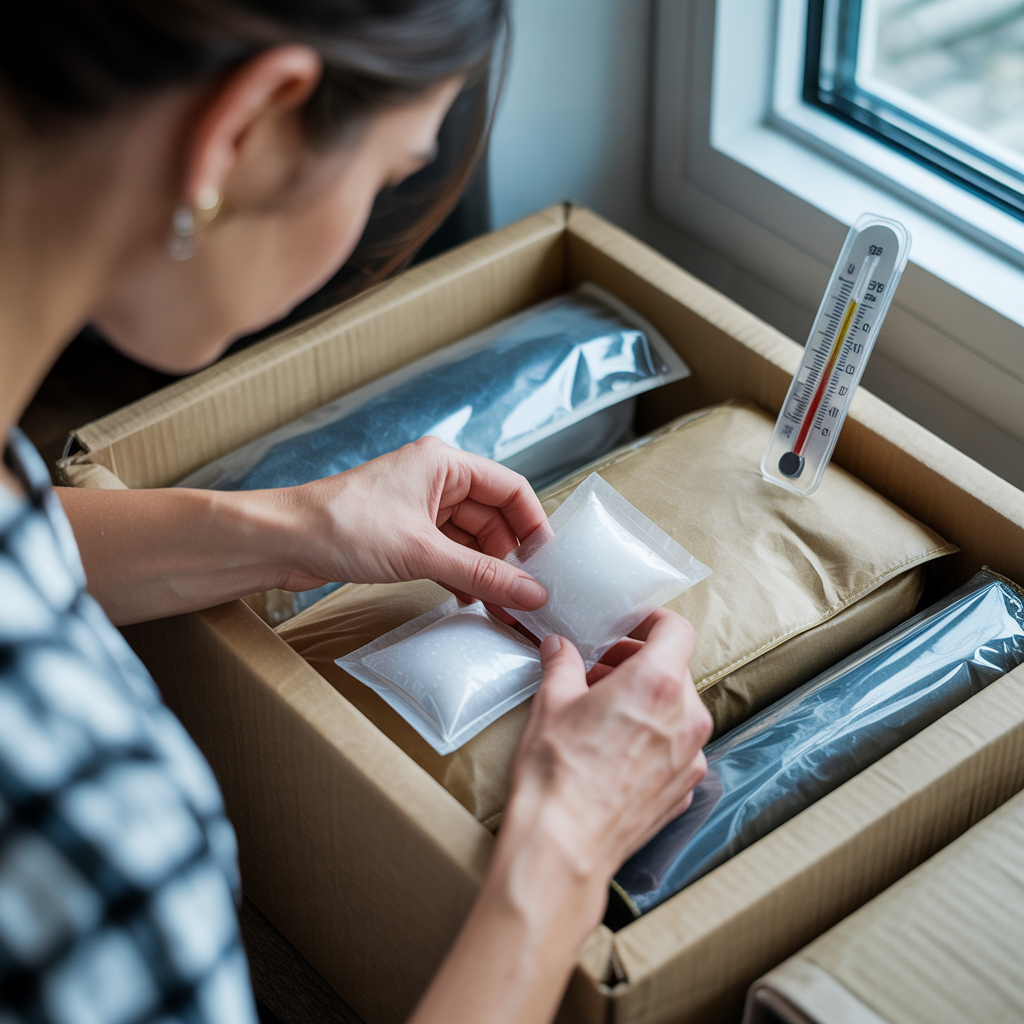
Silica gel packets absorb moisture from the air, protecting nearby items from humidity damage. Place desiccants in corners of the storage unit, inside boxes containing sensitive items, and on upper shelves where warm, humid air collects. A 10x10 storage unit requires approximately 2-3 pounds of silica gel for effective moisture control.
During summer months with humidity averaging above 70%, check and replace desiccants every 3-4 weeks. Many silica gel products include indicator beads that change color when saturated. Rechargeable desiccants can be dried in a low oven and reused, reducing long-term costs.
Vapor Barriers for Ground Moisture
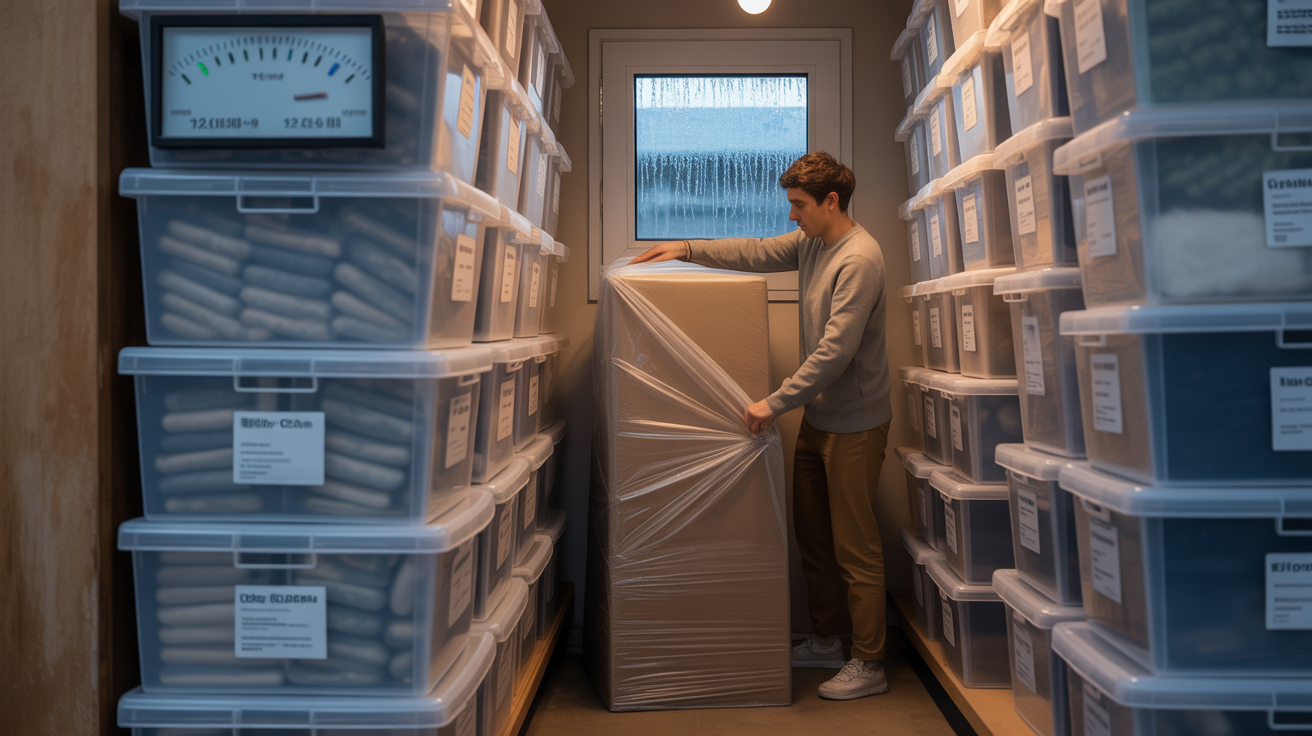
Concrete floors transmit moisture upward through capillary action, especially during humid summer months. Heavy-duty plastic sheeting (6 mil thickness minimum) placed on the floor before loading creates a vapor barrier that blocks this moisture transfer. Overlap seams by at least 6 inches and extend the barrier several inches up the walls for maximum protection.
Dehumidification Options
For storage in particularly humid climates or spaces with known moisture issues, a small electric dehumidifier can maintain safe humidity levels. Units rated for 500-1,000 square feet cost $150-300 and use approximately 300-500 watts. Ensure your storage facility allows electrical devices and that you can safely drain or empty the collection reservoir regularly.
Prevention Strategy 3: Elevate Everything Off the Floor
Direct contact with concrete or bare ground allows moisture to wick into boxes, furniture, and other items from below. This moisture transfer continues even when air humidity is low, making floor contact a hidden source of damage.
Elevation Methods
Wooden pallets provide inexpensive, effective elevation for boxes and furniture. Standard pallets lift items 4-6 inches off the floor, allowing air circulation beneath and blocking moisture transfer. Plastic pallets resist moisture better than wood and do not harbor pests, making them ideal for long-term storage.
Wire shelving units maximize vertical space while keeping items elevated. Adjustable shelving allows you to customize heights for different items. Metal shelving resists humidity better than particleboard alternatives, which can absorb moisture and sag over time.
For individual pieces of furniture, furniture risers or cinder blocks provide stable elevation. Place protective material between risers and furniture legs to prevent scratching or moisture transfer through direct contact.
Prevention Strategy 4: Pack and Wrap Items Correctly
Proper packing creates a microenvironment around each item that buffers against temperature and humidity changes. The right materials and techniques make a significant difference in protection levels.
Container Selection
Plastic storage bins with tight-fitting lids protect against moisture, dust, and pests far better than cardboard boxes. Clear bins allow you to identify contents without opening, reducing the time items are exposed to ambient conditions. For long-term storage, bins with rubber gasket seals provide the best moisture protection.
When cardboard is necessary, use new, sturdy boxes rather than recycled ones that may have absorbed moisture or harbor pests. Tape all seams completely and consider lining the interior with plastic sheeting for moisture-sensitive contents.
Wrapping Techniques by Item Type
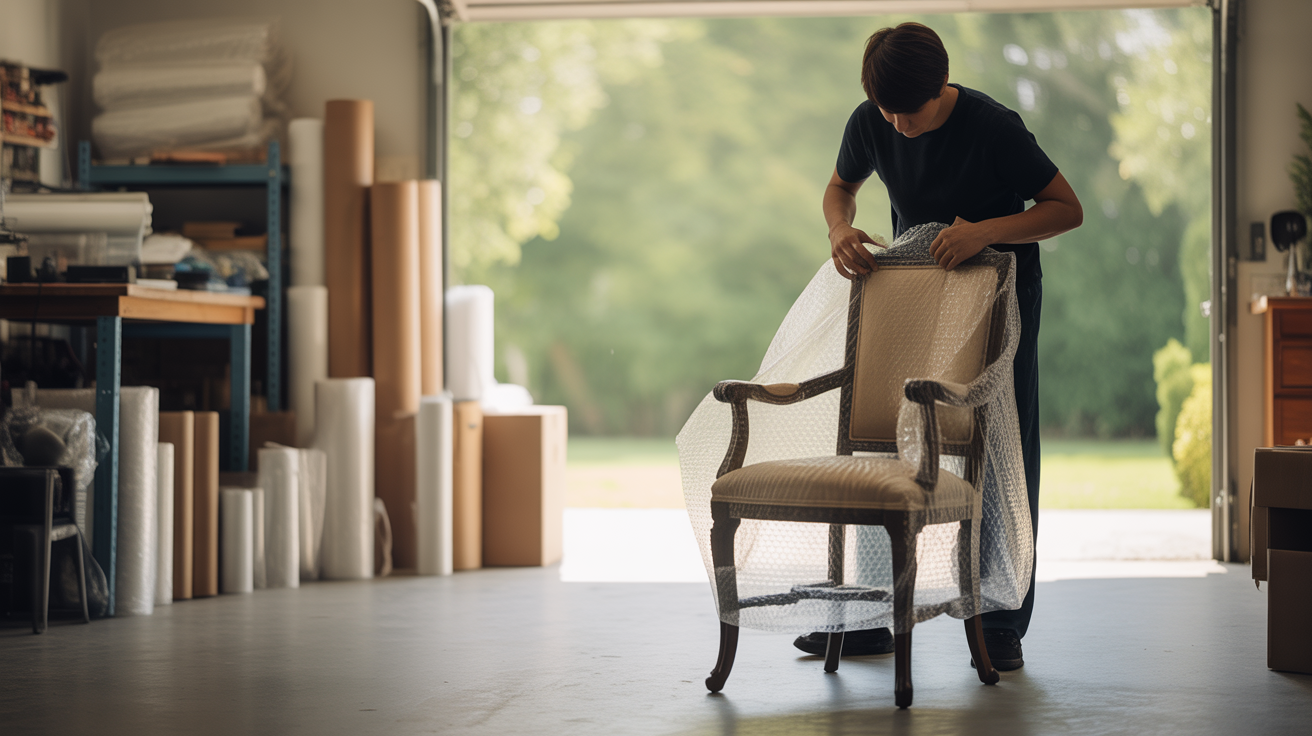
Furniture: Wrap wood pieces in moving blankets first to allow airflow, then cover with furniture bags or plastic wrap. Never wrap leather directly in plastic; condensation can form between the leather and plastic, causing mold and permanent damage. Use breathable cotton covers for leather items.
Electronics: Wrap in anti-static bubble wrap to prevent both physical damage and static discharge that can harm components. Place silica gel packets inside the wrapping before sealing. Remove all batteries before storage to prevent leakage and corrosion.
Clothing: Clean all items before storage; body oils and food residue attract pests and promote mold growth. Use breathable garment bags for hanging items and acid-free tissue paper between folded layers. Avoid thin plastic bags, which trap moisture against fabric.
Documents and photos: Use acid-free folders, boxes, and tissue paper to prevent yellowing and deterioration. Store flat rather than rolled to prevent permanent curling. For valuable documents, consider archival-quality sleeves that provide additional protection.
Prevention Strategy 5: Maintain Airflow Inside Your Unit
Stagnant air allows heat and humidity to concentrate in pockets, creating localized damage even when overall conditions seem acceptable. Strategic arrangement promotes air circulation throughout the space.
Layout Best Practices
Leave 2-3 inches between items and walls to allow air movement around the perimeter. Create a center aisle if possible, allowing air to circulate through the middle of the unit. Avoid stacking items tightly to the ceiling; leave at least 6 inches for air movement above the highest items.
Place moisture-sensitive items away from exterior walls, which experience the greatest temperature fluctuations. Position items you need to access frequently near the front to minimize the time the unit door stays open during visits.
Supplemental Ventilation
In units without built-in ventilation, a small battery-powered fan can improve air circulation during summer months. Solar-powered fans designed for RV ventilation work well in storage units with any light exposure. Even minimal air movement significantly reduces condensation and mold risk.
Climate-Specific Considerations
Storage challenges vary significantly by region. Understanding your local climate helps you prioritize the right prevention strategies.
Mountain and High-Altitude Storage
Mountain regions like Estes Park experience significant day-night temperature swings, often 30-40°F or more. This cycling creates repeated condensation events inside storage units. Insulated units and aggressive moisture control with desiccants are essential. The lower humidity typical of mountain climates reduces mold risk but increases wood cracking from rapid moisture loss.
UV exposure intensifies at higher altitudes, making shade and UV-blocking covers more important for any items stored in areas with light exposure. Learn more about our facility features designed to address these local conditions.
Coastal and High-Humidity Regions
Coastal areas with summer humidity averaging 75-85% require the most aggressive moisture control. Double the typical desiccant quantities and check moisture absorbers weekly during peak summer months. Salt air accelerates metal corrosion; apply protective coatings or wrap metal items in vapor-barrier materials.
Hot, Dry Climates
Desert regions present extreme heat but lower humidity challenges. Temperatures in non-climate-controlled units can exceed 150°F. Climate control is essential for any heat-sensitive items. The low humidity reduces mold risk but accelerates drying damage to leather, rubber, and wood. Use humidifier packs inside sealed containers with items that need moisture retention.
Monitoring Your Storage Unit During Summer
Regular inspection catches problems before they cause permanent damage. Establish a checking schedule based on your storage contents and local climate conditions.
Inspection Frequency
For climate-controlled units with properly packed contents, monthly inspections during summer are typically sufficient. For standard units, inspect every 2-3 weeks during peak heat months. If you notice any signs of moisture, mold, or pest activity, increase frequency to weekly until the issue is resolved.
What to Look For
Check for musty odors, which indicate mold growth often before visible signs appear. Look for condensation on plastic bins, metal items, or the unit walls. Inspect desiccant indicators and replace saturated packets. Examine cardboard boxes for soft spots indicating moisture absorption. Check fabric items for any discoloration or texture changes.
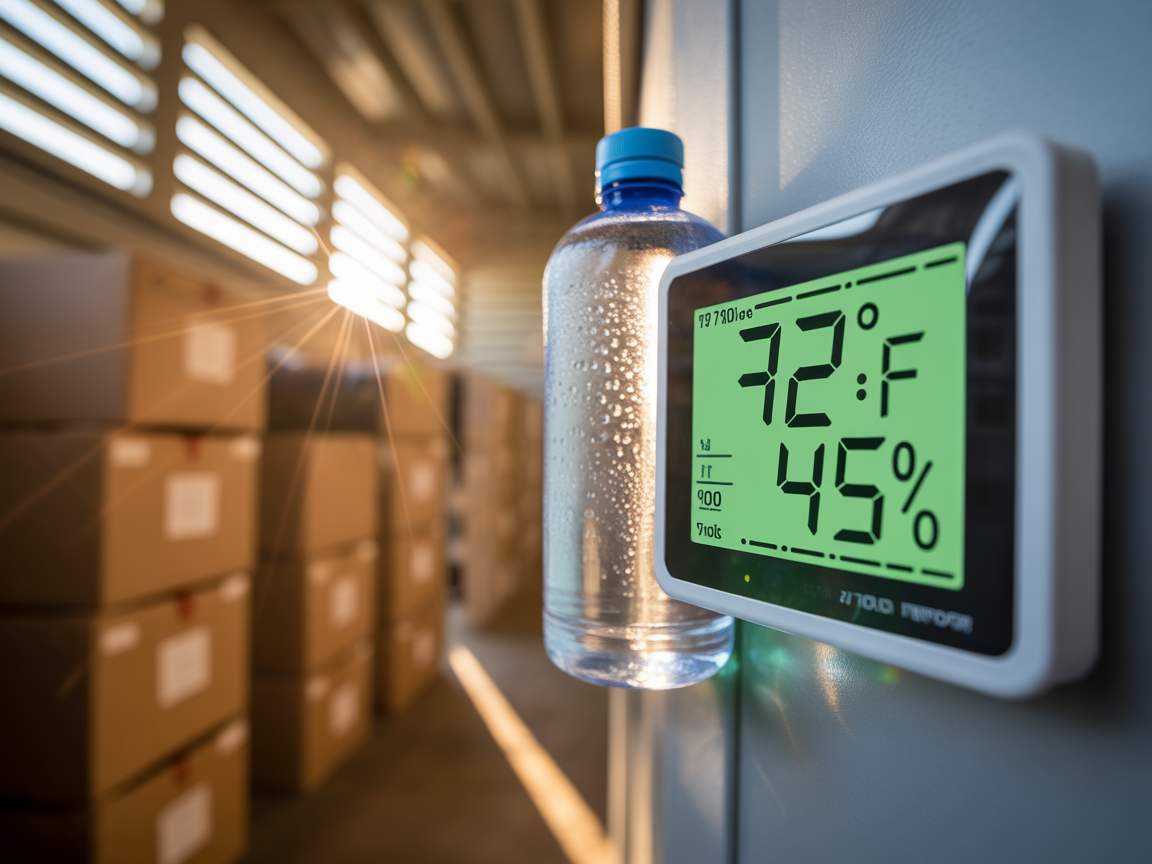
Temperature and humidity monitors cost $15-30 and provide valuable data about conditions inside your unit. Models with memory functions record highs and lows between visits, alerting you to problematic conditions even if current readings seem acceptable.
Choosing the Right Unit Size for Proper Airflow
Overpacked units restrict airflow and make inspection difficult. Selecting a unit with adequate space for your belongings plus room for air circulation improves protection and accessibility.
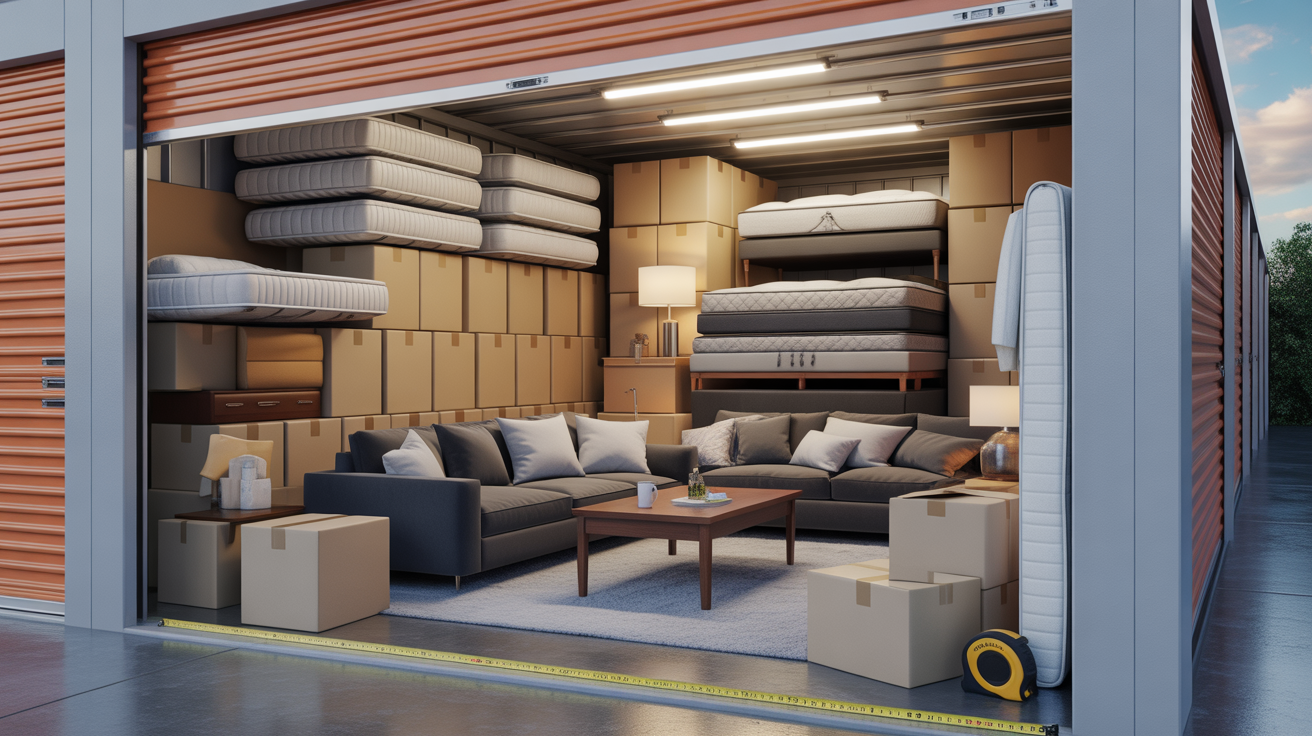
A general rule: choose a unit 25-50% larger than the minimum space your items require. This extra space allows proper arrangement with airflow gaps and makes it easier to access items without disturbing the entire unit. Our storage unit size guide helps you determine the right dimensions for your specific needs.
Frequently Asked Questions
How hot do storage units get in summer without climate control?
Non-climate-controlled storage units regularly reach 100-120°F during summer months, with metal containers in direct sunlight exceeding 150°F. These temperatures damage electronics within hours, warp vinyl and plastics, and cause wood furniture to crack. Climate-controlled units maintain 55-80°F year-round regardless of outdoor conditions.
What should not be stored in a hot garage or storage unit?
Avoid storing electronics, batteries, vinyl records, musical instruments, leather goods, medications, cosmetics, wine, photographs, important documents, candles, and any items with adhesive components in non-climate-controlled spaces during summer. These items sustain damage at temperatures above 85-90°F or humidity above 60%.
How can I keep my storage unit cool without climate control?
Choose interior units rather than exterior-facing walls, select ground-floor locations in multi-story buildings, ensure the unit has adequate ventilation, use reflective covers on items near any light exposure, and visit during cooler morning hours to minimize heat introduction when the door opens. These measures reduce temperatures by 10-20°F but cannot match climate-controlled conditions.
Are desiccant packs enough to protect my belongings, or do I need climate control?
Desiccants effectively control humidity but do not reduce temperature. For items sensitive only to moisture, such as clothing, documents, and some metals, desiccants in a well-ventilated standard unit may provide adequate protection. For items sensitive to heat, including electronics, wood furniture, and plastics, climate control is necessary regardless of humidity management.
How often should I check my storage unit during summer?
Inspect climate-controlled units monthly and standard units every 2-3 weeks during summer months. Increase frequency to weekly if you notice any signs of moisture, mold, unusual odors, or pest activity. Each visit, check desiccant indicators, look for condensation, and examine items for any changes in condition.
What is the best way to protect furniture from heat damage in storage?
Wrap wood furniture in moving blankets to allow airflow, then cover with furniture bags. Apply furniture polish or wax before storage to protect finishes. Elevate pieces off concrete floors using pallets or risers. For valuable antiques or pieces with veneer, climate-controlled storage is essential to prevent cracking, warping, and glue failure.
|