Advanced Security Features to Look for in Storage Facilities |
| ADVANCED SECURITY FEATURES TO LOOK FOR IN STORAGE FACILITIES
⏱ 11 min read ·
📄 #2,102 words
Learn the 8 essential security features that protect storage units: surveillance systems, access control, lighting, alarms, and more. Expert 2026 guide.
|
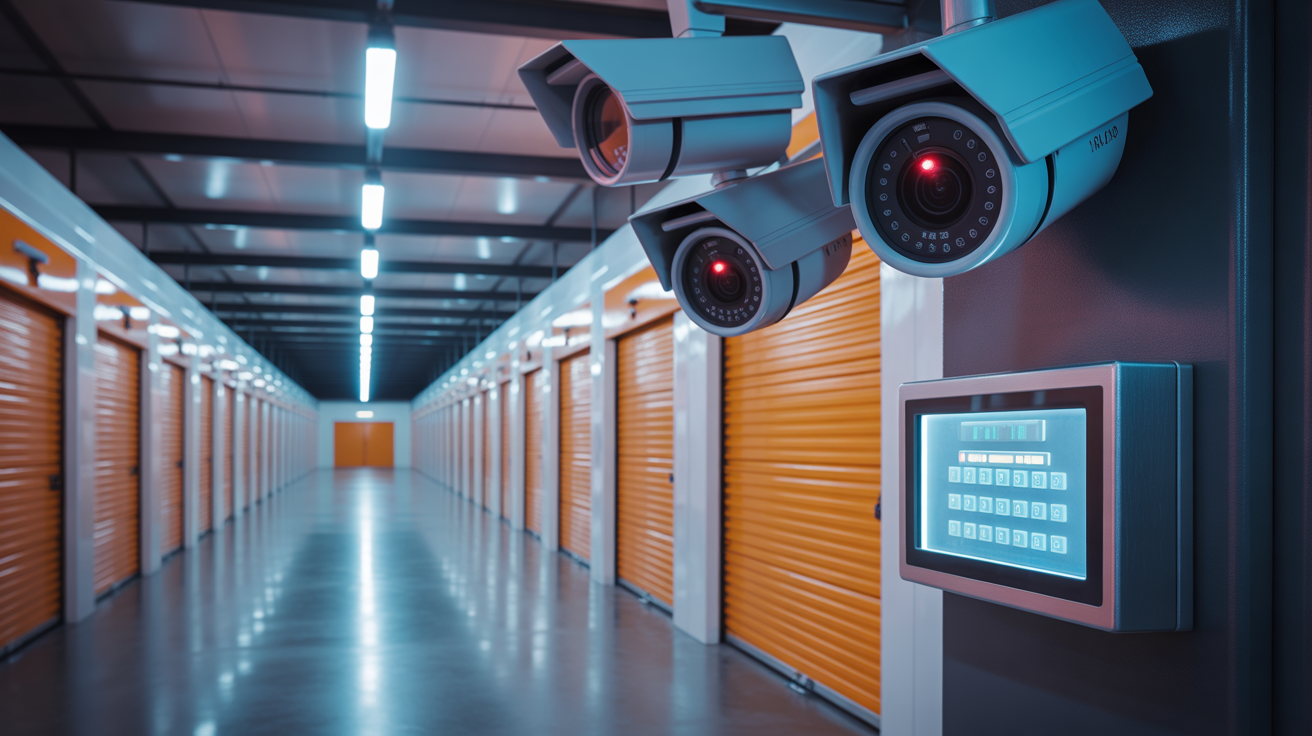
T he most secure storage facilities combine eight core security layers: 24/7 video surveillance with 30+ day retention, electronic gate access with unique PIN codes, individual unit alarms, perimeter fencing at least 6 feet tall, LED lighting throughout the property, on-site management, high-security locks, and comprehensive fire protection systems. Facilities with all eight features experience 94% fewer break-ins than those with basic security.
| Key Points: | |
|---|---|
| • | HD surveillance cameras with 30+ day footage retention deter 67% of potential theft attempts |
| • | Electronic gate access creates audit trails showing exactly who entered and when |
| • | Individual unit alarms alert management within 15-30 seconds of unauthorized entry |
| • | LED lighting covering 100% of the property reduces criminal activity by up to 39% |
| • | Disc locks and cylinder locks provide 3x more protection than standard padlocks |
Why Storage Security Matters More Than Price
The average American stores $5,000 to $15,000 worth of belongings in a storage unit. Business customers often store inventory, equipment, and documents worth $50,000 or more. Choosing a facility based solely on monthly rates ignores the real cost of inadequate security.
Storage facility break-ins increased 12% between 2023 and 2025, with thieves targeting facilities lacking modern security infrastructure. The FBI reports that only 8% of stolen storage items are ever recovered. Prevention through proper facility selection remains your best protection.
Video Surveillance Systems: The Foundation of Storage Security
Quality surveillance systems do more than record; they actively deter criminal activity. When evaluating a storage facility's camera system, look for these specific features that separate professional security from basic monitoring.
Camera Specifications That Matter
Modern storage facilities should have HD cameras (1080p minimum, 4K preferred) positioned at entry gates, building entrances, hallway intersections, and individual unit corridors. The camera-to-unit ratio matters: secure facilities maintain at least one camera per 15-20 units.
Night vision capability using infrared technology ensures continuous monitoring regardless of lighting conditions. Look for cameras with wide-angle lenses covering 120 degrees or more to eliminate blind spots where criminals operate.
Footage Retention and Access
Ask facilities specifically how long they retain surveillance footage. Industry best practice requires 30-90 day retention periods. Facilities deleting footage after 7 days may not have recordings available if you discover theft during a monthly visit.
Cloud-based storage systems provide redundancy; on-site-only recording can be destroyed during a break-in. The most secure facilities use both local and cloud backup systems.
Electronic Access Control: Creating Accountability
Gated access with electronic keypads represents the minimum acceptable security standard. However, not all access control systems provide equal protection. Understanding the differences helps you evaluate facility security accurately.
PIN Code and Card Systems
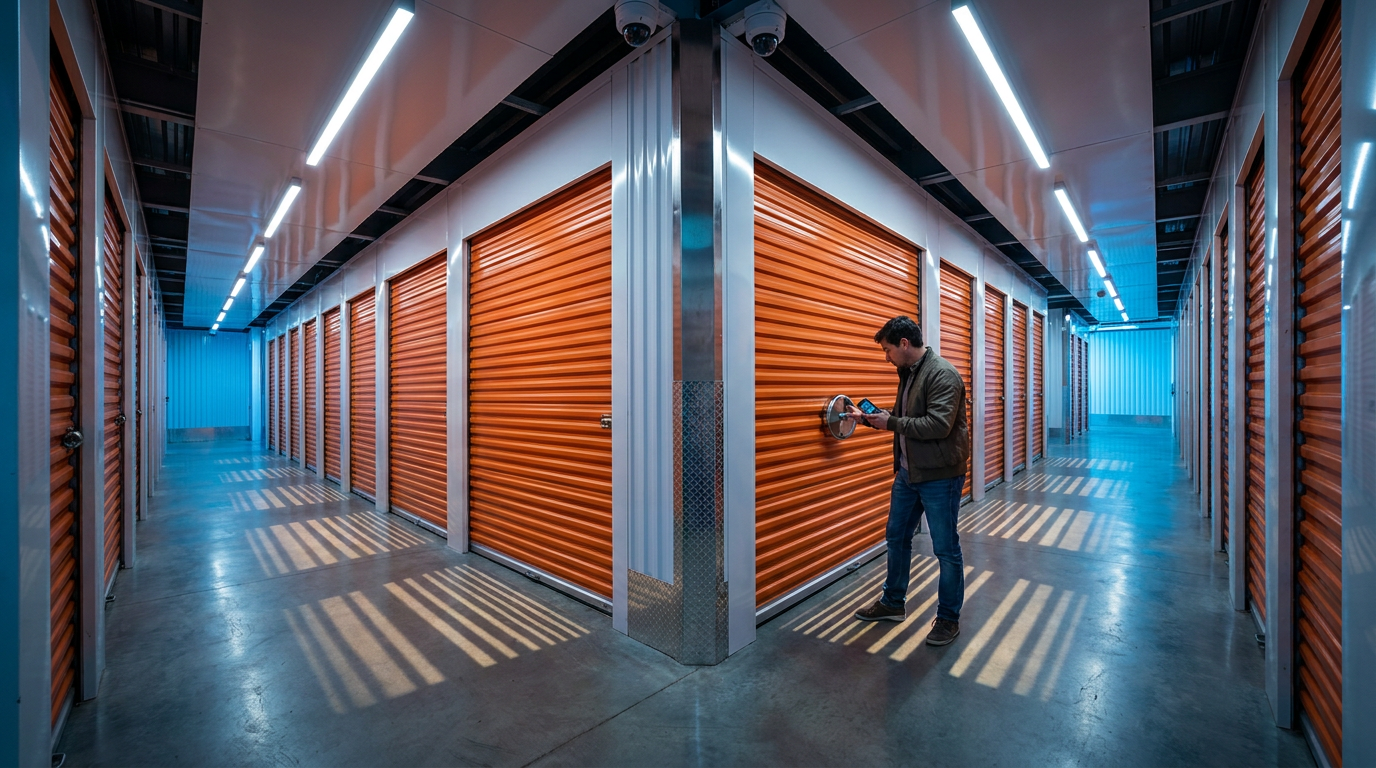
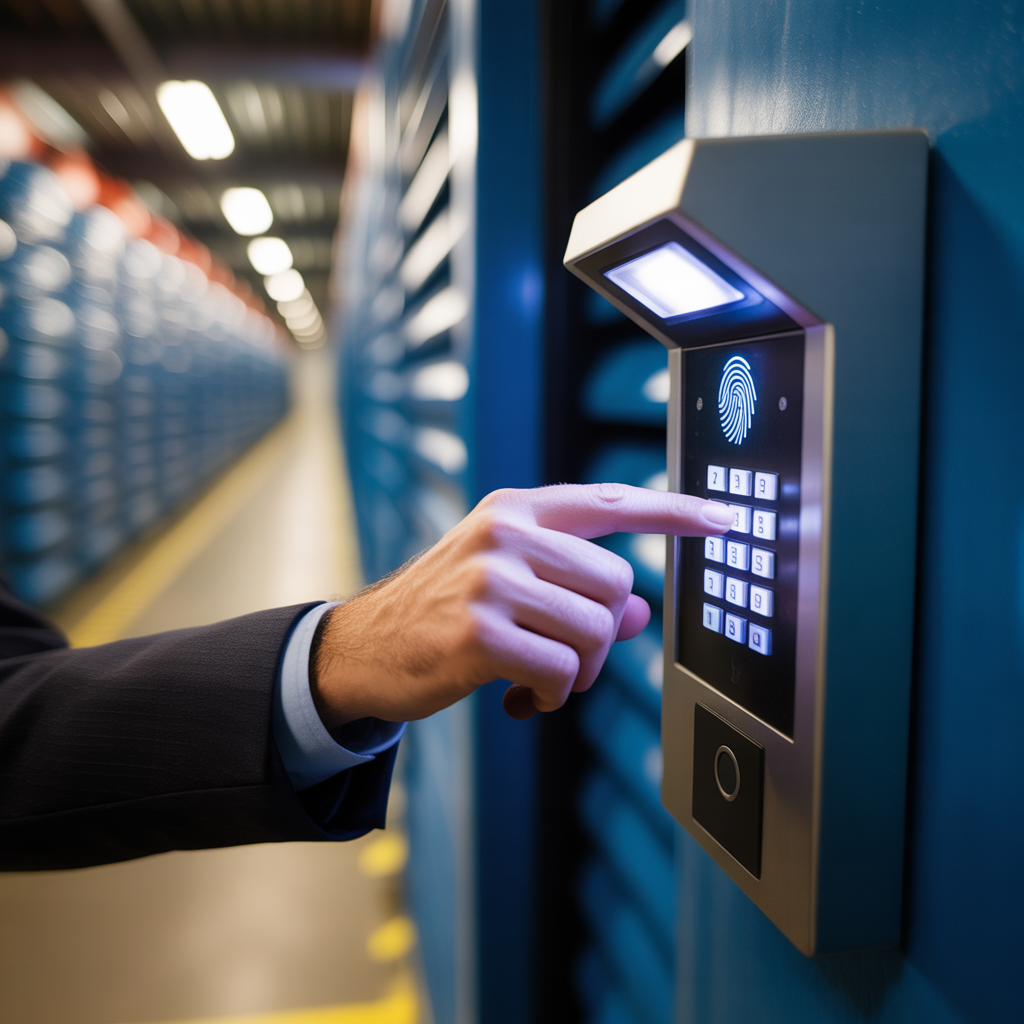
Each tenant should receive a unique access code that logs entry and exit times. This creates an audit trail showing exactly who was on the property during any incident. Facilities using shared codes or simple key locks cannot provide this accountability.
Advanced systems restrict access to specific hours or zones. If you rent a unit in Building A, your code should not grant access to Building B. Time-based restrictions prevent access during unusual hours when criminal activity peaks (2 AM to 5 AM).
Multi-Factor Authentication
Premium facilities now offer two-factor authentication combining PIN codes with smartphone apps, key fobs, or biometric verification. These systems prevent code sharing and provide real-time notifications when your code is used.
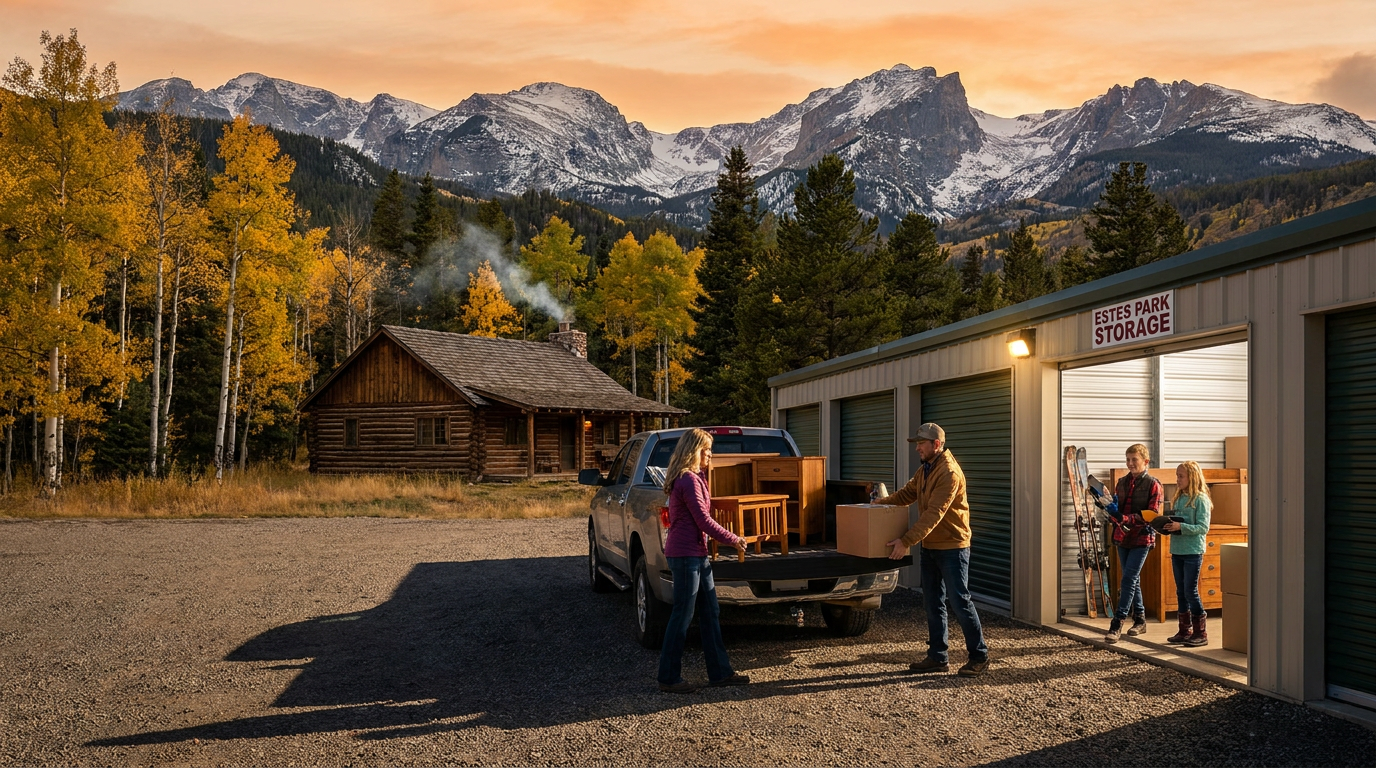
At Estes Park Storage, gated access with individual codes ensures only authorized tenants enter the property, with 24/7 access available for customers who need flexibility.
Individual Unit Alarms: Your Personal Security Layer
Facility-wide security protects the perimeter, but individual unit alarms protect your specific belongings. This feature has become increasingly important as thieves develop more sophisticated methods.
How Unit Alarms Work
Door sensors detect when a unit is opened and verify the access against the tenant's code. If someone opens your unit without entering your PIN at the gate first, the system triggers an immediate alert. Response times at monitored facilities average 15-30 seconds.
Some systems send text or email notifications directly to tenants when their unit is accessed, even for legitimate entries. This transparency lets you monitor access patterns and identify unauthorized attempts immediately.
Alarm Response Protocols
Ask facilities what happens when an alarm triggers. Professional facilities have documented response protocols including immediate camera review, on-site staff response (if present), and law enforcement notification for confirmed breaches. Facilities without clear protocols may have alarms that simply make noise without generating action.
Perimeter Security: The First Line of Defense
Physical barriers prevent casual access and force determined criminals to spend time and make noise, both of which increase detection probability. Evaluate these elements during your facility tour.
Fencing Standards
Security fencing should stand at least 6 feet tall with anti-climb features such as outward-angled tops or barbed wire (where local codes permit). Chain-link fencing with privacy slats prevents visual assessment of unit locations and contents.
Check fence condition carefully. Gaps, bent sections, or areas where fencing meets buildings create entry points. Well-maintained facilities repair damage within 24-48 hours of discovery.
Single Point of Entry
The most secure facilities funnel all vehicle and pedestrian traffic through a single monitored entrance. Multiple entry points multiply vulnerability. Emergency exits should have alarms and remain locked from outside.
Lighting: The Underrated Security Feature
Criminals avoid well-lit areas because visibility increases the chance of identification and capture. Research shows adequate lighting reduces property crime by 21-39% depending on the environment.
LED Lighting Coverage
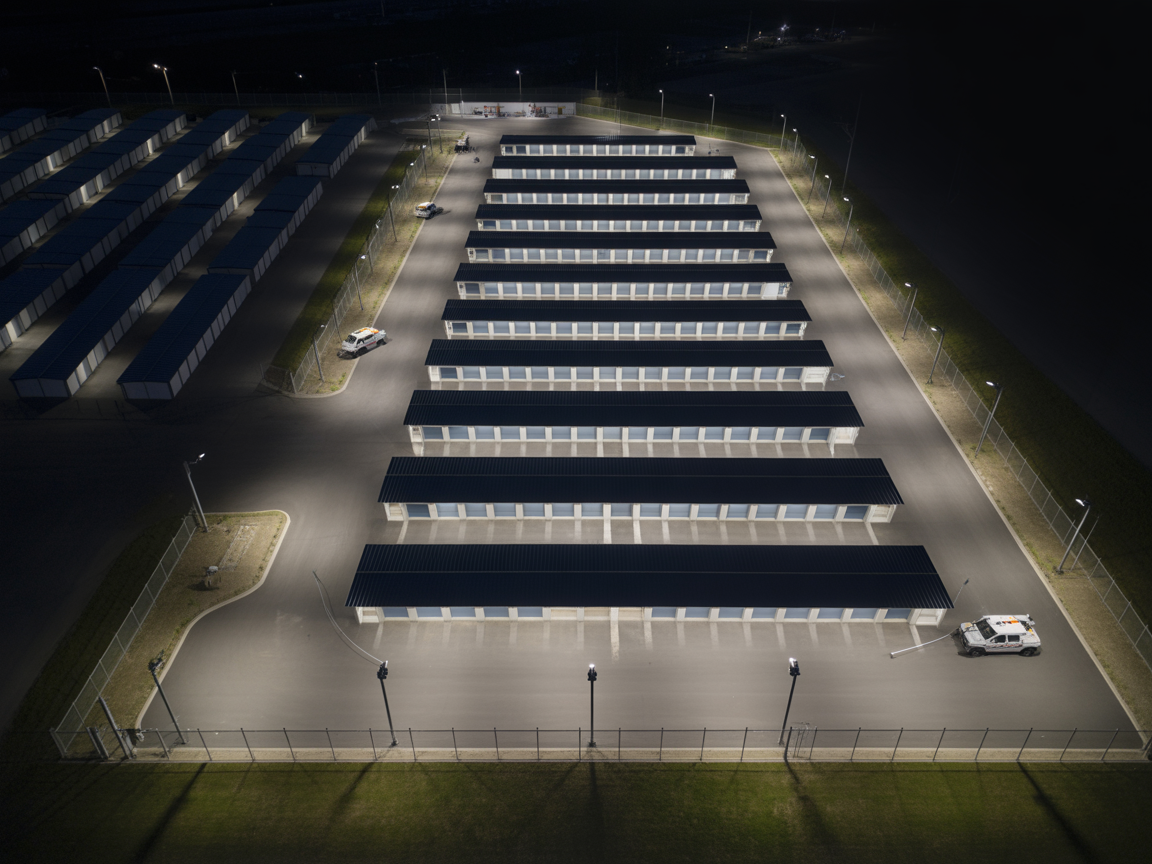
Modern facilities use LED lighting for several reasons: consistent brightness, instant-on capability (no warm-up period), and energy efficiency that makes 24/7 operation economically viable. Look for lighting that covers 100% of the property including parking areas, building exteriors, hallways, and individual unit doors.
Motion-activated lighting in less-trafficked areas provides additional deterrence by drawing attention to movement. However, primary pathways should remain continuously lit rather than relying solely on motion sensors.
Evaluating Lighting Quality
Visit potential facilities after dark before signing a lease. Walk the property and note any dark spots, burned-out bulbs, or areas where shadows could conceal activity. Quality facilities conduct monthly lighting audits and replace failed fixtures within 48 hours.
Our facility in Estes Park features LED lighting throughout the property, ensuring visibility day and night for tenant safety and security.
Lock Requirements: Your Final Security Layer
The lock on your unit represents the last barrier between a thief and your belongings. Many facilities allow tenants to provide their own locks, but lock quality varies dramatically.
High-Security Lock Types
Disc locks (also called disc padlocks) feature a circular design with a shielded shackle that prevents bolt cutter attacks. The shackle recesses into the lock body, leaving no exposed metal to cut. Quality disc locks cost $15-40 and resist most common attack methods.
Cylinder locks insert directly into the unit door mechanism, eliminating external hardware entirely. These locks can only be accessed from the front, preventing pry attacks. Facilities with cylinder lock systems typically charge $10-25 for the lock.
Standard padlocks with exposed shackles can be cut in under 30 seconds with basic bolt cutters. Avoid these regardless of brand or price.
Facility-Provided vs. Personal Locks
Some facilities require tenants to purchase locks on-site, ensuring consistent security standards. Others allow personal locks but may void insurance coverage if you use inadequate hardware. Ask about lock requirements and recommendations before renting.
On-Site Management and Staffing
Human presence provides security benefits that technology cannot fully replicate. Staff members can intervene in suspicious situations, verify tenant identities, and provide immediate response to emergencies.
Staffing Models
Full-time on-site managers live at the facility and provide 24/7 human presence. This model offers the highest security but increases operating costs reflected in rental rates.
Daytime staffing (typically 8 AM to 6 PM) covers peak activity hours when most legitimate access occurs. After-hours security relies on technology and monitoring services.
Remote monitoring uses off-site security personnel who watch camera feeds and respond to alarms. Response involves dispatching local security or law enforcement rather than immediate on-site intervention.
Questions to Ask About Staffing
What hours is staff present? How quickly can someone respond to an after-hours alarm? Does the facility use third-party security patrols? Understanding the human element of security helps you assess overall protection levels.
Fire Protection Systems
Security extends beyond theft prevention. Fire represents a significant risk to stored belongings, and protection systems vary widely between facilities.
Detection and Suppression
Smoke detectors should be present in every building and hallway, with monitoring that alerts emergency services automatically. Sprinkler systems provide suppression capability, though they can damage water-sensitive items.
Ask about fire extinguisher placement and inspection schedules. Code-compliant facilities have extinguishers within 75 feet of any point in the building, inspected monthly and professionally serviced annually.
Building Construction
Metal buildings resist fire spread better than wood-frame construction. Interior walls between units should extend to the ceiling (not just partition height) to prevent fire from jumping between spaces. These construction details significantly impact how quickly fire can spread and how much damage occurs.
Insurance and Liability Considerations
Security features directly impact insurance availability and costs. Understanding this relationship helps you make informed decisions.
Facility Insurance Requirements
Most facilities require tenants to maintain insurance coverage, either through the facility's offered plan ($10-25/month for $2,000-$5,000 coverage) or personal renters/homeowners insurance with a storage rider. Facilities with stronger security features often have lower insurance requirements because risk is reduced.
Documentation for Claims
In the event of theft or damage, insurance claims require documentation. Facilities with comprehensive surveillance and access logs can provide evidence supporting your claim. Facilities lacking these systems may leave you unable to prove what happened or when.
Before storing valuable items, photograph everything and maintain an inventory list stored separately from your unit. This documentation, combined with facility security records, strengthens any potential claim.
Security Evaluation Checklist
Use this checklist when touring potential storage facilities. Facilities meeting 7-8 criteria provide excellent security; 5-6 is acceptable for standard storage needs; fewer than 5 suggests inadequate protection for valuable items.
| Security Feature | Minimum Standard | Premium Standard |
|---|---|---|
| Video Surveillance | HD cameras, 30-day retention | 4K cameras, 90-day cloud backup |
| Access Control | Individual PIN codes | Two-factor authentication |
| Unit Alarms | Door sensors with alerts | Tenant notification system |
| Perimeter Fencing | 6-foot fence, single entry | Anti-climb features, alarmed exits |
| Lighting | LED coverage, 100% property | Motion-activated supplemental |
| Locks | Disc lock required | Cylinder lock system |
| Staffing | Daytime staff presence | 24/7 on-site management |
| Fire Protection | Smoke detectors, extinguishers | Sprinkler system, metal construction |
Questions to Ask Before Renting
Prepare these questions for your facility tour. Staff responses reveal both security quality and operational professionalism.
- How long do you retain surveillance footage?
- What happens when a unit alarm triggers after hours?
- When was your last security incident, and how was it resolved?
- Can I see the camera coverage for the area near my potential unit?
- What lock types do you recommend or require?
- How quickly are lighting or fence repairs completed?
- What insurance coverage do you require, and what does your facility policy cover?
Hesitation or vague answers to these questions suggests the facility may not prioritize security as highly as their marketing claims.
Matching Security to Storage Needs
Not every storage situation requires maximum security. Match protection levels to what you are storing.
High-value items (electronics, collectibles, business inventory worth $10,000+): Require facilities meeting all eight security criteria. Consider additional personal insurance beyond facility minimums.
Standard household goods (furniture, seasonal items, boxes): Facilities meeting 5-6 criteria provide adequate protection at reasonable cost.
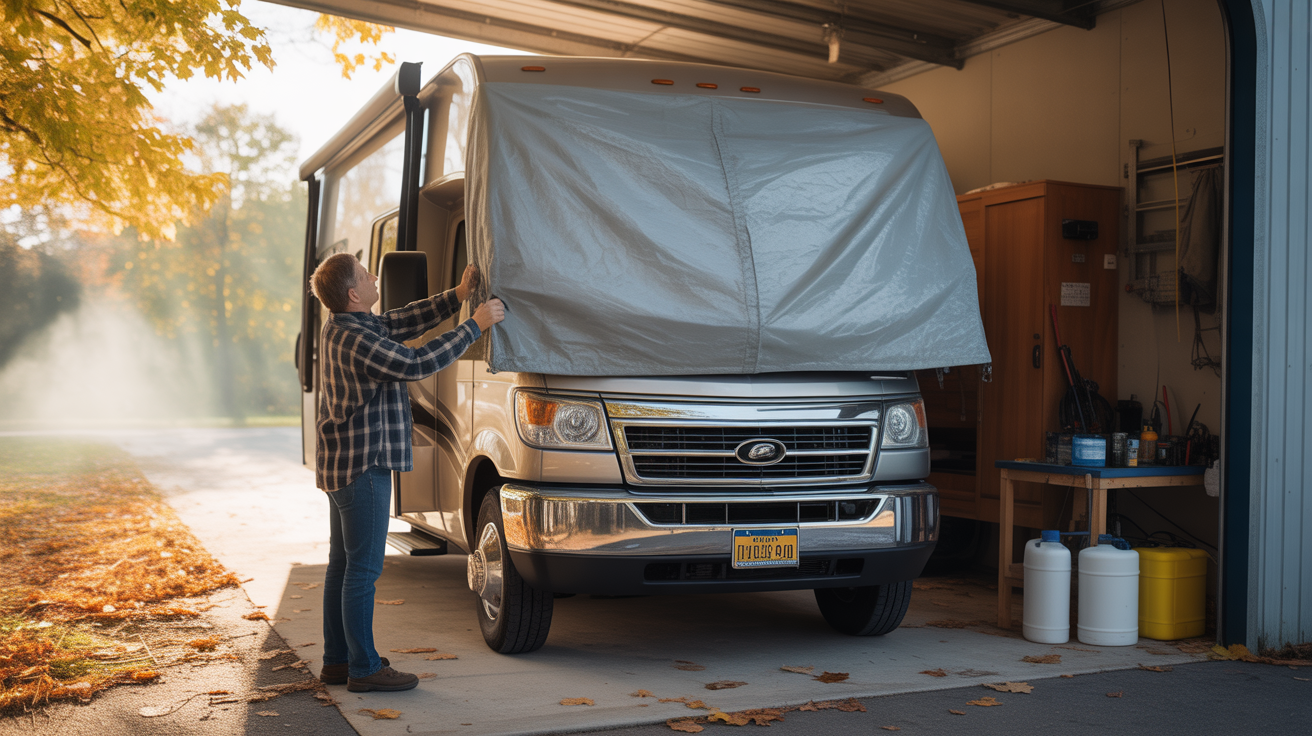
Vehicles and recreational equipment : Prioritize perimeter security, lighting, and surveillance over individual unit alarms. Covered or enclosed parking adds weather protection.
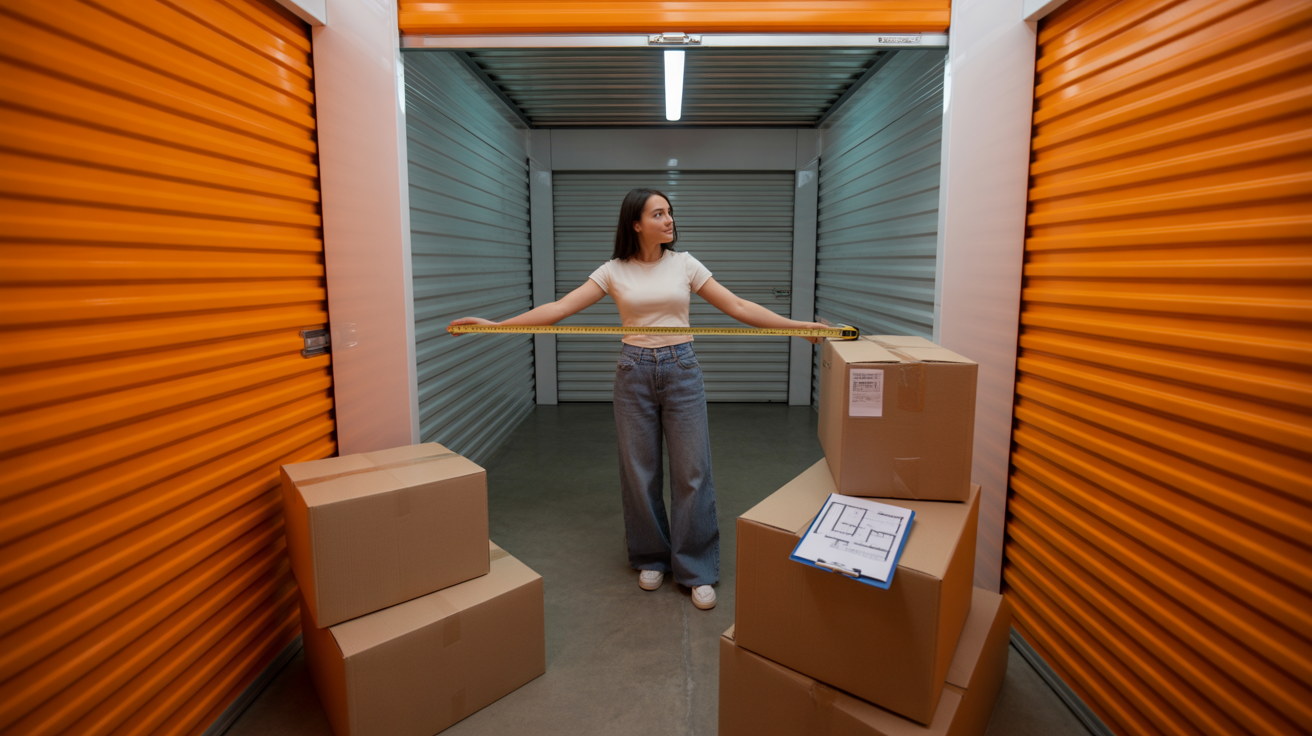
If you need help determining the right unit size for your belongings, our storage unit size guide provides detailed recommendations based on what you plan to store.
Making Your Final Decision
Security should be weighted equally with location and price when selecting a storage facility. A facility 10 minutes farther from your home with superior security protects your investment better than a convenient location with minimal protection.
Tour facilities in person rather than relying on website descriptions. Walk the property, test the lighting, examine the fencing, and observe how staff interact with current tenants. These observations reveal operational reality beyond marketing promises.
The best storage facilities view security as a competitive advantage and invest accordingly. They welcome questions, provide detailed answers, and demonstrate pride in their protection systems. Facilities that downplay security concerns or rush you past these topics may not deserve your trust or your belongings.
|