How to Calculate Storage Unit Size Needed: Complete Guide |
| HOW TO CALCULATE STORAGE UNIT SIZE NEEDED
⏱ 8 min read ·
📄 #1,451 words
Calculate your storage unit size in 3 steps: measure items, total cubic feet, match to unit. Use our guide to find the perfect fit for your belongings.
|
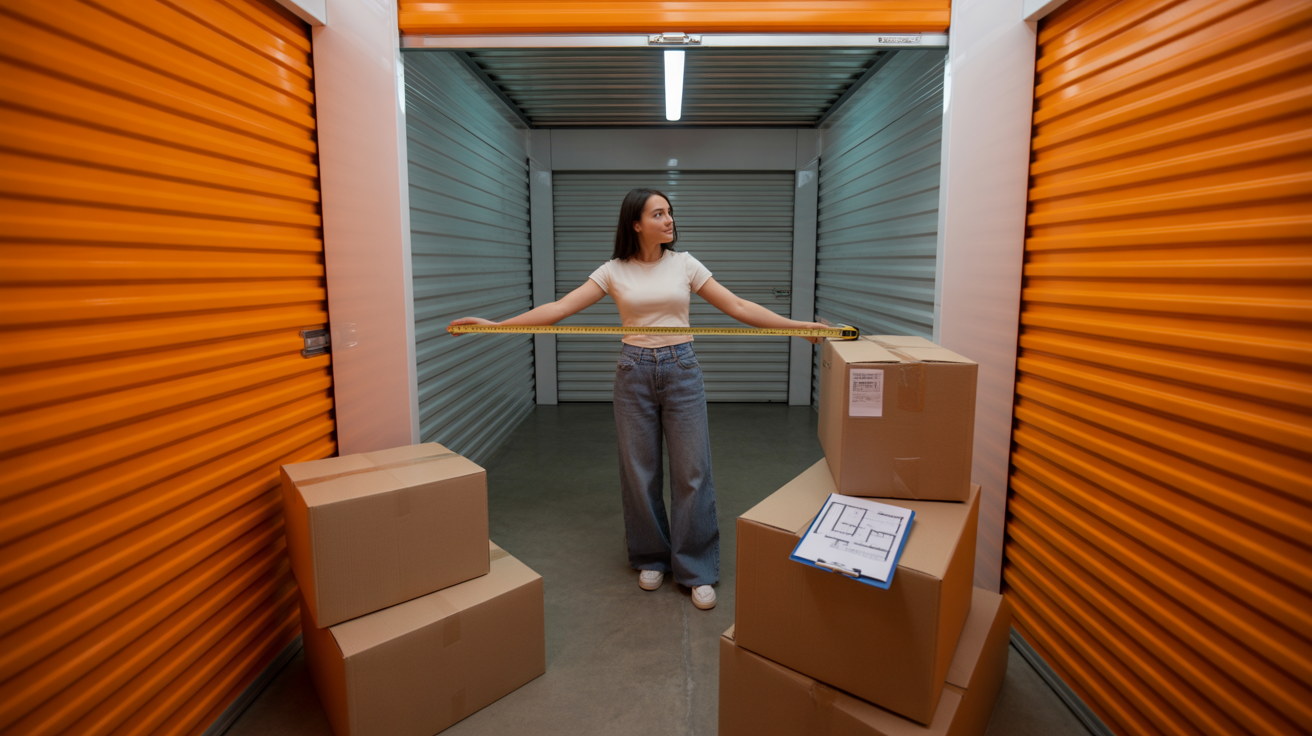
C alculate your storage unit size by measuring all items (length x width x height), adding cubic feet together, then matching the total to a unit that provides 25-30% extra space for access aisles. A 5x10 unit holds 400 cubic feet (one bedroom), while a 10x10 unit holds 800 cubic feet (two to three bedrooms of furniture).
| Key Points: | |
|---|---|
| • | Basic formula: Length x Width x Height of each item, then add totals together |
| • | Add 25-30% extra space beyond your calculated total for walking aisles and access |
| • | Standard unit heights are 8 feet; multiply floor space by 8 for cubic capacity |
| • | 5x10 units (400 cu ft) fit studio to one bedroom; 10x10 units (800 cu ft) fit two to three bedrooms |
| • | Vehicle storage requires measuring length plus 2-3 feet for door clearance |
Step-by-Step Storage Calculation Method
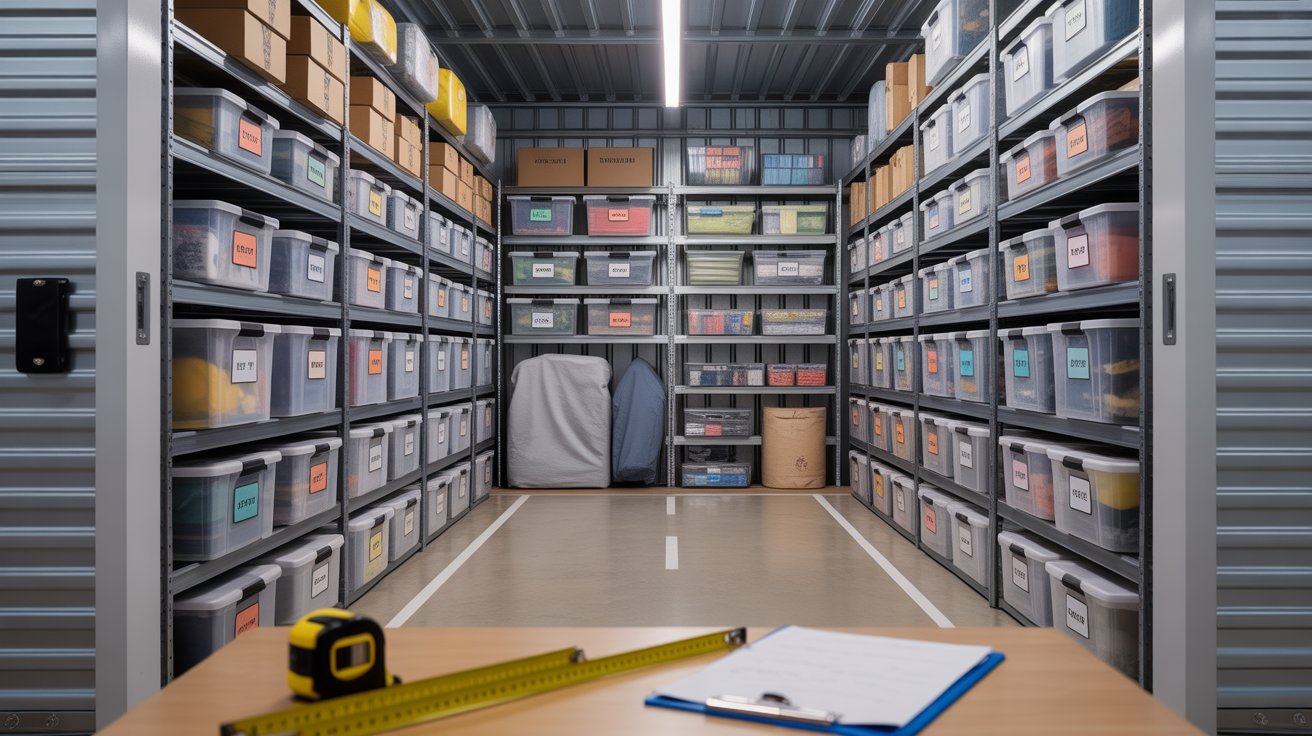
The most accurate way to determine your storage needs involves three distinct phases: inventory, measurement, and matching. This method prevents both overpaying for unused space and cramming items into units too small for safe access.
Step 1: Create Your Item Inventory
Walk through each room and list every item you plan to store. Group items by category: furniture, boxes, appliances, and irregularly shaped items. This inventory becomes your measurement checklist and helps you avoid forgetting items that significantly impact space needs.
For boxes, count quantities by size. Standard small boxes measure 16x12x12 inches (1.3 cubic feet), medium boxes are 18x18x16 inches (3 cubic feet), and large boxes run 24x18x18 inches (4.5 cubic feet). Most households use 20-30 boxes per bedroom when packing.
Step 2: Measure and Calculate Cubic Feet
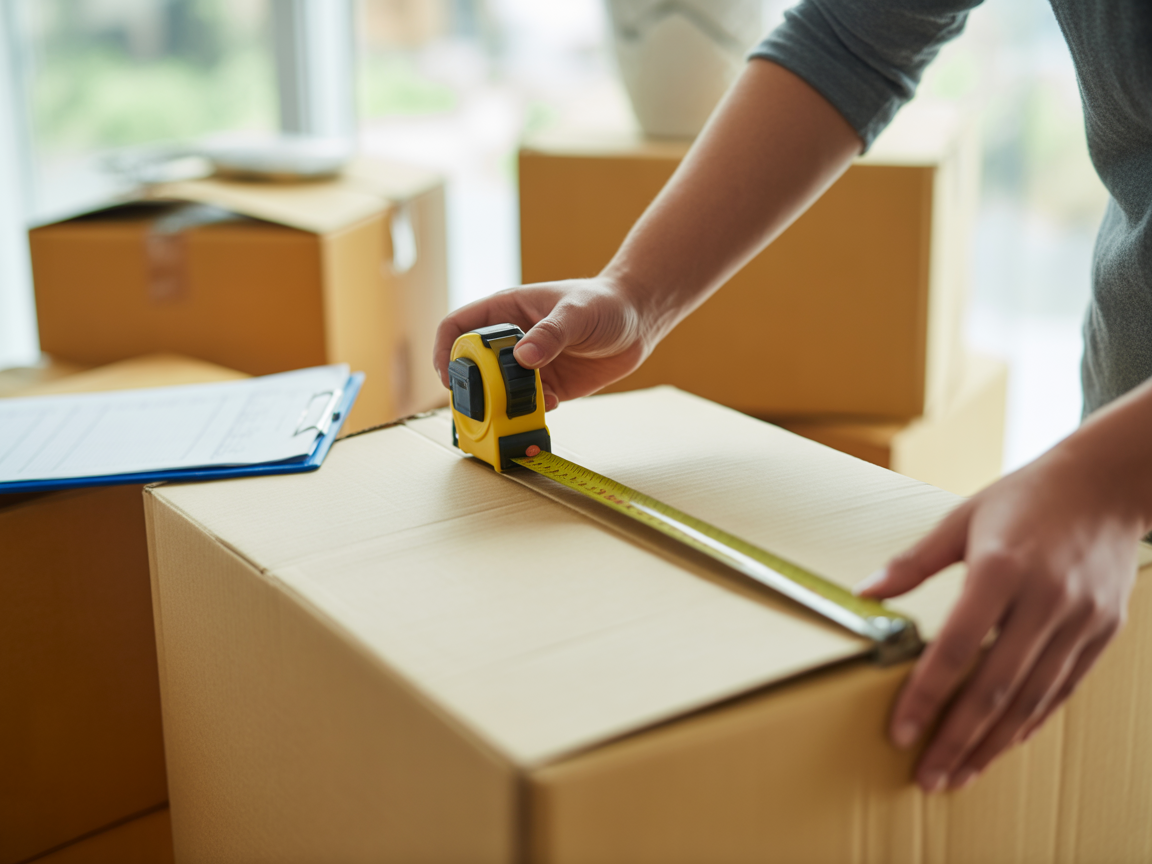
Measure each furniture piece at its widest points. A standard sofa measures approximately 84x36x34 inches, converting to roughly 60 cubic feet. Multiply length by width by height in inches, then divide by 1,728 to convert to cubic feet.
Use this formula for each item:
| Cubic Feet = (Length x Width x Height in inches) / 1,728 |
Add all cubic feet totals together. Then multiply that sum by 1.25 to 1.30 to account for walking space and item accessibility. Without this buffer, you cannot reach items in the back without moving everything in front.
Common Item Measurements Reference
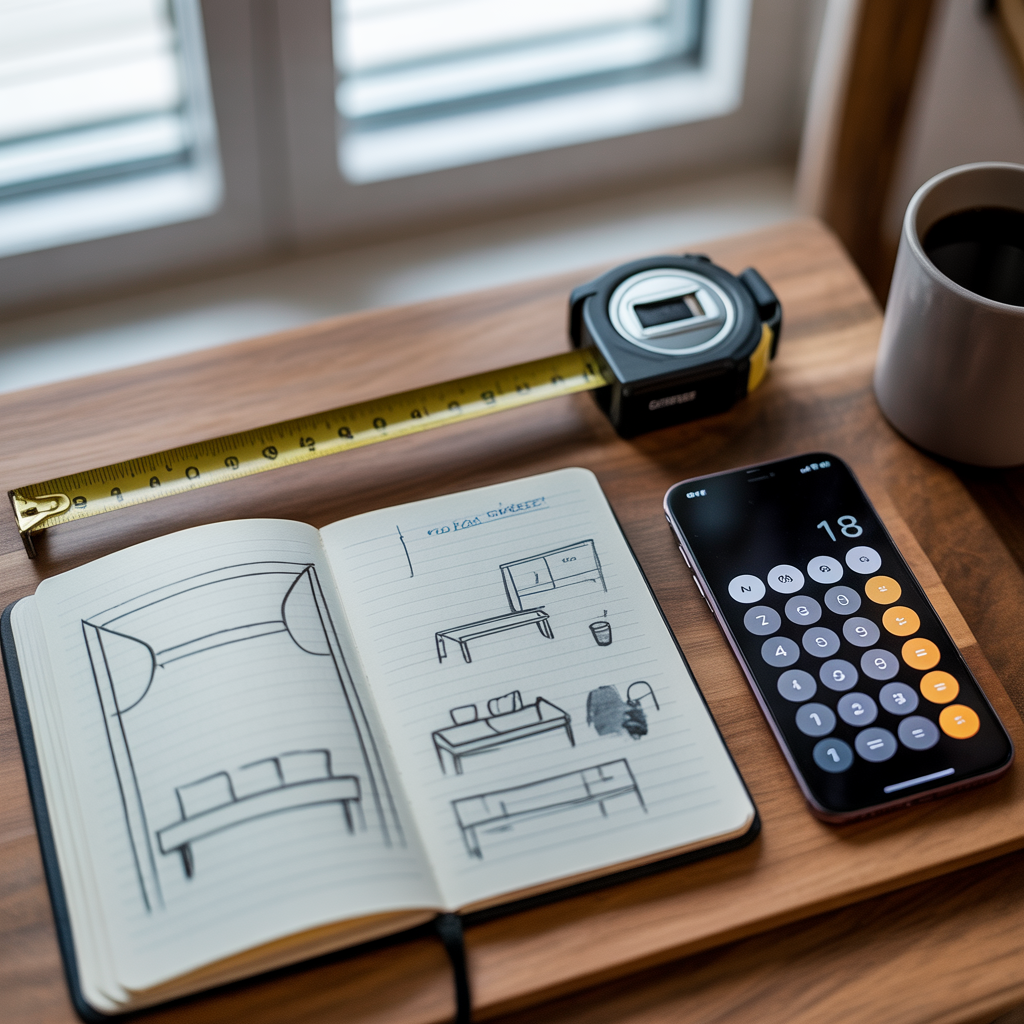
Rather than measuring every item, use these standard dimensions for common household goods. These averages account for typical furniture sizes and help speed your calculations.
| Item | Approximate Cubic Feet |
|---|---|
| Queen Mattress Set | 60-70 cu ft |
| 3-Seat Sofa | 55-65 cu ft |
| Dresser (6-drawer) | 30-40 cu ft |
| Dining Table (6-person) | 35-45 cu ft |
| Refrigerator | 45-55 cu ft |
| Washer or Dryer | 20-25 cu ft each |
| Office Desk | 25-35 cu ft |
| Bookshelf (5-shelf) | 20-30 cu ft |
Storage Unit Size Guide by Room Count
If detailed measurement feels overwhelming, use room-based estimates as a starting point. These guidelines assume typical furniture quantities and help you narrow options before visiting a facility. Our storage unit size guide provides additional visual references for each unit dimension.
5x5 Units: 200 Cubic Feet
These closet-sized spaces work for seasonal items, small furniture pieces, or 15-20 boxes. Expect to fit a twin mattress set, small dresser, and several boxes. Ideal for college students between semesters or storing holiday decorations.
5x10 Units: 400 Cubic Feet
A 5x10 unit accommodates a studio apartment or one small bedroom worth of furniture. You can fit a queen mattress set, small sofa or loveseat, dresser, and 20-30 boxes. This size works well for seasonal gear storage or small moves. At Estes Park Storage, our 5x10 drive-up units offer convenient ground-level access for easy loading.
10x10 Units: 800 Cubic Feet
The 10x10 represents the most popular storage size, fitting contents from a two to three bedroom apartment. Expect capacity for a complete bedroom set, living room furniture, dining set, and 40-50 boxes. This size also accommodates small vehicles, motorcycles, or ATVs.
10x15 Units: 1,200 Cubic Feet
Three to four bedroom homes typically require 10x15 or larger units. These spaces hold multiple bedroom sets, full living and dining room furniture, appliances, and 60+ boxes. Business inventory, equipment storage, and vehicle parking also fit this category.
10x20 Units: 1,600 Cubic Feet
The largest standard units accommodate four to five bedroom homes or serve as small warehouse space. Contents of a complete household fit here, including patio furniture, workshop equipment, and seasonal items. These units also store full-size vehicles, boats up to 20 feet, or multiple motorcycles.
Vehicle Storage Size Requirements
Calculating vehicle storage differs from household goods. Measure your vehicle's length, width, and height, then add clearance for door opening and walking space.
Standard vehicle dimensions requiring storage:
- Compact cars: 14-15 feet long, fit in 10x15 units
- Sedans and SUVs: 15-17 feet long, require 10x20 units minimum
- Trucks and large SUVs: 17-20 feet long, need 10x25 or larger
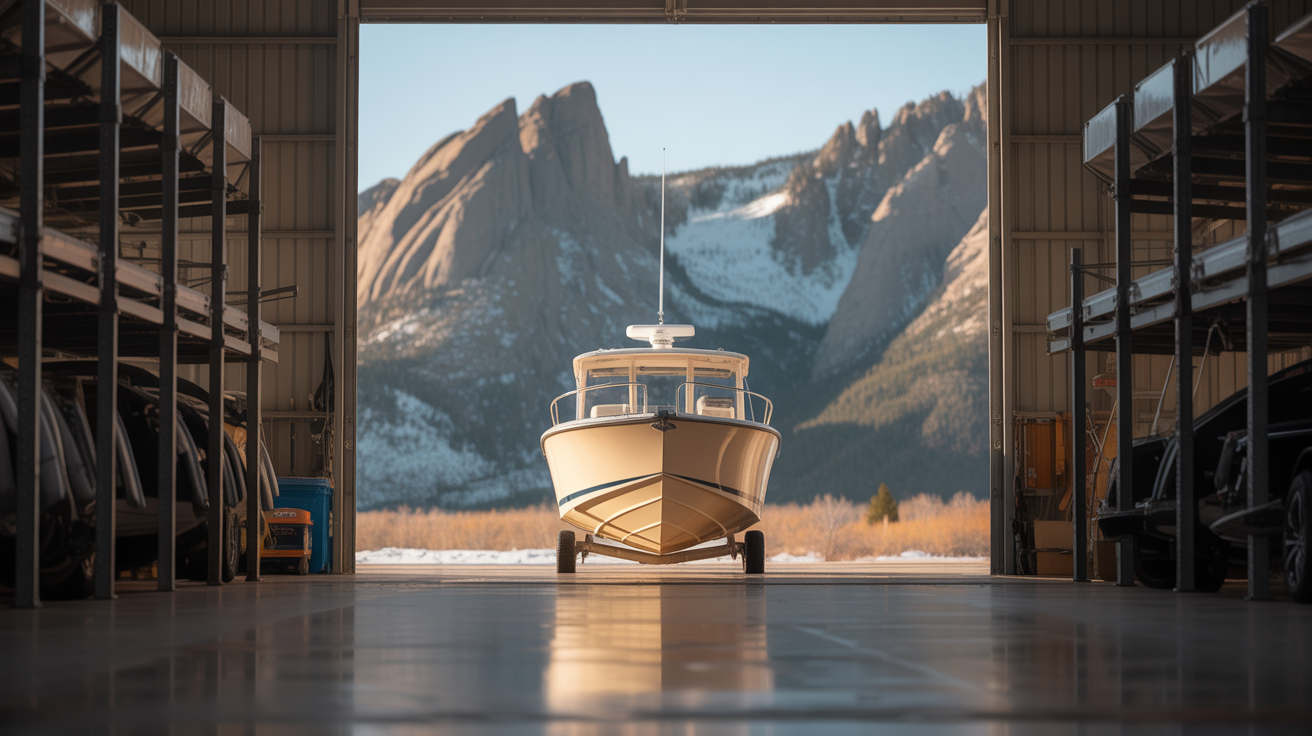
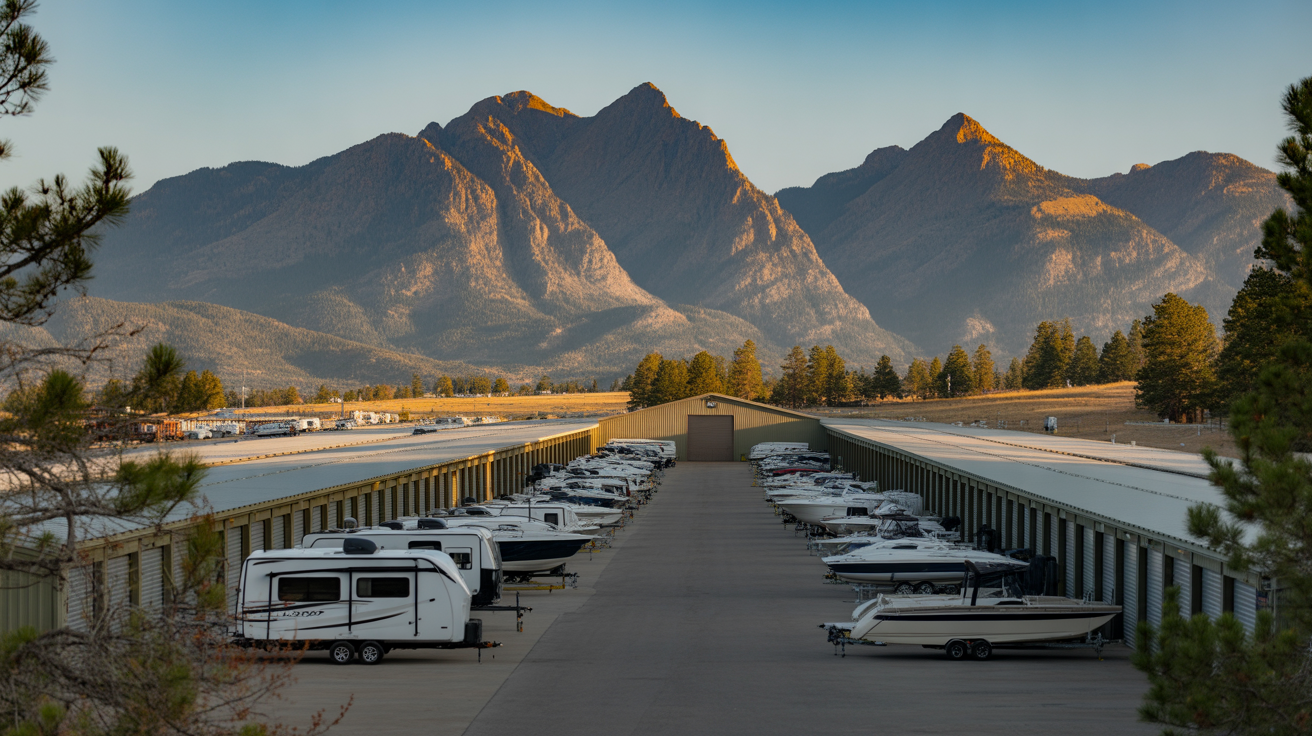
- Boats with trailers: Measure total length including trailer tongue
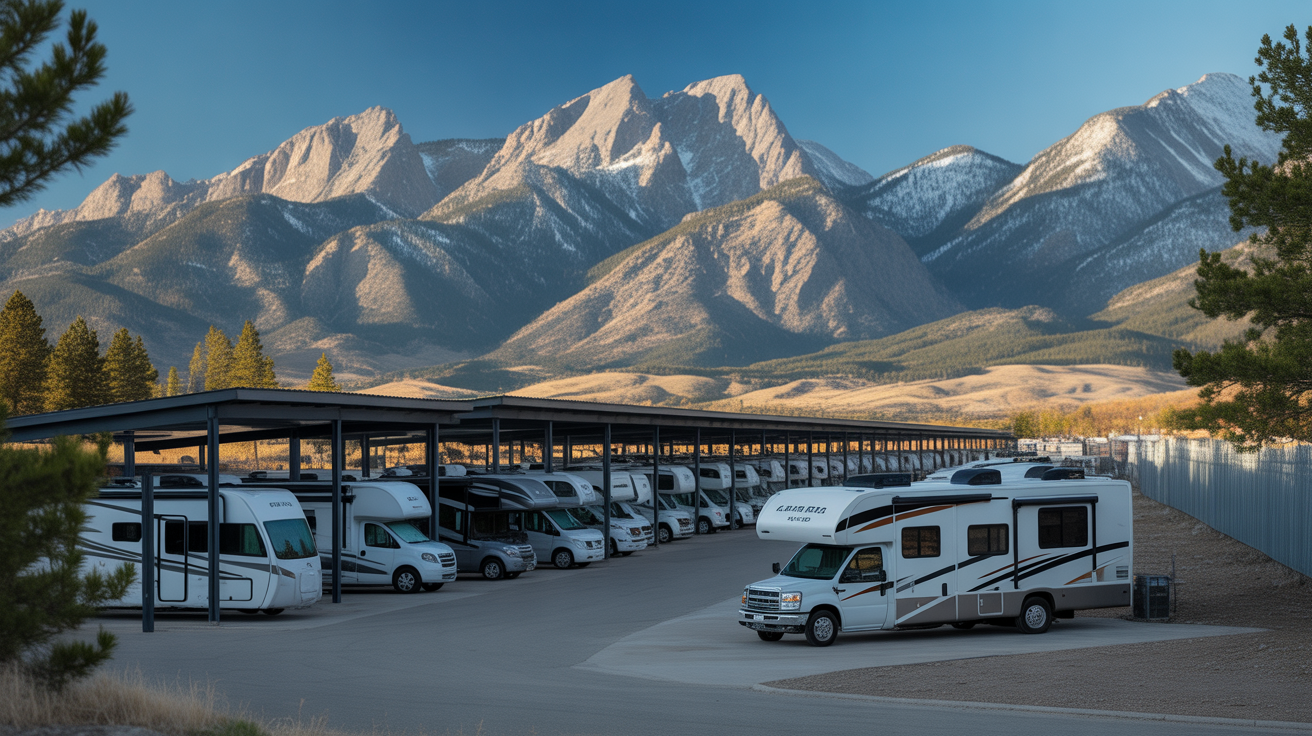
- RVs and motorhomes: 20-40 feet, require specialized parking spaces
For open-air vehicle storage like boats, trailers, or RVs, outdoor parking spaces offer cost-effective alternatives to enclosed units. A 10x20 parking space accommodates most standard vehicles and small trailers.
Factors That Affect Your Space Needs
Raw cubic footage calculations provide starting estimates, but several factors influence your actual space requirements.
Stacking Ability
Items that stack efficiently use vertical space and reduce floor area needs. Uniform boxes stack to ceiling height, while furniture pieces with irregular shapes waste vertical space. Disassembling furniture (removing table legs, bed frames) increases stacking options and can reduce unit size by 10-15%.
Access Frequency
Items you need regularly require wider aisles and strategic placement near the unit entrance. Frequent access needs can increase space requirements by 20-30% compared to long-term storage where items remain untouched. Plan your layout before loading, placing rarely needed items in back corners.
Item Fragility
Fragile items cannot support weight from stacked boxes, reducing vertical storage efficiency. Artwork, mirrors, and electronics need protective spacing that consumes additional square footage. Budget extra space for items requiring careful handling.
Climate Considerations
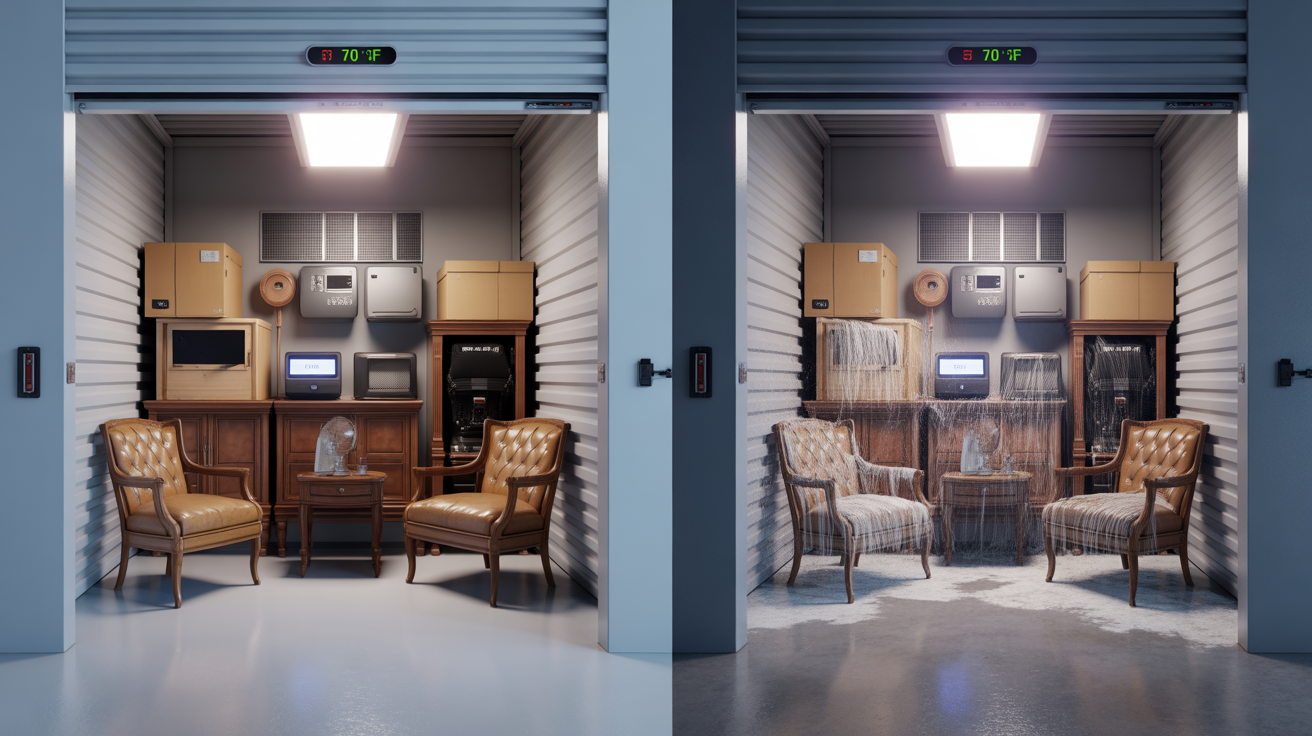
In mountain climates like Estes Park, temperature fluctuations affect certain items. Electronics, wooden furniture, leather goods, and documents benefit from climate-controlled environments that maintain 55-80 degrees Fahrenheit year-round. Learn more about our facility features and security measures when planning long-term storage.
Quick Calculation Shortcuts
When precise measurements are not practical, use these shortcuts based on common storage scenarios:
Moving calculation: Count the number of rooms you are packing. Multiply by 150 cubic feet per room for basic furnishings or 200 cubic feet per room for fully furnished spaces. A three-bedroom home with average furnishings needs approximately 450-600 cubic feet, fitting a 5x10 or 10x10 unit.
Box-only storage: Divide your total box count by 10-12 to estimate square feet needed. Fifty boxes require approximately 25-30 square feet of floor space when stacked properly.
Furniture count method: Allow 50 cubic feet per major furniture piece (sofas, beds, dressers, tables) and 3 cubic feet per box. Add results together and multiply by 1.25 for access space.
Common Sizing Mistakes to Avoid
First-time storage renters frequently make these errors that lead to wasted money or cramped, inaccessible units:
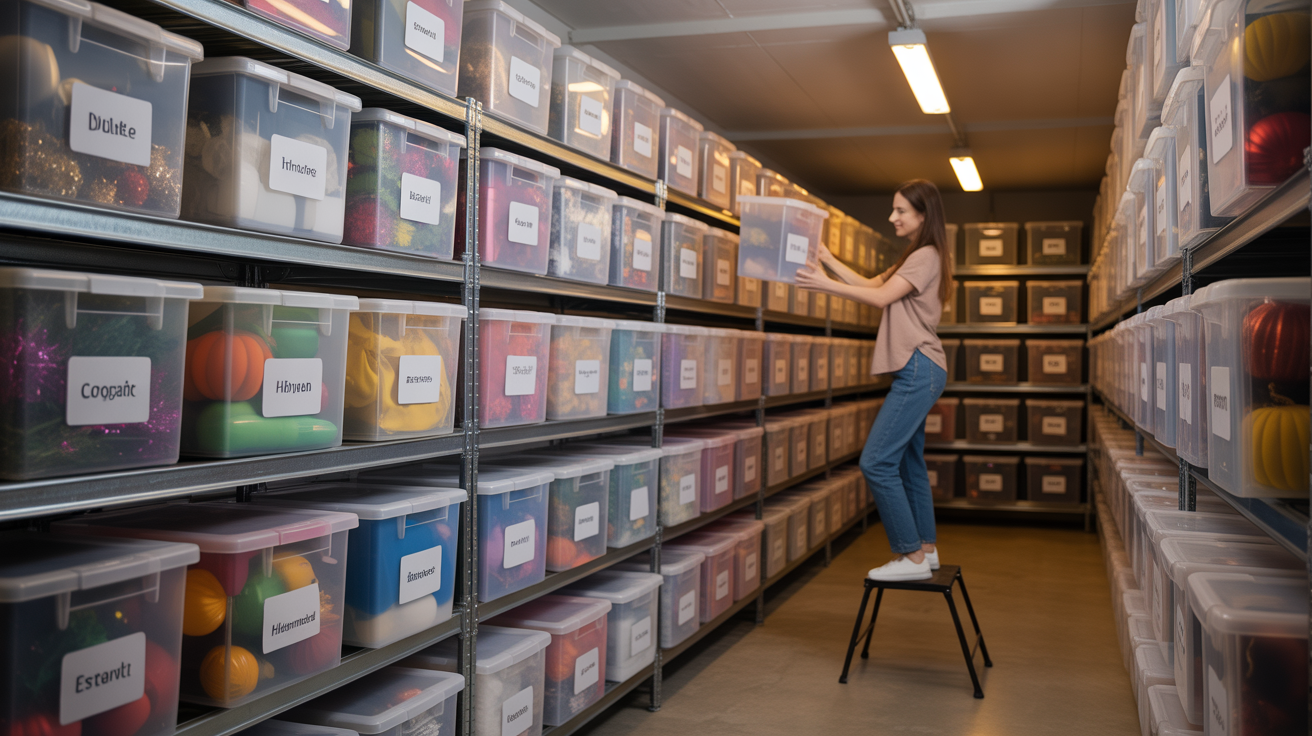
Forgetting vertical space: Standard storage units have 8-foot ceilings. Calculating only floor space ignores 60% of available capacity. Stack boxes and use vertical shelving to maximize your rental value.
Ignoring aisle needs: Packing a unit completely full prevents access to items in back corners. Leave a center aisle at minimum, or plan walking paths to frequently accessed items.
Underestimating box quantities: Most people undercount boxes by 30-40%. Kitchen items alone typically fill 8-12 boxes. Add buffer space for boxes you have not packed yet.
Choosing based on price alone: A unit too small forces you to rent a second space, often costing more than one properly sized unit. Measure carefully before committing to save money long-term.
When to Size Up vs. Size Down
Choose the larger unit size when your calculations fall between two options, you plan to add items later, you need frequent access, or you are storing fragile items requiring protective spacing. The cost difference between adjacent sizes typically runs $20-50 monthly, often worth the convenience.
Choose the smaller size when storing uniform, stackable items exclusively, you can disassemble furniture to save space, items will remain untouched for extended periods, or budget constraints are primary concerns.
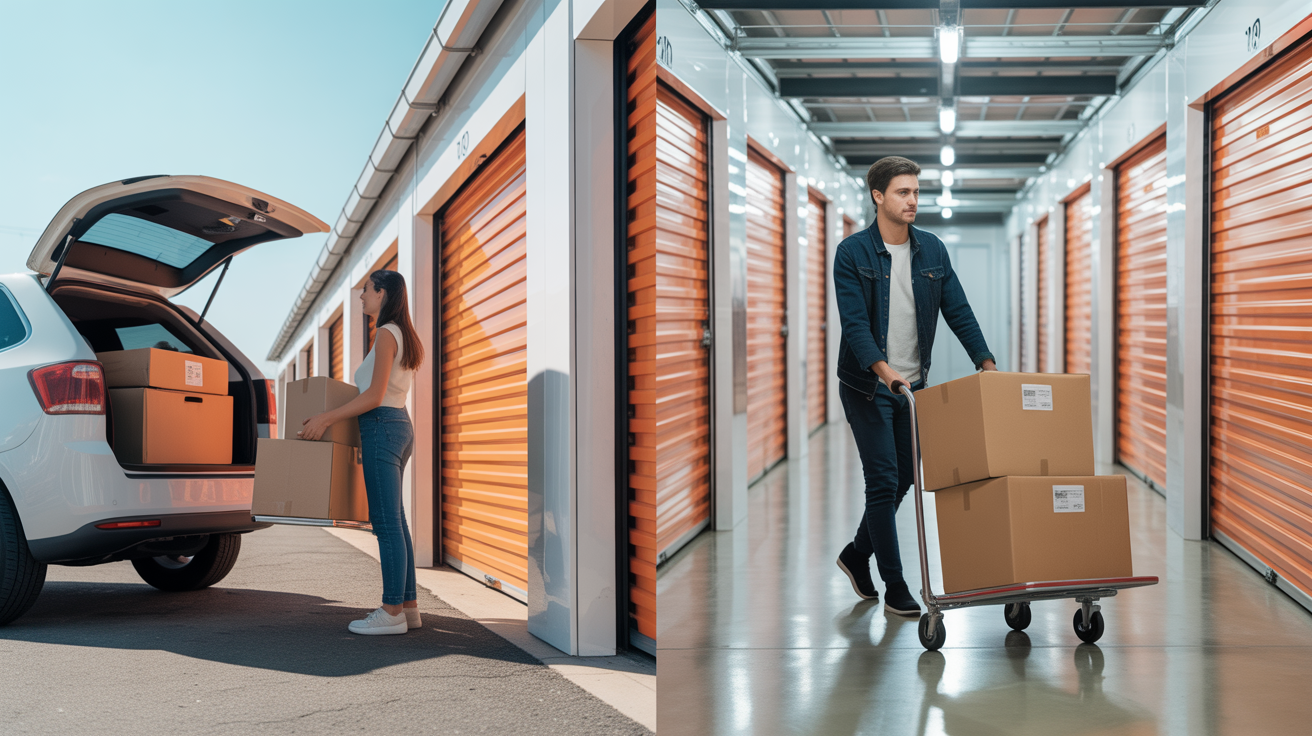
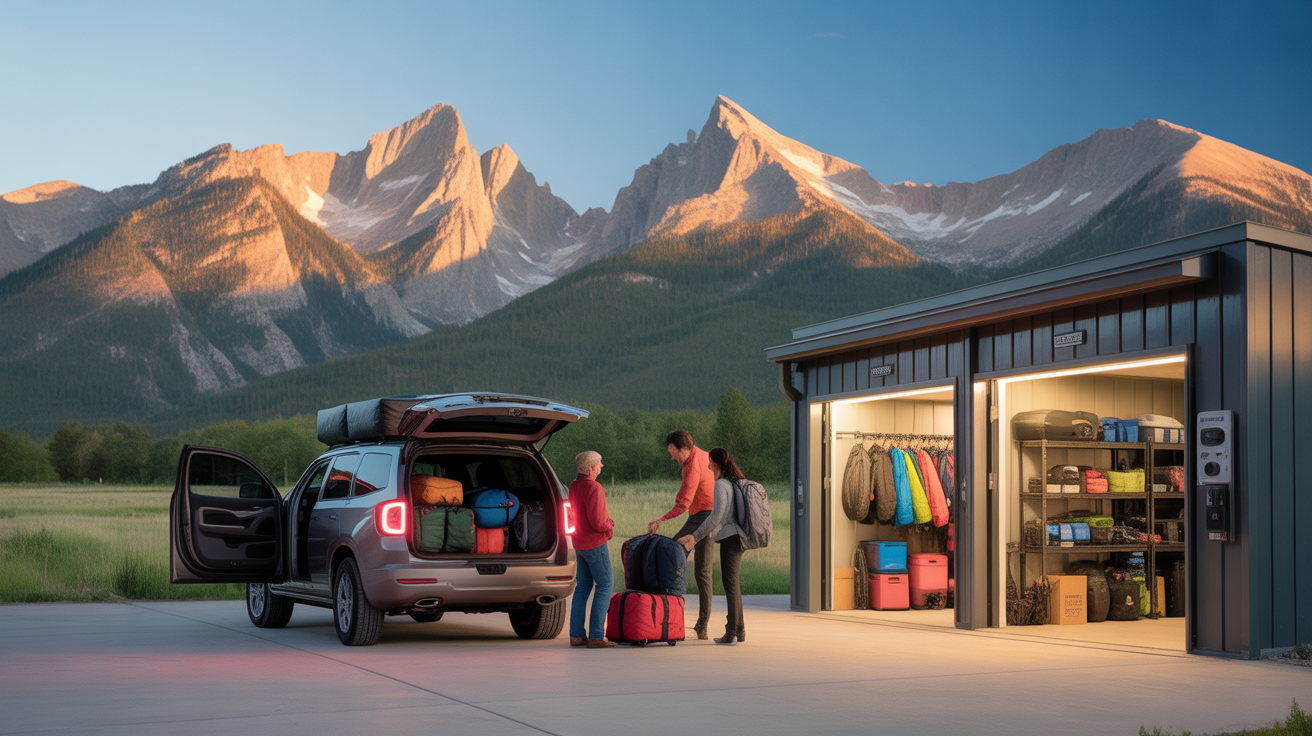
Drive-up storage units, like those available at Estes Park Storage, simplify loading large items and furniture. Ground-level access eliminates elevator constraints and allows pulling vehicles directly to your unit door for efficient loading and unloading.
|