Drive-Up vs Climate Controlled Storage: Which to Choose |
| DRIVE-UP STORAGE VS CLIMATE CONTROLLED STORAGE: WHICH IS BETTER FOR YOUR NEEDS
⏱ 10 min read ·
📄 #1,865 words
Drive-up storage costs 20-30% less and offers easier access. Climate control protects sensitive items at 55-85°F. Compare both options for your needs.
|
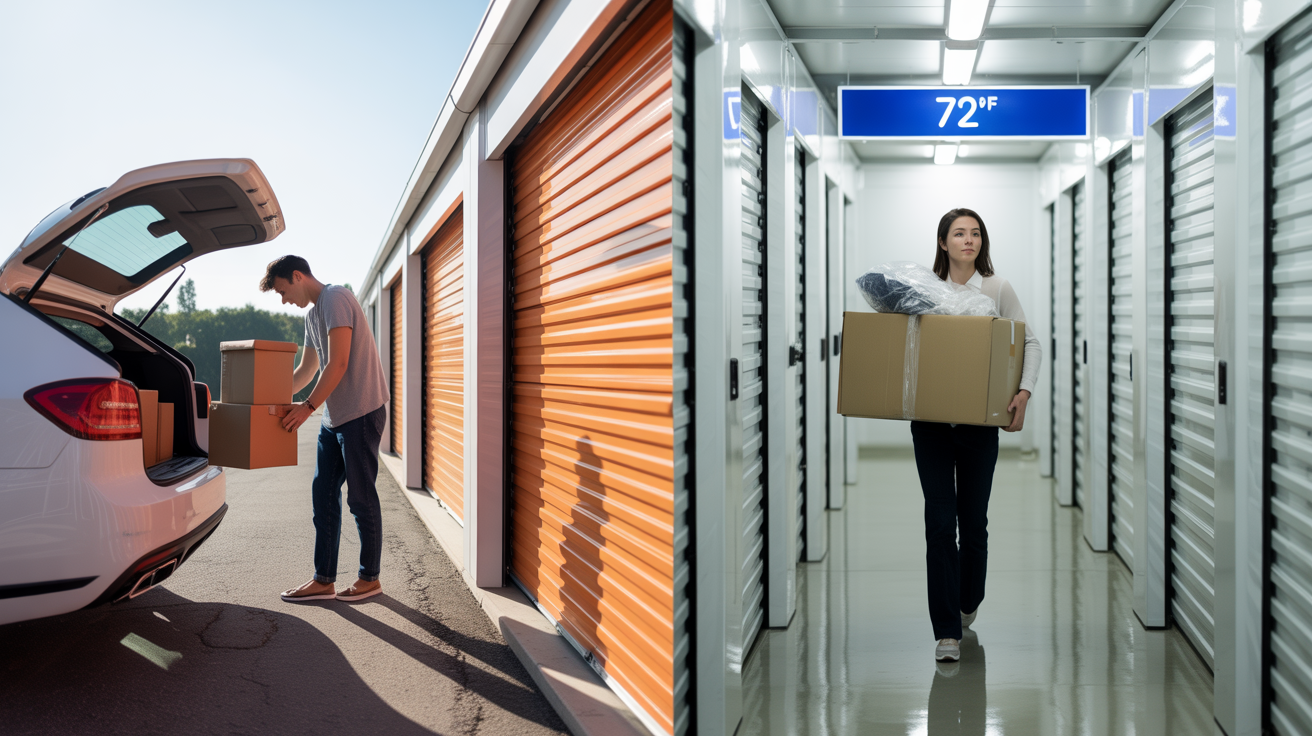
D rive-up storage is better for bulky, durable items and frequent access at 20-30% lower cost. Climate controlled storage is better for temperature-sensitive valuables like electronics, wood furniture, and documents. Your choice depends on what you are storing, how long you need storage, and your local climate conditions.
| Key Points: | |
|---|---|
| • | Drive-up units cost $100-200/month for 10x10 spaces; climate controlled units cost $130-260/month for the same size |
| • | Climate controlled units maintain 55-85°F and 30-50% humidity year-round |
| • | Choose drive-up for furniture, tools, seasonal gear, and business inventory you access weekly |
| • | Choose climate control for electronics, antiques, photographs, musical instruments, and wine |
| • | In Estes Park's mountain climate with temperature swings from -10°F to 90°F, item sensitivity determines the right choice |
Understanding the Core Differences
Drive-up storage units sit at ground level with direct outdoor access. You park your vehicle directly at your unit door, making loading and unloading straightforward. These units lack temperature regulation, meaning interior temperatures can reach 30°F above or below outdoor conditions.
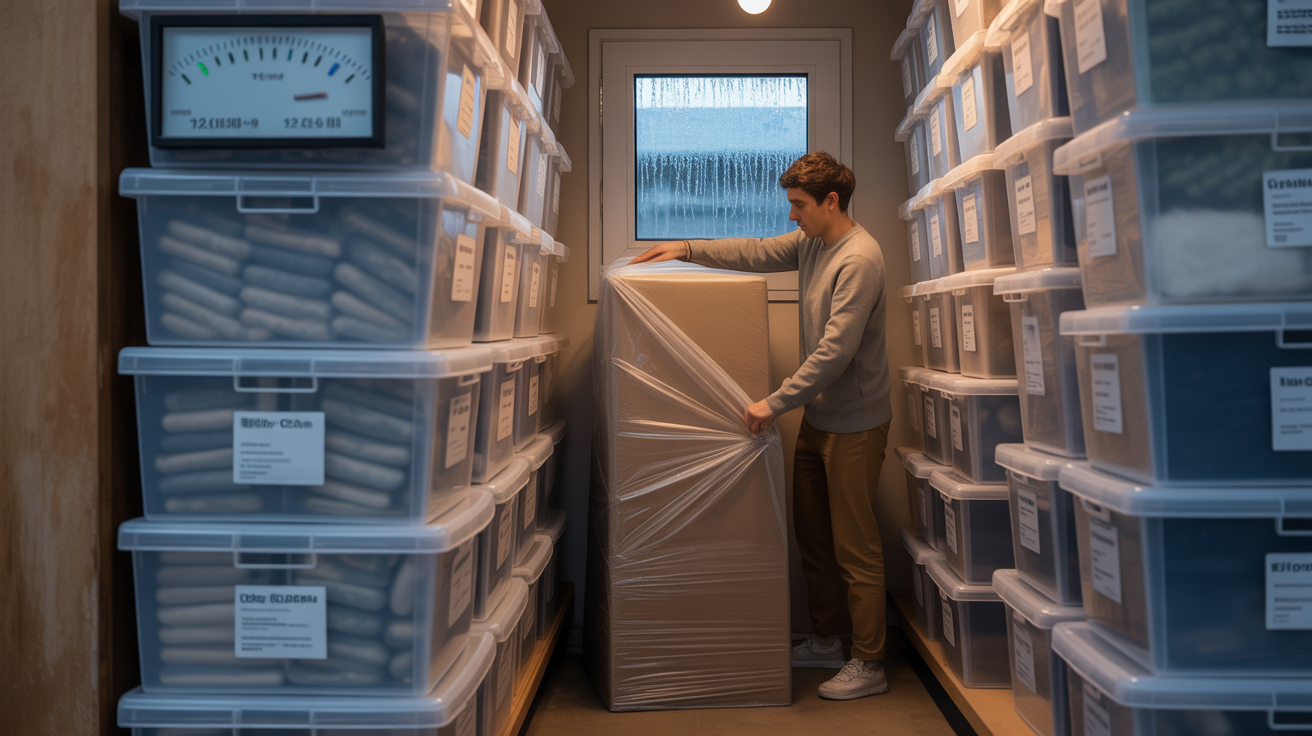
Climate controlled storage units are located inside buildings with HVAC systems maintaining temperatures between 55-85°F and humidity levels between 30-50%. Access typically requires walking through hallways or using elevators, which adds time but provides additional security layers.
Quick Comparison Table
| Feature | Drive-Up Storage | Climate Controlled |
|---|---|---|
| Monthly Cost (10x10) | $100-200 | $130-260 |
| Temperature Range | Uncontrolled | 55-85°F |
| Humidity Control | None | 30-50% |
| Access Convenience | Drive directly to unit | Walk through building |
| Best For | Heavy, durable items | Sensitive valuables |
| Loading Ease | Excellent | Moderate |
When Drive-Up Storage Is the Right Choice
Drive-up storage excels when convenience and cost savings matter more than climate protection. The ability to back a truck directly to your unit door reduces loading time by 50-70% compared to indoor units requiring dollies and elevators.
Ideal Items for Drive-Up Units
Store these items confidently in drive-up units:
- Metal furniture and appliances: Washers, dryers, refrigerators, metal shelving
- Outdoor equipment: Lawn mowers, snow blowers, garden tools, patio furniture
- Sporting goods: Camping gear, kayaks, bicycles, ski equipment (excluding wooden skis)
- Business inventory: Non-perishable products, construction materials, tools
- Seasonal decorations: Plastic bins, artificial trees, outdoor lights
- Automotive items: Tires, car parts, motorcycles
Who Benefits Most from Drive-Up Access
Contractors and small business owners who access inventory 3-5 times weekly save significant time with drive-up units. The ground-level access eliminates the need for specialized moving equipment when handling heavy machinery or bulk materials.
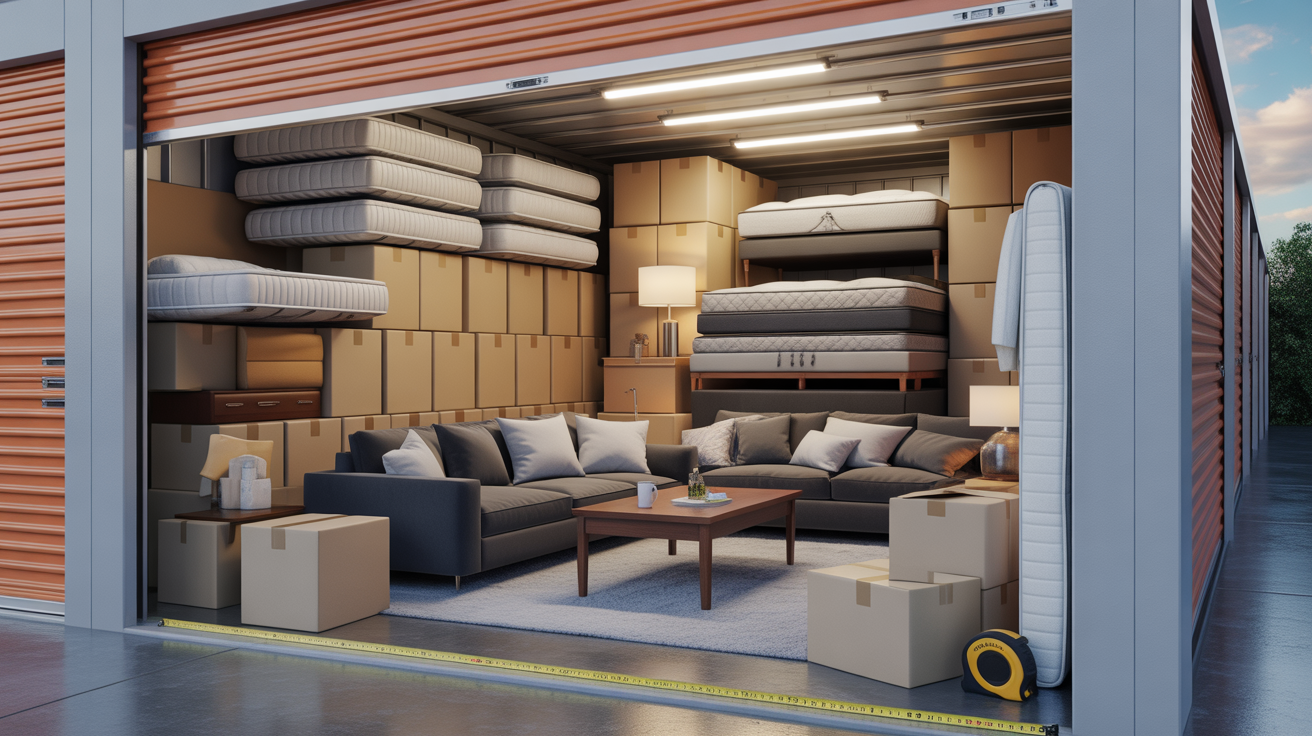
Families in transition between homes benefit from the easy loading process. Moving furniture and boxes directly from a truck into storage without navigating hallways speeds up the entire process. At Estes Park Storage, our drive-up units offer 24/7 access with gated entry, making early morning or late evening trips convenient.
When Climate Controlled Storage Is Essential
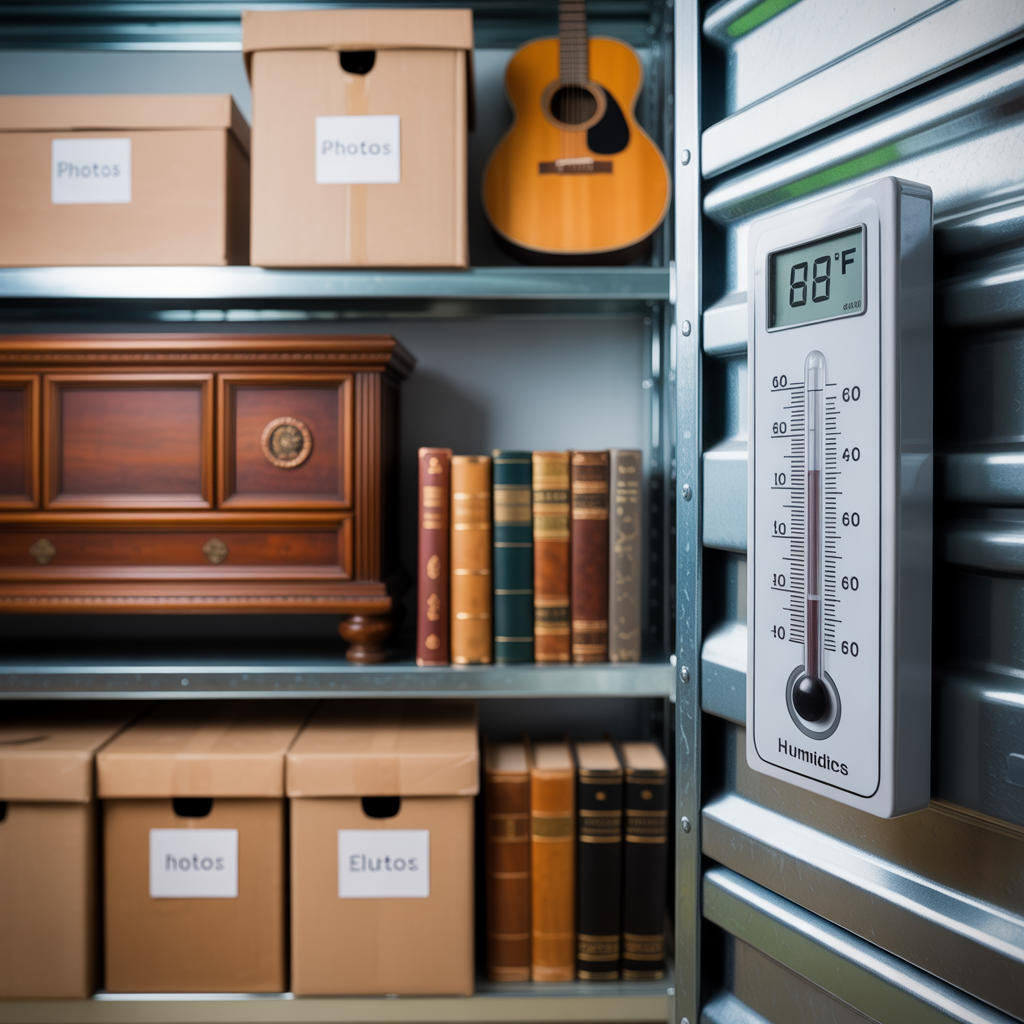
Climate control becomes necessary when storing items that react poorly to temperature fluctuations, humidity changes, or both. The consistent 55-85°F environment prevents the expansion and contraction cycles that damage sensitive materials over time.
Items That Require Climate Control
These items need temperature and humidity regulation:
- Electronics: Computers, televisions, gaming consoles, audio equipment (humidity causes corrosion)
- Wood furniture: Antiques, pianos, wooden instruments (prevents warping and cracking)
- Documents and photographs: Important papers, photo albums, artwork (prevents yellowing and mold)
- Leather goods: Furniture, clothing, accessories (prevents drying and cracking)
- Wine collections: Requires stable 55-60°F and 60-70% humidity
- Medical equipment: Many devices have specific storage temperature requirements
- Collectibles: Comics, stamps, coins, sports memorabilia
The Hidden Cost of Choosing Wrong
Storing a $2,000 leather sofa in a non-climate unit during a Colorado summer can cause irreversible cracking within 3-6 months. The $30-50 monthly savings from choosing drive-up storage costs far more when replacing damaged items.
Electronics face similar risks. Circuit boards corrode when humidity exceeds 60%, and extreme cold can crack LCD screens. A $500 television replacement far exceeds the $150-200 annual premium for climate control.
How Estes Park's Mountain Climate Affects Your Decision
Estes Park sits at 7,522 feet elevation with temperature swings from -10°F in winter to 90°F in summer. These extremes create specific storage challenges that differ from lower elevation Colorado locations.
Winter Considerations (November through April)
Non-climate units in Estes Park can drop below freezing for extended periods. Items containing liquids, batteries, or moisture-sensitive components face damage risks. Paint cans freeze and become unusable. Batteries lose charge permanently when frozen repeatedly.
However, many items tolerate cold storage well. Metal tools, outdoor furniture, and properly winterized equipment handle freezing temperatures without issues. The dry mountain air actually reduces mold risks compared to humid lowland climates.
Summer Considerations (June through August)
Summer temperatures in non-climate units can exceed 100°F during afternoon hours. Vinyl records warp at 140°F, which enclosed storage units can reach on hot days. Candles, cosmetics, and anything with wax components melt and become unusable.
The intense UV exposure at elevation also affects items near unit doors. Fabrics fade faster, and plastics become brittle more quickly than at lower elevations.
Cost Comparison: Real Numbers for Budget Planning
Understanding the true cost difference helps you make an informed decision. Drive-up units typically cost 20-30% less than climate controlled options of the same size.
Typical Monthly Costs by Unit Size
| Unit Size | Drive-Up | Climate Controlled | Annual Difference |
|---|---|---|---|
| 5x5 | $50-80 | $65-105 | $180-300 |
| 5x10 | $75-120 | $95-155 | $240-420 |
| 10x10 | $100-200 | $130-260 | $360-720 |
| 10x20 | $150-300 | $195-390 | $540-1,080 |
At Estes Park Storage, our storage unit size guide helps you determine exactly how much space you need before comparing costs. A 5x10 drive-up unit at $147/month (currently 50% off at $64/month for the first 2 months) provides 50 square feet of storage with convenient vehicle access.
The Break-Even Calculation
Calculate whether climate control makes financial sense by comparing the premium cost against potential item damage. If you are storing $5,000 worth of temperature-sensitive items for 12 months, the $300-700 annual climate control premium represents 6-14% of your items' value, which is reasonable insurance against damage.
For $500 worth of durable outdoor equipment, paying an extra $300-700 annually for climate control makes no financial sense.
Security Considerations for Both Storage Types
Security features vary between drive-up and climate controlled facilities, though modern storage facilities typically offer comparable protection for both unit types.
Drive-Up Security Features
Quality drive-up facilities include gated access with individual codes, surveillance cameras covering unit rows, and adequate lighting throughout the property. At Estes Park Storage, our facility features LED lighting, gated access, and surveillance cameras to protect your belongings.
The outdoor nature of drive-up units means more exposure to the elements and potentially more visibility to passersby. However, the convenience of 24/7 access allows you to check on your belongings whenever concerns arise.
Climate Controlled Security Features
Indoor climate controlled facilities add building access as an additional security layer. Visitors must enter the building before reaching individual units, creating multiple checkpoints. Many facilities also have on-site management during business hours.
The trade-off is reduced access flexibility. Some indoor facilities limit access hours, and the additional doors and hallways add time to each visit.
Making Your Decision: A Practical Framework
Use this decision framework to determine which storage type fits your specific situation. Consider all four factors before making your choice.
Factor 1: Item Sensitivity Assessment
List everything you plan to store and categorize each item:
- Temperature sensitive: Electronics, wood, leather, photographs, wine
- Humidity sensitive: Paper documents, fabric, musical instruments, artwork
- Durable: Metal items, plastic containers, outdoor equipment, tools
If more than 30% of your items fall into sensitive categories, climate control provides better protection.
Factor 2: Storage Duration
Short-term storage (1-3 months) during mild seasons may not require climate control even for moderately sensitive items. Long-term storage (6+ months) through summer and winter temperature extremes increases damage risk significantly.
Plan for the full duration of storage, not just current conditions. Starting storage in October means your items will experience both winter freezing and summer heat if stored for a full year.
Factor 3: Access Frequency
Weekly or more frequent access strongly favors drive-up storage. The time savings from direct vehicle access compounds with each visit. Monthly or less frequent access makes the indoor walk to climate controlled units a minor inconvenience.
Factor 4: Budget Constraints
If budget is the primary concern, calculate the value of items at risk. Spending $50 extra monthly to protect $10,000 in antique furniture makes sense. Spending $50 extra to protect $200 in camping gear does not.
Frequently Asked Questions
What items require climate controlled storage?
Electronics, wood furniture, leather goods, photographs, important documents, musical instruments, wine, artwork, and collectibles all require climate controlled storage for periods exceeding 3-6 months. These items suffer damage from temperature swings outside the 55-85°F range or humidity levels above 60%.
How much more do climate controlled units cost?
Climate controlled units cost 25-30% more than comparable drive-up units. A 10x10 drive-up unit averaging $150/month would cost $190-195/month with climate control. Annual premiums range from $300-720 depending on unit size and location.
Can I store a car in drive-up storage?
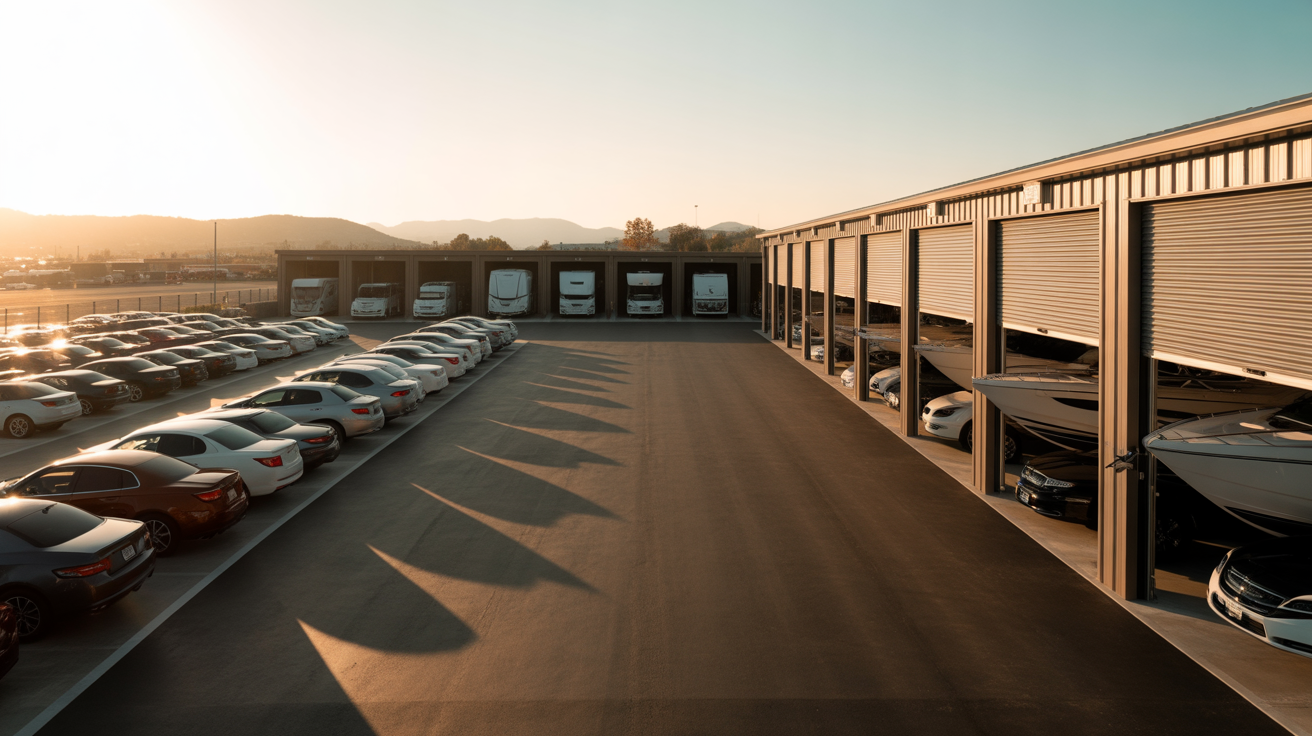
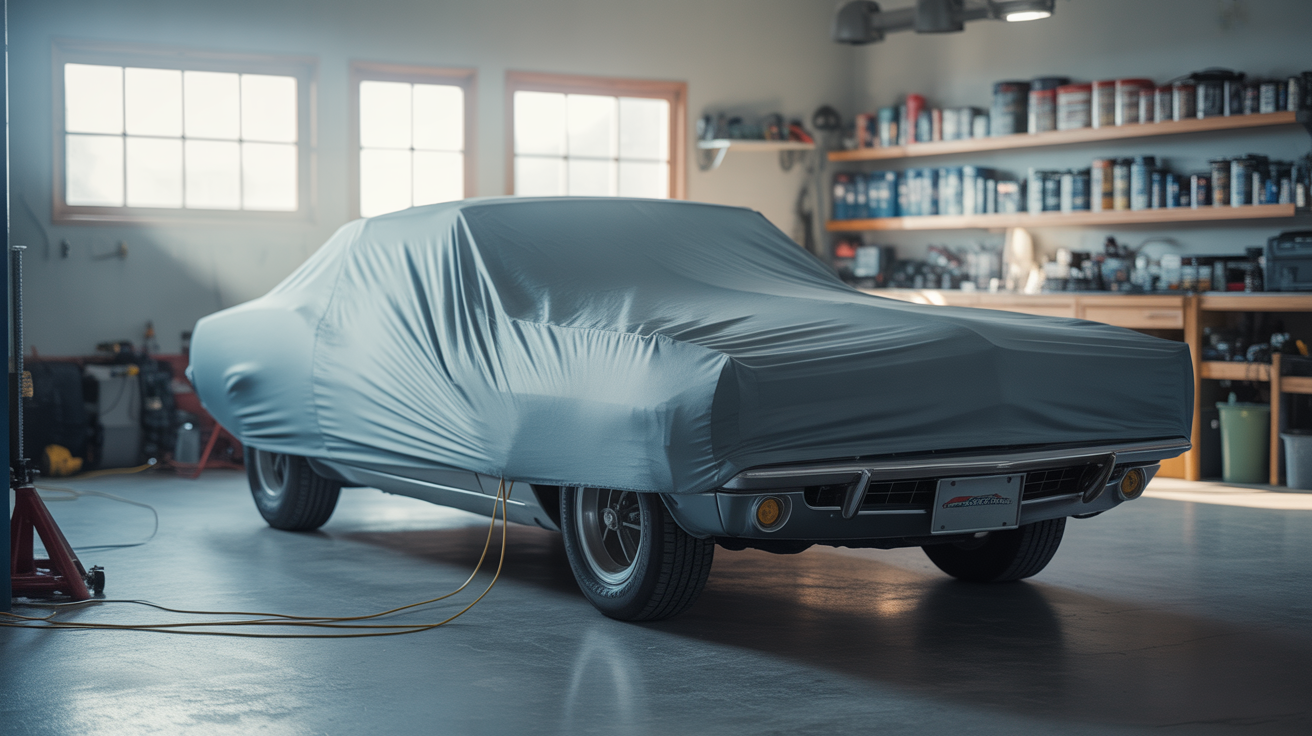
Yes, drive-up units sized 10x20 or larger accommodate most standard vehicles. For dedicated vehicle storage, facilities like Estes Park Storage offer open parking spaces specifically designed for cars, trucks, boats, and trailers at $145/month (currently 50% off at $63/month for the first 2 months).
Is climate control necessary in cold climates like Colorado?
Climate control is necessary in Colorado for temperature-sensitive items due to extreme temperature swings. Estes Park experiences -10°F winters and 90°F summers, creating a 100-degree annual temperature range that damages electronics, wood, and leather. Durable items like metal tools and plastic containers handle these conditions without climate control.
What is the difference between climate controlled and heated storage?
Climate controlled storage maintains both temperature (55-85°F) and humidity (30-50%) year-round using HVAC systems. Heated storage only prevents freezing during winter months without humidity control or summer cooling. Climate control provides superior protection but costs 15-20% more than heated-only options.
How do I protect items in a drive-up unit without climate control?
Protect items in non-climate units by using moisture absorbers (silica gel packets), covering furniture with breathable cotton sheets (not plastic), elevating items off concrete floors on pallets, and avoiding storage of temperature-sensitive items during extreme seasons. Check items monthly during the first year to identify any developing issues.

Choosing the Right Storage for Estes Park Residents
For Estes Park residents and visitors, drive-up storage provides the best combination of convenience, accessibility, and value for most storage needs. The mountain climate requires thoughtful item selection, but durable goods, seasonal equipment, and business inventory store safely in quality drive-up facilities.
Our 10x10 drive-up units at $261/month (currently 50% off at $114/month for the first 2 months) offer spacious storage with ground-level access perfect for furniture, tools, and recreational equipment. Month-to-month rentals provide flexibility without long-term commitments.
Evaluate your specific items, storage duration, and access needs using the framework above. Most customers find that separating temperature-sensitive valuables from durable goods allows them to use cost-effective drive-up storage for the majority of their belongings while protecting only truly sensitive items in climate controlled alternatives.
|