Best Storage Solutions for Seasonal RV and Boat Storage |
| BEST STORAGE SOLUTIONS FOR SEASONAL RV AND BOAT STORAGE
⏱ 15 min read ·
📄 #2,961 words
Compare indoor, covered, and outdoor RV and boat storage options. Learn costs, protection levels, and what to look for in seasonal vehicle storage.
|
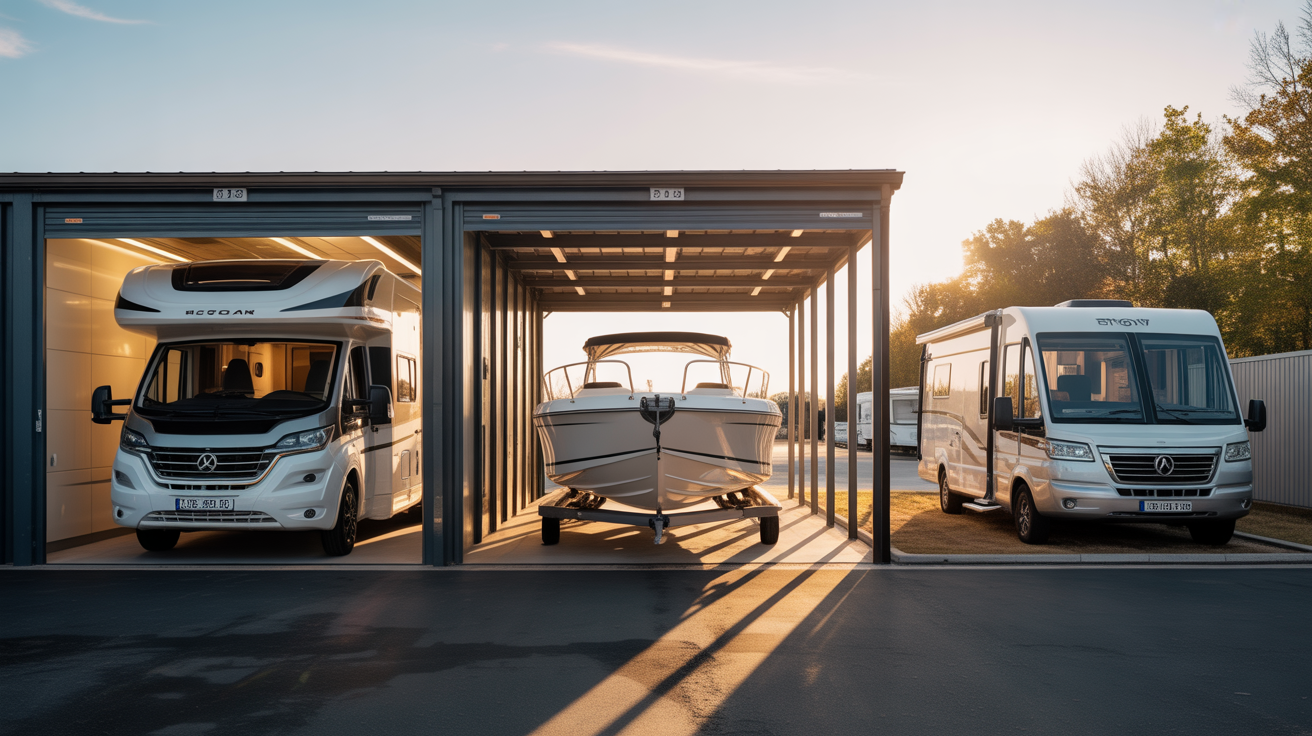
T he best seasonal RV and boat storage solution depends on three factors: your vehicle's value, local climate conditions, and how often you need access. Indoor enclosed storage provides maximum protection at $125 to $260 per month, covered storage offers mid-range protection for $60 to $230 monthly, and outdoor parking spaces cost $50 to $145 per month with minimal weather protection.
| Key Points: | |
|---|---|
| • | Climate-controlled indoor storage extends RV and boat lifespan by up to 30% compared to outdoor storage in harsh climates |
| • | Outdoor uncovered storage costs 40 to 50 percent less than covered options but exposes vehicles to UV damage, moisture, and temperature extremes |
| • | Essential security features include gated access, surveillance cameras, and LED lighting for 24/7 protection |
| • | Month-to-month leases offer flexibility for seasonal storage needs without long-term commitment |
| • | Pre-storage maintenance (battery disconnect, fluid checks, tire inflation) prevents costly damage during extended storage |
Understanding Your Storage Options
Seasonal vehicle storage falls into three main categories, each offering different levels of protection and accessibility. Your choice should align with your vehicle's value, your local weather patterns, and how frequently you plan to access your RV or boat during the off-season.
Colorado's mountain climate presents unique challenges for vehicle storage. Temperature swings from below freezing to above 70 degrees can occur within 24 hours, making proper storage selection critical for protecting your investment.
Outdoor Uncovered Storage
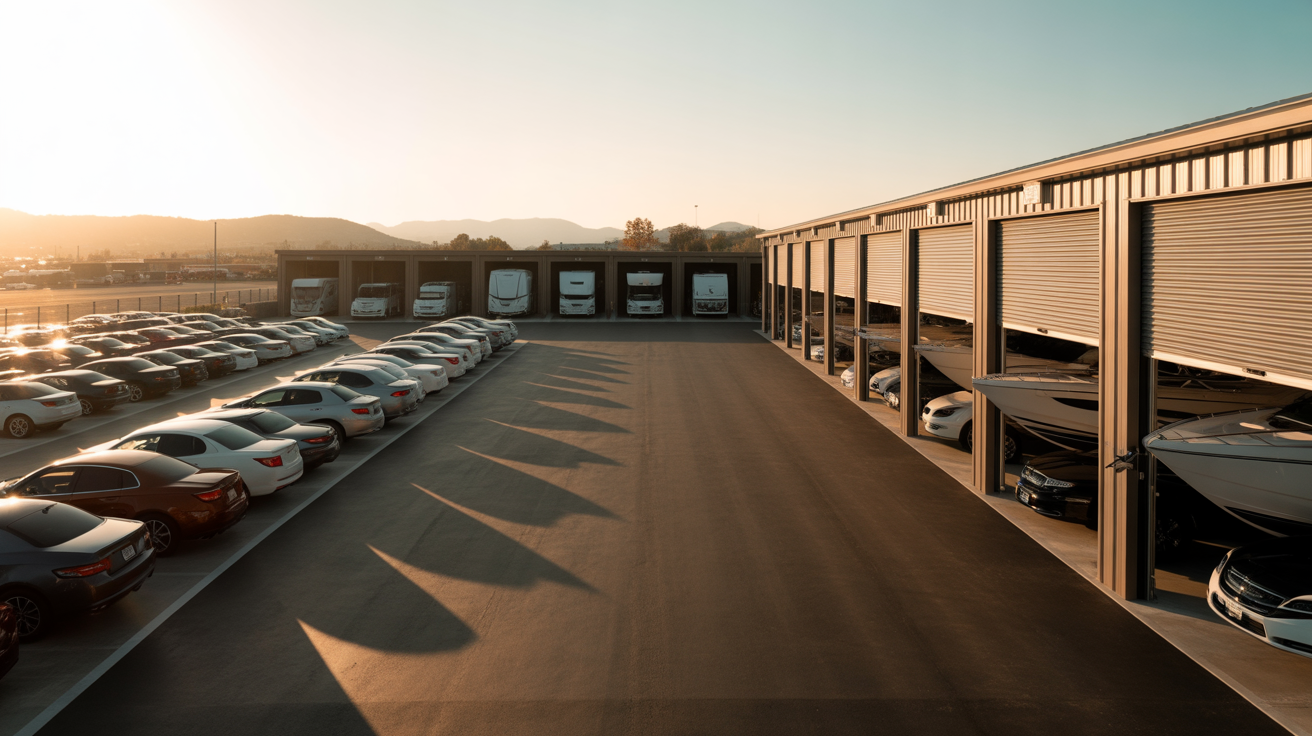
Open-air parking spaces represent the most budget-friendly option for RV and boat storage. These spaces provide a designated, secure spot for your vehicle without overhead protection. Monthly costs typically range from $50 to $145 depending on location and space size.
This option works best for vehicles with durable exterior finishes, owners who access their vehicles frequently during the season, and those storing for shorter periods of 1 to 3 months. The primary drawbacks include direct exposure to UV rays, rain, snow, and hail, which can fade paint, crack rubber seals, and promote mold growth in humid conditions.
At Estes Park Storage, 10x20 open parking spaces can accommodate many boats, trailers, and smaller RVs when available. Rates and availability change, so confirm the current live price in the online rental flow before reserving.
Covered Storage
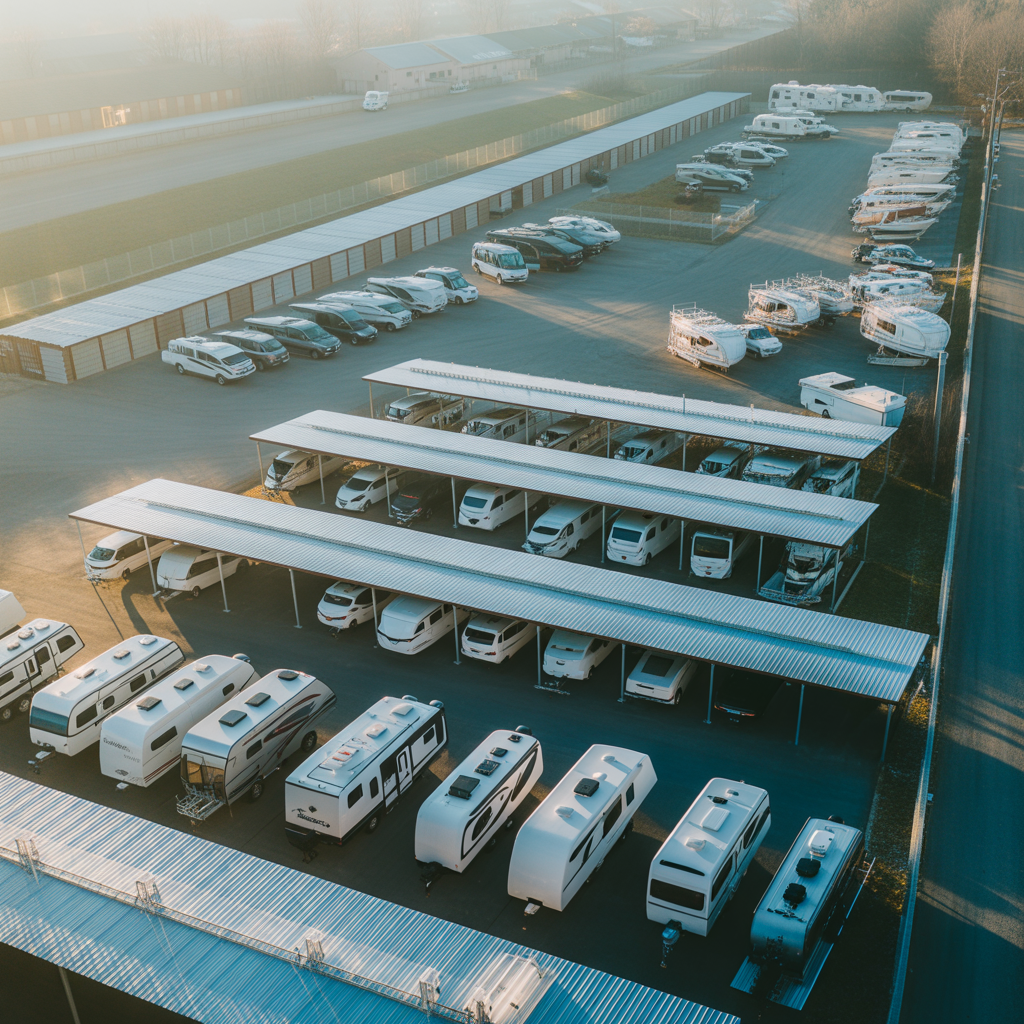
Covered storage, including carports and canopy structures, provides overhead protection while maintaining easy access and air circulation. Monthly costs range from $60 to $230 based on vehicle size and facility amenities.
This mid-range option shields vehicles from direct sun exposure, rain, and snow accumulation. The open sides allow airflow that prevents moisture buildup and condensation, a common cause of mold and mildew in enclosed spaces. Covered storage particularly benefits fiberglass boats and RVs with UV-sensitive exterior materials.
However, covered storage leaves vehicles partially exposed to wind-driven rain, dust, and temperature fluctuations. For Colorado's variable mountain weather, this option provides reasonable protection without the premium cost of fully enclosed units.
Indoor Enclosed Storage
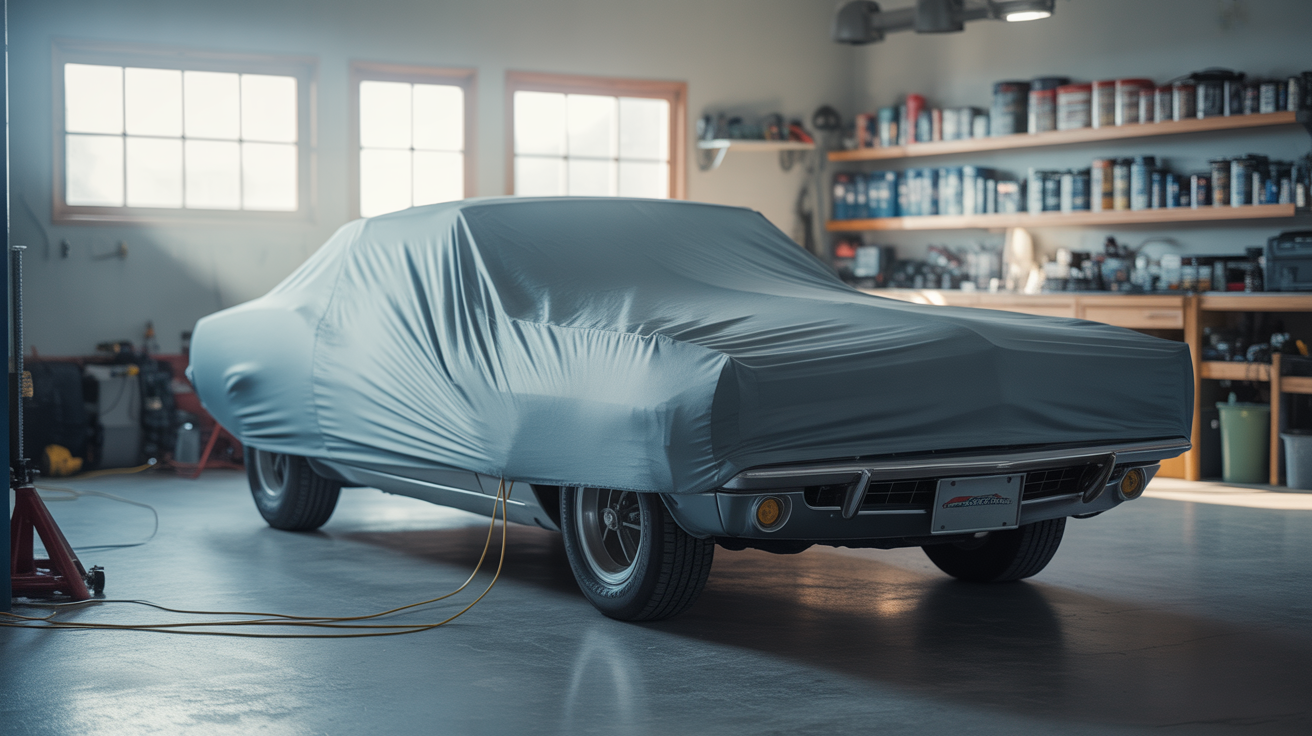
Indoor storage offers maximum protection for high-value RVs and boats. Fully enclosed units shield vehicles from all weather conditions, UV exposure, and potential vandalism. Monthly rates range from $125 to $260 or higher for climate-controlled spaces.
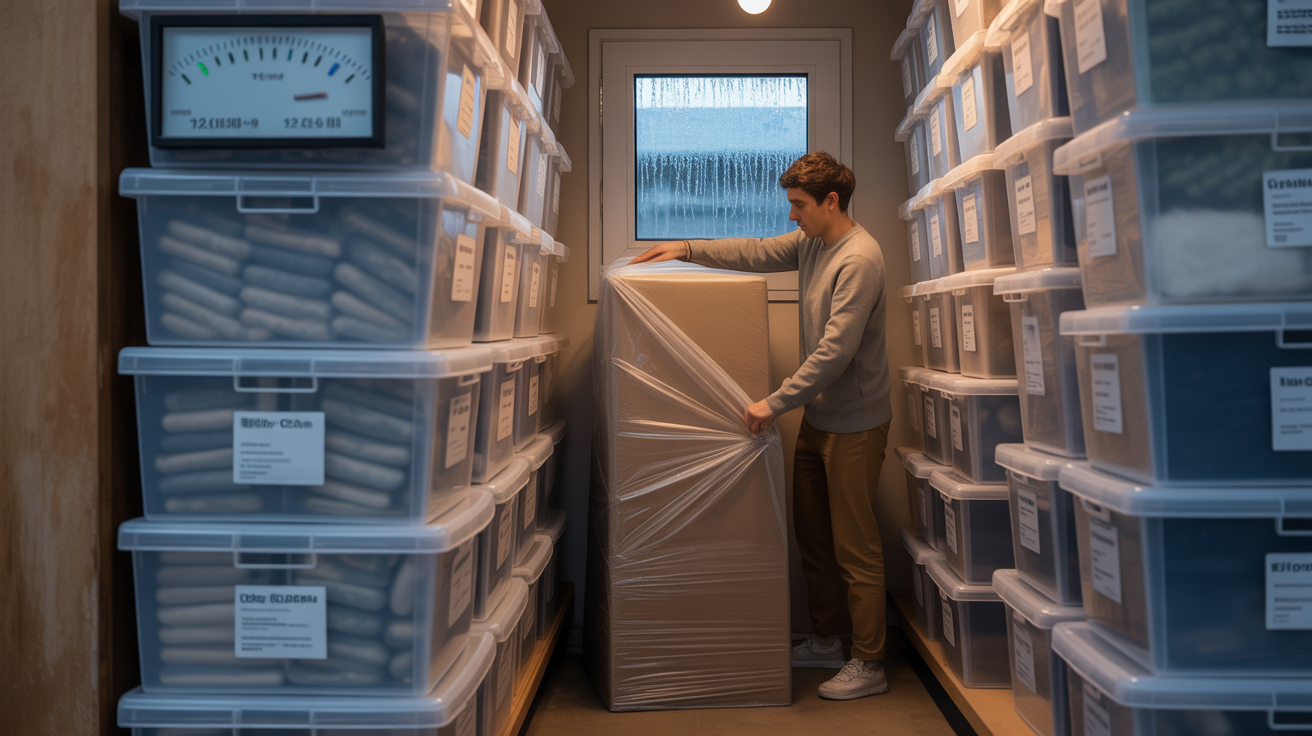
Climate-controlled indoor storage maintains consistent temperatures between 55 and 80 degrees Fahrenheit and regulates humidity levels. According to Recreation Vehicle Industry Association research, this controlled environment can extend vehicle lifespan by up to 30% compared to outdoor storage in regions with extreme weather.
Indoor storage makes sense for vehicles valued above $50,000, boats with sensitive electronics or upholstery, RVs stored for 6 months or longer, and owners in areas with harsh winters or intense summer sun. The higher cost pays dividends through reduced maintenance, preserved resale value, and peace of mind.
Storage Type Comparison
| Storage Type | Monthly Cost | Protection Level | Best For |
|---|---|---|---|
| Outdoor Uncovered | $50 to $145 | Minimal | Short-term, frequent access, budget priority |
| Covered | $60 to $230 | Moderate | UV protection, seasonal use, mid-range budget |
| Indoor Enclosed | $125 to $260+ | Maximum | High-value vehicles, long-term storage |
| Climate-Controlled | $150 to $300+ | Premium | Sensitive electronics, extreme climates |
Security Features to Look For
Vehicle theft and vandalism remain legitimate concerns for RV and boat owners. A storage facility's security infrastructure directly impacts your vehicle's safety during extended storage periods. Prioritize facilities with multiple layers of protection.
Essential Security Elements
Gated access with individual codes limits entry to authorized renters and creates an access log for accountability. This feature alone deters opportunistic theft and allows facility managers to track who enters and exits the property.
24/7 surveillance cameras provide both deterrence and documentation. Modern systems offer high-definition recording with 30 to 90 days of footage retention. Position matters; look for cameras covering entry points, driving lanes, and individual storage areas.
LED lighting throughout the facility eliminates dark corners where criminal activity could occur undetected. Well-lit properties discourage break-ins and make surveillance footage more useful if incidents occur.
Learn more about our comprehensive facility security features including gated access and surveillance systems designed to protect your valuable vehicles.
Additional Security Considerations
Perimeter fencing with a minimum height of 6 feet creates a physical barrier against unauthorized entry. Some facilities add barbed wire or anti-climb features for enhanced protection.
On-site management or regular security patrols add human oversight to electronic systems. Staff presence during business hours also provides assistance with access issues and emergency situations.
How to Store an RV in Hot Weather
Hot weather storage requires specific precautions to prevent heat-related damage to your RV's interior, exterior, and mechanical systems. Temperatures inside an unprotected RV can exceed 150 degrees Fahrenheit on sunny days, causing significant damage to plastics, upholstery, and electronics.
Choose covered or indoor storage when temperatures regularly exceed 90 degrees. Direct sun exposure accelerates rubber seal deterioration, fades exterior graphics, and warps dashboard components. Even a basic canopy reduces interior temperatures by 20 to 30 degrees.
Ventilation prevents moisture damage even in dry climates. Crack roof vents slightly or use breathable covers that allow air circulation while blocking sun. Stagnant air promotes mold growth on fabrics and can cause musty odors that penetrate soft surfaces.
Battery maintenance becomes critical in heat. High temperatures accelerate battery discharge and can cause permanent damage to lead-acid batteries. Disconnect batteries and store them in a cool location, or use a battery maintainer rated for your battery type.
Tire protection extends tire life significantly. UV rays degrade rubber compounds, leading to cracking and premature failure. Use tire covers or position the RV so tires remain shaded. Inflate tires to maximum recommended pressure to prevent flat spots during extended storage.
What Is the Best Way to Store a Boat for Winter
Winter boat storage requires thorough preparation to prevent freeze damage, corrosion, and pest infestation. The winterization process takes 4 to 8 hours depending on boat size and complexity, but prevents thousands of dollars in potential repairs.
Engine and Fuel System
Drain all water from the engine and cooling system to prevent freeze damage. For outboard motors, run the engine briefly in an upright position to expel water from the lower unit. Inboard engines require flushing with antifreeze rated to minus 50 degrees Fahrenheit.
Stabilize fuel by adding marine-grade fuel stabilizer and running the engine for 10 to 15 minutes to distribute it throughout the system. Fill the tank to 90% capacity to minimize condensation while leaving room for expansion. Empty fuel tanks invite moisture accumulation and potential corrosion.
Fog the engine by spraying fogging oil into the carburetor or fuel injection system while the engine runs. This coats internal components with protective oil that prevents corrosion during storage.
Hull and Interior Protection
Clean the hull thoroughly before storage. Remove all marine growth, salt deposits, and debris. Apply a coat of marine wax to fiberglass hulls for added protection against moisture and UV exposure.
Remove all water from bilges, livewells, and plumbing systems. Open all drain plugs and position the boat with a slight stern-down angle to facilitate complete drainage. Standing water freezes, expands, and cracks fiberglass or damages pumps and fittings.
Remove valuables and electronics to prevent theft and temperature-related damage. Store batteries in a climate-controlled space and maintain them with a trickle charger throughout winter.
Where Should I Store My RV When Not in Use
Storage location significantly impacts both vehicle condition and your convenience. Consider accessibility, security, and environmental factors when selecting a storage site for your RV.
Commercial Storage Facilities
Professional storage facilities offer the best combination of security, amenities, and protection for most RV owners. Benefits include gated access, surveillance systems, professional management, and liability coverage. Many facilities offer additional services such as dump stations, wash bays, and electrical hookups for pre-trip preparation.
Location matters for accessibility. Choose a facility within 30 minutes of your home for convenient access before and after trips. Facilities near major highways simplify departure logistics, especially for larger Class A motorhomes that require careful route planning.
Not sure what size storage space you need? Our storage unit size guide helps you determine the right fit for your RV, boat, or trailer.
Home Storage Considerations
Storing an RV at home eliminates monthly fees but introduces other challenges. Many homeowners associations prohibit visible RV storage, with violations resulting in fines of $50 to $500 per occurrence. Municipal codes may restrict vehicle storage in front yards or require screening from street view.
Home storage also exposes your RV to neighborhood theft risk, weather damage, and potential liability if someone is injured on or around the vehicle. Insurance coverage may differ for home-stored versus facility-stored RVs; verify your policy terms before choosing this option.
Marina Storage for Boats
Marina storage provides convenient water access and specialized boat handling equipment. Options include wet slips (in-water storage), dry stack storage, and traditional outdoor or covered spaces. Wet slips cost $200 to $800 monthly depending on location and slip size, while dry stack storage ranges from $150 to $400.
In-water storage during winter requires bubblers or de-icers to prevent ice damage in freezing climates. This adds $50 to $150 in monthly electricity costs and requires monitoring during cold snaps.
How Much Does It Cost to Store a 30 Ft RV
Storage costs for a 30-foot RV vary significantly based on storage type, location, and facility amenities. Budget between $100 and $350 per month depending on your protection requirements and local market rates.
Cost Breakdown by Storage Type
Outdoor uncovered storage for a 30-foot RV typically costs $75 to $150 monthly. Urban areas and popular RV destinations command higher rates, while rural locations offer more competitive pricing. Expect to pay premium rates during peak storage season from October through March.
Covered storage adds $25 to $75 monthly over outdoor rates, bringing total costs to $100 to $225. The additional expense provides meaningful UV and precipitation protection that reduces long-term maintenance costs.
Indoor enclosed storage for a 30-foot RV ranges from $175 to $350 monthly. Climate-controlled options add another $25 to $75. These premium options make financial sense for newer RVs or those with high-end interiors and electronics.
Hidden Costs to Consider
Beyond monthly rent, factor in these potential expenses when budgeting for RV storage:
- Security deposit: One month's rent, typically refundable
- Insurance requirements: $15 to $50 monthly for facility-required coverage
- Administrative fees: $25 to $50 one-time setup fee
- Late payment penalties: $25 to $50 or 10% of monthly rent
- Access fees: Some facilities charge for after-hours access
Many facilities offer discounts for annual prepayment, typically 5 to 15% off total costs. This can save $60 to $500 annually depending on your monthly rate.
Is Climate-Controlled Storage Necessary for Seasonal RV Storage
Climate control becomes necessary when storage conditions exceed safe temperature or humidity thresholds for extended periods. The decision depends on your local climate, storage duration, and what items remain inside your RV.
When Climate Control Is Essential
Temperature extremes damage specific components. Electronics fail when exposed to temperatures above 120 degrees or below minus 20 degrees Fahrenheit for extended periods. Leather upholstery cracks in extreme cold, while vinyl and rubber seals deteriorate faster in sustained heat.
Humidity above 60% promotes mold and mildew growth on fabrics, wood components, and paper products. Conversely, very low humidity (below 30%) causes wood to crack and leather to dry out. Climate-controlled storage maintains humidity between 40 and 55 percent, the ideal range for most materials.
Storage duration matters. Short-term storage of 1 to 3 months rarely requires climate control unless conditions are extreme. Storage exceeding 6 months in regions with hot summers, cold winters, or high humidity benefits significantly from controlled environments.
When Standard Storage Suffices
Standard covered or indoor storage works well for RVs in moderate climates with temperatures staying between 20 and 95 degrees Fahrenheit. If you remove sensitive electronics, store valuables elsewhere, and properly winterize mechanical systems, standard storage provides adequate protection at lower cost.
The 30% lifespan extension cited by the Recreation Vehicle Industry Association applies primarily to vehicles stored in harsh conditions without climate control. In moderate climates like Colorado's Front Range, the benefit decreases to 10 to 15 percent, making the cost-benefit calculation less favorable.
What Maintenance Should I Do Before Storing My Boat or RV for Winter
Pre-storage maintenance prevents costly repairs and ensures your vehicle starts reliably when the season returns. Budget 4 to 8 hours and $50 to $200 in supplies for thorough preparation.
Essential Pre-Storage Checklist for RVs
Fluid systems require attention. Drain and flush the fresh water system, then add RV-specific antifreeze to all plumbing lines. Change engine oil and filter to remove acidic contaminants that cause corrosion during storage. Top off coolant with a 50/50 antifreeze mixture.
Electrical system preparation extends battery life and prevents parasitic drain. Disconnect batteries and store them in a temperature-controlled space. Connect a battery maintainer to keep batteries at optimal charge. For lithium batteries, store at 50 to 70 percent charge rather than full capacity.
Exterior protection starts with a thorough wash to remove road grime, bird droppings, and tree sap that damage finishes over time. Apply UV protectant to rubber seals and tires. Cover exterior vents with breathable material to prevent pest entry while allowing moisture escape.
Interior preparation prevents odors and pest damage. Remove all food items, clean refrigerator and freezer thoroughly, and leave doors propped open. Place moisture absorbers in closets and storage compartments. Set mouse traps or use peppermint oil deterrents to discourage rodent nesting.
Essential Pre-Storage Checklist for Boats
Engine winterization follows manufacturer specifications for your specific powerplant. Outboards require lower unit gear oil change and water system drainage. Inboards need cooling system flushing, antifreeze addition, and fogging oil application.
Fuel system stabilization prevents ethanol-related damage common in modern gasoline. Add marine fuel stabilizer at the recommended ratio and run the engine to distribute throughout the system. For diesel engines, add biocide to prevent algae growth in fuel tanks.
Hull and trailer care extends equipment life. Wash hull thoroughly and apply marine wax. Grease trailer wheel bearings and check tire pressure, inflating to maximum sidewall rating. Inspect trailer lights and wiring for corrosion.
How Do I Find Secure RV Storage Near Me with 24/7 Access
Finding quality RV storage requires evaluating multiple factors beyond just price and location. Use these strategies to identify facilities that meet your security and access requirements.
Search and Evaluation Process
Start with online directories that aggregate storage facilities by location. Search for "RV storage" plus your city or ZIP code to generate initial options. Filter results by amenities including 24/7 access, security features, and covered or indoor options.
Verify security claims through facility visits. Ask to see surveillance camera coverage, test gate access systems, and observe lighting quality after dark. Request information about security incident history and how management responds to break-ins or damage.
Confirm 24/7 access policies. Some facilities advertise extended hours but restrict overnight access or charge additional fees. Clarify whether your individual access code works at all hours and whether any notice is required for after-hours visits.
Questions to Ask Potential Facilities
- What security features protect the property (cameras, gates, lighting, patrols)?
- Is access truly available 24/7 or are there restricted hours?
- What insurance coverage does the facility carry, and what does my renter's policy need to cover?
- Are there size restrictions or height limits for RVs?
- What happens if I need to access my RV during a power outage?
- Can I perform light maintenance (washing, battery charging) on-site?
- What is the notice period for ending my rental agreement?
Local Storage Options in Estes Park
For RV and boat owners in the Estes Park area, Estes Park Storage offers secure vehicle parking with gated access, LED lighting, and surveillance cameras. Our facility provides 24/7 access with flexible month-to-month rentals, eliminating long-term commitment concerns for seasonal storage needs.
Our 10x20 open parking spaces accommodate most recreational vehicles and boats at competitive rates. Contact us at (970) 586-6811 or Help@LookingForStorage.com to discuss your specific storage requirements.
Making Your Storage Decision
The right storage solution balances protection, cost, and convenience for your specific situation. High-value vehicles and long-term storage justify premium indoor or climate-controlled options, while budget-conscious owners with newer, weather-resistant vehicles may find outdoor storage perfectly adequate.
Consider these decision factors:
- Vehicle value over $50,000: Indoor or climate-controlled storage provides best ROI
- Storage duration under 3 months: Outdoor covered storage usually suffices
- Frequent access needed: Prioritize 24/7 access and convenient location
- Extreme local climate: Climate control prevents temperature and humidity damage
- Budget priority: Outdoor storage with proper preparation protects adequately
Whatever option you choose, proper pre-storage maintenance remains essential. A well-prepared vehicle in basic outdoor storage often fares better than a neglected vehicle in premium indoor space. Invest time in winterization and regular checks throughout the storage period to protect your investment.
|