How to Store Camping Gear, Bikes & Outdoor Equipment in Estes Park |
| HOW TO STORE CAMPING GEAR, BIKES, AND OUTDOOR EQUIPMENT IN ESTES PARK
⏱ 12 min read ·
📄 #2,380 words
Learn how to store camping gear, bikes, and outdoor equipment in Estes Park. Get expert tips on moisture control, organization, and choosing the right unit size.
|
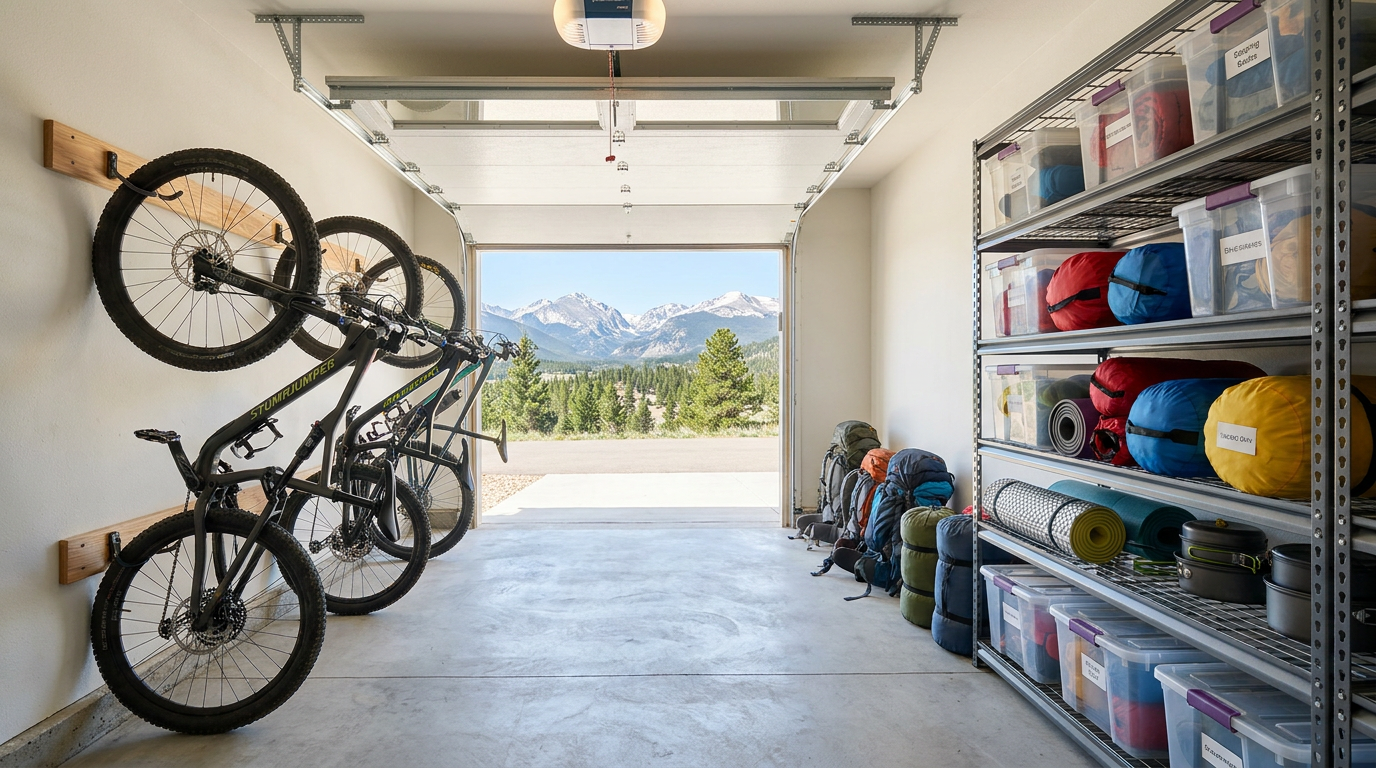
S tore camping gear, bikes, and outdoor equipment in Estes Park using a drive-up self storage unit with proper moisture control, organized bins, and security features. A 5x10 unit ($119/month) fits most recreational gear, while a 10x10 unit ($249/month) accommodates multiple bikes, large tents, and seasonal equipment rotations.
| Key Points: | |
|---|---|
| • | Clean and completely dry all gear before storage to prevent mold in Colorado's variable mountain climate |
| • | A 5x10 drive-up unit holds 2-3 bikes, camping bins, and seasonal gear for $119/month |
| • | Use silica gel packets or moisture absorbers in bins; Estes Park humidity ranges from 30-70% seasonally |
| • | Store bikes with tires inflated to 80% of recommended PSI and chains lubricated |
| • | Never store propane tanks, fuel, or lithium batteries in storage units per fire safety codes |
Why Estes Park Residents Need Dedicated Gear Storage
Estes Park sits at 7,522 feet elevation at the gateway to Rocky Mountain National Park, which sees over 4.5 million visitors annually according to National Park Service data. This location creates unique storage challenges. Temperature swings of 40 degrees in a single day are common. Snow can fall any month of the year. Humidity fluctuates dramatically between seasons.
Local residents and seasonal workers juggle multiple outdoor activities: hiking and backpacking from May through October, mountain biking on 300+ miles of trails, fishing at Lake Estes, and skiing during winter months. Storing this gear properly extends equipment life by 3-5 years and prevents the $500-2,000 replacement costs of damaged tents, sleeping bags, and bicycles.
Unlike the Estes Park Aerial Tramway area or downtown Estes Park shops, storage facilities sit away from tourist traffic, offering 24/7 access for early morning trail departures. This matters when you need to grab gear at 5 AM for a sunrise hike or return equipment after a late evening ride.
Choosing the Right Storage Unit Size for Outdoor Gear
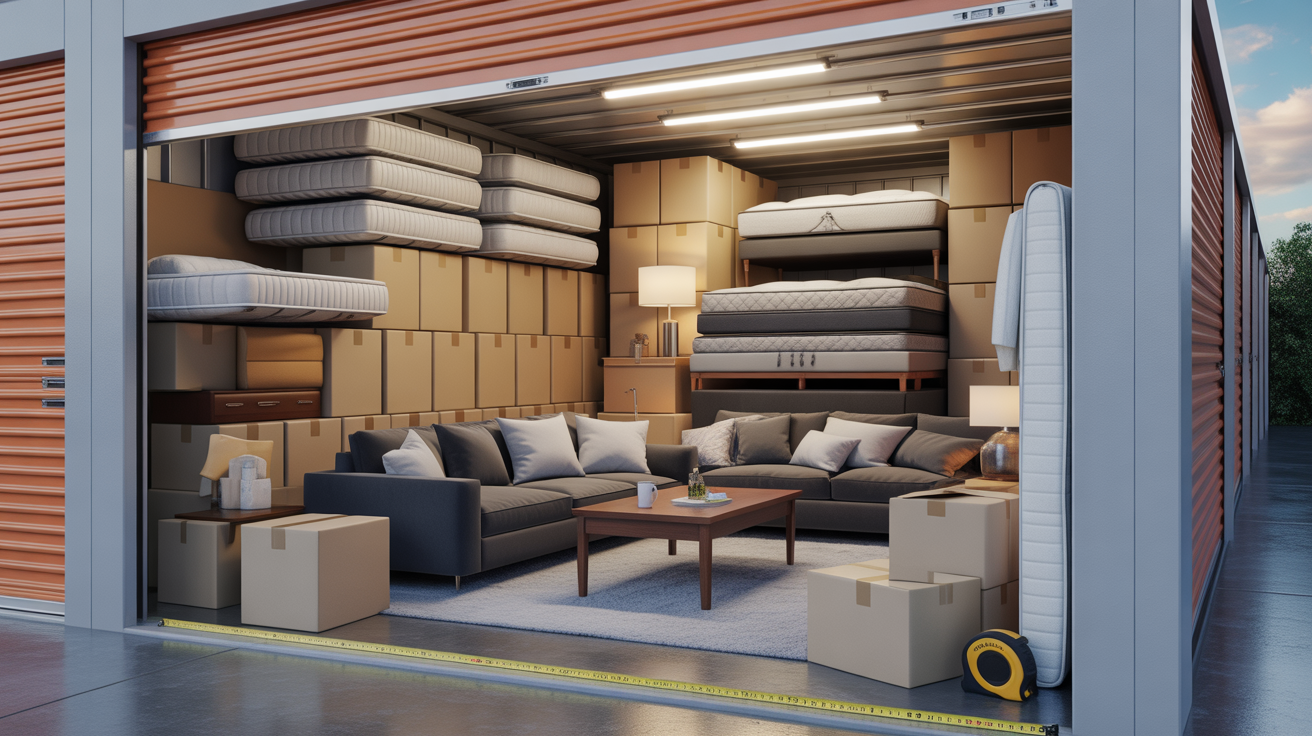
Selecting the correct unit size prevents both wasted money and cramped, disorganized storage. The storage unit size guide breaks down dimensions, but here is what fits specific outdoor equipment combinations:
| Unit Size | Monthly Cost | What It Holds | Best For |
|---|---|---|---|
| 5x10 | $119 | 2-3 bikes, 4-6 storage bins, tent, sleeping bags, camp chairs | Individual or couple with seasonal gear |
| 10x10 | $249 | 4-6 bikes, kayak/canoe, 10+ bins, large tent, coolers, camp kitchen | Family or avid outdoor enthusiast |
| 10x20 | $375 | All above plus ATV, motorcycle, or small boat trailer | Multi-sport family or guide service |
| 10x25 | $445 | Full outdoor inventory plus vehicle or large watercraft | Outfitter or serious collector |
Drive-up access eliminates the hassle of navigating hallways with bulky equipment. Loading a 35-pound mountain bike or 50-pound cooler directly from your vehicle into a ground-level unit takes 2-3 minutes versus 10-15 minutes with indoor units requiring elevators or stairs.
How to Store Camping Gear Without Mold or Damage
The National Park Service Ten Essentials framework emphasizes keeping critical outdoor equipment ready for immediate use. Proper storage makes this possible while preventing the mold, mildew, and material degradation that plagues improperly stored gear.
Tent Storage Best Practices
Never store a tent compressed in its stuff sack long-term. The polyurethane coating on tent floors degrades 40% faster under constant pressure. Instead, store tents loosely rolled or hung. Keep poles, stakes, and guylines in a separate labeled bag inside the same bin.
Before storage, set up the tent in your yard or garage to dry completely. Even 24 hours of residual moisture can start mold growth. Wipe down poles with a dry cloth and check for bent sections that need replacement before your next trip.
Sleeping Bag and Pad Storage
Down sleeping bags lose 15-20% of their loft when stored compressed for more than 30 days. Store bags in large cotton or mesh storage sacks, not the small stuff sacks used for backpacking. Hang bags when possible, or store them loosely in oversized bins.
Foam sleeping pads should be stored unrolled or loosely rolled with the valve open. Inflatable pads need partial inflation (about 25%) to prevent the internal baffles from sticking together during storage.
Cookware and Camp Kitchen Organization
Clean all cookware thoroughly before storage. Even small food residue attracts rodents and creates odors. Nest pots and pans with paper towels between them to prevent scratching. Store stoves with fuel lines disconnected and valves open.
Create a dedicated "camp kitchen" bin containing: stove, fuel line, windscreen, pots, utensils, plates, cups, water filter, and fire-starting supplies. This grab-and-go approach means you spend 5 minutes preparing for a trip instead of 45 minutes hunting for scattered items.
Bike Storage: Protecting Your Investment
Mountain bikes in Estes Park face unique challenges. Trail dust contains fine granite particles that accelerate drivetrain wear. Moisture from creek crossings and afternoon thunderstorms promotes rust. Proper storage between rides extends component life significantly.
Pre-Storage Bike Maintenance
Clean the entire bike before storage, focusing on the drivetrain. Degrease the chain, cassette, and chainrings using a citrus-based cleaner. Apply fresh chain lubricant appropriate for dry Colorado conditions. Wipe excess lubricant to prevent dust accumulation.
Inflate tires to 80% of the maximum PSI listed on the sidewall. This prevents flat spots from developing while avoiding over-pressurization in temperature fluctuations. Check tires monthly if storing for extended periods.
Storage Position and Protection
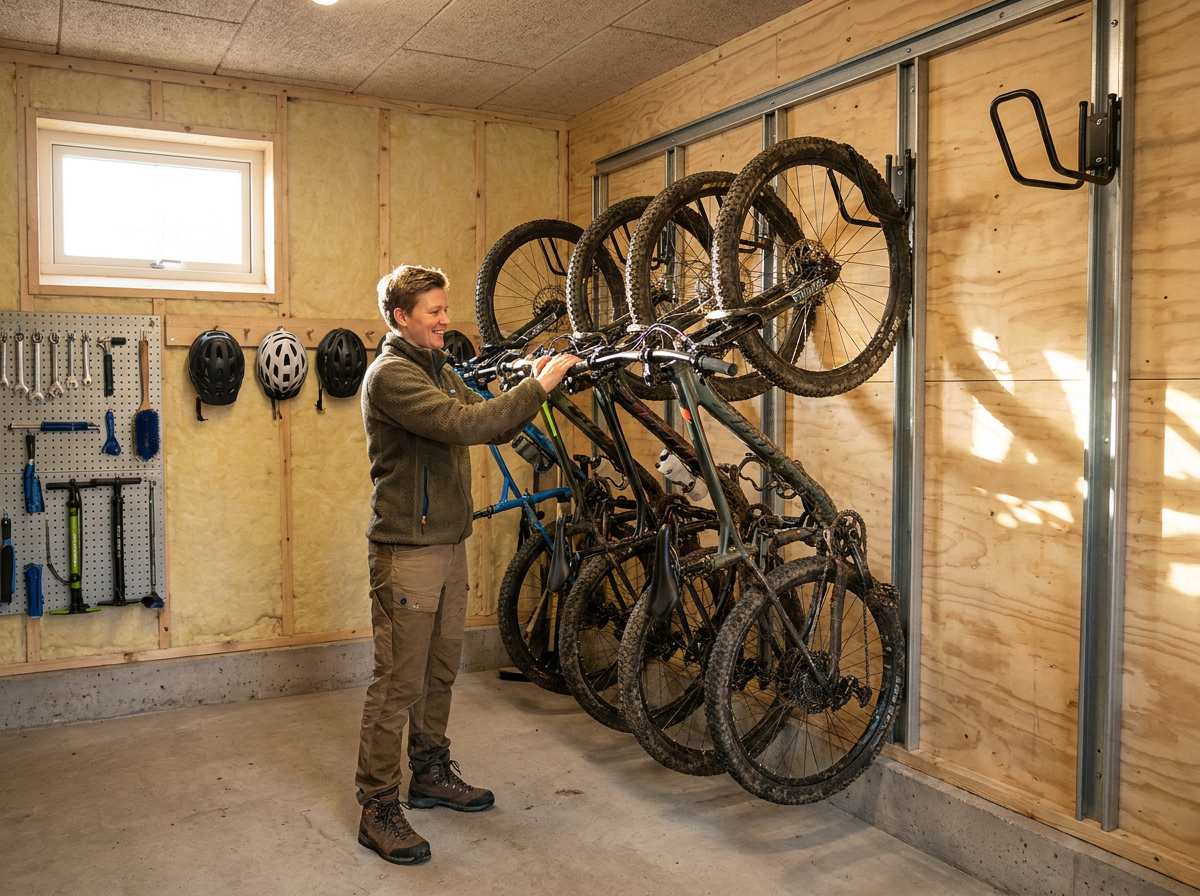
Hang bikes by the front wheel using padded hooks to save floor space. A 5x10 unit can hold 4-6 bikes hung vertically versus 2-3 bikes stored on the floor. Alternatively, use a floor-standing bike rack that keeps bikes upright and organized.
Cover bikes with breathable fabric covers, not plastic. Plastic traps moisture and accelerates corrosion. Store helmets, shoes, gloves, and repair tools in a dedicated bin near the bikes for quick access.
| Bike Storage Method | Space Required | Cost | Best For |
|---|---|---|---|
| Wall hooks | 2 sq ft floor space per bike | $15-30 per hook | Maximizing vertical space |
| Floor rack | 6 sq ft for 4 bikes | $50-150 | Easy access, no wall mounting |
| Ceiling pulley | 0 sq ft floor space | $25-75 | High ceilings, single bike |
| Freestanding | 8-10 sq ft per bike | $0 | Short-term, frequent access |
Moisture Control in Mountain Storage
Estes Park's elevation creates rapid temperature changes that cause condensation inside storage units. Morning temperatures in summer average 45-50 degrees Fahrenheit, rising to 75-85 degrees by afternoon. This 30-40 degree swing causes moisture to form on metal and fabric surfaces.
Active Moisture Prevention
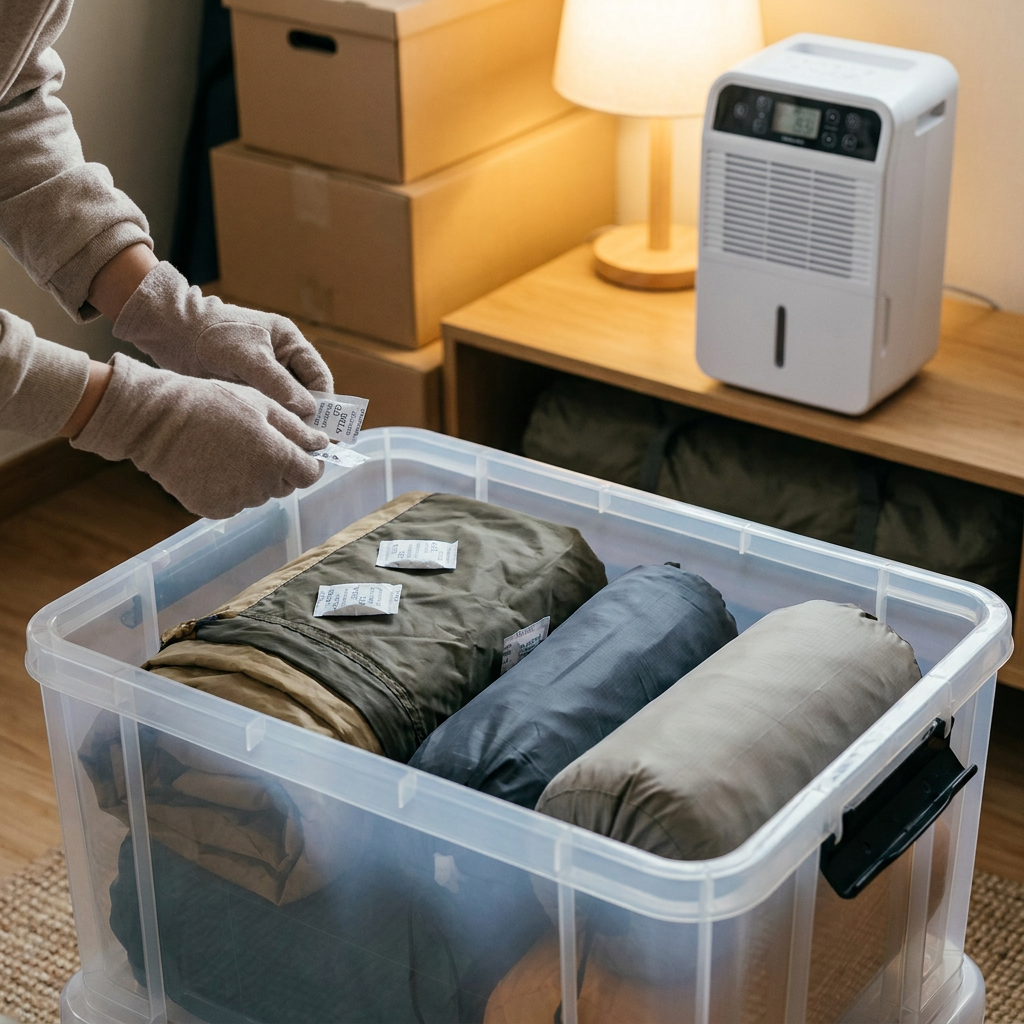
Place silica gel packets (available at hardware stores for $8-15 per pound) inside every storage bin. One pound of silica gel protects approximately 30 cubic feet of space for 60-90 days. Rechargeable silica gel canisters cost $20-40 and can be dried in an oven for reuse.
DampRid or similar calcium chloride products absorb moisture from the air. Place one container per 100 square feet of storage space. Replace when the crystals fully dissolve, typically every 45-60 days in Estes Park conditions.
Ventilation and Air Circulation
Avoid packing bins tightly against walls. Leave 2-3 inches of space for air circulation. Stack bins with gaps between them rather than creating solid walls of containers. This airflow prevents moisture pockets from forming.
Visit your unit monthly to open bins and allow fresh air exchange. This 15-minute check prevents small moisture problems from becoming major mold issues. Inspect fabric items for musty odors that indicate early mold growth.
What You Cannot Store: Fire Safety and Facility Rules
Storage facilities prohibit certain items for safety and legal reasons. Violating these rules can result in lease termination and potential liability for damages. The frequently asked questions page covers specific policies, but standard prohibited items include:
- Propane tanks and camp fuel: Store at home in a ventilated area, never in enclosed storage
- Lithium batteries: Remove from devices; store separately in fireproof containers at home
- Gasoline and diesel: Never store fuel in any quantity
- Fireworks and flares: Emergency flares from vehicle kits must be removed
- Perishable food: Attracts pests and creates odors; remove all food from coolers
- Compressed gas cylinders: Including CO2 cartridges for bike tire inflation
Create a "do not store" checklist and review it before each storage visit. Keep prohibited items in a dedicated area at home, clearly labeled and away from living spaces.
Seasonal Gear Rotation System
Estes Park's outdoor calendar divides roughly into three seasons: summer hiking and biking (May through September), shoulder season fishing and fall colors (October and November), and winter activities (December through April). Organizing storage around these seasons reduces clutter and speeds trip preparation.
Summer Season Setup
Position frequently used items near the unit entrance: day hiking packs, bike gear, fishing equipment, and car camping supplies. Store winter gear (skis, snowshoes, cold-weather clothing) toward the back. Label bins clearly with contents and season.
Winter Transition
In late October, rotate gear positions. Move summer camping equipment to the back after thorough cleaning and moisture treatment. Bring winter gear forward. This takes 1-2 hours but saves countless frustrating searches during the season.
The unusual things to do in Estes Park during shoulder seasons, like fall wildlife watching or early spring waterfall hikes, require different gear than peak summer. Keep a "shoulder season" bin accessible year-round with layers, rain gear, and versatile equipment.
Security Considerations for Valuable Gear
High-end mountain bikes cost $3,000-12,000. Quality backpacking gear runs $1,500-4,000 for a complete setup. Protecting this investment requires attention to security features and insurance coverage.
Estes Park Storage provides 24/7 access with full gating, LED lighting, and security cameras. These features deter theft and provide evidence if incidents occur. The facility's drive-up design means you load and unload in visible, well-lit areas.
Consider adding a SafeLease tenant protection plan for coverage against burglary, fire, and water damage. Document your stored items with photos and serial numbers. Keep this inventory at home or in cloud storage, not in the unit itself.
Organization Tips from Outdoor Gear Lab Recommendations
Professional gear reviewers at Outdoor Gear Lab recommend organizing equipment by activity type rather than item category. This approach means grabbing one or two bins for a specific trip rather than searching through multiple containers.
Recommended Bin Categories
- Day Hiking: Daypack, water bottles, snacks container, first aid, rain jacket, headlamp
- Backpacking: Large pack, tent, sleeping system, cook kit, water treatment
- Car Camping: Large tent, camp chairs, cooler accessories, lanterns, camp kitchen
- Biking: Helmet, gloves, shoes, repair kit, pump, spare tubes, lights
- Fishing: Rods, tackle, waders, vest, net, license holder
- Emergency/Repair: Tent patches, seam sealer, multi-tool, duct tape, cordage
Use clear plastic bins when possible so you can see contents without opening. Label all sides and tops of opaque bins. Create a master inventory list posted inside the unit door.
Cost Comparison: Storage vs. Alternatives
Some Estes Park residents consider alternatives to dedicated storage. Here is how the options compare for typical outdoor gear collections:
| Option | Monthly Cost | Pros | Cons |
|---|---|---|---|
| 5x10 Storage Unit | $119 | Secure, organized, 24/7 access | Monthly expense, requires travel |
| Garage/Basement | $0 | Convenient, no added cost | Takes living space, moisture issues |
| Outdoor Shed | $50-100 (amortized) | On-site, one-time cost | HOA restrictions, weather exposure |
| Friend's Space | $0-50 | Low cost, flexible | Access limitations, relationship strain |
For seasonal workers and visitors staying near the YMCA of the Rockies or Stanley Hotel area, dedicated storage often makes more sense than cramming gear into temporary housing. The current move-in promotion of 2 months at 50% off reduces the initial investment.
Frequently Asked Questions
What size storage unit do I need for camping gear and bicycles?
A 5x10 unit ($119/month) holds 2-3 bikes plus 4-6 storage bins of camping gear, sleeping bags, and accessories. Families or avid outdoor enthusiasts with more equipment should consider a 10x10 unit ($249/month), which accommodates 4-6 bikes, a kayak, and extensive gear collections.
How do I store camping gear long term without mold?
Clean all gear thoroughly and dry completely before storage. Store tents loosely rather than compressed. Use silica gel packets in bins (1 pound per 30 cubic feet). Visit monthly to allow air exchange. Keep bins 2-3 inches from walls for circulation.
Can I store propane tanks or fuel with outdoor equipment?
No. Propane, camp fuel, gasoline, and compressed gas cylinders are prohibited in all self storage facilities due to fire codes. Store these items at home in ventilated areas away from living spaces. Remove CO2 cartridges from bike repair kits before storage.
What is the best way to store bikes in a storage unit?
Clean and lubricate the drivetrain before storage. Inflate tires to 80% of maximum PSI. Hang bikes vertically by the front wheel using padded hooks to maximize space. Cover with breathable fabric, not plastic. Store accessories in a dedicated bin nearby.
How do I protect outdoor gear from moisture in Colorado storage?
Use silica gel packets or DampRid containers throughout the unit. Leave space between bins and walls for air circulation. Visit monthly to open containers and allow fresh air exchange. Inspect fabric items for musty odors indicating early mold growth.
Is drive-up storage better for seasonal sports equipment?
Yes. Drive-up access allows direct loading from your vehicle to the unit, reducing handling time from 10-15 minutes to 2-3 minutes for bulky items. Ground-level access eliminates elevator waits and hallway navigation with heavy bikes, coolers, and gear bins.
Getting Started with Outdoor Gear Storage
The best time to organize outdoor gear storage is before you need it. Set up your system during a slower season when you have time to clean, sort, and properly pack equipment. The locally owned team at Estes Park Storage can help you choose the right unit size based on your specific gear collection.
Month-to-month rentals with no deposit required mean you can adjust your storage as needs change. Seasonal workers can rent during their Estes Park stay and close the unit when they leave. Year-round residents can scale up before major gear purchases or downsize after selling equipment.
Whether you are exploring what to do in Estes Park as a visitor or managing gear as a longtime resident, proper storage protects your investment and keeps you ready for the next adventure. The free things to do in Estes Park, like hiking Rocky Mountain National Park trails, become even more enjoyable when your gear is organized, maintained, and ready to go.
|