Complete Checklist for Choosing the Right Storage Facility |
| COMPLETE CHECKLIST FOR CHOOSING THE RIGHT STORAGE FACILITY
⏱ 8 min read ·
📄 #1,506 words
Use this 15-point checklist to evaluate storage facilities. Compare security, pricing, access hours, and unit features before signing a rental agreement.
|

T he right storage facility combines convenient location within 15 minutes of your home, 24/7 access, comprehensive security with cameras and gated entry, transparent pricing without hidden fees, and unit features matching your specific items. Evaluate at least three facilities using a standardized checklist before signing any rental agreement.
| Key Points: | |
|---|---|
| • | Visit facilities in person; online photos often misrepresent actual conditions |
| • | Standard 10x10 units cost $100-300/month depending on location and features |
| • | Month-to-month leases offer flexibility; long-term contracts may include 10-15% discounts |
| • | Climate control adds $25-50/month but prevents damage to electronics, documents, and wood furniture |
| • | Security essentials include surveillance cameras, individual unit alarms, and gated access with unique codes |
The 4 D's of Self Storage: Your Foundation
Before comparing facilities, understand the four fundamental factors that determine storage success. The 4 D's framework helps you prioritize what matters most for your specific situation.
Distance refers to proximity from your home or business. Choose a facility within 15-20 minutes of where you will access items most frequently. Longer distances lead to abandoned units and forgotten belongings.
Duration determines your contract type. Short-term storage under 6 months benefits from month-to-month flexibility. Long-term storage over 12 months may warrant negotiating discounted annual rates.
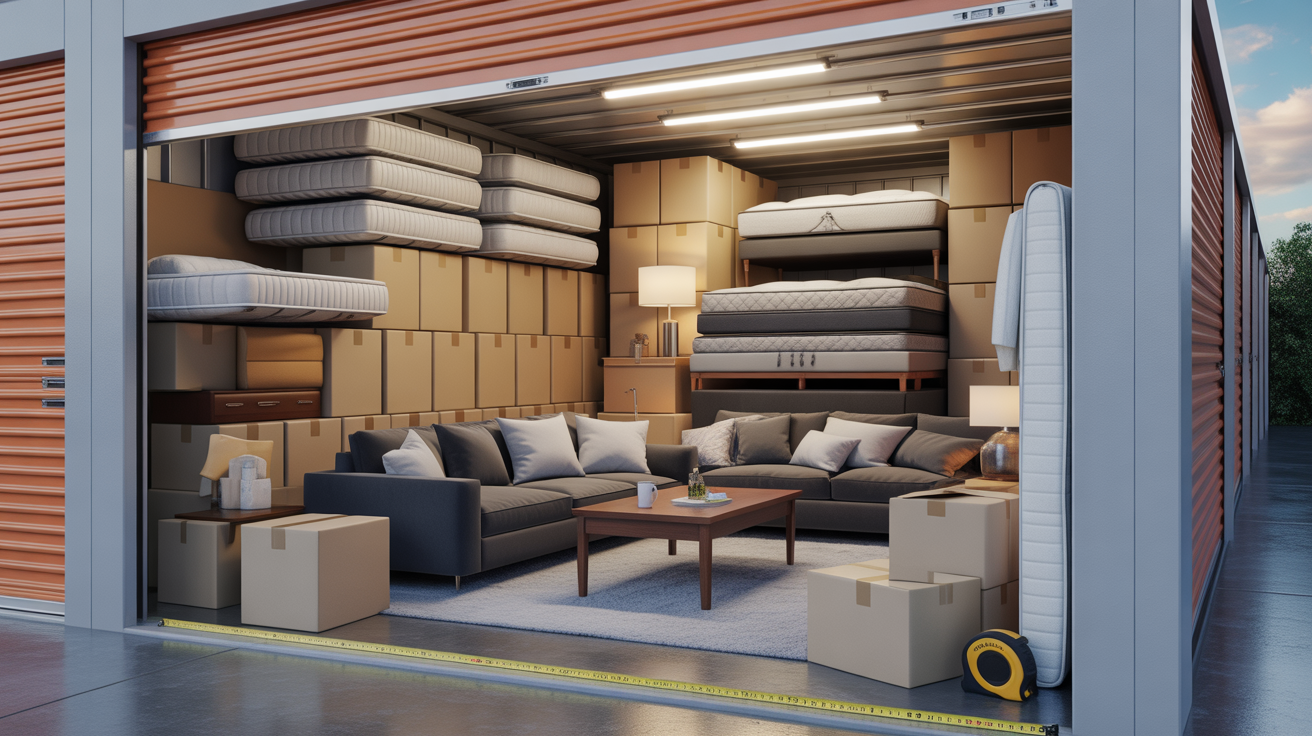
Dimensions involve selecting the correct unit size. Underestimating leads to cramped, inaccessible units. Overestimating wastes $50-150 monthly. Use a storage unit size guide to calculate your actual needs.
Dollars encompasses total cost including rent, insurance, fees, and potential rate increases. Request written quotes from multiple facilities before committing.
Security Features Checklist
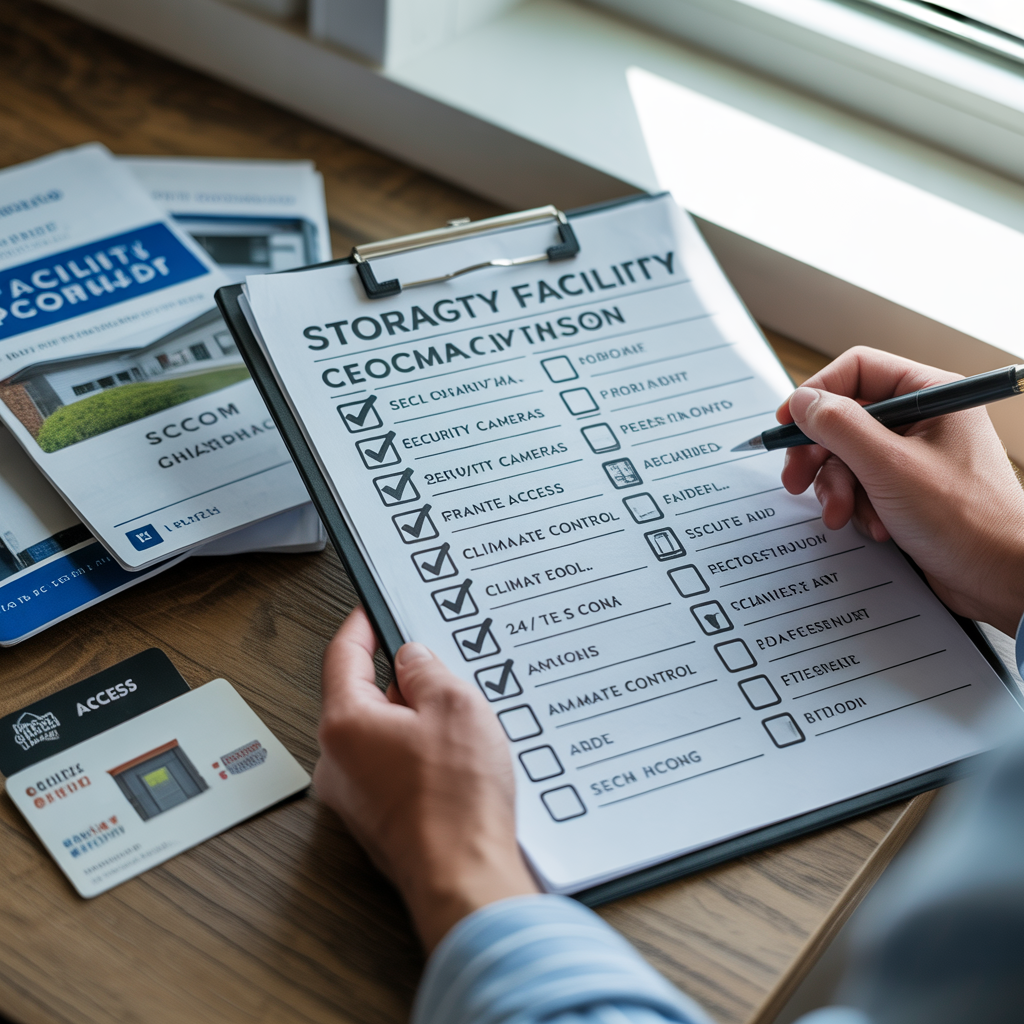
Security separates reputable facilities from risky options. Never compromise on these essential features, as replacing stolen or damaged items costs far more than premium storage rates.
Mandatory Security Elements
- 24/7 video surveillance covering all hallways, entry points, and parking areas
- Gated access requiring unique PIN codes or key cards for each tenant
- Individual unit door alarms that trigger when opened without authorization
- Adequate lighting throughout the facility, including parking lots and loading areas
- Perimeter fencing at minimum 6 feet tall with no gaps or damage
- On-site management during business hours or regular security patrols
Security Red Flags
Walk away from facilities showing these warning signs: broken cameras or visible blind spots, damaged fencing, poor lighting in any area, unlocked gates during off-hours, or management unwilling to show security systems. Learn more about what comprehensive storage security measures should include.
Location and Access Evaluation
Convenient access determines whether you actually use your storage unit or let items sit untouched. Evaluate these factors during your facility visit.
Access Hours
Facilities offer three typical access schedules. Limited access provides 8-12 hours daily, usually 6 AM to 6 PM. Extended access runs 5 AM to 10 PM or similar. Full 24/7 access allows entry anytime. Consider your work schedule and when you realistically need to retrieve items.
Physical Accessibility
Drive-up units allow vehicle parking directly at your door, eliminating cart trips through hallways. This feature saves 30-60 minutes per visit when loading or unloading heavy items. Interior units require navigating elevators and corridors but offer better climate protection.
Location Factors
- Distance from your primary residence or business
- Traffic patterns during your likely visit times
- Parking availability for loading and unloading
- Elevator reliability for upper-floor units
- Loading dock access for large items or commercial use
Unit Features and Conditions
Inspect potential units personally before signing. Online photos rarely capture actual conditions, and unit quality varies significantly within the same facility.
Climate Control Considerations
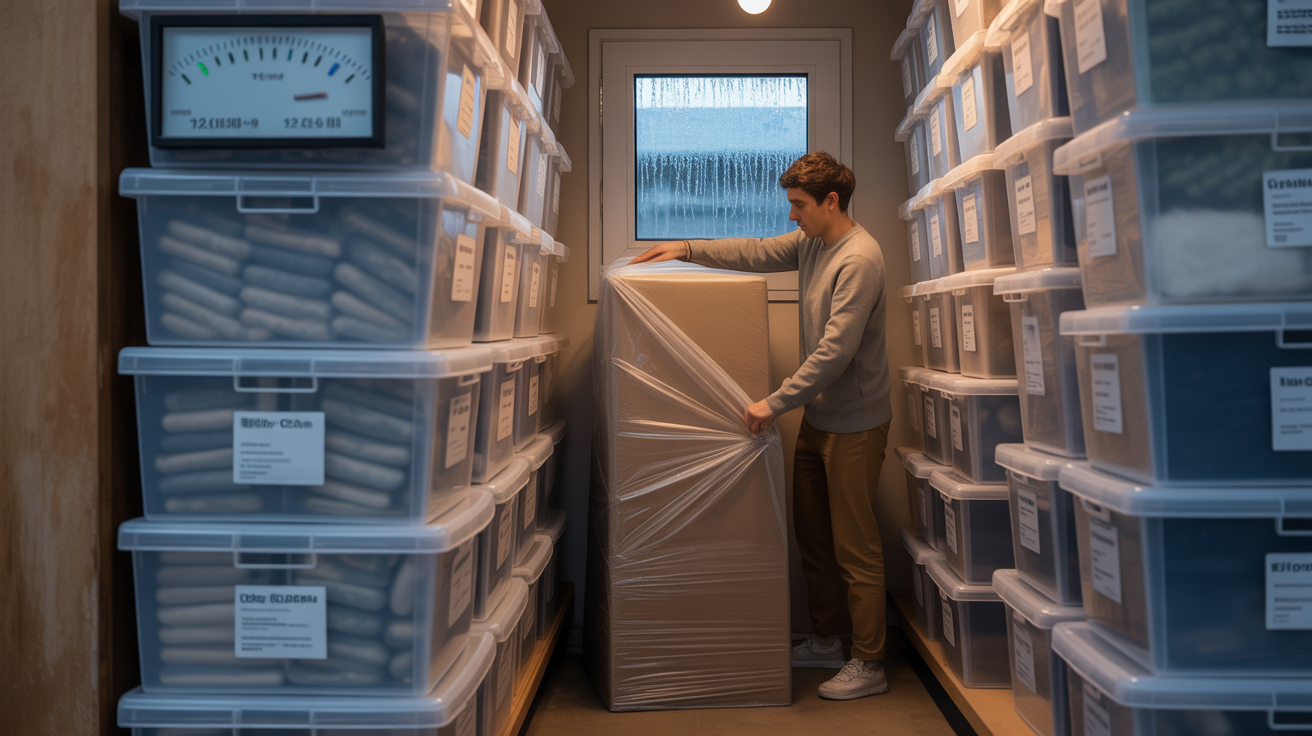
Climate-controlled units maintain temperatures between 55-80 degrees Fahrenheit and humidity below 55%. This protection costs $25-50 extra monthly but prevents irreversible damage to sensitive items.
Items requiring climate control: wooden furniture, electronics, photographs, documents, musical instruments, leather goods, artwork, wine, and antiques. Standard units work fine for metal tools, outdoor equipment, and items designed for temperature variation.
Unit Inspection Checklist
During your facility tour, examine these specific elements:
- Cleanliness: No debris, dust accumulation, or pest evidence
- Walls and ceiling: No water stains, cracks, or holes
- Floor condition: Level surface without cracks or moisture
- Door operation: Smooth opening and closing, proper seal when locked
- Odors: No musty, chemical, or pest-related smells
- Lighting: Adequate illumination inside and in adjacent hallways
Pricing and Contract Analysis
Storage pricing involves more than monthly rent. Request itemized quotes and read contracts completely before signing to avoid unexpected costs.
Standard Pricing Ranges by Unit Size
| Unit Size | Typical Use | Monthly Cost Range |
|---|---|---|
| 5x5 | Small closet, boxes only | $50-90 |
| 5x10 | Walk-in closet, seasonal items | $75-150 |
| 10x10 | One-bedroom apartment | $100-200 |
| 10x15 | Two-bedroom apartment | $150-250 |
| 10x20 | Three-bedroom house | $175-300 |
Hidden Fees to Identify
Ask specifically about these common additional charges:
- Administrative fees: $15-50 one-time setup charge
- Lock purchase requirement: $10-25 for facility-approved locks
- Insurance mandate: $10-30 monthly if you lack personal coverage
- Late payment penalties: Typically $20-50 or 10-20% of monthly rent
- Rate increase policies: Some facilities raise rates 5-10% annually
- Move-out fees: Cleaning or administrative charges upon departure
Contract Terms to Verify
Before signing, confirm these contract elements in writing: rental period and renewal terms, rate lock duration, notice requirements for move-out, lien policies for non-payment, and procedures for accessing your unit if you lose your key or code.
How to Identify a Good Storage Facility
Quality facilities share consistent characteristics that distinguish them from problematic operations. Use these indicators during your evaluation visits.
Positive Indicators
- Professional staff who answer questions thoroughly without pressure tactics
- Clean common areas including hallways, restrooms, and parking lots
- Well-maintained grounds with trimmed landscaping and no debris
- Prompt communication via phone, email, and in-person interactions
- Transparent pricing with written quotes and clear fee explanations
- Positive online reviews mentioning specific experiences, not generic praise
Warning Signs
Avoid facilities displaying these characteristics: staff unable to show available units, pressure to sign immediately, reluctance to provide written pricing, poor maintenance visible anywhere on property, negative reviews mentioning theft or pest problems, and unclear answers about security or access policies.
Vehicle and Specialty Storage Considerations
Storing vehicles, boats, RVs, or specialty items requires additional evaluation criteria beyond standard unit selection.
Vehicle Storage Options
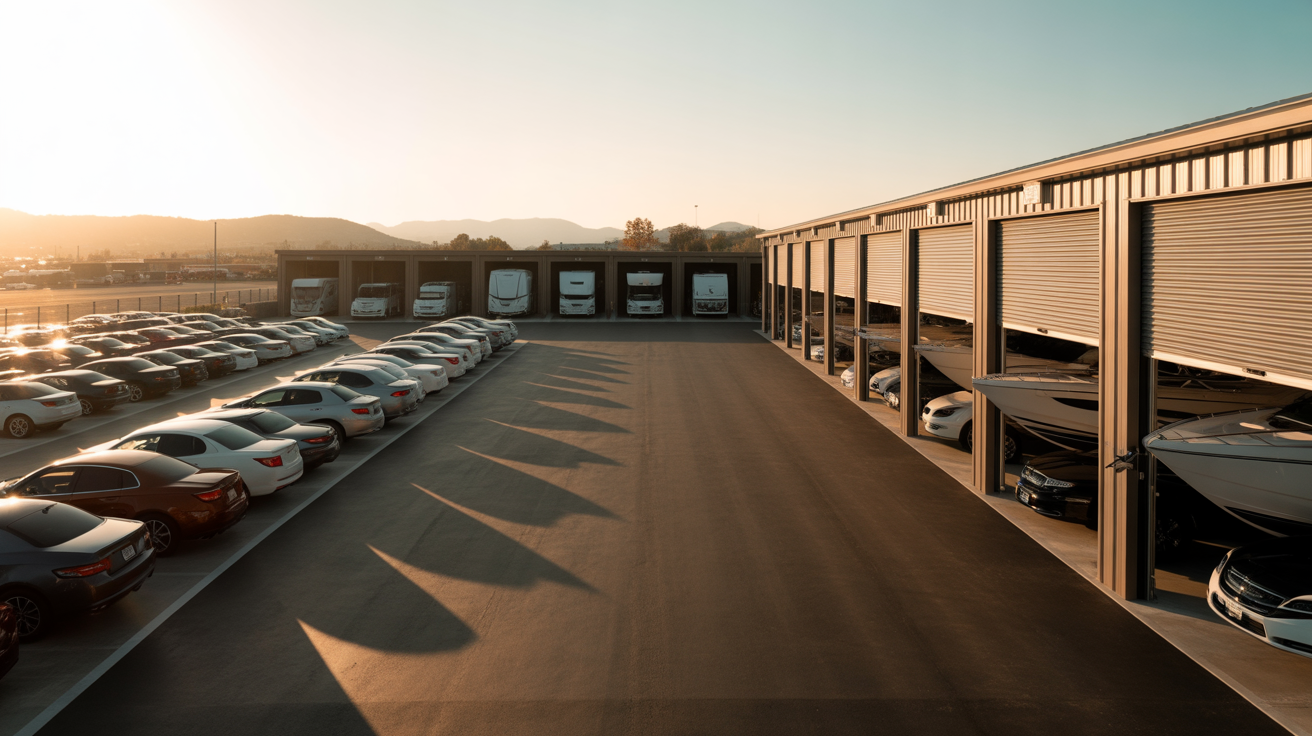
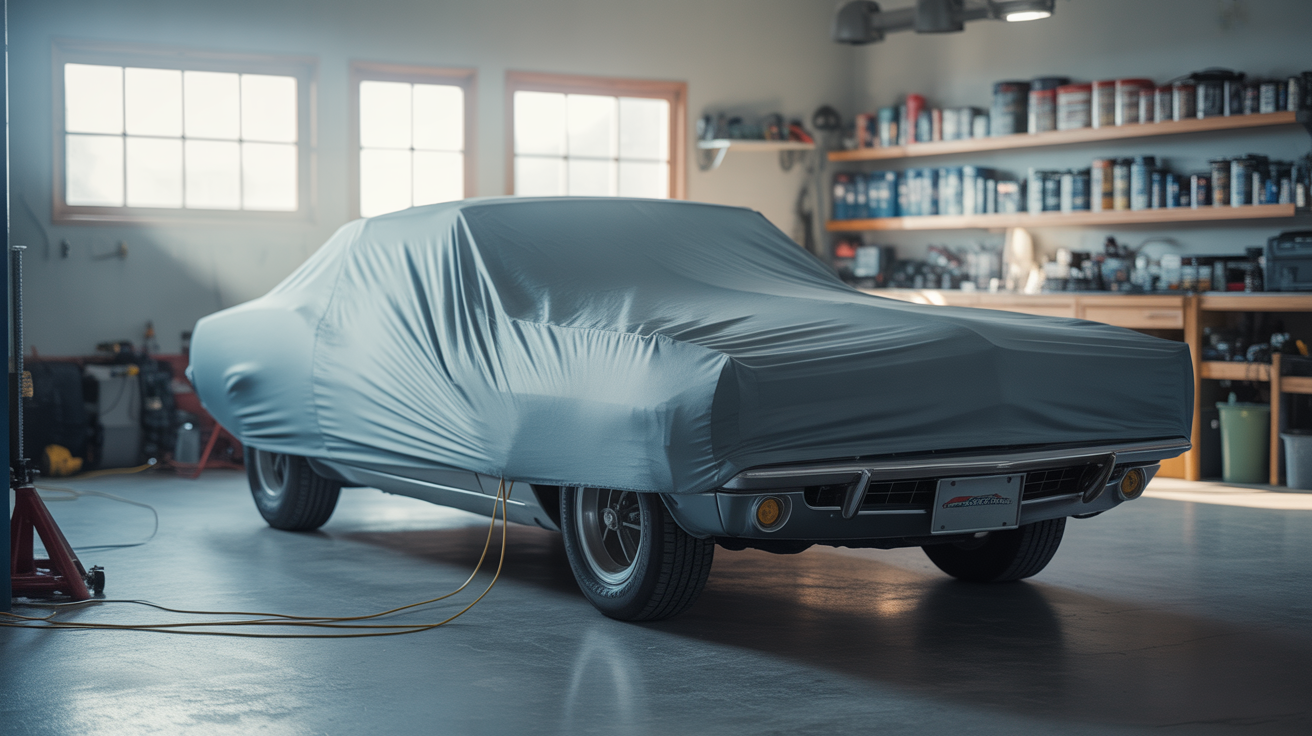
Three types of vehicle storage exist with different price points and protection levels. Open parking spaces cost $50-150 monthly and provide basic security with no weather protection. Covered parking adds roof coverage for $100-200 monthly. Enclosed units offer full protection for $150-400 monthly.
For vehicle storage, verify these specifics: space dimensions accommodate your vehicle with door-opening clearance, surface material handles vehicle weight, access hours allow convenient pickup, and facility permits vehicle maintenance activities if needed.
Specialty Item Requirements
Certain items demand specific storage conditions:
- Wine: Temperature 55-58 degrees Fahrenheit, humidity 60-70%, no vibration
- Artwork: Climate control, vertical storage racks, no direct light exposure
- Documents: Climate control, waterproof containers, fire-rated units if available
- Motorcycles: Ground-level access, fuel drainage requirements, battery maintenance access
Insurance and Protection Planning
Storage facility liability typically covers only their negligence, not theft, fire, or natural disasters affecting your belongings. Arrange adequate protection before moving items into storage.
Insurance Options
Existing homeowners or renters insurance often covers stored belongings up to 10% of your policy limit. Contact your insurance provider to verify coverage amounts and any storage-specific exclusions.
Facility-offered insurance typically costs $10-30 monthly for $2,000-5,000 coverage. This option provides convenience but may offer less comprehensive protection than standalone policies.
Standalone storage insurance through specialty providers costs $8-25 monthly and often includes broader coverage terms. Compare deductibles, covered perils, and claim processes before selecting.
Documentation Requirements
Regardless of insurance type, create thorough documentation: photograph all items before storage, maintain receipts or appraisals for valuable items, keep an itemized inventory list with descriptions and estimated values, and store documentation copies outside the storage unit.
Final Decision Framework
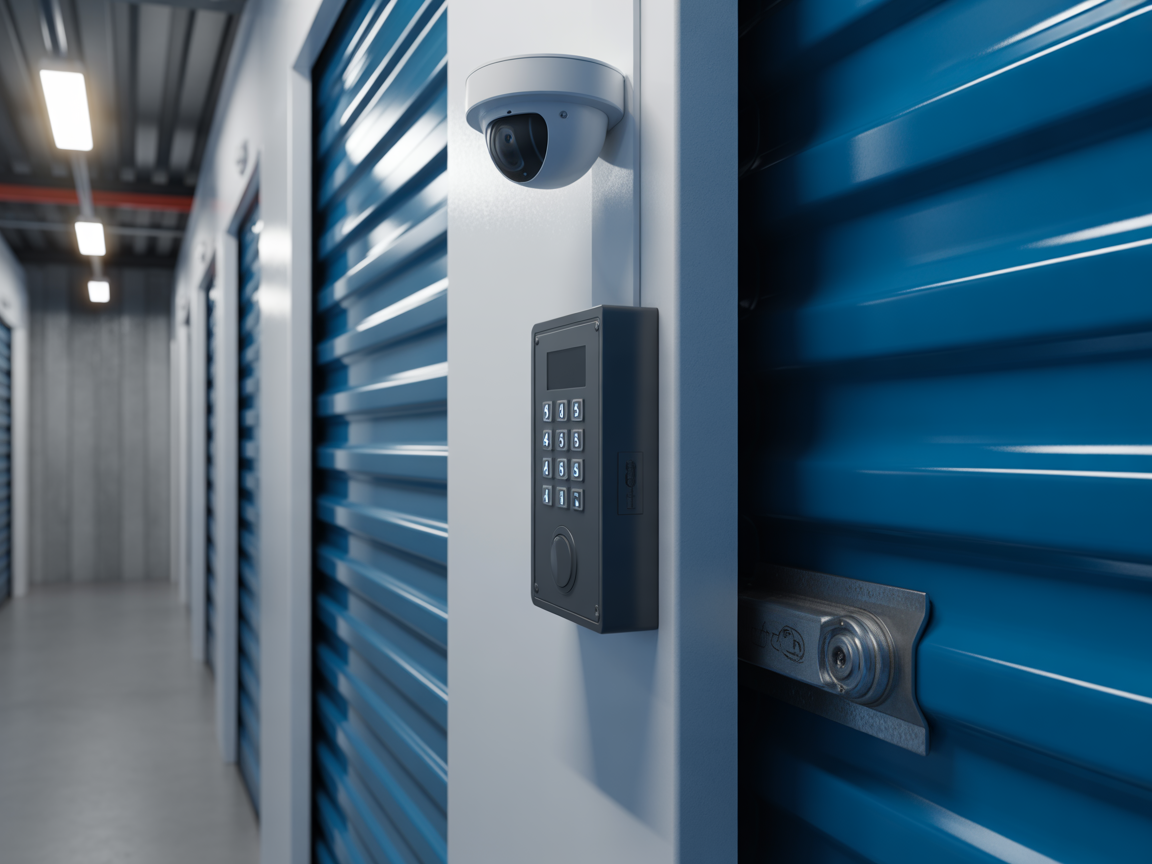
After evaluating multiple facilities, use this weighted scoring system to make your final selection. Rate each facility 1-5 on these criteria, then multiply by the suggested weight.
| Criteria | Weight | Why It Matters |
|---|---|---|
| Security features | 3x | Protects your investment |
| Location convenience | 2x | Determines actual usage |
| Total monthly cost | 2x | Long-term affordability |
| Unit condition | 2x | Item preservation |
| Access hours | 1x | Schedule compatibility |
| Staff professionalism | 1x | Problem resolution |
| Contract flexibility | 1x | Changing needs |
The facility with the highest weighted score typically represents your best option. However, any facility scoring below 3 on security should be eliminated regardless of other factors.
Move-In Day Preparation
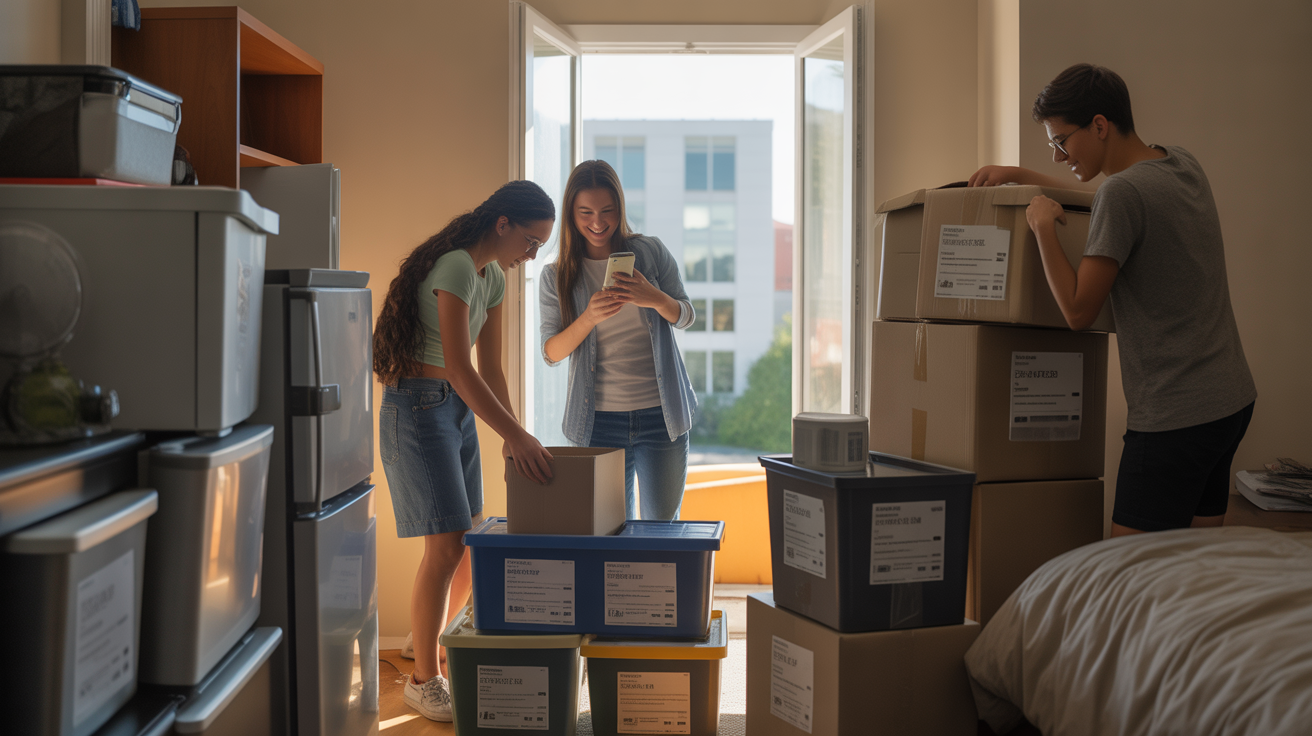
Once you select a facility, prepare for a smooth move-in experience with these steps:
- Complete rental paperwork and verify all terms match your quoted price
- Arrange insurance coverage before moving any items into the unit
- Purchase an appropriate lock meeting facility requirements
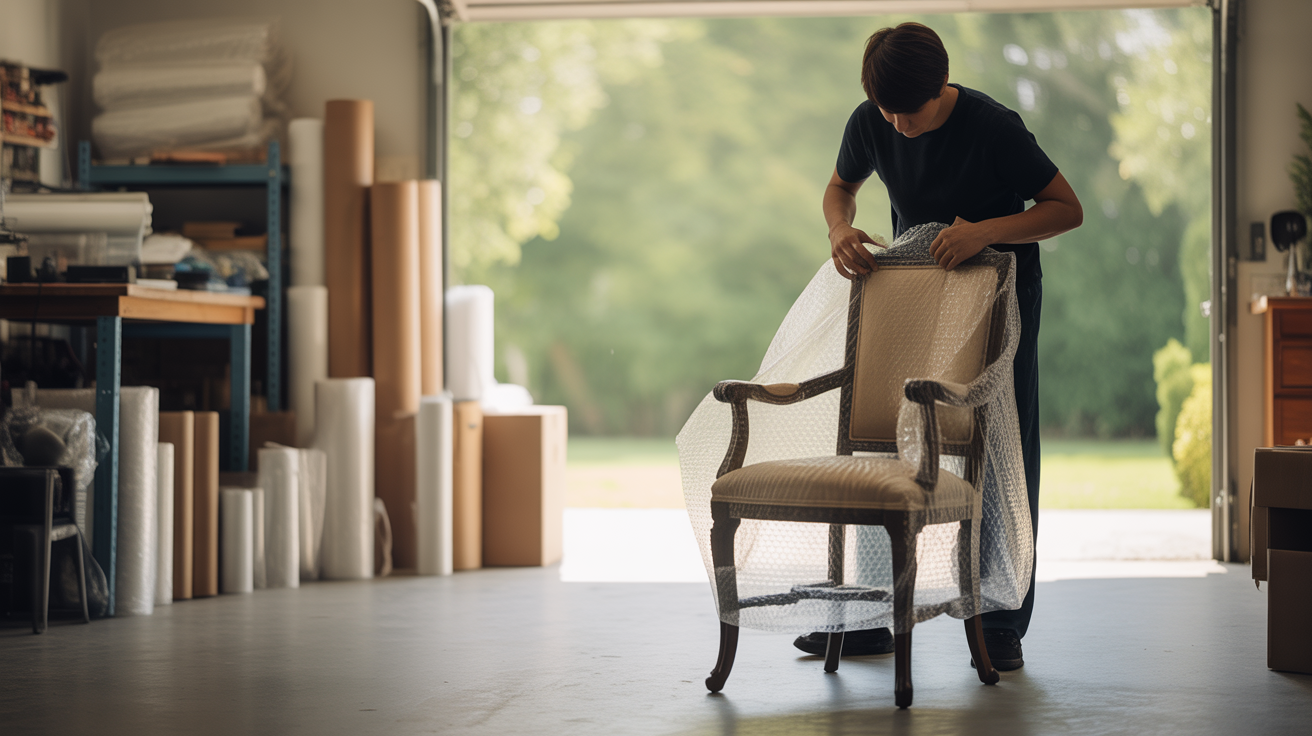
- Gather packing supplies including boxes, tape, furniture covers, and labels
- Create your inventory list with photographs of all items
- Plan your loading strategy placing frequently needed items near the front
Arriving prepared saves time and ensures proper protection for your belongings from day one. Explore available storage options to find units matching your specific requirements.
|