Drive-Up Storage Benefits: Save Time and Money with Direct Access |
| DRIVE-UP STORAGE BENEFITS: WHY DIRECT VEHICLE ACCESS SAVES TIME AND MONEY
⏱ 9 min read ·
📄 #1,711 words
Drive-up storage cuts loading time by 30-50% and eliminates labor costs. Learn how direct vehicle access saves money on every trip to your storage unit.
|
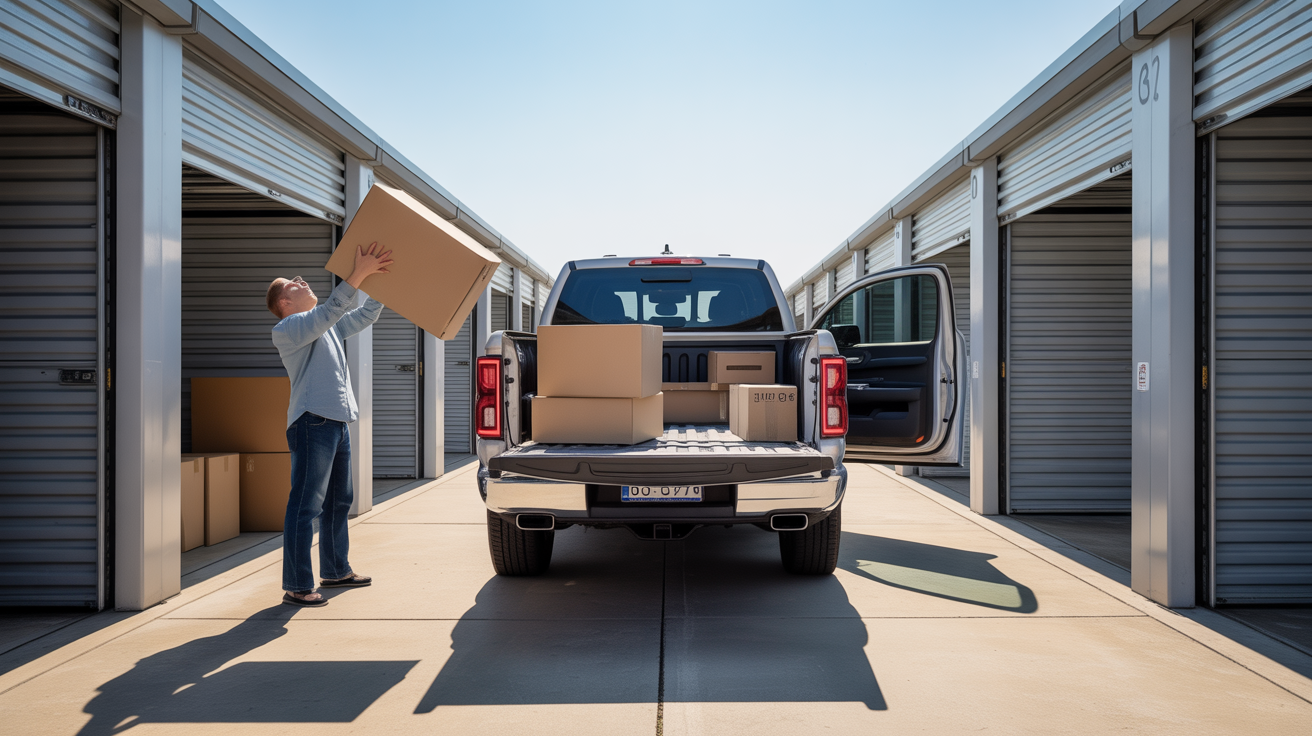
D rive-up storage units reduce loading and unloading time by 30 to 50 percent compared to indoor facilities, while eliminating the need for dollies, hand trucks, or hired help. By parking your vehicle directly at your unit door, you avoid navigating hallways, waiting for elevators, and making multiple trips across parking lots. For a typical move-in, this translates to completing a full U-Haul unload in under 30 minutes versus 60 minutes or more at standard indoor units.
| Key Points: | |
|---|---|
| • | Loading time reduced by 30 to 50 percent with direct vehicle access |
| • | Save $50 to $100 per move by eliminating porter or helper costs |
| • | Drive-up units rent 10 to 15 percent faster than climate-controlled alternatives |
| • | Direct handling reduces damage risk, avoiding $200 or more in furniture repair costs |
| • | No premium pricing for climate control saves $0.50 to $1 per square foot monthly |
How Drive-Up Storage Cuts Your Loading Time in Half
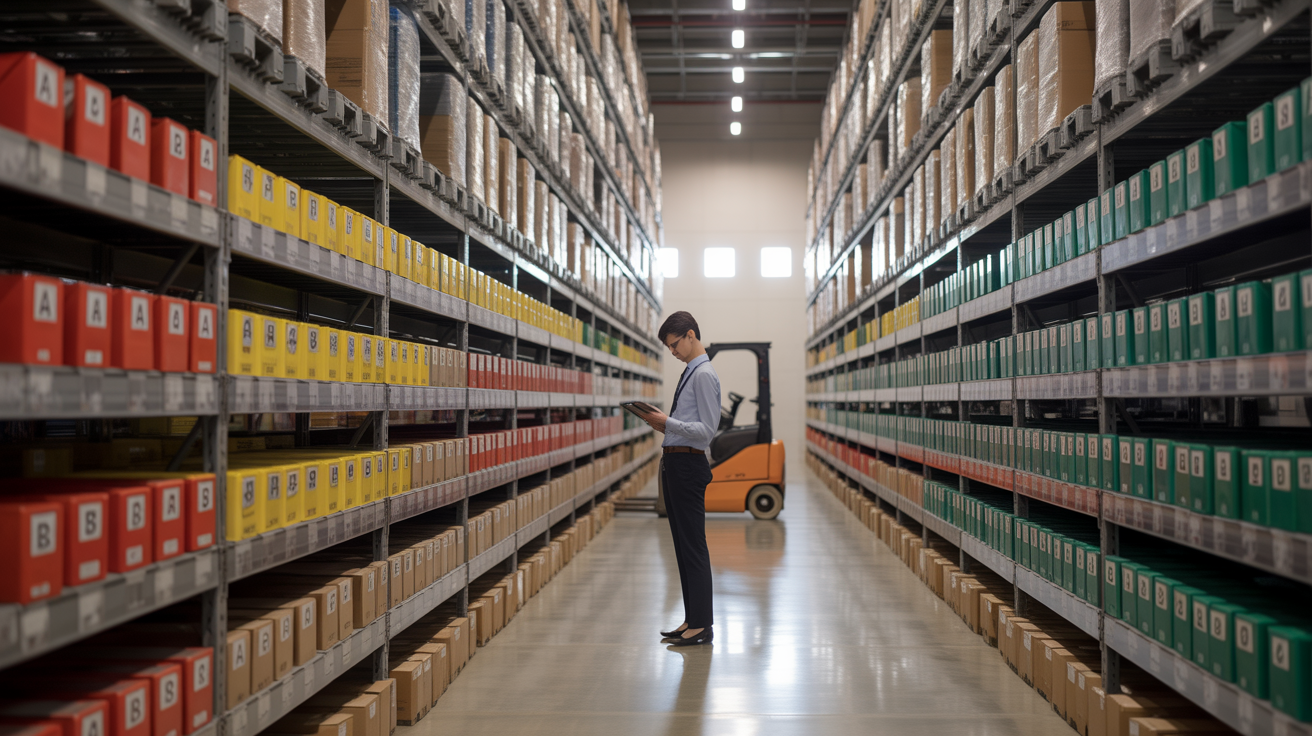
The single biggest time drain at traditional storage facilities is the distance between your vehicle and your unit. Indoor facilities require you to park in a designated area, load items onto a cart, navigate through corridors, wait for elevators during peak hours, and then repeat the process for every load. A 10x10 unit worth of furniture and boxes typically requires 8 to 12 trips.
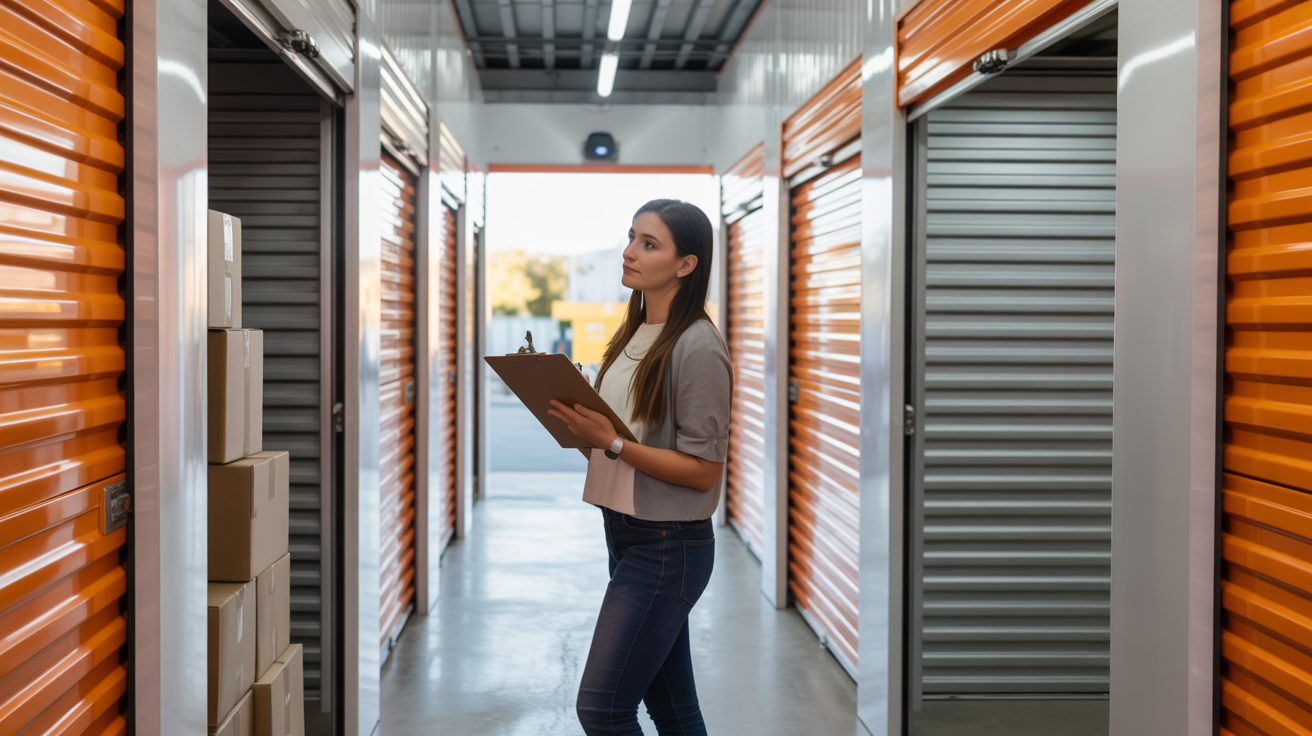
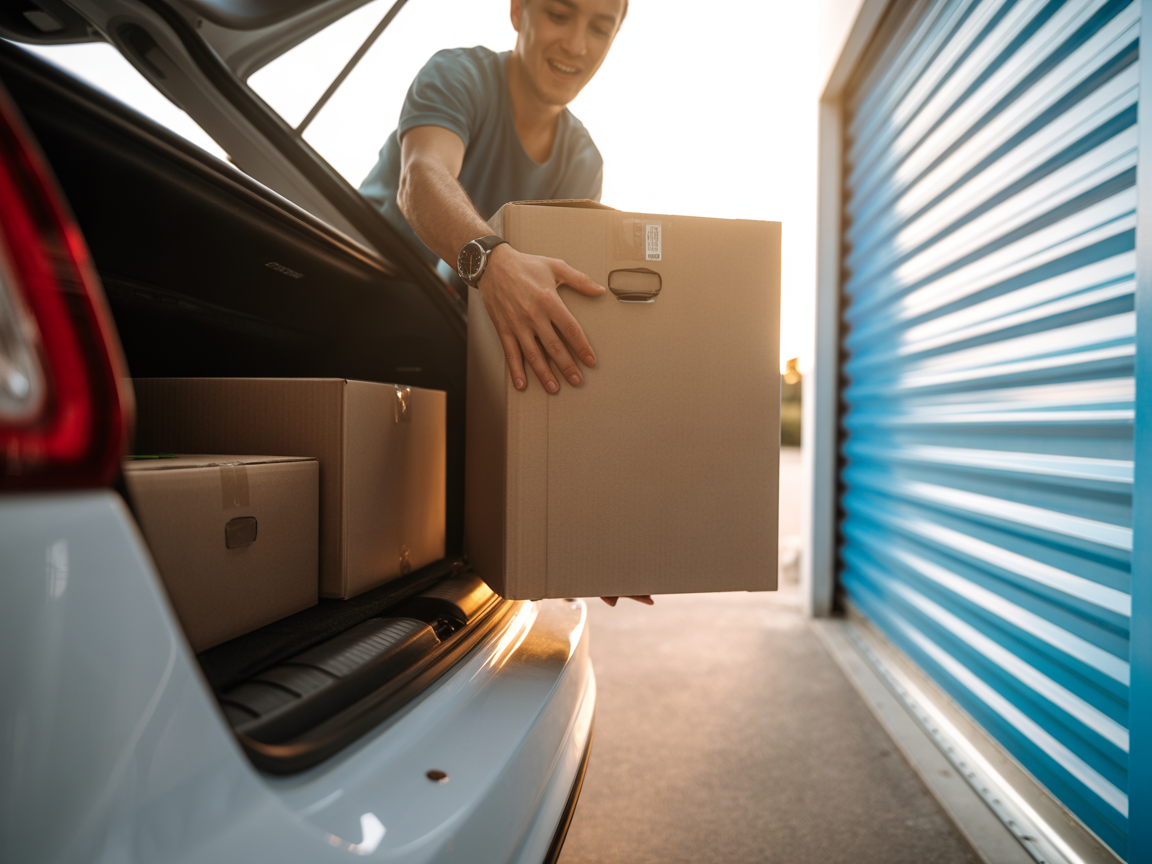
With drive-up storage, you eliminate every step except the actual loading. Pull your truck or trailer directly to your unit door, open the rollup door, and transfer items in a single continuous motion. Professional movers report completing jobs at drive-up facilities in half the billable hours compared to multi-story buildings.
This efficiency matters most during peak moving times. At indoor facilities, elevator waits can add 5 to 10 minutes per trip during weekends and month-end periods. Drive-up units have no shared infrastructure bottlenecks, meaning your access time stays consistent regardless of how busy the facility becomes.
Real Dollar Savings: Breaking Down the Cost Benefits
The financial advantages of drive-up storage extend beyond the obvious convenience factor. Understanding where you save money helps you calculate the true value of direct vehicle access.
Labor Cost Elimination
Indoor storage often requires hiring help for heavy items. Moving a couch, mattress, or appliance through narrow hallways and into elevators typically needs two people minimum. At $25 to $50 per hour for moving labor, a 4-hour move-in costs $100 to $200 in helper fees alone.
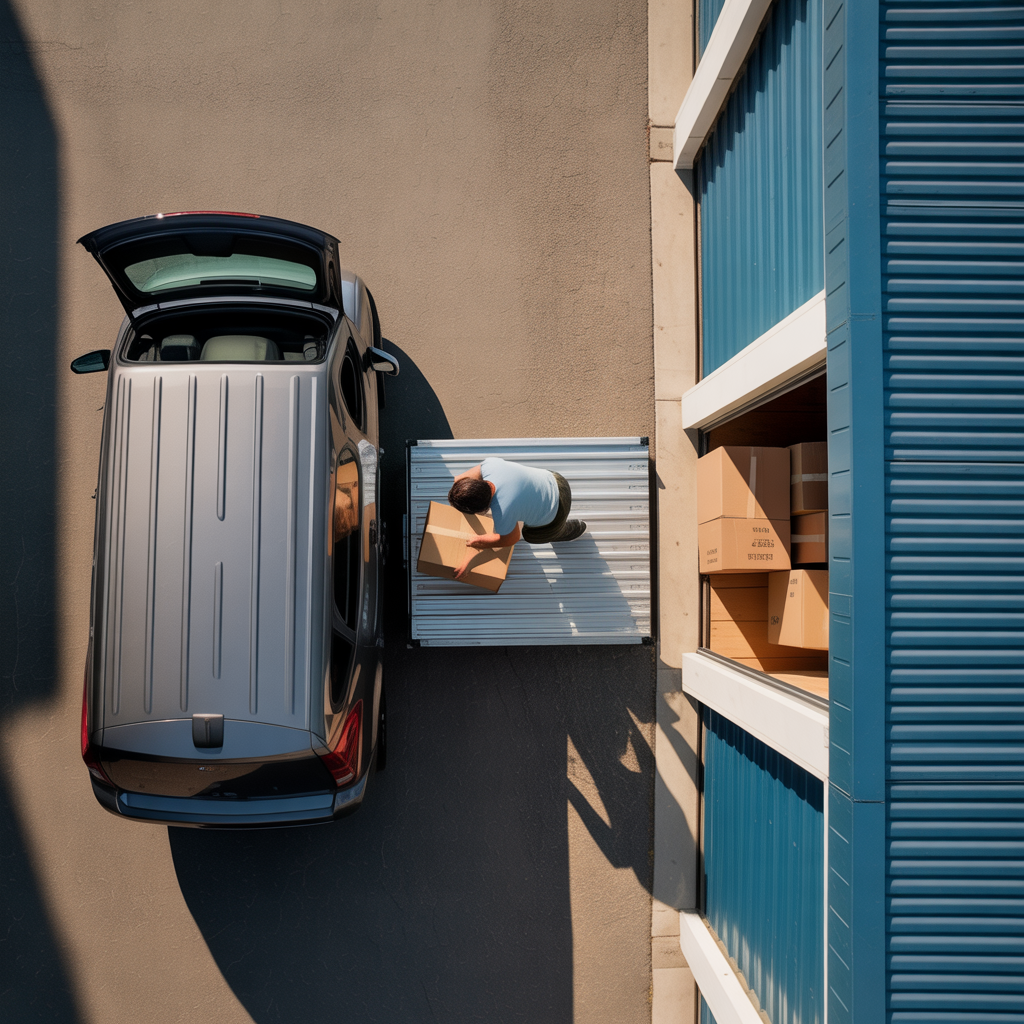
Drive-up access allows most adults to handle heavy items solo using proper lifting techniques. The short distance from vehicle to unit, typically 3 to 6 feet, means you can slide furniture directly from truck bed to storage floor without carrying weight across long distances.
Equipment Rental Savings
Indoor facilities often require or strongly recommend renting dollies, hand trucks, or furniture pads. These rentals add $10 to $30 per move. Drive-up storage eliminates this need entirely since items travel directly from vehicle to unit without intermediate transport.
Fuel and Vehicle Efficiency
Shorter on-site time means less idling, fewer trips, and reduced fuel consumption. Customers using drive-up storage complete their access in a single pass rather than circling for parking or making multiple vehicle repositions. For frequent access users visiting weekly or monthly, these small savings compound significantly over a year.
Time Savings for Different User Types
The value of drive-up storage varies based on how you use your unit. Here is how different customer types benefit from direct vehicle access.
Business Owners and Contractors
Contractors storing tools, equipment, and materials need fast access multiple times per week. A plumber grabbing a water heater or an electrician loading conduit cannot afford 30-minute facility navigation delays. Drive-up storage lets business users complete pickups in under 10 minutes, keeping job sites on schedule.
Inventory-based businesses benefit similarly. Seasonal retailers, event planners, and e-commerce sellers accessing stock regularly save 2 to 4 hours weekly compared to indoor storage, translating to $100 to $200 in productivity value at typical billing rates.
Frequent Access Residential Users
Homeowners using storage for seasonal items, sports equipment, or rotating household goods visit their units 2 to 4 times monthly. Each visit to an indoor facility takes 45 to 60 minutes including parking, navigation, and loading. Drive-up access cuts this to 15 to 20 minutes per visit.
Over a year, frequent access users save 12 to 24 hours of personal time by choosing drive-up storage. For families managing kids, work schedules, and household responsibilities, this time recovery has real value.
One-Time Movers and Seasonal Storage
Even customers using storage for a single move or seasonal period benefit substantially. Moving day stress multiplies when dealing with facility logistics. Drive-up storage simplifies the process to a single straightforward task: back up, unload, close the door.
Comparing Drive-Up vs. Indoor Storage Costs
Understanding the full cost picture helps you make an informed decision. While indoor climate-controlled units serve specific needs, drive-up storage offers compelling economics for most storage requirements.
| Factor | Drive-Up Storage | Indoor Storage |
|---|---|---|
| Monthly Rate (10x10) | $100 to $175 | $150 to $250 |
| Loading Time | 15 to 30 minutes | 45 to 90 minutes |
| Helper Costs | Usually none | $50 to $100 |
| Equipment Needed | None | Dolly, hand truck |
| Climate Control | Not included | Often included |
The cost difference becomes substantial over time. A 12-month rental in a drive-up unit saves $600 to $900 in base rent compared to climate-controlled indoor options, plus an additional $100 to $200 in avoided labor and equipment costs.
What Items Work Best in Drive-Up Storage
Drive-up storage excels for specific item categories. Understanding what stores well in these units helps you maximize value while protecting your belongings.
Ideal for Drive-Up Storage
- Furniture: Couches, tables, bed frames, and dressers load easily through wide rollup doors
- Appliances: Refrigerators, washers, dryers, and freezers benefit from direct loading
- Sports equipment: Bikes, kayaks, skis, and camping gear access quickly for weekend use
- Tools and equipment: Power tools, lawn equipment, and construction materials
- Seasonal items: Holiday decorations, patio furniture, and winter gear
- Boxes and household goods: General storage items without temperature sensitivity
Consider Climate Control Instead
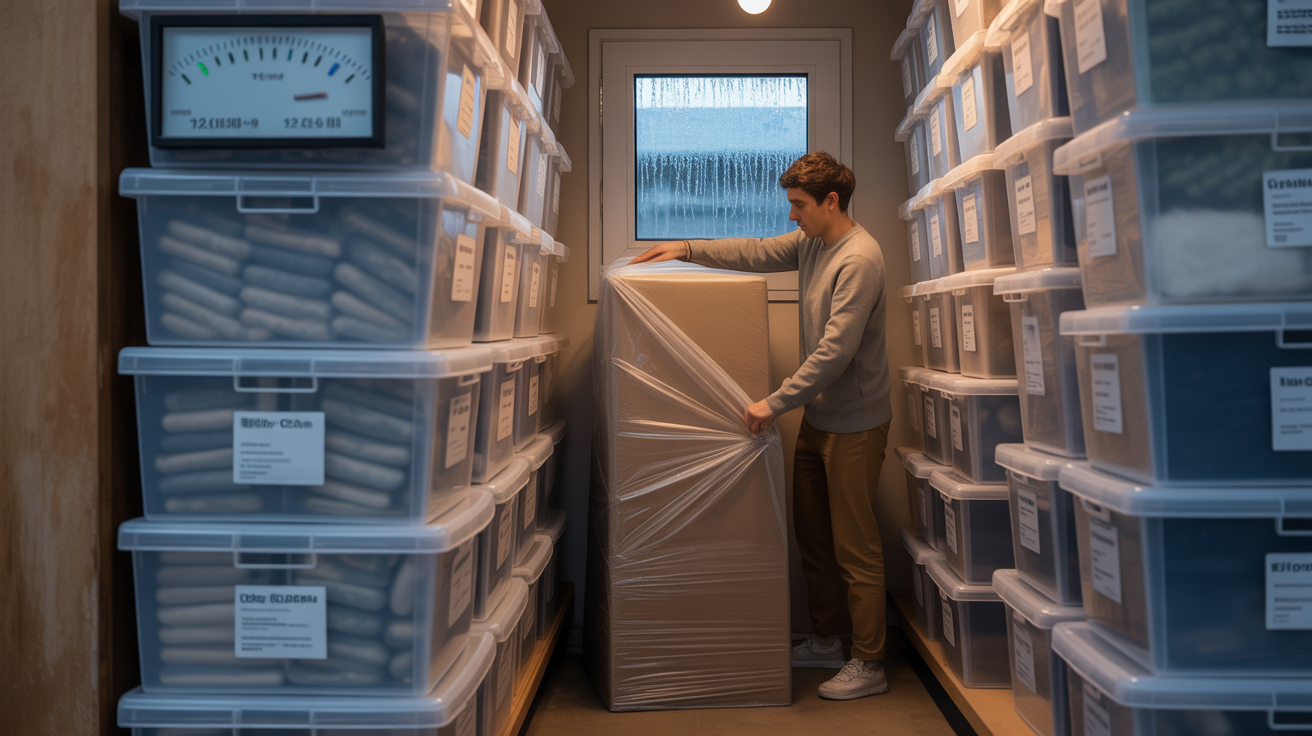
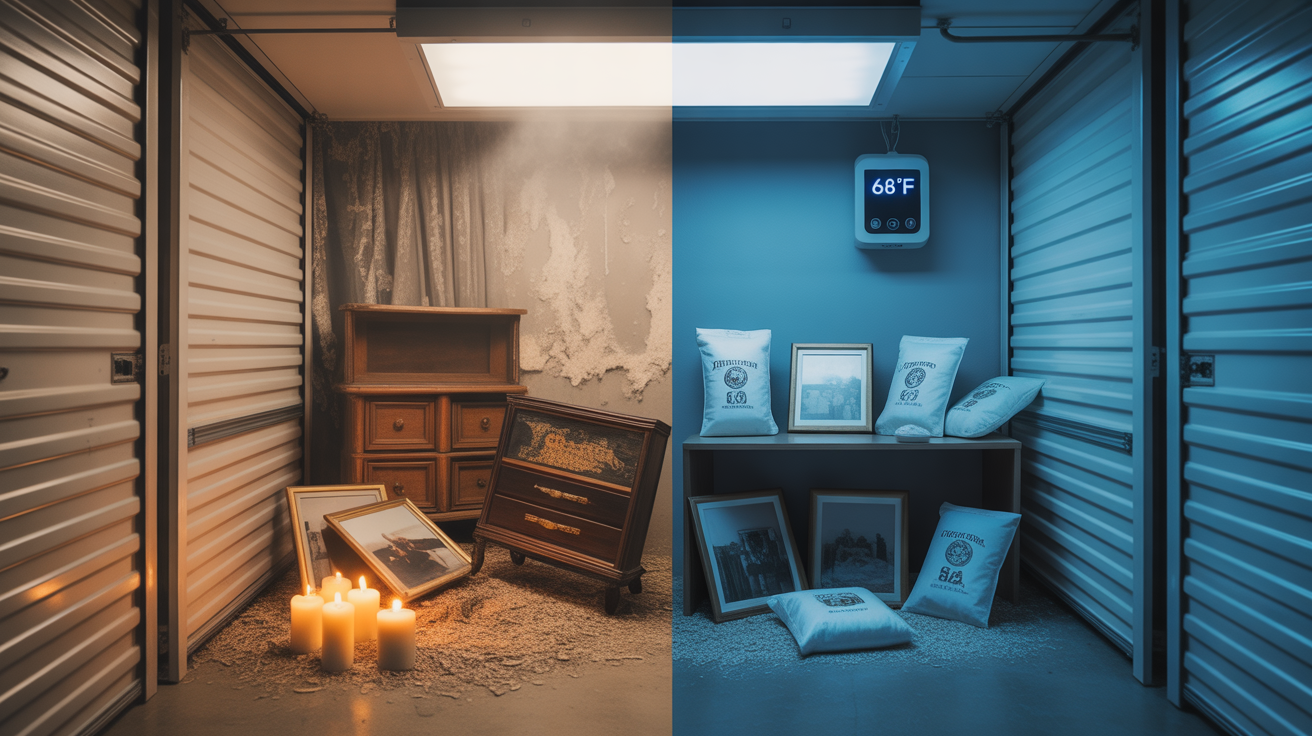
Some items require temperature and humidity regulation that drive-up units do not provide. Electronics, wooden antiques, leather furniture, photographs, vinyl records, and important documents store better in climate-controlled environments if your area experiences temperature extremes above 90 degrees or below 32 degrees Fahrenheit.
For help determining what size unit fits your needs, check our comprehensive storage unit size guide to calculate the right space for your items.
Security Features at Drive-Up Facilities
A common concern about drive-up storage involves security. Modern drive-up facilities address this through multiple protective measures that match or exceed indoor storage security.
Standard Security Measures
Quality drive-up facilities include gated access with individual entry codes, LED lighting throughout the property, surveillance cameras monitoring all unit rows, and perimeter fencing. These features create multiple security layers that deter theft and provide evidence if incidents occur.
At Estes Park Storage, our facility features gated access, LED lighting throughout the property, and surveillance cameras monitoring unit access points. Learn more about our facility security features and how we protect your belongings.
Individual Unit Security
Each drive-up unit uses a personal lock that only you control. Unlike some indoor facilities with master key systems, your lock means only you can access your belongings. High-security disc locks or cylinder locks provide the best protection, costing $15 to $30 at hardware stores.
Frequently Asked Questions About Drive-Up Storage
What is the difference between drive-up and climate-controlled storage?
Drive-up storage provides ground-level units with direct vehicle access through rollup doors, allowing you to park and load without navigating hallways or elevators. Climate-controlled storage maintains consistent temperature (typically 55 to 80 degrees Fahrenheit) and humidity levels, usually located inside buildings without direct vehicle access. Drive-up units cost $50 to $100 less monthly but do not regulate temperature or humidity.
Are drive-up storage units more expensive than indoor ones?
Drive-up units typically cost less than climate-controlled indoor options. A 10x10 drive-up unit averages $100 to $175 monthly, while comparable climate-controlled indoor units run $150 to $250. The savings come from simpler construction and lower operating costs, which facilities pass to customers.
How secure are drive-up self-storage facilities?
Modern drive-up facilities use multiple security layers including gated access with personal codes, surveillance cameras, LED lighting, and perimeter fencing. Security levels match indoor facilities when proper measures are implemented. Your personal lock on the unit adds another protection layer that only you control.
Can I store vehicles or boats in drive-up units?
Standard drive-up units accommodate motorcycles, ATVs, and small watercraft if they fit through the door opening (typically 8 to 10 feet wide) and within the unit dimensions. Larger vehicles like cars, trucks, boats, and RVs require dedicated vehicle storage options such as open parking spaces or covered parking areas designed for vehicle dimensions.
What sizes are available for drive-up storage units?
Drive-up units range from 5x5 (25 square feet) to 10x30 (300 square feet) at most facilities. Common sizes include 5x10 for small furniture and boxes, 10x10 for a one-bedroom apartment worth of items, and 10x20 for larger households or vehicle storage. Our storage space calculator helps determine the right size for your specific needs.
Making the Right Storage Choice in Estes Park
For most storage needs in the Estes Park area, drive-up storage delivers the best combination of convenience, cost savings, and accessibility. The time savings alone justify the choice for anyone who values their schedule, while the cost advantages make it the economical option for budget-conscious renters.
Estes Park Storage offers drive-up units in multiple sizes with 24/7 access, allowing you to reach your belongings whenever your schedule demands. Because availability and rates change by unit size, check the live unit list before reserving, especially if you need a larger 10x20 or 10x25 drive-up space.
Whether you need short-term storage during a move, long-term space for seasonal items, or convenient access for business inventory, drive-up storage provides the practical solution that saves both time and money with every visit.
|