Drive-Up Storage vs Indoor Storage: Which Is Better? |
| DRIVE-UP STORAGE VS INDOOR STORAGE: WHICH IS BETTER FOR YOUR NEEDS
⏱ 11 min read ·
📄 #2,027 words
Compare drive-up storage vs indoor storage units. Current Estes Park Storage drive-up rates verified, with guidance on access, cost, climate control, and item protection.
|
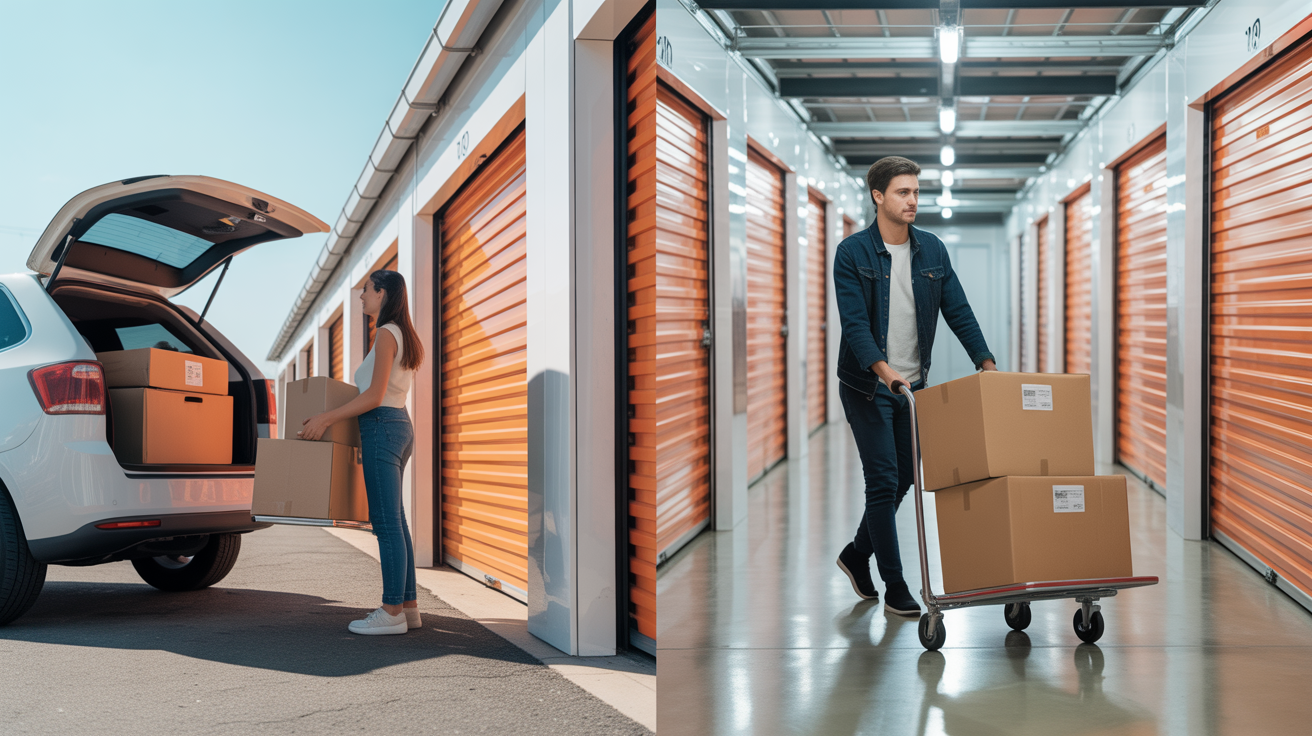
D rive-up storage is better when you need convenient vehicle access, store frequently, or keep bulky items like furniture and vehicles. Indoor storage is better when you need climate control for temperature-sensitive items like electronics, documents, antiques, or wooden furniture that can warp in fluctuating conditions.
| Key Points: | |
|---|---|
| • | Current Estes Park Storage drive-up rates verified August 2026: 5x10 at $95 per month, 10x10 at $275 per month, and 10x20 at $315 per month |
| • | Choose drive-up for vehicles, heavy equipment, and frequent loading; choose indoor for electronics, documents, and long-term storage exceeding 6 months |
| • | Security depends on facility features, not access type; look for gated entry, cameras, and LED lighting regardless of unit style |
| • | Temperature-sensitive items require climate control maintaining 55 to 80 degrees Fahrenheit year-round |
Understanding the Core Differences
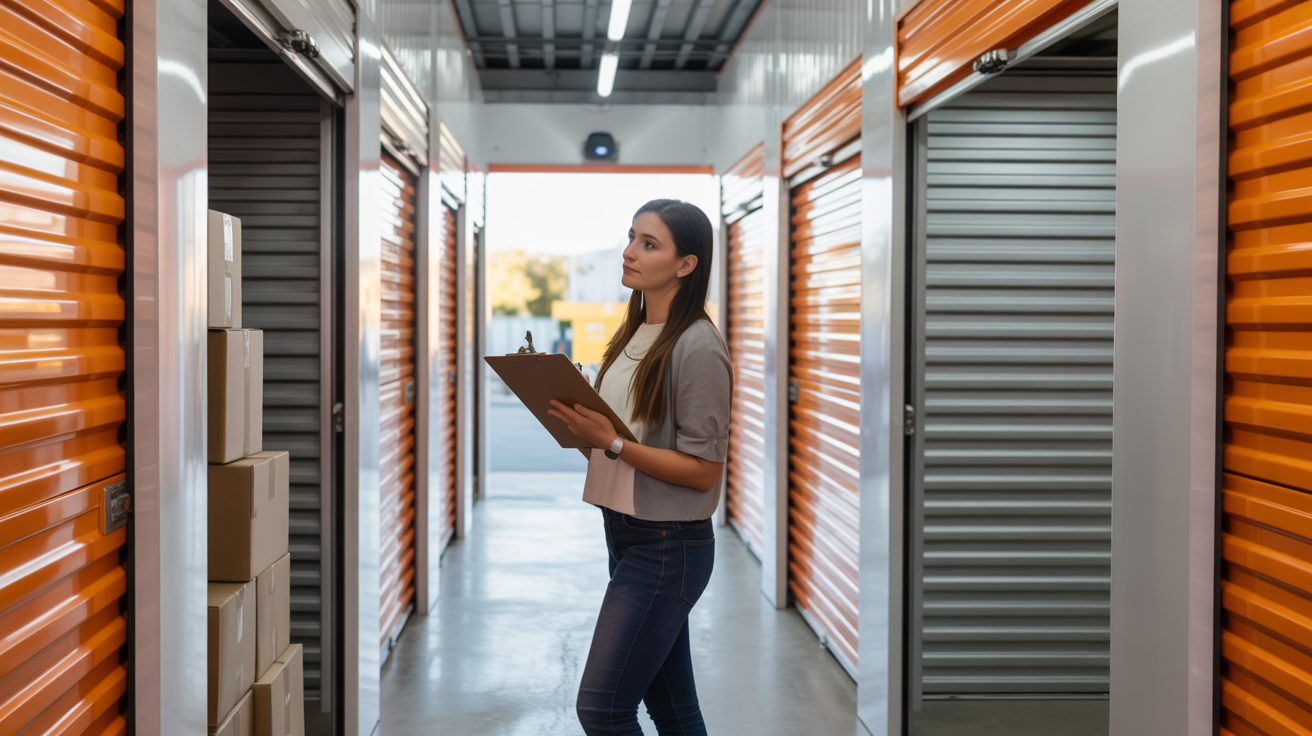
Drive-up storage units feature ground-level exterior doors that allow you to pull your vehicle directly to the unit entrance. You load and unload without navigating hallways, elevators, or stairs. This design suits your needs when moving large furniture, appliances, or storing vehicles like motorcycles and boats.
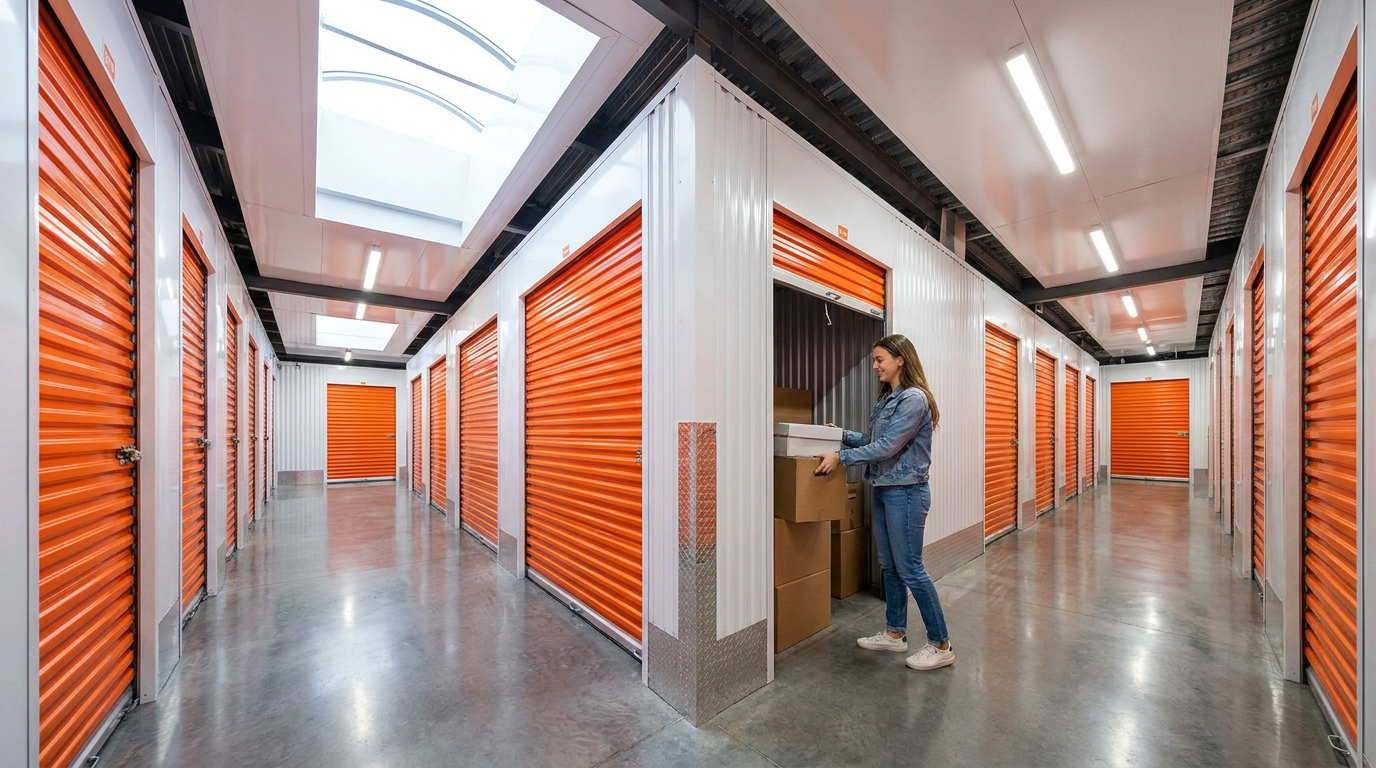
Indoor storage units sit inside climate-controlled buildings with access through interior corridors. You typically enter through a main entrance, then walk or use elevators to reach your unit. The building envelope provides protection from outdoor temperature swings and humidity fluctuations.
Access and Convenience Comparison
Drive-up units reduce loading time by 40 to 60 percent compared to indoor units. You back your truck or trailer directly to the door, eliminating trips through hallways. For businesses moving inventory regularly or homeowners accessing seasonal items monthly, this convenience translates to real time savings.
Indoor units require more effort per visit but offer protection during the loading process. Rain, snow, and extreme temperatures do not affect you while moving items through climate-controlled corridors. This matters in locations like Estes Park where winter conditions can make outdoor loading challenging.
When Drive-Up Storage Fits Your Needs
Drive-up storage caters to your needs when convenience and accessibility rank as top priorities. The format works exceptionally well for specific use cases that benefit from direct vehicle access.
Ideal Items for Drive-Up Units
Store these items in drive-up units without climate control concerns:
- Metal tools and equipment: Power tools, lawn equipment, and hand tools tolerate temperature changes
- Outdoor furniture: Patio sets, grills, and garden equipment designed for weather exposure
- Vehicles: Motorcycles, ATVs, boats, and seasonal vehicles benefit from easy access
- Sports equipment: Skis, bikes, kayaks, and camping gear that handle temperature variation
- Durable household items: Holiday decorations in plastic bins, seasonal clothing in sealed containers
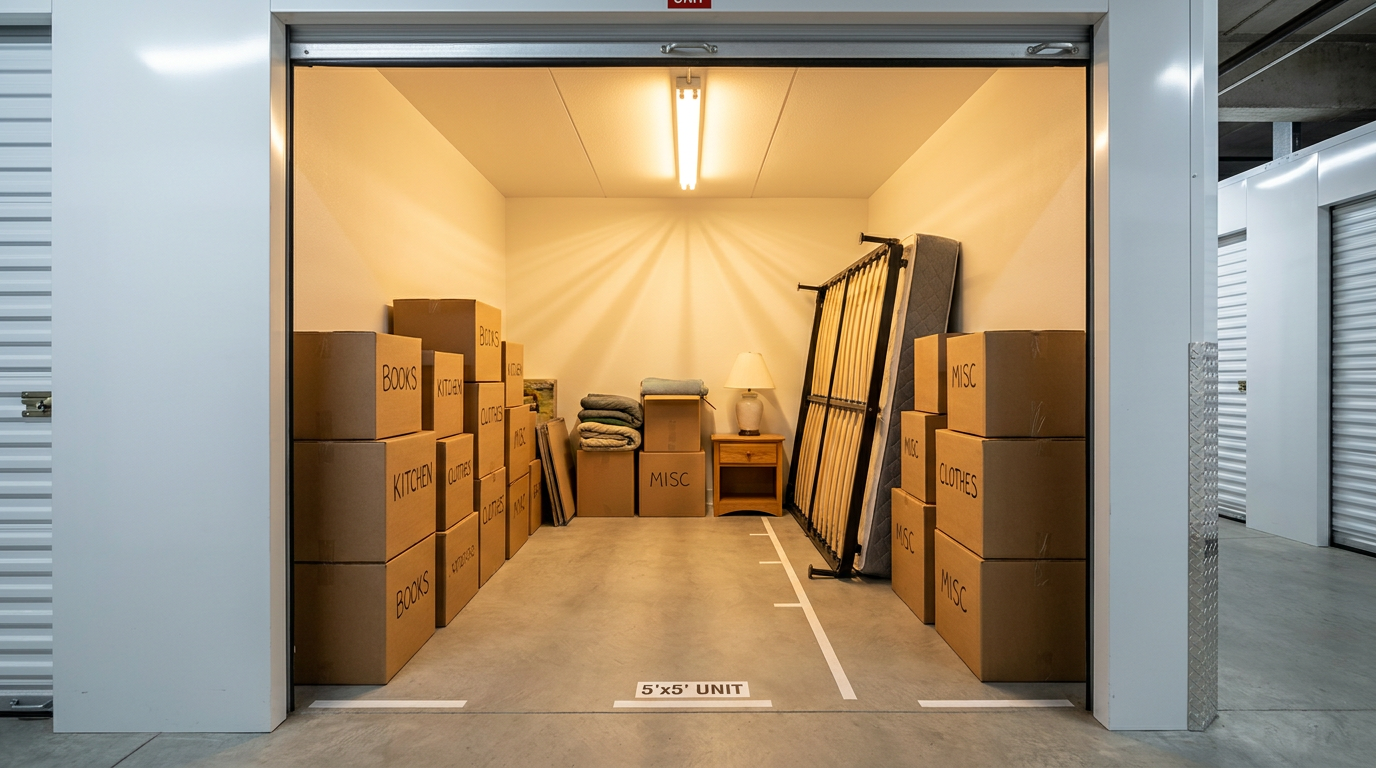
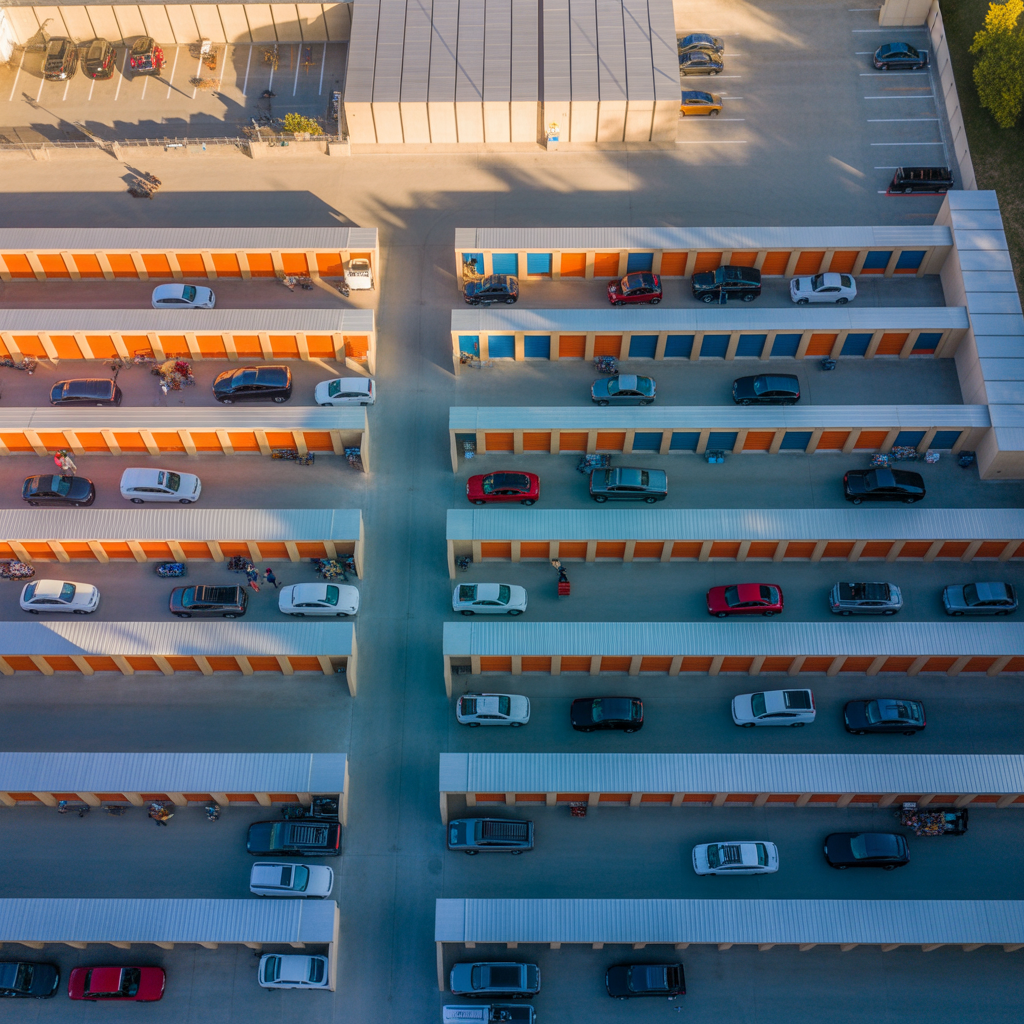
At Estes Park Storage, our drive-up storage units range from 5x10 to 10x25 sizes, providing 50 to 250 square feet of accessible space. The 24/7 access means you can retrieve camping gear at 5 AM before a weekend trip or store equipment after late evening use.
Best Scenarios for Choosing Drive-Up
Frequent access needs: If you visit your unit more than twice monthly, drive-up eliminates the hassle of navigating building interiors. Business owners storing inventory they rotate regularly save hours over a year.
Heavy or bulky items: Furniture, appliances, and equipment weighing over 50 pounds become manageable when you can use dollies and hand trucks directly from your vehicle. No elevator weight limits or narrow doorways restrict what you can store.
Vehicle and recreational equipment: Storing a motorcycle, ATV, or boat requires drive-up access. You need the ability to drive or tow items directly into the unit. Our 10x20 parking spaces accommodate cars, trucks, boats, and trailers for $115 monthly.
When Indoor Storage Suits Your Needs
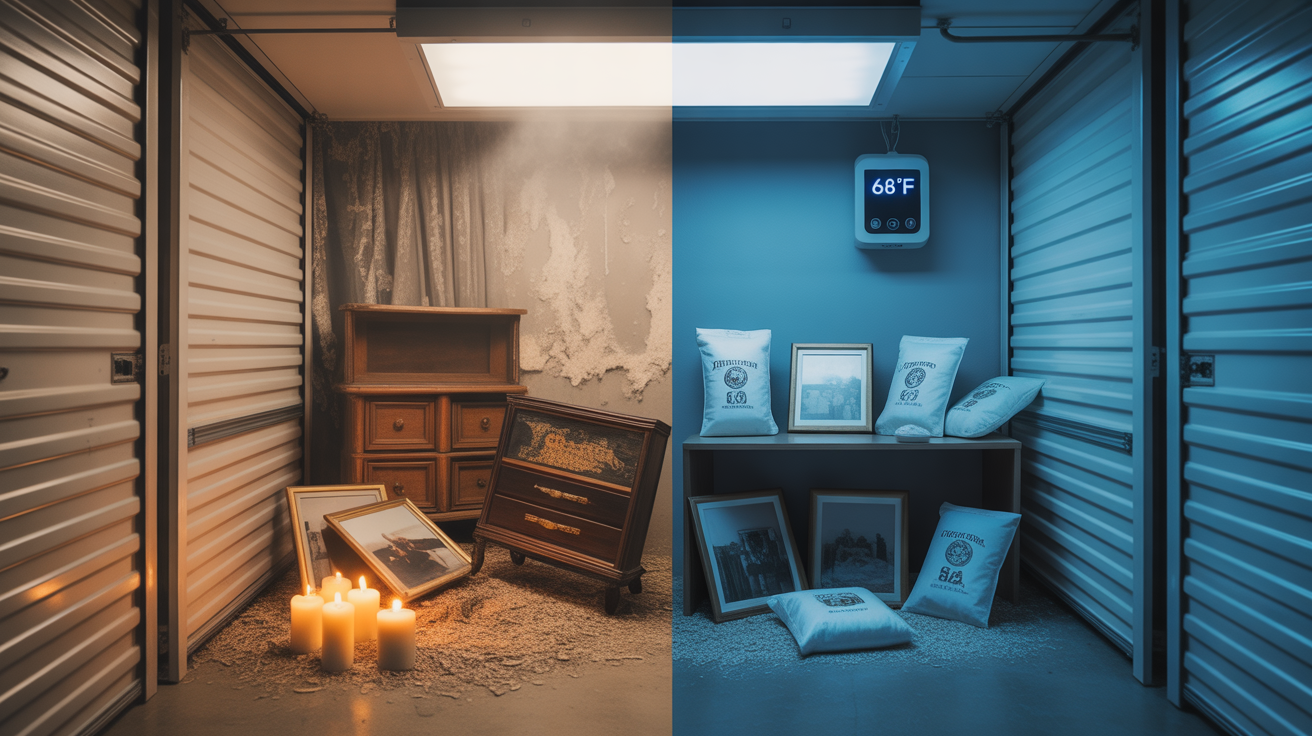
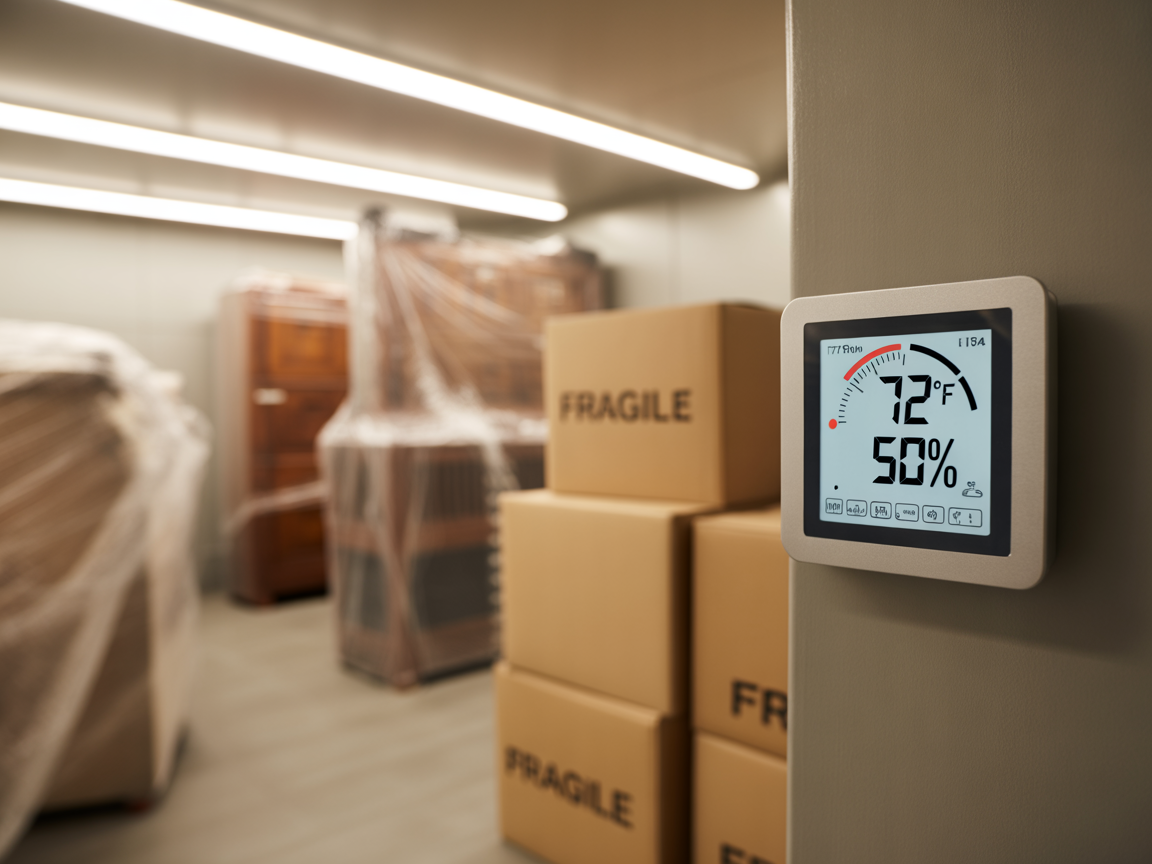
Indoor climate-controlled storage protects items that deteriorate in temperature extremes or humidity fluctuations. The controlled environment maintains 55 to 80 degrees Fahrenheit with humidity levels between 30 and 50 percent year-round.
Items Requiring Climate Control
These items need indoor climate-controlled storage to prevent damage:
- Electronics: Computers, televisions, and audio equipment contain components that crack or corrode in temperature swings
- Wooden furniture: Antiques, pianos, and fine wood pieces warp, crack, or develop mold without stable humidity
- Documents and photographs: Paper deteriorates, yellows, and becomes brittle when exposed to humidity and heat
- Artwork and collectibles: Paintings, vinyl records, and collectibles require stable conditions to maintain value
- Wine and specialty foods: Temperature fluctuations ruin wine and degrade preserved foods
- Leather and textiles: Clothing, upholstery, and leather goods develop mold or dry rot in uncontrolled environments
Long-Term Storage Considerations
Storage duration significantly impacts your choice. Items stored less than 3 months in moderate climates often survive in standard drive-up units. Storage exceeding 6 months exposes items to multiple seasonal temperature cycles, increasing damage risk.
In Estes Park, temperatures range from below zero in winter to over 90 degrees in summer. This 100-plus degree annual swing stresses materials. Electronics experience condensation as temperatures fluctuate. Wood expands and contracts, loosening joints. Leather dries and cracks.
Cost Comparison: Drive-Up vs Indoor Storage
Understanding the true cost difference helps you make an informed decision that fits your budget while meeting your storage requirements.
Current Estes Park Storage Rates
We re-checked Estes Park Storage live rates in August 2026. Current monthly web rates are listed below, and availability can change as units rent.
| Unit Type | Current Monthly Web Rate | Availability at Review | Best For |
|---|---|---|---|
| 5x10 Drive-Up | $95 | 10 available | Boxes, seasonal items, small furniture |
| 10x10 Drive-Up | $275 | 1 available | One-bedroom apartment contents |
| 10x20 Drive-Up | $315 | 10 available | Vehicles, larger household moves, bulky equipment |
| 10x20 Open Parking | $115 | 2 available | Cars, trucks, boats, and trailers |
These figures are current Estes Park Storage web rates at the time of review. For climate-controlled indoor storage comparisons, check live local pricing because rates vary by provider, features, and availability.
Security Considerations for Both Options
Security quality depends on facility features rather than whether you choose drive-up or indoor access. Modern drive-up facilities match or exceed indoor facility security when properly equipped.
Essential Security Features to Evaluate
Gated access with individual codes: Each renter receives a unique access code that logs entry and exit times. This creates an audit trail and prevents unauthorized access.
Surveillance camera coverage: Look for cameras monitoring all access points, aisles, and individual unit areas. Digital recording with 30-plus day retention provides evidence if incidents occur.
Adequate lighting: LED lighting throughout the facility eliminates dark areas where theft or vandalism might occur undetected. Well-lit facilities deter criminal activity.
Perimeter fencing: Secure fencing around the entire property creates a defined boundary and prevents casual trespassing.
Our Estes Park facility includes gated access, comprehensive surveillance cameras, and LED lighting throughout. Learn more about our security measures and facility features on our about page.
Decision Framework: Choosing What Suits Your Situation
Use this structured approach to determine which storage type caters to your specific requirements.
Answer These Five Questions
1. How often will you access the unit?
Weekly or more frequent access strongly favors drive-up. Monthly or less frequent access makes indoor viable.
2. What are you storing?
Temperature-sensitive items require climate control. Durable goods and vehicles work well in drive-up units.
3. How long will you store items?
Under 3 months in moderate weather: drive-up acceptable for most items. Over 6 months: evaluate climate control for anything valuable or sensitive.
4. What is your loading situation?
Heavy items, frequent trips, or vehicle storage require drive-up access. Smaller, lighter items work in either format.
5. What is your budget priority?
Tight budget with durable items: drive-up. Protecting valuable or irreplaceable items: invest in climate control.
Quick Decision Matrix
| Your Situation | Recommended Choice | Reason |
|---|---|---|
| Storing a motorcycle for winter | Drive-up | Easy access, vehicles tolerate temperature |
| Moving with furniture storage for 6 months | Climate-controlled | Wood furniture needs stable humidity |
| Business inventory rotation | Drive-up | Frequent access, loading convenience |
| Estate items including antiques | Climate-controlled | Protects valuable, irreplaceable items |
| Seasonal sports equipment | Drive-up | Designed for outdoor use, easy retrieval |
| Document and photo archives | Climate-controlled | Paper degrades in humidity and heat |
Protecting Items in Non-Climate-Controlled Units
If budget constraints or access needs lead you to drive-up storage, these practices minimize environmental damage risk.
Preparation and Packing Strategies
Elevate items off concrete: Place pallets or 2x4 boards under furniture and boxes. Concrete absorbs and releases moisture, which transfers to items in direct contact. A 4-inch gap provides adequate protection.
Use moisture barriers: Wrap furniture in moving blankets, then cover with plastic sheeting. This creates a buffer against humidity fluctuations. Avoid wrapping items too tightly, which traps existing moisture.
Add desiccants: Place silica gel packets or DampRid containers throughout the unit. Replace monthly during humid seasons. A 10x10 unit needs 4 to 6 desiccant containers for effective moisture control.
Choose proper containers: Plastic bins with secure lids protect better than cardboard boxes. Cardboard absorbs moisture and provides pest entry points. Label bins clearly for easy identification without opening.
Allow air circulation: Leave 2 to 3 inches between items and walls. Avoid packing the unit completely full. Air movement prevents moisture pockets and mold growth.
Frequently Asked Questions
Is drive-up storage more expensive than indoor climate-controlled storage?
Drive-up storage is often less expensive than climate-controlled indoor storage, but exact pricing depends on local market conditions, unit size, and availability. At Estes Park Storage, current drive-up options include 5x10, 10x10, 10x20, and 10x25 units, with outdoor parking also available.
Can I store a car or RV in a drive-up unit, and what size do I need?
Standard vehicles fit in 10x20 drive-up units or dedicated parking spaces. Compact cars need minimum 10x15 spaces. Full-size trucks and SUVs require 10x20 or larger. RVs and boats typically need 10x30 or 10x40 spaces, or outdoor parking areas. Measure your vehicle and add 2 feet to each dimension for maneuvering room.
Do I need climate-controlled storage for furniture and electronics?
Electronics require climate control for any storage period exceeding 30 days. Temperature swings cause condensation inside devices, corroding circuits and connections. Wooden furniture needs climate control for storage exceeding 3 months, as humidity fluctuations cause warping, cracking, and joint loosening. Metal and plastic furniture tolerates non-climate storage well.
Are drive-up units less secure than indoor units?
Security depends on facility features, not access type. Modern drive-up facilities with gated access, surveillance cameras, individual unit alarms, and adequate lighting provide equivalent security to indoor facilities. Evaluate each facility individually rather than assuming indoor equals more secure.
How much does climate control add to monthly storage costs?
Climate control adds $10 to $50 monthly in most markets, representing a 7 to 20 percent premium over standard units. High-demand urban areas see larger premiums. The cost increase protects thousands of dollars in temperature-sensitive belongings, making it cost-effective for valuable items.
What are best practices for protecting items in non-climate-controlled drive-up units?
Elevate items 4 inches off concrete using pallets. Wrap furniture in moving blankets covered by plastic sheeting. Place desiccant containers throughout the unit and replace monthly. Use plastic bins instead of cardboard boxes. Leave 2 to 3 inch gaps between items and walls for air circulation. Avoid storing temperature-sensitive items during extreme seasons.
Making Your Final Decision
The choice between drive-up and indoor storage comes down to what you are storing, how often you need access, and how long items will remain in storage. Drive-up units excel for convenience, vehicle storage, and durable goods. Indoor climate-controlled units protect sensitive valuables and irreplaceable items.
For most Estes Park residents storing seasonal equipment, recreational vehicles, or household items during a move, drive-up storage provides the ideal combination of accessibility and value. The ability to pull directly to your unit, load or unload in minutes, and access your belongings 24/7 makes drive-up the practical choice for active storage needs.
|