Self Storage Cost Per Month in 2024: Complete Pricing Guide |
| HOW MUCH DOES SELF STORAGE COST PER MONTH IN 2024
⏱ 9 min read ·
📄 #1,800 words
Self storage costs $40 to $350 per month in 2024. See exact prices by unit size, learn what affects rates, and find ways to save on storage rental costs.
|
S elf storage costs between $40 and $350 per month in 2024, with the national average falling around $85 to $130 for standard units. A 10x10 unit, the most popular size, typically runs $90 to $180 monthly depending on location, amenities, and whether you choose climate control.
| Key Points: | |
|---|---|
| • | 5x10 units cost $60 to $120 per month; 10x10 units run $90 to $180 |
| • | Climate-controlled storage adds 20% to 50% to base prices |
| • | Location is the biggest price factor; coastal cities charge 30% to 100% more than rural areas |
| • | First-month promotions can save 50% to 100% on initial costs |
| • | Hidden fees for admin, locks, and insurance can add $15 to $30 monthly |
2024 Storage Unit Prices by Size
Storage pricing follows a predictable pattern based on square footage. According to Storage.com's internal data, the national average across all unit sizes was $84.97 per month as of May 2024. Smaller units have a higher cost per square foot, while larger units offer better value for bulk storage needs.
| Unit Size | What It Holds | Monthly Cost Range |
|---|---|---|
| 5x5 (25 sq ft) | Small closet, boxes, seasonal gear | $40 to $80 |
| 5x10 (50 sq ft) | Studio apartment, mattress, boxes | $60 to $120 |
| 10x10 (100 sq ft) | 1 to 2 bedroom apartment | $90 to $180 |
| 10x15 (150 sq ft) | 2 to 3 bedroom home | $120 to $220 |
| 10x20 (200 sq ft) | 3 to 4 bedroom home, small vehicle | $150 to $260 |
| 10x30 (300 sq ft) | Large home, business inventory | $200 to $350 |
These ranges reflect standard, non-climate-controlled units in most U.S. markets. Premium urban areas like New York, Los Angeles, and San Francisco often exceed these figures by 50% or more. For context, Extra Space Storage reports that Los Angeles units range from $79 for a 5x5 to $570 for a 10x30.
Six Factors That Determine Your Monthly Storage Cost
Understanding what drives pricing helps you find the best value. The Self Storage Association reports that 9.4% of American households rent storage, creating significant demand variation across markets.
1. Geographic Location
Location accounts for the largest price differences in self storage. Coastal metros, dense urban cores, and land-constrained areas command premium rates. A 10x10 unit in Manhattan might cost $400 monthly, while the same size in rural Kansas runs $70.
Mountain resort towns like Estes Park, Colorado present a unique pricing dynamic. Limited flat land restricts new development, while seasonal tourism and second-home owners create steady demand. Expect prices slightly above rural averages but below major metro rates.
2. Climate Control vs. Standard Units
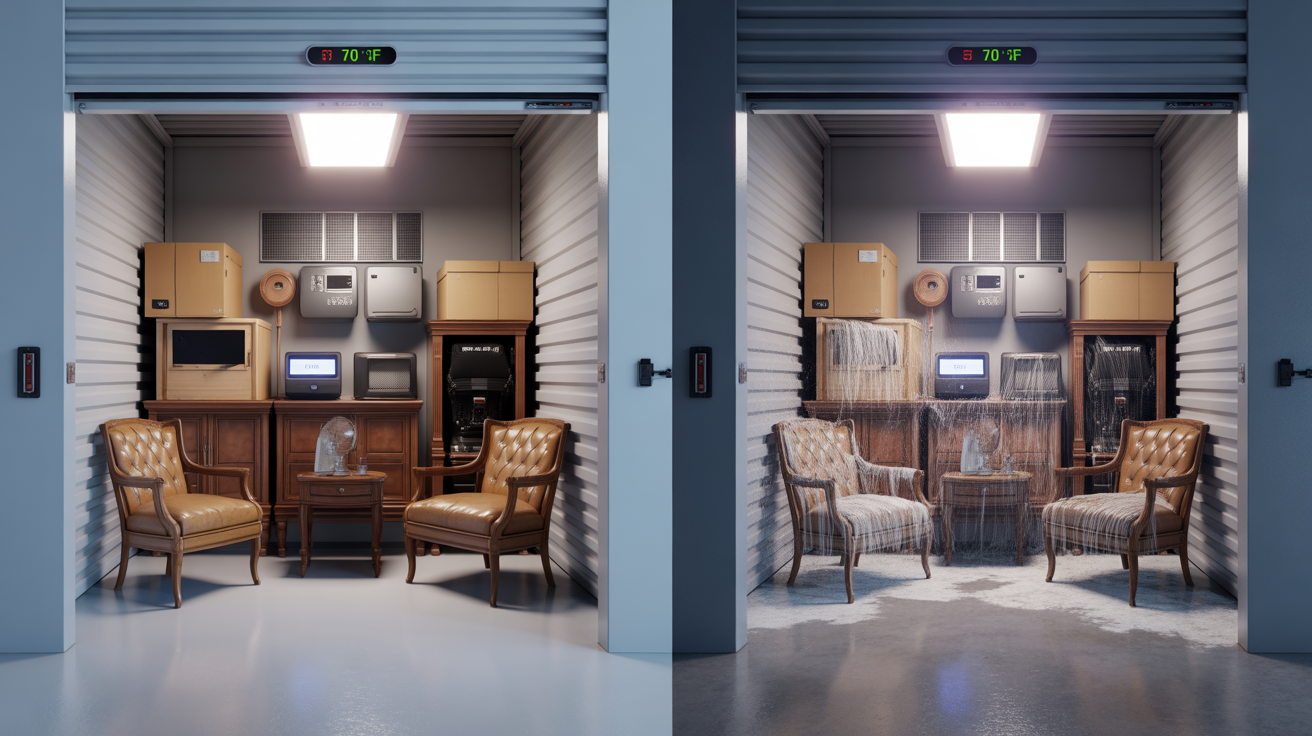
Climate-controlled units maintain temperatures between 55 and 80 degrees Fahrenheit year-round. This protection costs 20% to 50% more than standard storage. According to industry statistics from Alan's Factory Outlet, the average 10x10 unit costs $132 without climate control and $152 with it.
Climate control becomes essential when storing electronics, wooden furniture, leather goods, artwork, wine, or documents for more than six months. In regions with extreme temperature swings, like Colorado's mountain communities, standard drive-up units often suffice for durable items due to naturally moderate summer temperatures.
3. Indoor vs. Drive-Up Access
Drive-up units, where you park directly at your unit's roll-up door, typically cost less than indoor hallway-access units at facilities offering both options. However, drive-up convenience holds significant value for heavy items, frequent access, and vehicle loading.
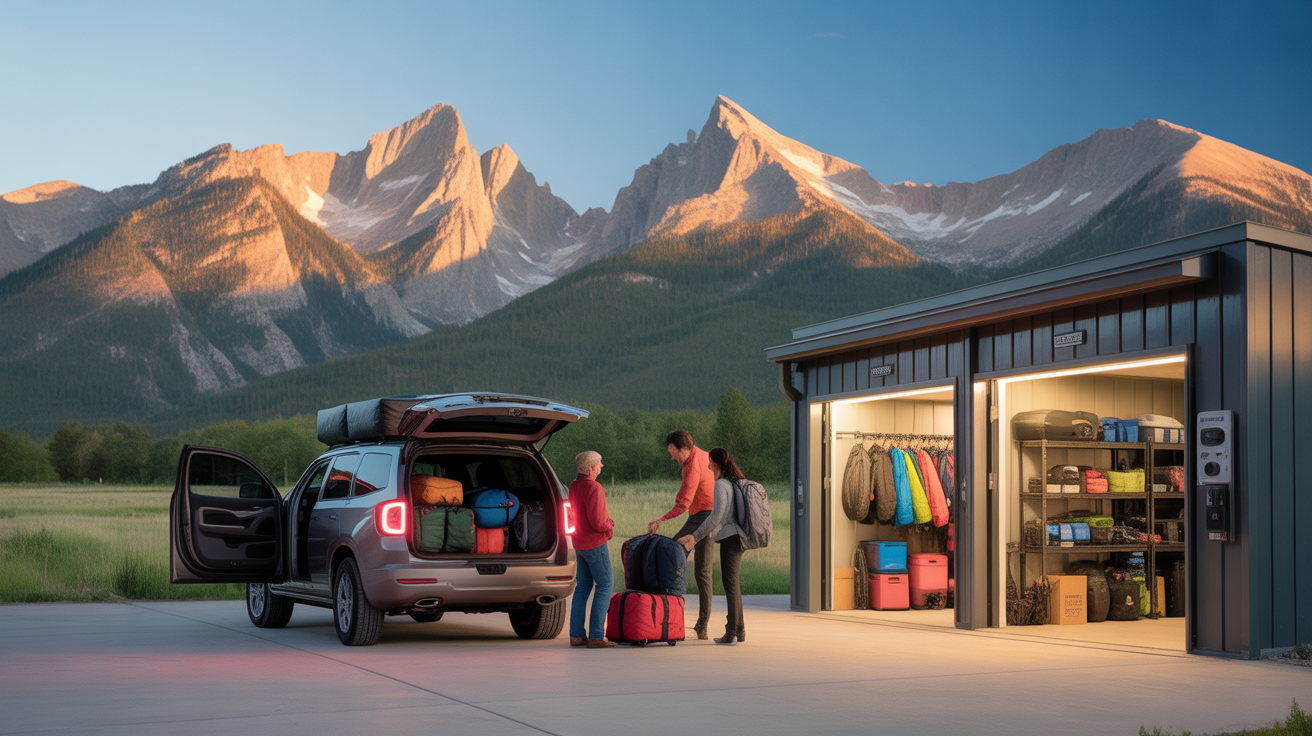
At Estes Park Storage, drive-up units start at $119 per month for a 5x10 and $249 for a 10x10. The facility's 24/7 access, full gating, and paved surfaces position it in the higher-value tier of standard storage options.
4. Seasonal Demand Fluctuations
Storage pricing follows predictable seasonal patterns. Peak demand occurs from May through September, coinciding with the moving season, college transitions, and vacation travel. Many operators use revenue management software similar to airline pricing, adjusting rates weekly based on occupancy.
Renting during off-peak months, typically November through February, often yields better rates or promotional offers. In tourist-heavy markets, summer demand from RV and boat owners can push prices higher during the exact months when moving demand also peaks.
5. Lease Terms and Promotions
Most self storage operates on month-to-month agreements, providing flexibility but potentially exposing renters to rate increases. Common promotional structures include first month free, $1 first month, or 50% off the first two months.
Be aware that promotional rates often revert to standard pricing after the introductory period. According to Rec Nation Storage's pricing analysis, rental rates typically increase 3% to 8% within the first 3 to 6 months in high-demand areas. Ask about rate lock guarantees when signing your lease.
6. Security and Amenities
Facilities with enhanced security features justify higher rates. Key amenities that affect pricing include gated access with individual codes, 24-hour surveillance cameras, LED lighting throughout the property, on-site management, and paved driveways with proper drainage.
A facility charging $20 more per month but offering comprehensive security often provides better value than a bare-bones lot where theft risk runs higher. Check whether tenant protection plans are required or optional, as this affects your total monthly cost.
Hidden Fees That Increase Your Actual Cost
The advertised monthly rate rarely represents your total expense. Budget for these common additional charges when comparing storage options.
Administrative fees range from $15 to $30 as a one-time charge at move-in. Lock purchases cost $10 to $25 if the facility requires a specific lock type. Insurance or protection plans add $10 to $20 monthly, though some facilities include basic coverage in the rent.
Some facilities charge late payment fees of $20 to $50 if rent arrives after the grace period. Others impose access card deposits of $25 to $50, refundable at move-out. Always request a complete fee schedule before signing.
What Is the Cheapest Self Storage Option?
The most affordable storage solution depends on your specific needs and timeline. For short-term storage under three months, promotional rates at traditional facilities often beat alternatives. Many facilities offer the first month free or at $1, making the effective cost extremely low for brief storage periods.
For longer durations, consider these alternatives to traditional self storage:
- Portable storage containers from companies like PODS or 1-800-PACK-RAT cost $150 to $300 monthly but include delivery and pickup
- Peer-to-peer storage through platforms like Neighbor.com connects renters with homeowners offering garage or basement space at 30% to 50% below facility rates
- Warehouse storage for businesses needing large volumes can cost $0.50 to $1.50 per square foot monthly
- Decluttering remains the cheapest option; selling or donating items eliminates ongoing storage costs entirely
RV, Boat, and Vehicle Storage Costs
Vehicle storage follows different pricing structures than standard units. Open-air parking spaces cost $50 to $150 monthly, while covered parking runs $100 to $250. Fully enclosed vehicle storage ranges from $150 to $400 depending on size and climate control.
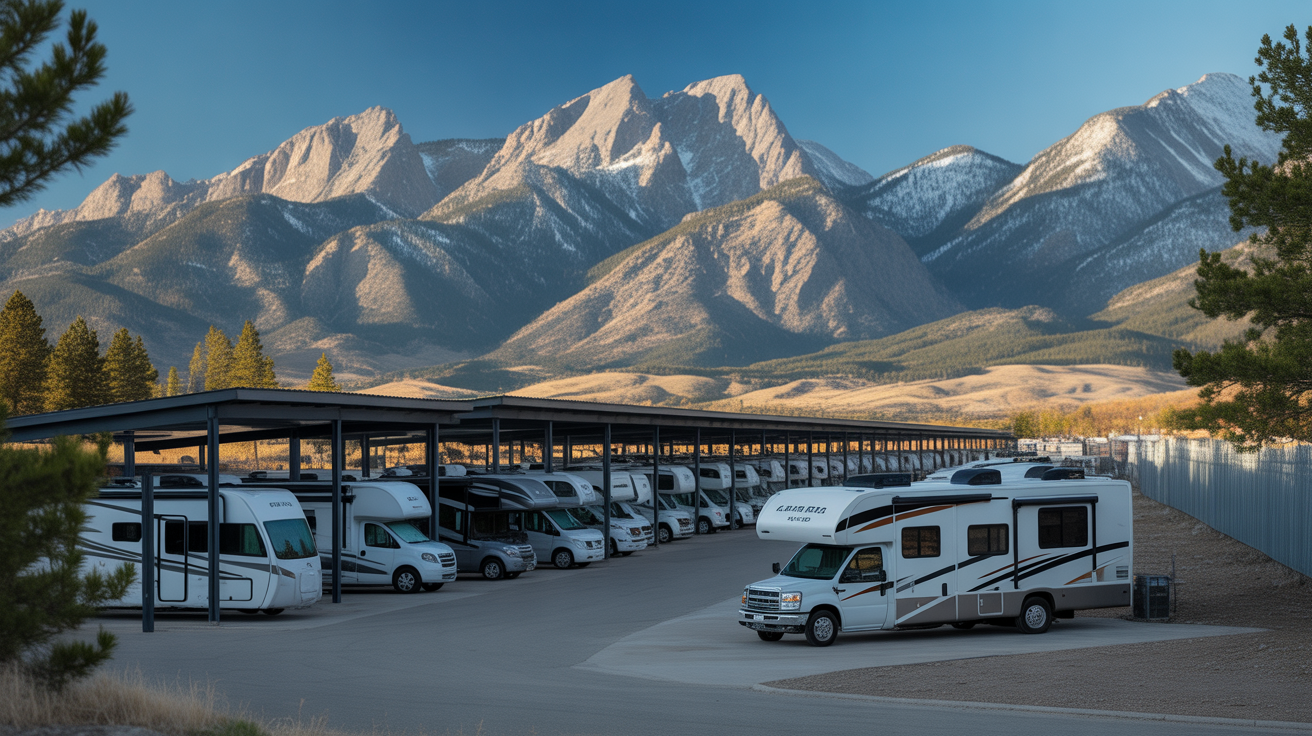
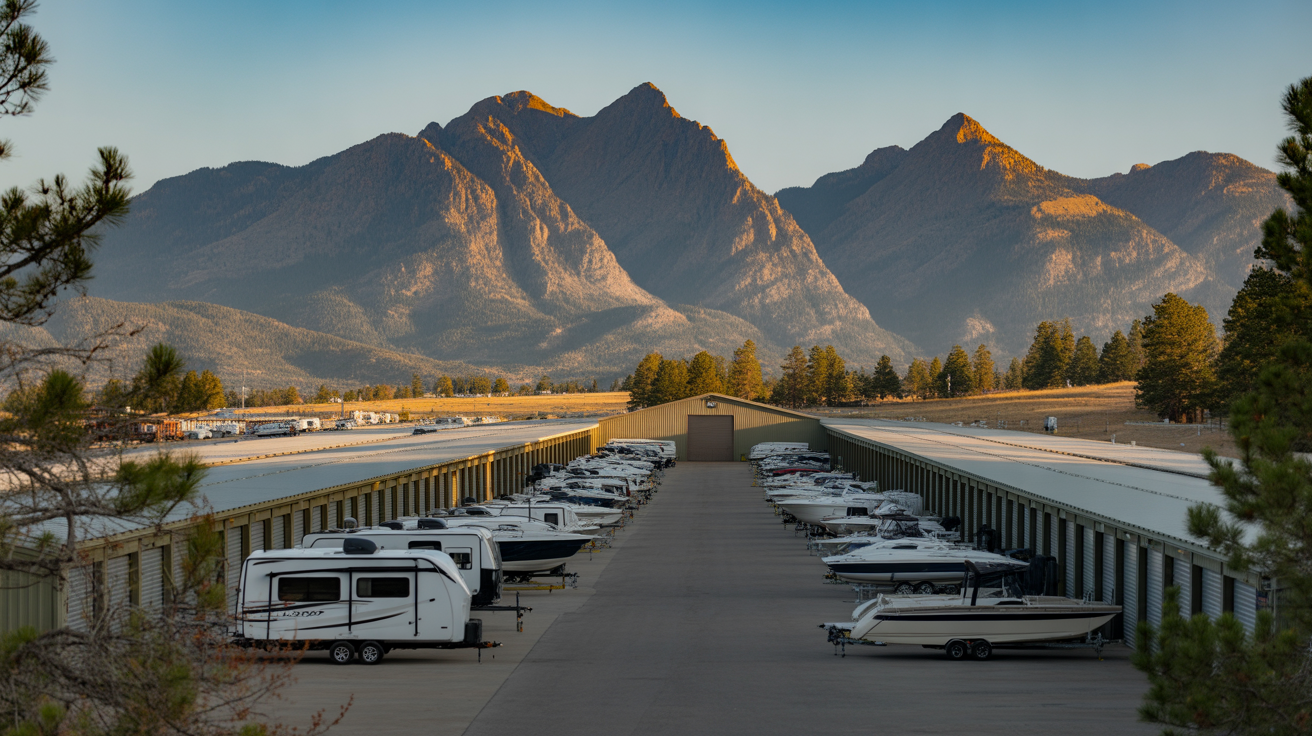
Near recreational destinations like Rocky Mountain National Park, vehicle storage demand peaks during summer months. At Estes Park Storage, open parking spaces start at $135 monthly for a 10x20 space, with larger 15x70 spaces available at $315 for RVs and trailers. Review the storage unit size guide to match your vehicle dimensions with available options.
How to Reduce Your Monthly Storage Costs
Strategic decisions can significantly lower your storage expenses without sacrificing security or convenience.
Right-size your unit. Renters frequently overestimate space needs. A 5x10 holds more than most people expect, fitting a queen mattress, dresser, and 20 to 30 boxes. Use a size guide to calculate actual requirements before committing to a larger unit.
Compare multiple facilities. Prices vary significantly even within the same neighborhood. Request quotes from at least three locations and ask each to match competitors' promotional offers.
Negotiate at move-in. Many facilities have flexibility on rates, especially during low-occupancy periods. Ask about discounts for prepaying multiple months, military service, or student status.
Time your rental strategically. Moving during winter months often yields better rates and promotional offers. If your timeline allows flexibility, waiting until November or December can save 10% to 20%.
Avoid unnecessary add-ons. Check whether your homeowner's or renter's insurance already covers stored belongings before purchasing facility protection plans. Bring your own lock rather than buying one on-site.

Frequently Asked Questions About Storage Costs
How much does a 10x20 storage unit cost?
A 10x20 storage unit costs $150 to $260 per month in most U.S. markets. This 200-square-foot space holds the contents of a 3 to 4 bedroom home or a small vehicle. Climate-controlled 10x20 units run $200 to $350 monthly. In high-cost cities like Los Angeles or New York, expect to pay $300 to $500.
What is the cheapest self storage company?
National chains like Public Storage, Extra Space Storage, and CubeSmart compete aggressively on price, often offering steep first-month discounts. However, locally owned facilities frequently match or beat chain pricing while providing more personalized service. The cheapest option varies by location; comparing at least three facilities in your area yields the best results.
What is a cheaper alternative to a storage unit?
Peer-to-peer storage platforms like Neighbor.com offer rates 30% to 50% below traditional facilities by connecting renters with homeowners who have unused garage or basement space. Portable storage containers provide another alternative, especially for moves, costing $150 to $300 monthly with delivery included. For items you rarely access, decluttering and selling may prove more economical than years of storage fees.
What is the cheapest way to get storage?
The cheapest storage method combines promotional rates with strategic timing. Rent during off-peak months (November through February), take advantage of first-month-free offers, and choose the smallest unit that meets your needs. Asking family or friends about unused garage space costs nothing. For valuable items requiring security, locally owned facilities often offer competitive rates with better service than national chains.
Storage Costs in Mountain and Tourist Markets
Communities near national parks and ski resorts present unique storage economics. Limited developable land constrains supply, while a mix of full-time residents, seasonal workers, and vacation homeowners creates varied demand patterns.
In Estes Park, Colorado, storage prices run moderately above rural plains towns but below Denver metro rates. The area's proximity to Rocky Mountain National Park drives summer demand for RV and boat storage, while second-home owners need year-round unit access for recreational gear.
Local facilities like Estes Park Storage serve this diverse customer base with drive-up units ranging from $119 for a 5x10 to $445 for a 10x25. The facility's 24/7 gated access, LED lighting, and security cameras address the needs of customers who may not visit their unit for weeks or months at a time. Visit the FAQ page for details on rental terms and move-in procedures.
|