Drive-Up vs Walk-Up Storage: Which Is Better for You? |
| DRIVE-UP STORAGE VS WALK-UP STORAGE: WHICH IS BETTER
⏱ 10 min read ·
📄 #1,872 words
Compare drive-up and walk-up storage units. Learn which option saves time, money, and effort based on your items, access needs, and budget in Estes Park.
|
D rive-up storage is better for heavy items, frequent access, and convenience, while walk-up (indoor) storage is better for climate-sensitive belongings, long-term storage, and lower costs. The right choice depends on what you are storing, how often you need access, and your budget constraints.
| Key Points: | |
|---|---|
| • | Drive-up units allow vehicle access directly to your door, cutting loading time by 50-75% compared to indoor units |
| • | Walk-up indoor storage costs 15-25% less on average but requires navigating hallways, stairs, or elevators |
| • | Climate-controlled indoor units maintain 55-80 degrees F, essential for electronics, documents, and antiques |
| • | Drive-up units average $139-261/month for 10x10 to 10x20 sizes; indoor units start lower for comparable space |
| • | Choose drive-up for moves, business inventory, or vehicles; choose walk-up for sensitive items or budget storage |
What Is Drive-Up Storage?
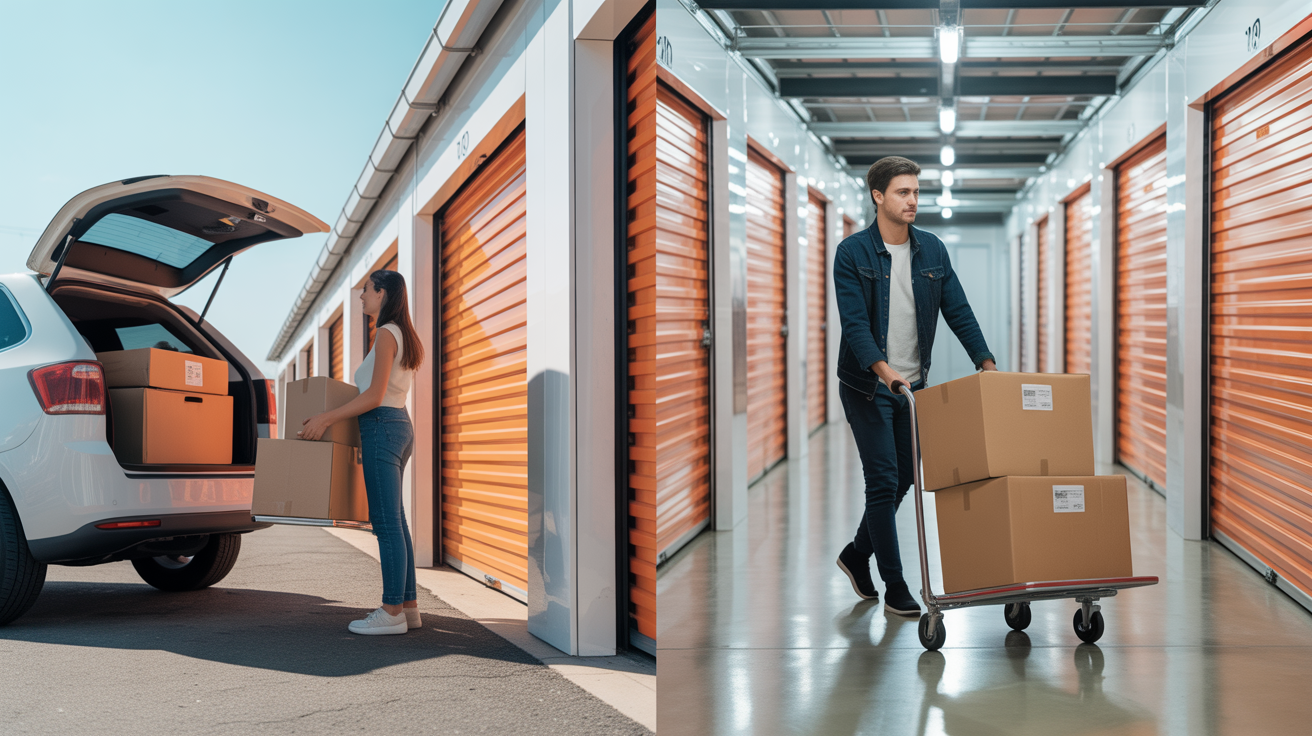
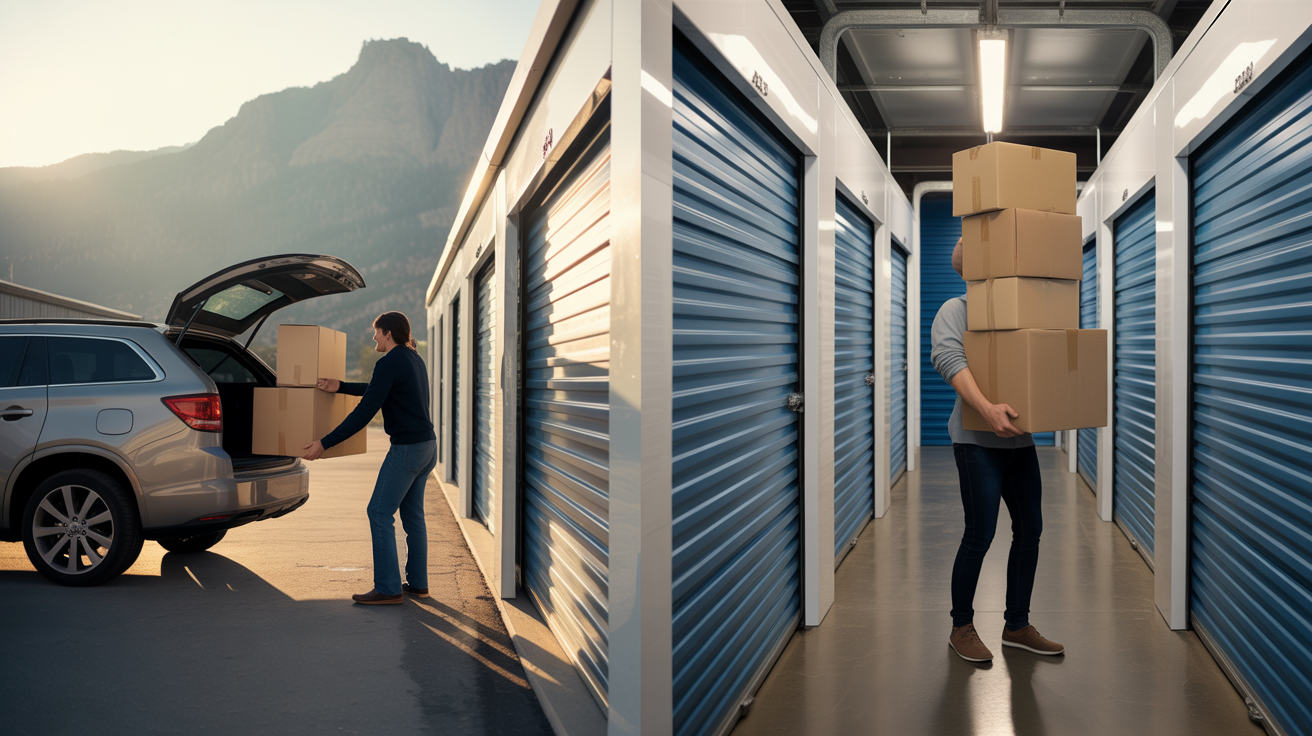
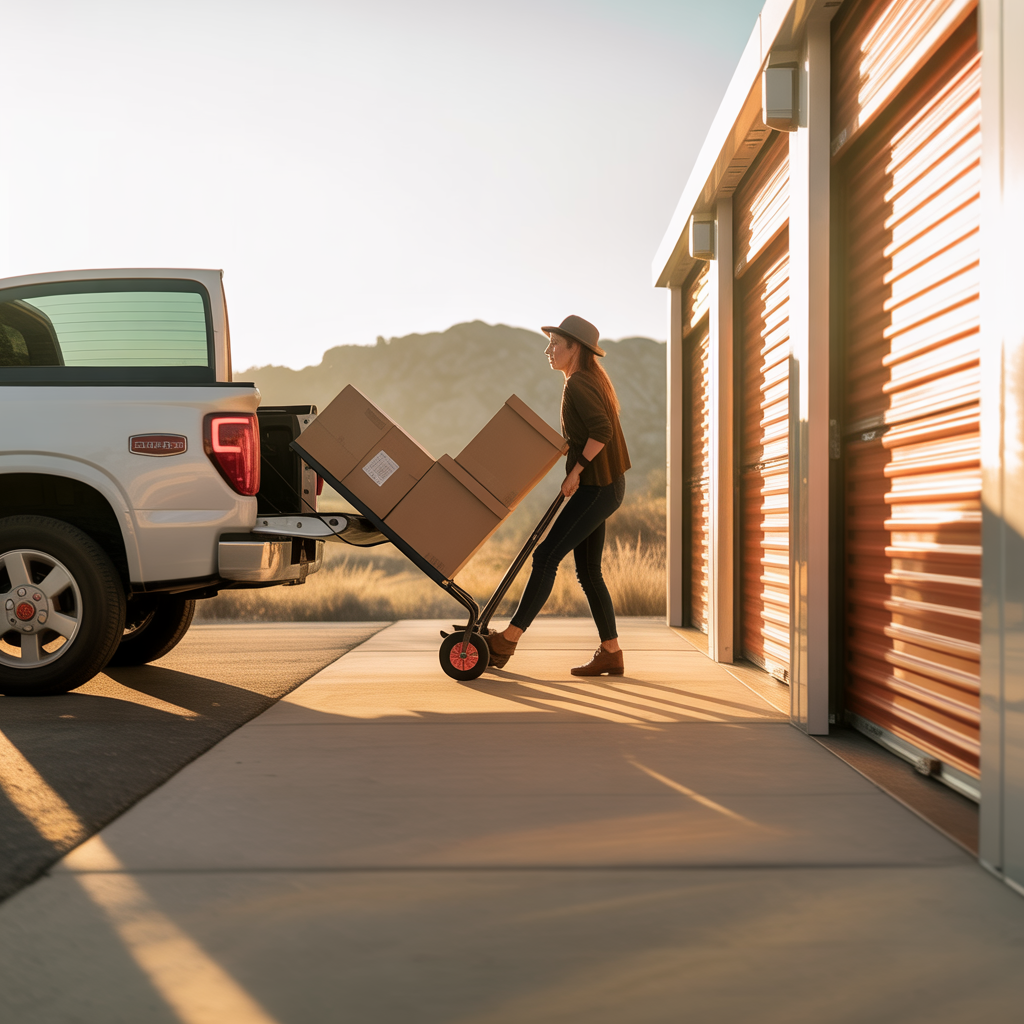
Drive-up storage units are ground-level, exterior-facing spaces with roll-up doors that allow you to park your vehicle directly in front of the unit. Think of them as personal garages you rent monthly. You pull up, open the door, and load or unload without walking through buildings or using elevators.
These units typically range from 5x5 feet to 10x30 feet, with larger sizes accommodating vehicles, boats, and RVs. Most drive-up facilities provide 24/7 access, letting you retrieve items at any hour. At Estes Park Storage, our drive-up units feature gated access, LED lighting, and surveillance cameras for security.
What Is Walk-Up Storage?
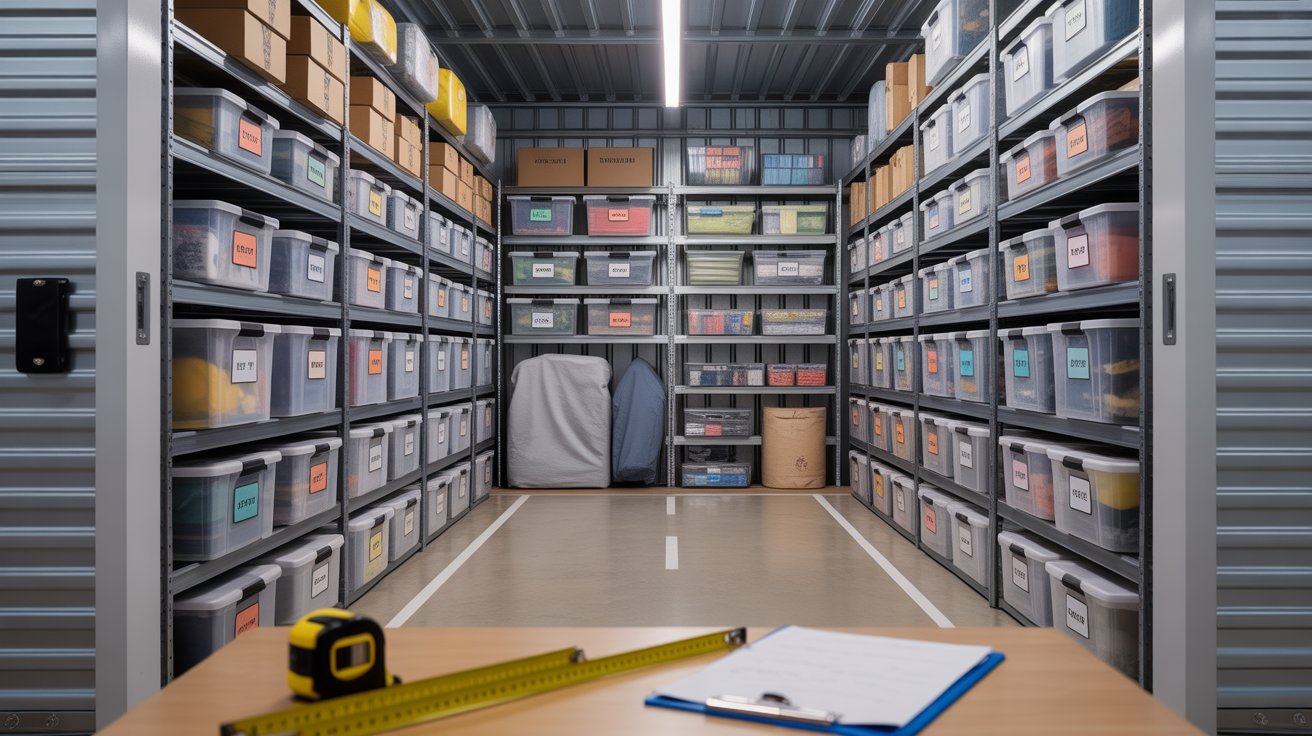
Walk-up storage, also called indoor storage, places units inside a building. You enter through a main door, walk down hallways, and may need to use stairs or elevators to reach your unit. These facilities resemble apartment buildings or office complexes more than traditional storage yards.
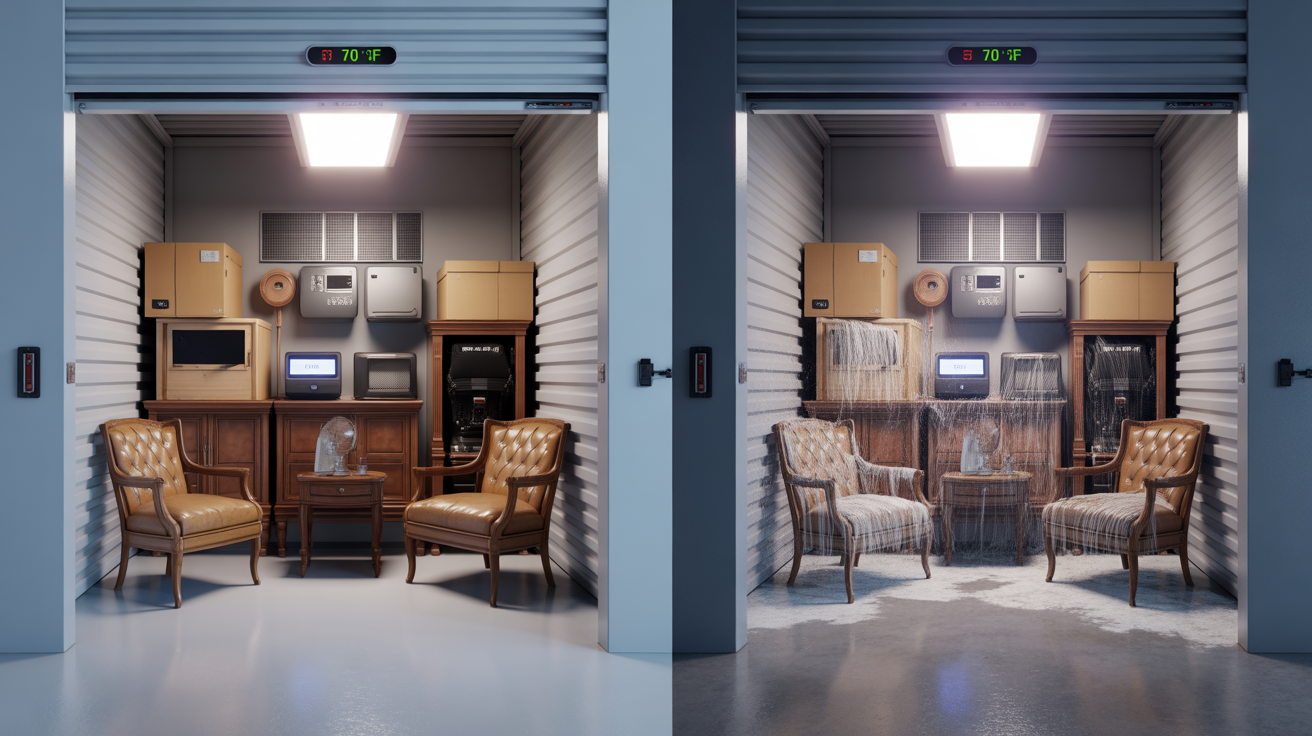
Indoor units often include climate control, maintaining temperatures between 55-80 degrees F year-round. This environment protects sensitive items from extreme heat, cold, and humidity. Walk-up facilities typically offer smaller unit sizes, starting at 5x5 feet, making them suitable for documents, seasonal decorations, and personal collections.
Side-by-Side Comparison: Drive-Up vs Walk-Up Storage
| Factor | Drive-Up Storage | Walk-Up (Indoor) Storage |
|---|---|---|
| Access Method | Vehicle pulls directly to unit door | Walk through building, use elevators/stairs |
| Average Monthly Cost | $139-261 for 10x10 to 10x20 | $85-150 for comparable sizes |
| Loading Time | 15-30 minutes for a full load | 45-90 minutes for equivalent load |
| Climate Control | Rarely available | Common option (55-80 degrees F) |
| Best For | Furniture, appliances, vehicles, frequent access | Documents, electronics, antiques, long-term storage |
| Security Level | Gated access, cameras, individual locks | Building access control, interior cameras, climate monitoring |
| Weather Exposure | Some exposure during loading | Protected from elements |
When Drive-Up Storage Is the Better Choice
Drive-up storage excels in specific situations where convenience and accessibility matter most. Consider drive-up units when your storage needs match these scenarios.
You Are Moving or Relocating
Moving involves loading and unloading heavy furniture, appliances, and dozens of boxes. Drive-up access eliminates the exhausting process of wheeling items through hallways. You back up your truck or trailer, open the unit, and transfer items directly. This setup reduces moving time by 50-75% compared to indoor facilities.
For Estes Park residents handling mountain moves, drive-up units simplify the process during unpredictable weather. Our storage unit size guide helps you determine the right space for your belongings.
You Store Heavy or Bulky Items
Couches, mattresses, refrigerators, and workshop equipment require ground-level access. Carrying a 200-pound dresser up stairs or fitting it into a small elevator creates unnecessary risk and effort. Drive-up units let you use dollies, hand trucks, and furniture sliders effectively.
Items commonly stored in drive-up units include:
- Living room and bedroom furniture
- Major appliances (washers, dryers, refrigerators)
- Power tools and workshop equipment
- Lawn care equipment and outdoor furniture
- Motorcycles, ATVs, and recreational vehicles
You Need Frequent Access
Business owners storing inventory, contractors accessing tools, and hobbyists retrieving equipment benefit from drive-up convenience. If you visit your unit more than twice monthly, the time savings compound quickly. A 10-minute drive-up visit versus a 30-minute indoor retrieval adds up to hours saved annually.
You Are Storing Vehicles
Cars, trucks, boats, motorcycles, and trailers require drive-up or pull-through access. A 10x20 drive-up unit accommodates most standard vehicles, while larger options handle boats and RVs. Vehicle storage costs average $139-145/month for car-sized spaces.
When Walk-Up Indoor Storage Is the Better Choice
Indoor storage provides advantages that drive-up units cannot match. Choose walk-up facilities when protection and cost savings outweigh convenience factors.
You Store Temperature-Sensitive Items
Electronics, wooden furniture, vinyl records, photographs, and documents suffer damage in extreme temperatures. In Estes Park, summer highs reach 80 degrees F while winter lows drop below 0 degrees F. Climate-controlled indoor units maintain consistent 55-80 degree F temperatures, preventing warping, cracking, and moisture damage.
Items requiring climate control include:
- Computers, TVs, and audio equipment
- Wooden and leather furniture
- Musical instruments
- Photographs, artwork, and documents
- Wine collections
- Antiques and collectibles
You Plan Long-Term Storage
Storing items for 6 months or longer increases exposure to temperature fluctuations, dust, and pests. Indoor facilities offer better protection against these factors. The cleaner environment and consistent conditions preserve item quality over years, not just months.
You Want Lower Monthly Costs
Walk-up units typically cost 15-25% less than comparable drive-up spaces. The national average for self-storage runs $85-90/month, with indoor units often falling at or below this benchmark. For budget-conscious renters storing items long-term, the savings add up to $150-400 annually.
You Store Smaller, Lighter Items
Boxes of documents, seasonal decorations, clothing, and small household items do not require vehicle access. Carrying a few boxes through a building takes minimal extra effort, making the cost savings of indoor storage worthwhile.
Security Comparison: Which Is Safer?
Both storage types offer robust security when you choose reputable facilities. However, the security approaches differ significantly.
Drive-Up Storage Security
Quality drive-up facilities protect your belongings through multiple layers. At Estes Park Storage, our security measures include gated access requiring personal codes, LED lighting throughout the property, and surveillance cameras monitoring all areas. Each unit uses individual locks that only you control.
The exterior placement of drive-up units means more visibility from roads and neighboring properties. This visibility can deter theft but also means your storage activity is more observable.
Walk-Up Indoor Security
Indoor facilities add building-level security to unit-level protection. You typically pass through a main entrance requiring a code or key card before reaching your unit. Interior hallways have cameras, and staff may monitor access during business hours.
The enclosed building provides a physical barrier that drive-up units lack. However, this also means your items are less accessible to you during emergencies or outside operating hours at some facilities.
Cost Breakdown: What You Will Actually Pay
Understanding real costs helps you budget accurately. Prices vary by location, size, and features.
Drive-Up Storage Costs
Drive-up units command premium prices due to their convenience and typically larger sizes. Current pricing at Estes Park Storage:
- 5x10 Drive-Up Unit: $105/month
- 10x10 Drive-Up Unit: $225/month
- 10x20 Open Parking Space: $115/month
Nationally, 10x20 drive-up units average $139.59/month, with prices higher in urban areas and tourist destinations like Estes Park.
Walk-Up Indoor Storage Costs
Indoor units start lower, especially for smaller sizes. Expect to pay:
- 5x5 Indoor Unit: $45-75/month
- 5x10 Indoor Unit: $65-110/month
- 10x10 Indoor Unit: $100-175/month
- Climate Control Add-On: $25-50/month additional
Hidden Costs to Consider
Both storage types may include additional fees:
- Administration fees: $15-30 one-time (many facilities waive this)
- Insurance: $10-25/month if required
- Lock purchase: $10-20 one-time
- Late payment fees: $20-50 per occurrence
Month-to-month leases offer flexibility but may cost 5-10% more than 6 or 12-month commitments.
Frequently Asked Questions
Are Drive-Up Storage Units Better?
Drive-up units are better for convenience, heavy items, and frequent access. They are not better for climate-sensitive belongings or budget-focused long-term storage. The "better" option depends entirely on your specific needs, not a universal ranking.
What Are the Best Storage Options?
The best storage option matches your items, access frequency, and budget. For furniture and appliances during a move, choose drive-up. For documents and electronics stored long-term, choose climate-controlled indoor. For vehicles, choose drive-up or dedicated vehicle storage. Many facilities offer both types, letting you select based on need.
How Likely Is It to Get Bed Bugs from a Storage Unit?
Bed bug transmission from storage units is uncommon but possible. The risk increases when storing upholstered furniture, mattresses, or clothing near other renters' belongings. Reduce risk by using sealed plastic containers, inspecting items before storage, and choosing facilities with pest control programs. Indoor facilities typically offer better pest management than outdoor drive-up locations.
What Does Drive-Up Mean in Storage?
Drive-up means you can drive your vehicle directly to the storage unit door. The unit sits at ground level with a roll-up door facing a driveway or parking area. You park within feet of your belongings, eliminating the need to carry items through buildings, hallways, or up stairs.
Can I Store a Car in a Drive-Up Storage Unit?
Yes, a standard car fits in a 10x20 drive-up unit with room for additional items around it. Smaller vehicles may fit in 10x15 units. Ensure the facility allows vehicle storage, as some prohibit it due to fluid leak concerns. Check that the unit door height accommodates your vehicle, typically 8-10 feet for standard units.
Are Climate-Controlled Indoor Units Worth the Extra Cost?
Climate control is worth the 25-50% premium if you store electronics, wooden furniture, documents, photographs, or antiques. Items stored longer than 6 months benefit most from consistent temperature and humidity. For durable items like metal tools, plastic bins, or outdoor equipment, standard storage provides adequate protection at lower cost.

Making Your Decision: A Quick Framework
Use this decision framework to choose between drive-up and walk-up storage:
Choose Drive-Up If:
- You are storing furniture, appliances, or heavy equipment
- You need access more than twice per month
- You are in the middle of a move
- You are storing vehicles, boats, or trailers
- Convenience matters more than cost
Choose Walk-Up Indoor If:
- You are storing electronics, documents, or antiques
- You plan to store items for 6+ months
- Temperature fluctuations concern you
- You want the lowest monthly rate
- Your items are small and lightweight
Many renters find that a combination works best. Store your couch and mattress in a drive-up unit during your move, then transfer climate-sensitive items to an indoor unit for long-term keeping.
Storage in Estes Park: Local Considerations
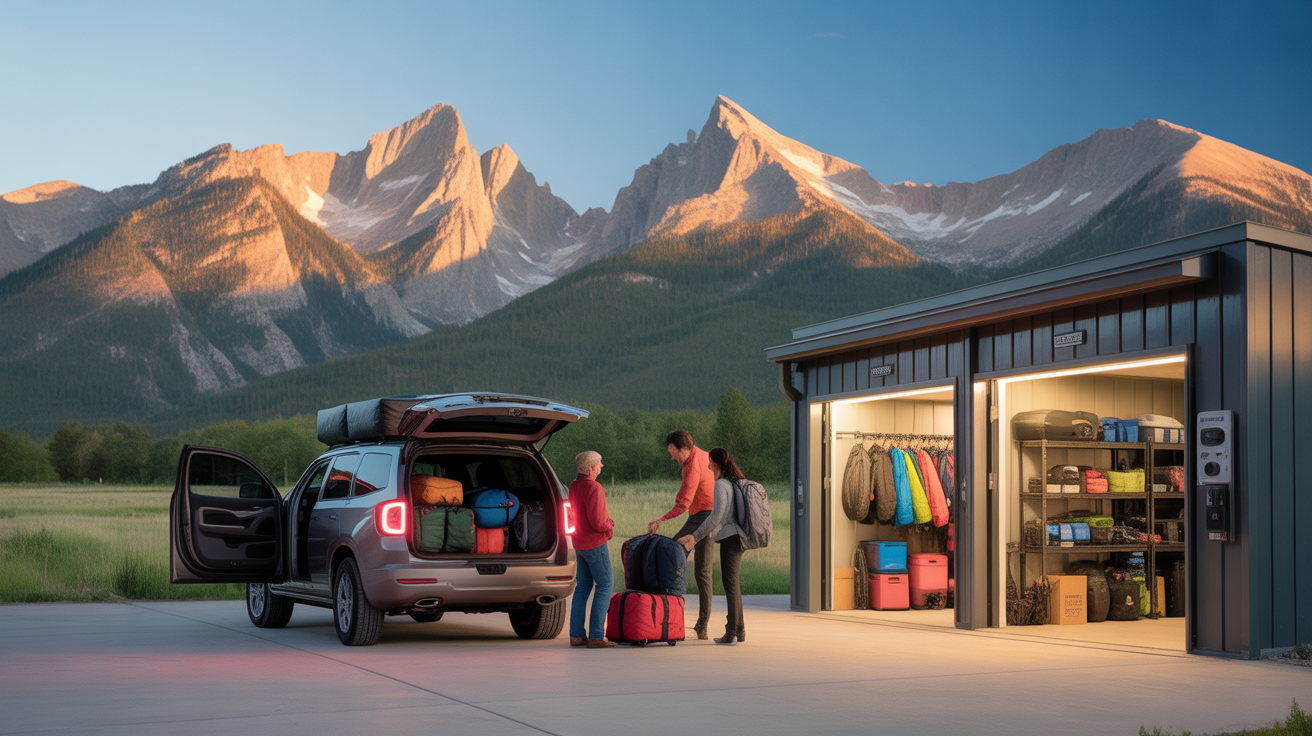
Estes Park's mountain climate creates unique storage challenges. Winter temperatures regularly drop below freezing, while summer brings afternoon thunderstorms. These conditions affect your storage choice more than in temperate regions.
Drive-up storage works well here for outdoor gear, camping equipment, and recreational vehicles that already withstand mountain conditions. The convenience of 24/7 access lets you grab skis before a powder day or retrieve camping gear for a spontaneous trip.
For items that cannot handle temperature swings, consider climate-controlled options or take extra precautions. Wrap furniture in moving blankets, use moisture absorbers in boxes, and avoid storing liquids that might freeze.
|