How to Organize a 10x10 Storage Unit for Maximum Space
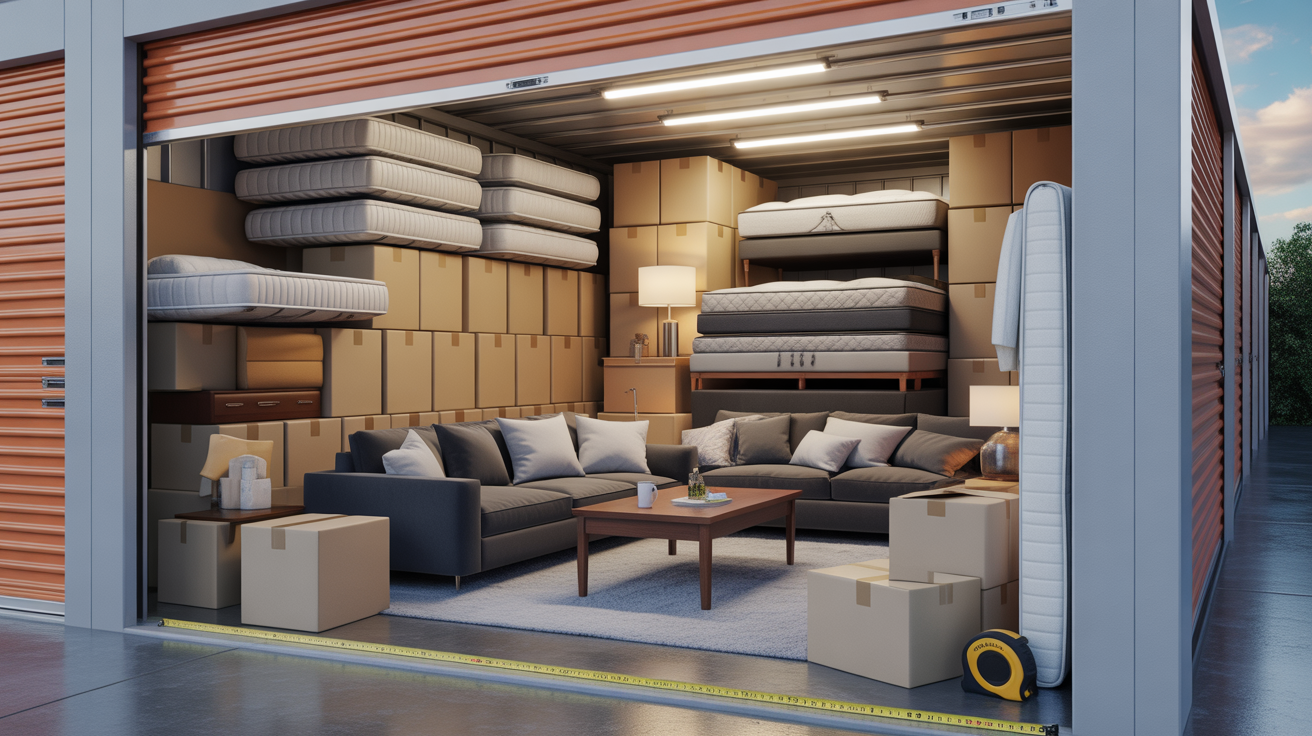
A 10x10 storage unit provides 100 square feet of floor space and approximately 800 cubic feet of total capacity when you stack to the standard 8-foot ceiling height. This size accommodates contents from a one to two bedroom apartment, including furniture, 30 to 40 boxes, mattresses, and appliances when organized properly using vertical stacking, uniform boxes, and a center aisle layout.
| Key Points: | |
|---|---|
| • | A 10x10 unit holds 3 to 4 rooms of furniture when using full vertical height (800 cubic feet) |
| • | Maintain a 24 to 30 inch center aisle for access to items at the back of the unit |
| • | Shelving along walls can double your usable storage capacity compared to floor stacking alone |
| • | Use uniform 18x18x16 inch boxes for stable stacking up to 6 boxes high |
| • | Create an inventory list and unit map to reduce retrieval time by up to 50 percent |
Understanding Your 10x10 Storage Unit Dimensions
Before loading a single box, understanding the actual dimensions of your space prevents costly mistakes. A 10x10 unit measures 10 feet wide by 10 feet deep, creating 100 square feet of floor space. Standard ceiling height runs 8 feet, though some facilities offer 9 or 10 foot ceilings.
The real capacity comes from cubic footage, not floor space. Multiplying 100 square feet by 8 feet of height yields 800 cubic feet of potential storage volume. Most renters use only 40 to 50 percent of this capacity because they fail to stack vertically, leaving hundreds of cubic feet empty above their belongings.
To visualize the space, picture a standard one-car garage or a room measuring roughly 10 by 10 feet in your home. This size typically holds the contents of three to four average rooms when packed efficiently, or an entire one to two bedroom apartment when using professional organization techniques.
What Actually Fits in 800 Cubic Feet
Understanding capacity in practical terms helps you plan effectively. A well-organized 10x10 unit accommodates a queen or king mattress set, a dresser, a sofa, a dining table with four chairs, 30 to 40 medium boxes, and several smaller items like lamps and end tables.
| Item Category | Typical Quantity | Space Required |
|---|---|---|
| Large Furniture (sofas, beds) | 3 to 5 pieces | 200 to 300 cubic feet |
| Medium Furniture (dressers, tables) | 4 to 6 pieces | 100 to 150 cubic feet |
| Medium Boxes (18x18x16 inches) | 30 to 40 boxes | 150 to 200 cubic feet |
| Appliances | 2 to 4 items | 50 to 100 cubic feet |
| Miscellaneous Items | Various | 100 to 150 cubic feet |
Not sure if a 10x10 unit meets your needs? Our storage unit size guide helps you calculate exact requirements based on your specific belongings.
Step-by-Step Guide to Organizing Your 10x10 Unit
Professional organizers follow a specific sequence when loading storage units. This method maximizes space while maintaining access to everything you store. Skipping steps or loading items randomly results in wasted space and frustrating retrieval experiences.
Step 1: Create a Complete Inventory Before Moving Day
Start by listing every item destined for storage. Group belongings into categories: furniture, boxes by room, appliances, seasonal items, and fragile goods. Assign each category a zone number that corresponds to its planned location in the unit.
Use a spreadsheet or notebook with columns for item description, category, zone location, and access frequency. Items you need monthly go in Zone 1 near the door. Items needed quarterly occupy Zone 2 in the middle. Rarely accessed belongings fill Zone 3 at the back.
Print two copies of your inventory. Keep one at home and tape the second inside the unit door. This simple step reduces average retrieval time by 50 percent according to storage industry data.
Step 2: Design Your Layout on Paper
Sketch a simple floor plan before loading anything. Draw a 10x10 square and mark a 24 to 30 inch aisle down the center or along one side. This aisle remains empty throughout the loading process, providing access to items at the back without moving everything in front.
Designate wall areas for shelving units. The back wall and one side wall work best for freestanding shelves, leaving the other side wall for leaning mattresses and large flat items. The front third of the unit, closest to the door, holds frequently accessed items and boxes.
Mark zones on your sketch corresponding to your inventory categories. This visual reference guides loading order and prevents the common mistake of blocking access to important items. [CENTER_IMAGE]
Step 3: Install Shelving Before Loading Boxes
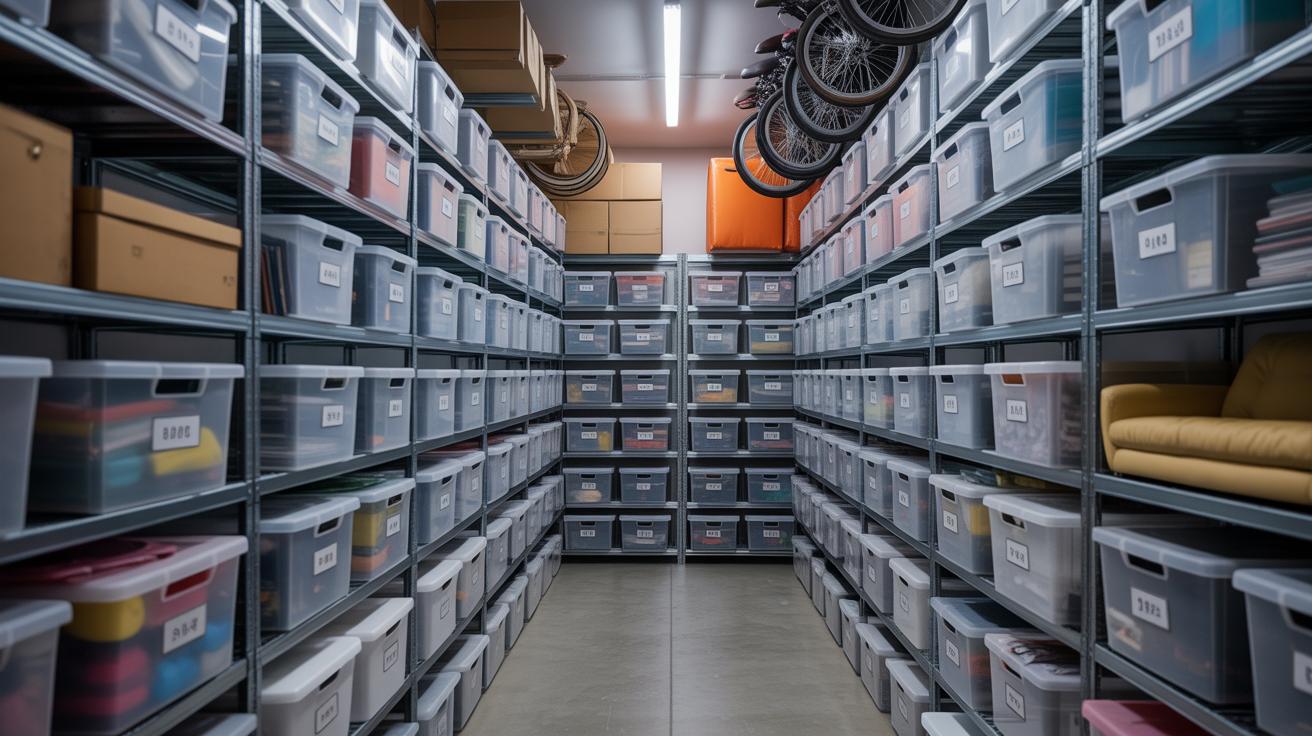
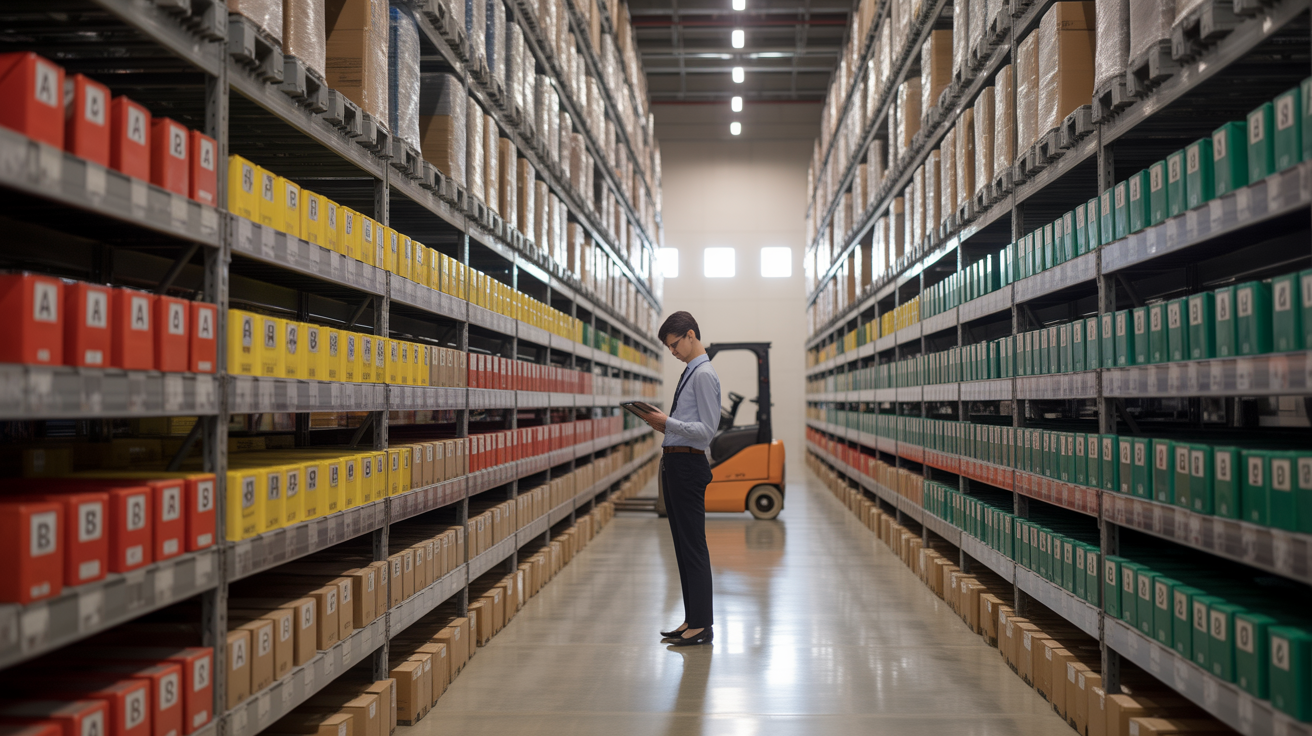
Shelving transforms storage efficiency more than any other single technique. Freestanding metal or plastic shelving units along walls create vertical storage for boxes while keeping floor space clear for furniture. A single 6-foot tall shelving unit with five shelves adds approximately 30 square feet of usable surface area.
Position shelving units against the back wall and one side wall, leaving 2 to 3 inches of clearance from the wall for air circulation. Secure tall units together or to the wall if possible to prevent tipping. Heavy-duty shelving rated for 200 pounds per shelf handles most storage needs.
Budget approximately $30 to $100 per shelving unit depending on size and material. This investment pays for itself by allowing you to rent a smaller unit or fit more belongings in your current space.
Step 4: Load Heavy and Large Items First
Begin with the heaviest furniture and appliances. Position these items along the back wall and sides, leaving your center aisle clear. Sofas can stand on end to save floor space, reducing their footprint from 20 square feet to approximately 6 square feet.
Place dressers and desks with drawers facing outward for access. Remove drawers, pack them with soft items like linens or clothing, then slide them back in. This technique adds storage capacity without requiring additional boxes.
Appliances like refrigerators and washers go in corners where they consume the least accessible space. Prop refrigerator doors open slightly to prevent mold and odor buildup during storage.
Step 5: Stack Boxes Strategically
Uniform box sizes create stable stacks that maximize vertical space. The standard medium moving box measuring 18x18x16 inches works best for most items. These boxes stack safely up to 6 high, reaching approximately 8 feet, the full ceiling height.
Place heaviest boxes on the bottom of each stack. Books, dishes, and tools go at floor level. Lighter items like linens, clothing, and decorations stack on top. Never place heavy boxes on top of light ones, as this causes crushing and stack collapse.
Label every box on at least two sides with contents and zone number. Use large, clear writing or printed labels visible from several feet away. This prevents the need to move boxes just to identify contents.
Step 6: Protect Furniture and Fragile Items
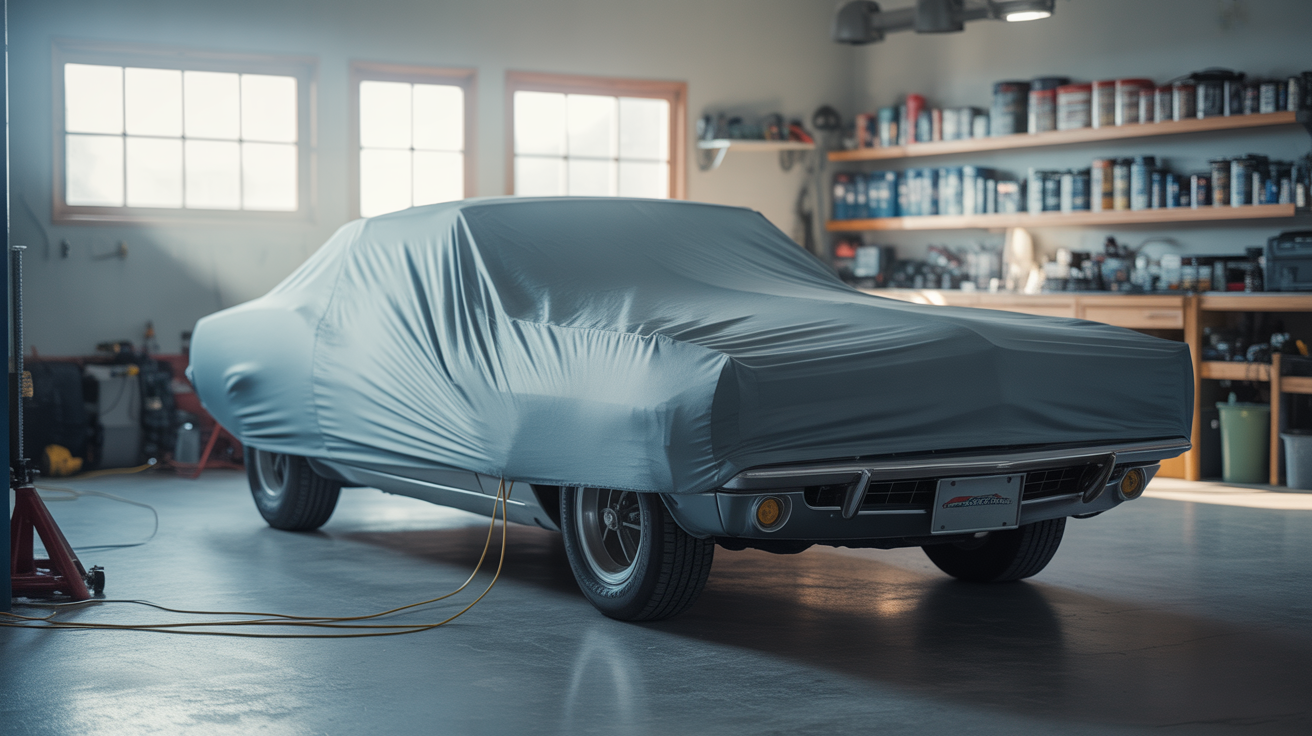
Wrap upholstered furniture in breathable cotton covers or moving blankets. Avoid plastic covers that trap moisture and promote mold growth. Secure covers with tape or straps that do not contact fabric directly.
Disassemble furniture when possible. Table legs, bed frames, and shelving units take significantly less space when broken down. Keep hardware in labeled plastic bags taped to the corresponding furniture piece.
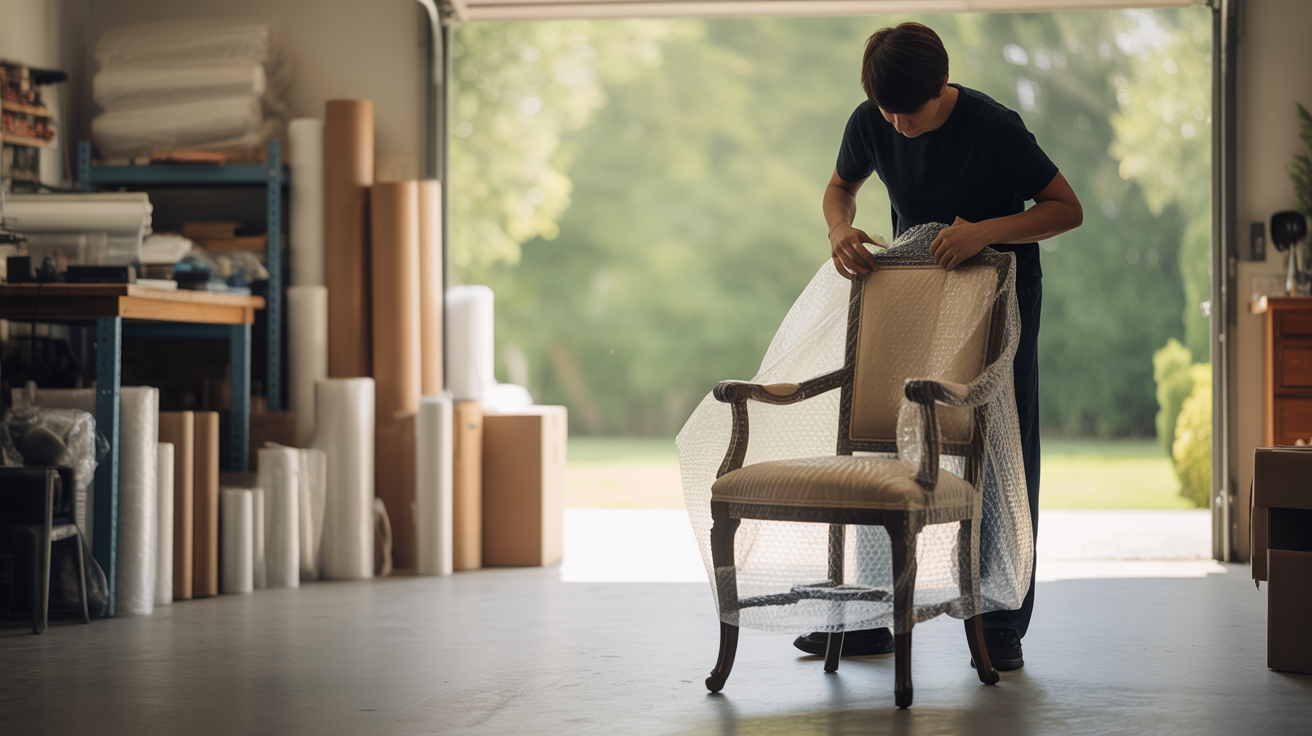
Wrap mirrors, artwork, and glass items in bubble wrap or packing paper. Store these items vertically between mattresses or in designated fragile zones marked on your layout. Never lay framed items flat where weight from above could crack glass.
Step 7: Maximize Vertical Space Throughout
Over 70 percent of storage unit renters fail to use available vertical space effectively, wasting up to half their potential capacity. After loading furniture and initial box stacks, assess remaining vertical space and fill gaps.
Place lightweight items like pillows, stuffed toys, and empty luggage on top of furniture. Slide flat items like headboards, mirrors, and folding tables into narrow gaps between larger pieces. Use the space inside furniture, placing boxes inside empty dressers, armoires, and entertainment centers.
Stand mattresses vertically against walls rather than laying them flat. A queen mattress laid flat consumes 33 square feet of floor space. Standing vertically, it uses only 5 square feet while reaching 6 to 7 feet high.
The 4 D's of Self Storage Organization
Professional organizers use the 4 D's framework to guide storage decisions. This system helps determine what belongs in storage versus what should be handled differently.
Declutter
Before paying to store anything, evaluate whether you actually need it. Items unused for 12 months or longer rarely get used after storage. Donate, sell, or discard these items rather than paying monthly fees to store things you will never retrieve.
Calculate the true cost of storage. A $100 per month unit costs $1,200 annually. If stored items are worth less than one year of storage fees, selling or replacing them later often makes more financial sense.
Designate
Assign specific zones and locations for every item category. Random placement creates chaos that compounds over time as you add and remove items. Your zone system from Step 2 provides the framework for designation.
Create a master map showing exactly where each category lives. Update this map whenever you reorganize or add significant items. Consistent designation eliminates the frustrating search process that plagues disorganized units.
Defend
Protect your belongings from damage during storage. Use appropriate covers, wrapping materials, and climate considerations for sensitive items. Electronics, wooden furniture, photographs, and documents require protection from temperature extremes and humidity.
Consider climate-controlled storage for items sensitive to temperature fluctuations. Standard units in Colorado can experience temperatures from below freezing to over 100 degrees Fahrenheit throughout the year. Climate-controlled units maintain consistent temperatures between 55 and 80 degrees, preventing warping, cracking, and moisture damage.
Document
Maintain detailed records of everything in storage. Your inventory list serves as the primary document, but photographs provide additional protection. Take photos of valuable items before storage and photograph your organized unit from multiple angles.
Keep documentation outside the storage unit in a safe location. Digital copies stored in cloud services ensure access even if physical copies are lost. These records prove invaluable for insurance claims and retrieval planning.
Best Shelving Options for 10x10 Storage Units
Choosing the right shelving dramatically impacts organization success. Different shelving types suit different needs and budgets.
Heavy-Duty Wire Shelving
Wire shelving units offer the best combination of strength, affordability, and ventilation. Units measuring 48 inches wide by 18 inches deep by 72 inches tall cost $50 to $150 and support 200 to 500 pounds per shelf. The open wire design allows air circulation that prevents moisture buildup.
Assembly requires no tools for most models, using simple snap-together construction. Position these units along back and side walls, leaving the front area clear for furniture and frequent access items.
Plastic Shelving
Plastic shelving resists moisture and rust, making it ideal for long-term storage. Units cost $30 to $80 and support 100 to 250 pounds per shelf. The lighter weight makes repositioning easier but provides less stability for heavy loads.
Choose ventilated plastic shelving over solid shelves to promote air circulation. Solid plastic shelves can trap moisture underneath, potentially damaging items stored on lower levels.
Wooden Shelving
Wooden shelving provides the strongest support but costs more and weighs significantly more than alternatives. Expect to pay $100 to $300 for quality wooden units. These work best for storing heavy items like tools, equipment, and dense boxes of books.
Treat wooden shelving with sealant before use in storage environments to prevent moisture absorption and warping. Untreated wood can absorb humidity and transfer moisture to stored items.
How to Store Specific Items Without Damage
Different items require different storage approaches. Following item-specific guidelines prevents damage and extends the life of your belongings.
Furniture Storage Best Practices
Clean all furniture thoroughly before storage. Dirt and oils left on surfaces can cause permanent staining or attract pests during extended storage periods. Use appropriate cleaners for each material type.
Apply furniture polish or conditioner to wooden pieces before storage. This creates a protective barrier against moisture and prevents drying and cracking. Leather furniture benefits from leather conditioner applied before wrapping.
Never store furniture directly on concrete floors. Place pallets, cardboard, or plastic sheets underneath to prevent moisture wicking from the floor into furniture legs and bases. This single precaution prevents the most common furniture storage damage.
Electronics and Appliances
Store electronics in original packaging when available. Manufacturers design this packaging specifically to protect items during transport and storage. If original boxes are unavailable, wrap items in anti-static bubble wrap and place in appropriately sized boxes.
Remove batteries from all electronic devices before storage. Batteries can leak over time, causing corrosion and permanent damage to electronic components. Store batteries separately in a cool, dry location.
Clean and thoroughly dry all appliances before storage. Any remaining moisture promotes mold and mildew growth. Leave appliance doors slightly open to allow air circulation and prevent odor buildup.
Clothing and Textiles
Store clothing in breathable containers rather than plastic bags. Plastic traps moisture and can cause mildew, yellowing, and permanent damage to fabrics. Cotton garment bags, cardboard boxes, or breathable storage bins work best.
Wash all clothing before storage. Body oils, food stains, and dirt attract pests and can cause permanent staining during extended storage. Clean items store safely; dirty items attract problems.
Use cedar blocks or lavender sachets as natural pest deterrents. Avoid mothballs, which leave persistent odors that transfer to clothing. Place deterrents throughout clothing storage areas, not just on top.
Documents and Photographs
Store important documents in waterproof, fireproof containers. Standard cardboard boxes offer no protection against moisture or fire damage. Invest $30 to $100 in proper document storage containers for irreplaceable papers.
Place photographs in acid-free boxes or albums. Standard cardboard and paper contain acids that yellow and damage photographs over time. Acid-free materials cost slightly more but preserve photographs indefinitely.
Position document containers on upper shelves away from potential floor moisture. Even in well-maintained facilities, floor-level storage exposes items to the highest moisture risk.
Common 10x10 Organization Mistakes to Avoid
Learning from others' mistakes saves time, money, and frustration. These common errors plague storage unit renters across experience levels.
Blocking Access to Frequently Needed Items
The most common mistake involves loading items in the order they come off the moving truck rather than by access frequency. This results in rarely needed items blocking access to things you need monthly or quarterly.
Plan loading sequence based on retrieval needs, not convenience during loading. Items needed most frequently go in last, positioning them nearest the door. This requires more effort during loading but saves hours of frustration during retrieval.
Skipping the Center Aisle
Filling every square foot seems efficient but creates inaccessible storage. Without a center aisle, accessing items at the back requires removing and restacking everything in front. A 24 to 30 inch aisle uses only 20 to 25 square feet but provides access to the entire 100 square foot space.
Maintain your aisle discipline throughout the storage period. The temptation to fill the aisle with "just one more thing" leads to the same access problems you planned to avoid.
Using Mismatched Box Sizes
Random box sizes create unstable stacks with wasted space between boxes. A uniform box size, ideally 18x18x16 inches, stacks efficiently and safely to full ceiling height. The small investment in proper moving boxes pays dividends in space efficiency.
Avoid oversized boxes for heavy items. A large box filled with books becomes impossible to lift safely and risks injury during loading and retrieval. Use small boxes for heavy items and large boxes for lightweight, bulky items.
Neglecting Climate Considerations
Standard storage units experience significant temperature fluctuations throughout the year. In Colorado mountain locations, temperatures can range from below zero to over 90 degrees Fahrenheit. This range damages sensitive items including electronics, wooden furniture, photographs, vinyl records, and musical instruments.
Evaluate your belongings honestly for climate sensitivity. The cost difference between standard and climate-controlled storage typically runs $20 to $50 per month. This premium often costs less than replacing damaged items.
Maintaining Your Organized Storage Unit
Organization requires ongoing maintenance, not just initial setup. Regular attention keeps your unit functional and your belongings protected.
Schedule Regular Visits
Visit your storage unit at least quarterly, even if you do not need to retrieve anything. These visits allow you to check for pest activity, moisture problems, or damage from any source. Early detection prevents small problems from becoming major losses.
During visits, check boxes for signs of moisture, pest damage, or crushing. Inspect furniture covers for tears or displacement. Verify that your aisle remains clear and your organization system intact.
Update Your Inventory
Whenever you add or remove items, update your inventory list immediately. Outdated inventories cause the same retrieval problems as having no inventory at all. Keep a pen attached to your posted inventory for quick updates during visits.
Review your inventory annually to identify items that no longer need storage. Storage needs change over time, and items that seemed essential initially may become candidates for donation or disposal after a year or two.
Refresh Protective Measures
Replace moisture absorbers, pest deterrents, and other protective materials according to manufacturer recommendations. Most products require replacement every 30 to 90 days for continued effectiveness.
Check furniture covers and wrapping materials for deterioration. Covers that have torn or shifted no longer protect your belongings. Replace damaged covers promptly to maintain protection.
Cost-Effective Organization Supplies
Professional organization does not require expensive supplies. Strategic purchases maximize organization while minimizing costs.
Essential Supplies Checklist
- Medium moving boxes (18x18x16 inches): $2 to $4 each, buy 30 to 40 for a 10x10 unit
- Heavy-duty packing tape: $5 to $10 per roll, buy 3 to 4 rolls
- Permanent markers: $3 to $5 for a multi-pack
- Furniture covers: $10 to $30 each depending on size
- Moving blankets: $10 to $20 each, buy 4 to 6
- Shelving units: $50 to $150 each, buy 2 to 3
- Pallets or floor protection: Often free from local businesses or $10 to $20 each
- Moisture absorbers: $10 to $20 for multi-packs
Total supply cost for professional-level organization runs $200 to $500 depending on quality choices. This investment protects belongings worth thousands of dollars and maximizes the value of your monthly rental payment.
Where to Find Free or Discounted Supplies
Local grocery stores, liquor stores, and big-box retailers often give away boxes. Ask managers about box availability, as most stores discard dozens of quality boxes daily. Liquor store boxes feature extra-thick cardboard ideal for heavy items.
Online marketplaces frequently list free moving supplies from people who recently completed moves. Check listings daily, as free supplies get claimed quickly. Offer to pick up promptly to secure the best selections.
Hardware stores sell damaged or returned shelving at significant discounts. Minor cosmetic damage does not affect functionality, and savings of 30 to 50 percent make these options attractive for storage applications. [FOOTER_IMAGE]
Frequently Asked Questions
How do you pack a 10 by 10 storage unit?
Pack a 10x10 storage unit by first installing shelving along back and side walls, then loading heavy furniture against walls while maintaining a 24 to 30 inch center aisle. Stack uniform boxes on shelves and floor areas with heaviest boxes on bottom. Place frequently accessed items near the door and rarely needed items at the back. Use vertical space fully by standing mattresses upright and stacking boxes to ceiling height.
How to maximize a 10x10 storage unit?
Maximize a 10x10 storage unit by using all 800 cubic feet of vertical space, not just the 100 square feet of floor space. Install 6 to 8 foot tall shelving units along walls, stack boxes uniformly to ceiling height, stand furniture vertically when possible, and fill hollow spaces inside dressers and appliances with smaller items. Disassemble furniture to reduce footprint and use vacuum storage bags for clothing and linens.
What are the 4 D's of self storage?
The 4 D's of self storage are Declutter, Designate, Defend, and Document. Declutter by removing items not worth storing. Designate specific zones for each category of belongings. Defend items from damage using appropriate covers, climate control, and protective materials. Document everything with detailed inventory lists and photographs for insurance and retrieval purposes.
What is the best way to organize a storage unit?
The best way to organize a storage unit involves creating an inventory and layout plan before loading, installing shelving for vertical storage, maintaining a clear access aisle, using uniform box sizes for stable stacking, placing heavy items on bottom and light items on top, positioning frequently needed items near the door, and labeling everything clearly. Update your inventory and inspect the unit quarterly.
Can I stack items to the ceiling in a 10x10 unit?
Yes, you can stack items to the ceiling in a 10x10 unit, and doing so maximizes your storage capacity from 100 square feet to 800 cubic feet. Use uniform boxes that stack safely up to 6 high, place heaviest boxes on bottom, and ensure stacks are stable before adding height. Avoid stacking fragile items or boxes containing breakables near the top where they could fall.
What fits in a 10x10 storage unit?
A 10x10 storage unit fits the contents of a one to two bedroom apartment when organized properly. Typical capacity includes a queen or king mattress set, sofa, dining table with four chairs, dresser, 30 to 40 medium boxes, several small appliances, and miscellaneous items like lamps and decor. Using vertical space and proper organization techniques maximizes what fits.
Start Organizing Your Storage Space Today
Proper organization transforms a 10x10 storage unit from a cramped, frustrating space into an efficient storage solution that protects your belongings and provides easy access when needed. The techniques outlined here, including vertical stacking, uniform boxes, center aisles, and detailed inventories, represent professional-level organization accessible to anyone willing to plan before loading.
At Estes Park Storage, our 10x10 drive-up storage units provide the perfect canvas for these organization strategies. With 24/7 access, you can visit your unit anytime to retrieve items or reorganize as needs change. Our drive-up design means you can pull your vehicle directly to your unit door, making loading and unloading heavy furniture and boxes significantly easier.
Learn more about our facility's security features including gated access, LED lighting, and surveillance cameras that protect your organized belongings around the clock. Our month-to-month rentals provide flexibility as your storage needs evolve, without long-term commitment.
|
Reserve a 10x10 in Estes Park
Match your inventory on our Estes Park storage size guide, then rent online at checkout or call (970) 586-6811. Drive-up units at 1210 Woodstock Dr.