Self Storage in Estes Park for Seasonal Residents and Gear |
| SELF STORAGE IN ESTES PARK FOR SEASONAL RESIDENTS AND MOUNTAIN GEAR
⏱ 13 min read ·
📄 #2,540 words
Find the best self storage in Estes Park for seasonal residents and mountain gear. Learn unit sizes, gear storage tips, and what to look for near RMNP.
|
S easonal residents and outdoor enthusiasts in Estes Park need storage units ranging from 5x10 ($119/month) for personal gear to 10x20 ($375/month) for vehicles and full household items. The ideal facility offers 24/7 drive-up access, security cameras, and month-to-month leases without deposits, allowing flexible storage between visits to Rocky Mountain National Park.
| Key Points: | |
|---|---|
| • | 5x10 units ($119/month) fit skis, snowboards, camping gear, and 2-3 seasons of outdoor equipment |
| • | Drive-up access eliminates hauling heavy gear through hallways or up stairs |
| • | 24/7 facility access supports 3 a.m. alpine starts for Longs Peak and late-night returns |
| • | Month-to-month leases with no deposit match unpredictable seasonal schedules |
| • | Open parking spaces ($135-315/month) accommodate RVs, boats, and trailers for Lake Estes |
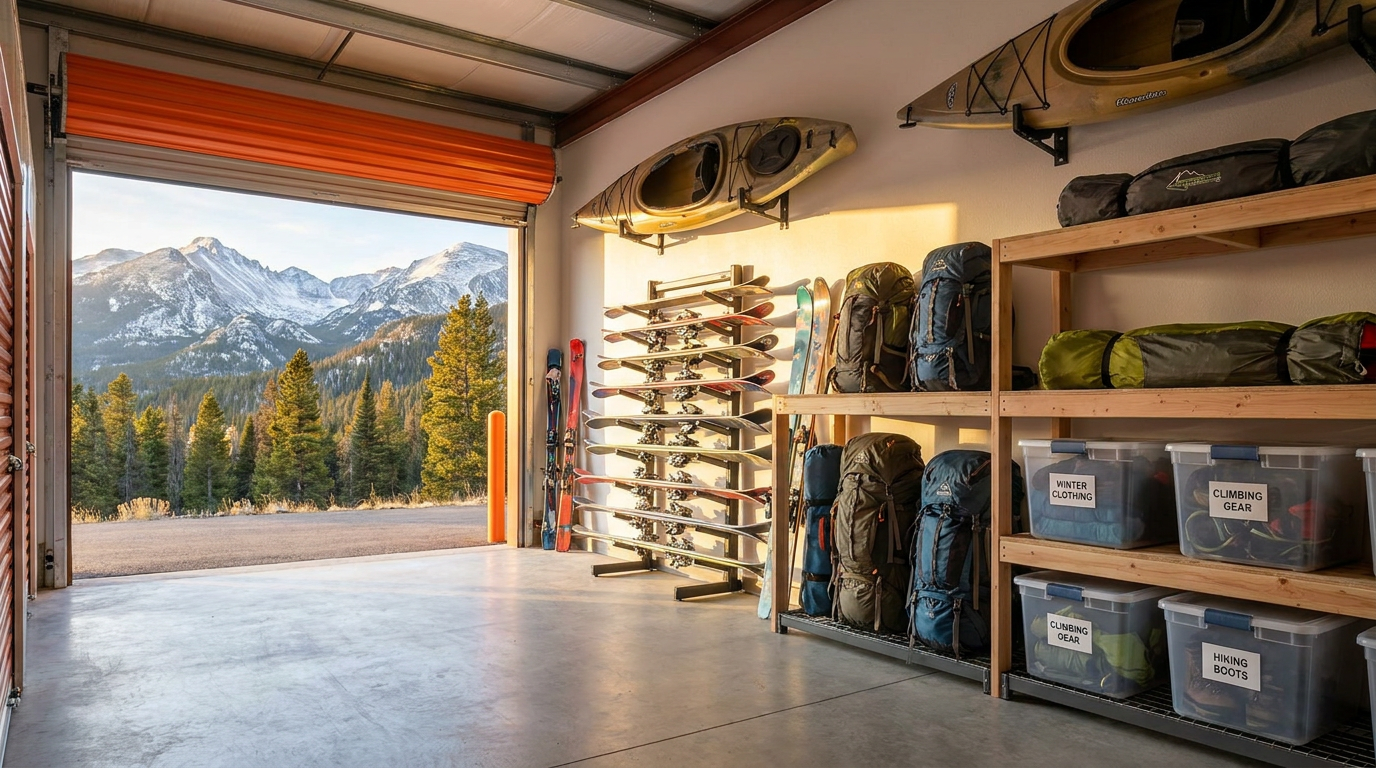
Why Seasonal Residents Need Storage Near Rocky Mountain National Park
Estes Park attracts thousands of seasonal residents, second-home owners, and recurring visitors each year. According to Colorado Tourism Office data, the state welcomed over 95 million visitors in 2023, with Rocky Mountain National Park consistently ranking among the top 5 most-visited national parks in the United States. Many of these visitors return multiple times annually, creating a unique storage challenge.
Mountain cabins and condos in the Estes Valley typically offer 400-800 square feet of living space with minimal closet room. HOA rules frequently prohibit storing bikes, skis, or kayaks in hallways, balconies, or shared spaces. This leaves seasonal residents with three options: transport gear back to the Front Range after every trip, rent expensive additional garage space, or use a local self-storage facility.
The math favors local storage. A 5x10 unit at $119/month costs $1,428 annually, while driving gear from Denver (70 miles each way) 10-12 times per year adds approximately 1,400-1,680 miles of wear, 40-50 gallons of fuel, and 20-24 hours of drive time. Local storage also means your gear stays acclimated to mountain conditions rather than experiencing temperature swings during transport.
What Mountain Gear Belongs in a Storage Unit
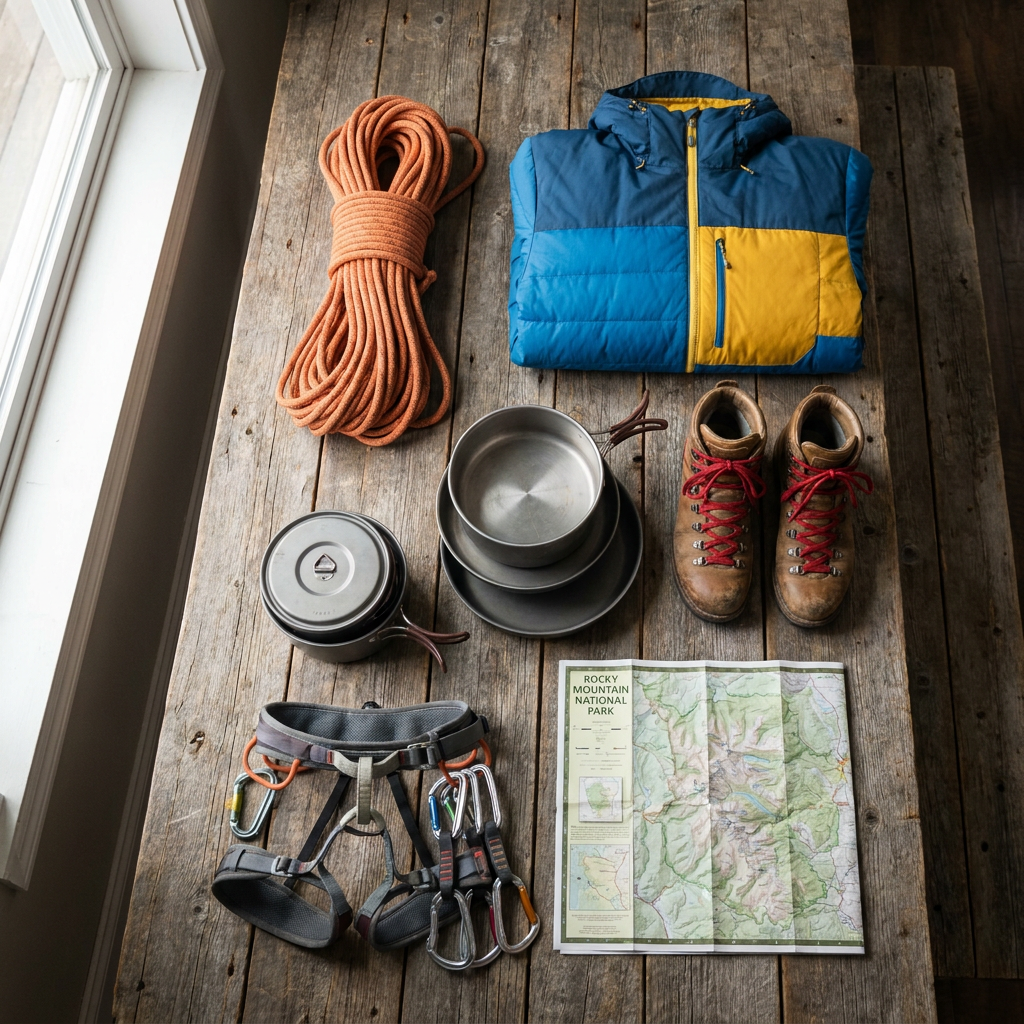
Outdoor enthusiasts accumulate substantial gear collections. A complete four-season setup for one person can weigh 150-200 pounds and occupy 30-50 cubic feet. For couples or families, that figure doubles or triples. Here is what fits well in self-storage units near Estes Park.
Winter Equipment
Skis (alpine, backcountry, cross-country), snowboards, splitboards, boots, poles, and bindings require 15-25 cubic feet per person. Avalanche safety gear including beacons, probes, shovels, and airbag packs adds another 3-5 cubic feet. Snowshoes, crampons, ice axes, and mountaineering boots for Longs Peak winter ascents need dedicated space away from moisture.
Summer and Shoulder Season Gear
Camping equipment for Rocky Mountain National Park backcountry trips includes tents (2-6 person models), sleeping bags, pads, cooking systems, and food storage. According to the 2026 Rocky Mountain National Park Superintendent's Compendium, all food and garbage in wilderness camping areas must be stored in approved bear-resistant canisters from May 1 through October 31. These hard-sided canisters occupy 400-700 cubic inches each and should be stored empty and open during the off-season to prevent odor buildup.
Climbing gear for the park's technical routes includes ropes (60-70 meters), harnesses, protection (cams, nuts, hexes), carabiners, quickdraws, helmets, and approach shoes. A full trad rack weighs 15-25 pounds and requires careful organization to prevent tangling.
Water Sports Equipment
Lake Estes and nearby reservoirs support kayaking, stand-up paddleboarding, and fishing. Kayaks measure 8-14 feet long, SUPs run 10-12 feet, and fishing float tubes need 4-6 feet of floor space. Storage Star in Loveland specifically markets boat storage to Estes Park visitors, confirming strong regional demand for watercraft storage during off-seasons.
Choosing the Right Storage Unit Size for Your Gear
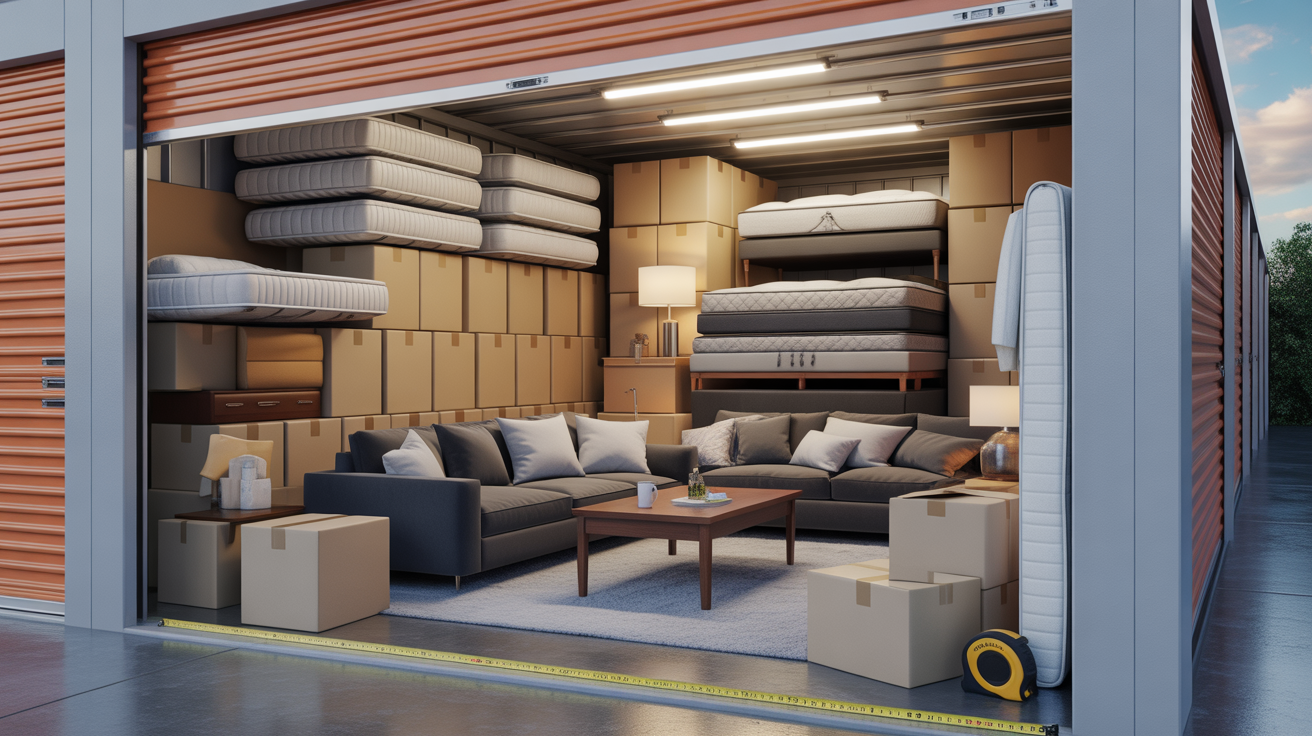
Unit selection depends on gear volume, access frequency, and whether you need vehicle parking. The following table compares common unit sizes with typical mountain-gear applications.
| Unit Size | Square Feet | Best For | Monthly Cost |
|---|---|---|---|
| 5x10 | 50 sq ft | Individual seasonal worker or couple; skis, camping gear, bikes, seasonal clothing | $119 |
| 10x10 | 100 sq ft | Family gear collection; kayaks, multiple bikes, furniture, patio items | $249 |
| 10x20 | 200 sq ft | Vehicle storage plus gear; small boats, motorcycles, full household items | $375 |
| 10x25 | 250 sq ft | Large vehicles, commercial inventory, complete second-home furnishings | $445 |
| 10x20 Open Parking | 200 sq ft | Cars, trucks, boats, motorcycles, trailers | $135 |
| 15x70 Open Parking | 1,050 sq ft | Large RVs, trailers up to 70 feet, overland rigs | $315 |
For detailed guidance on matching your belongings to the right unit dimensions, consult our storage unit size guide which includes visual comparisons and capacity estimates.
How to Store Mountain Gear Safely in a Drive-Up Unit
Proper preparation prevents mold, rodent damage, and equipment degradation. Estes Park sits at 7,522 feet elevation with humidity averaging 40-60% and temperatures ranging from -10°F in winter to 85°F in summer. These conditions affect stored gear differently than sea-level storage.
Clean and Dry Everything Before Storage
Moisture is the primary enemy of stored outdoor equipment. Tent fabrics develop mildew within 48-72 hours if packed wet. Sleeping bags lose loft when compressed while damp. Ski boots grow mold inside liners that sat sweaty after the last run. Before storing any item, allow 24-48 hours of air drying in a well-ventilated space.
Wipe down metal components (crampons, ice axes, bike chains) with light oil to prevent rust. Remove batteries from headlamps, avalanche beacons, and GPS devices to prevent corrosion and leakage. Store lithium batteries at 40-60% charge in a cool location.
Use Sealed Containers Strategically
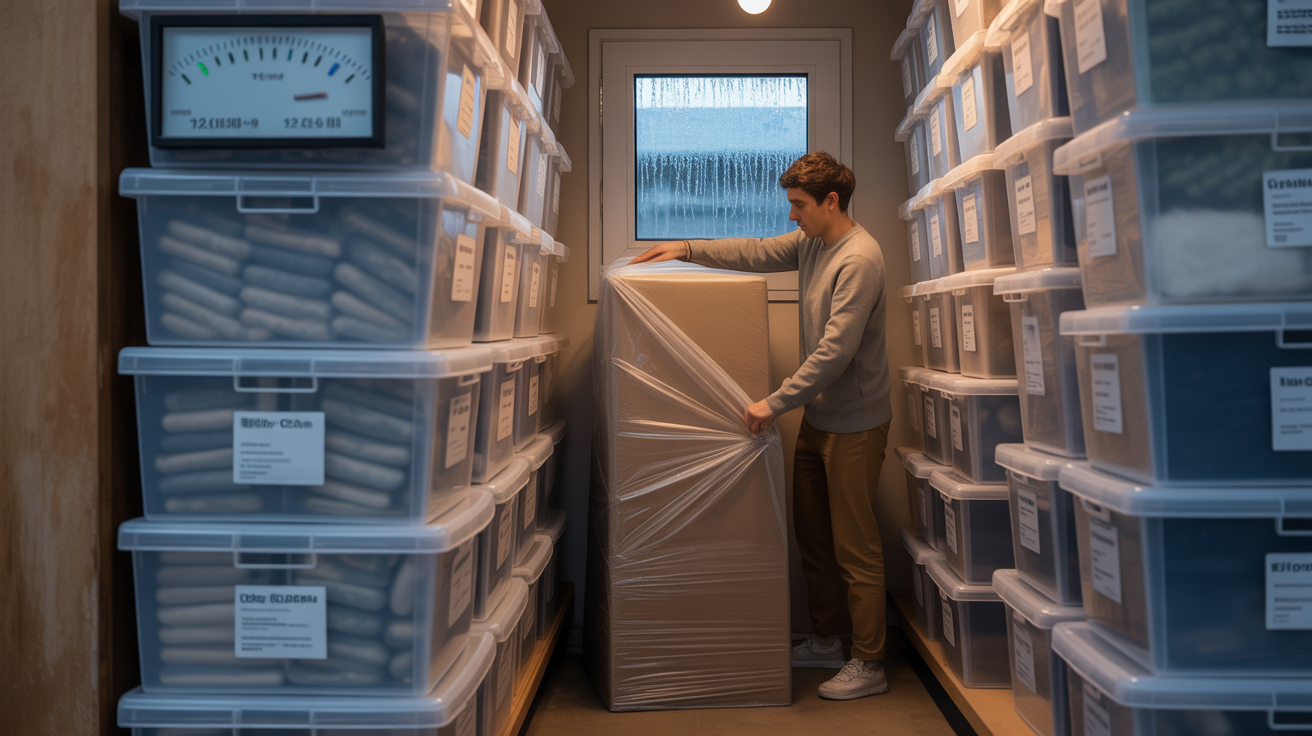
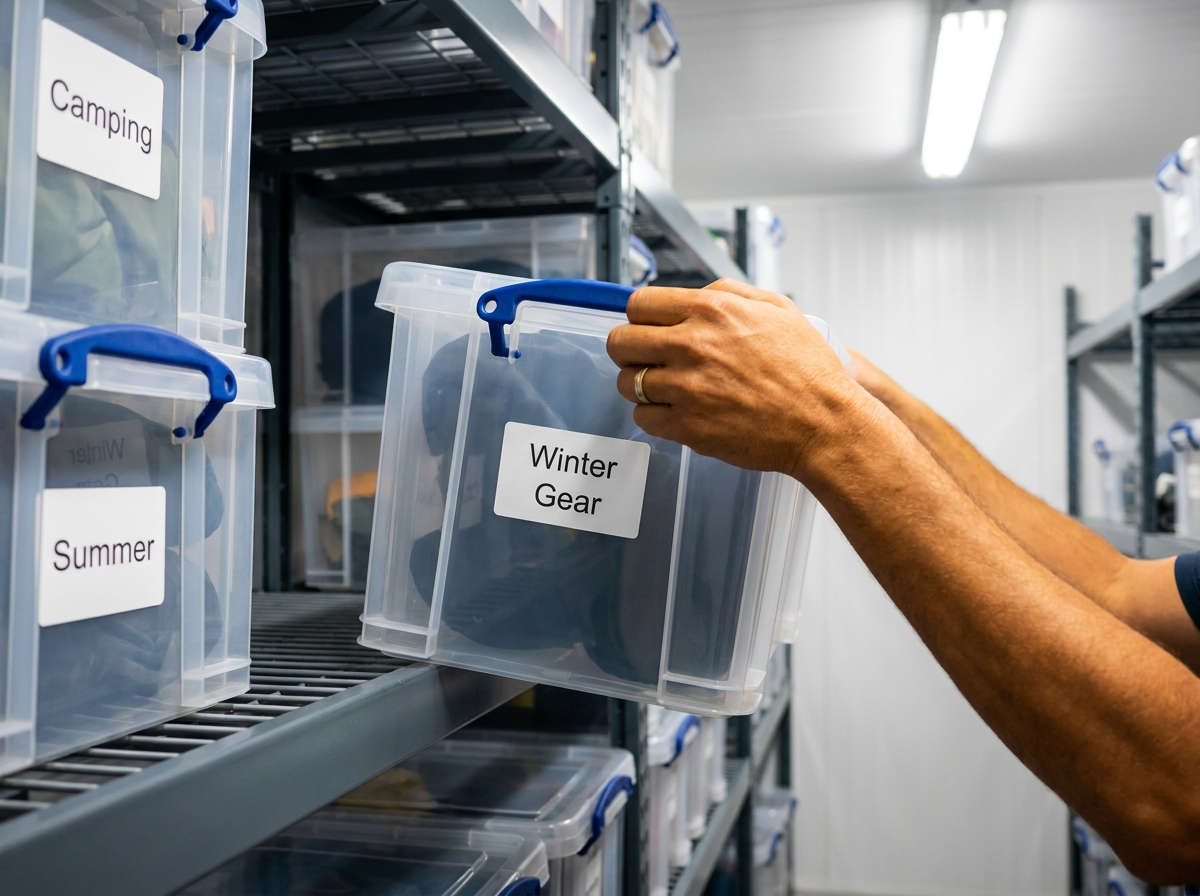
Place textiles, clothing, and soft goods in clear plastic bins with tight-fitting lids. Add silica gel packets (1-2 packets per cubic foot) to absorb ambient moisture. Label bins clearly so you can locate specific items without unpacking everything during a quick pre-dawn visit.
Bear canisters should be stored open and completely empty. Never leave food, wrappers, or scented items (sunscreen, lip balm, insect repellent) inside canisters or anywhere in your storage unit. These attract rodents and create persistent odors that can transfer to other gear.
Organize for Quick Access
Arrange your unit with seasonal logic. Place winter gear toward the back in spring, summer gear toward the front. Reverse this arrangement in fall. Use freestanding shelving units (if your facility permits) to maximize vertical space and keep items off the floor where moisture can accumulate.
Hang skis, snowboards, and bikes vertically using wall-mounted hooks or freestanding racks. This prevents warping, protects edges, and frees floor space for bins and bags. Position frequently accessed items (day packs, hiking boots, rain gear) near the unit door.
Vehicle, RV, and Boat Storage for Lake Estes Recreation
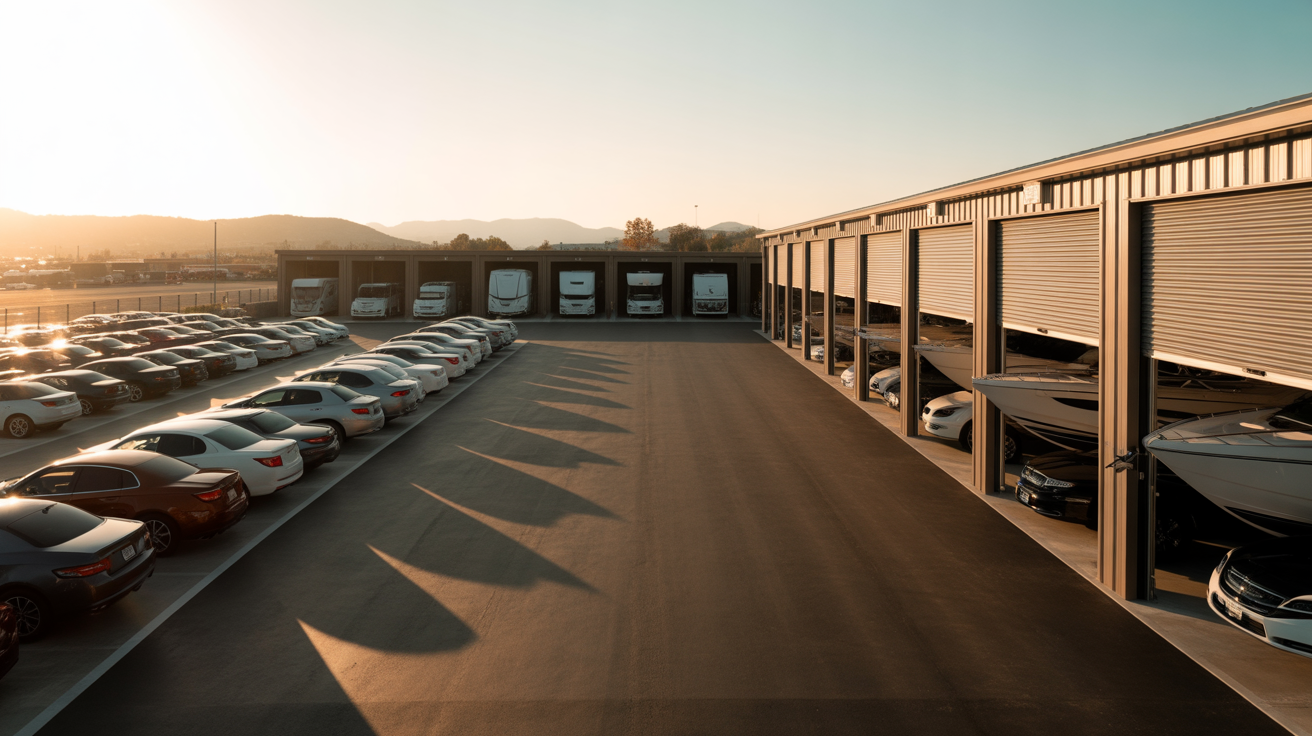
Many seasonal visitors bring recreational vehicles, boats, or trailers that cannot remain parked at their cabin or condo. Open parking spaces provide cost-effective outdoor storage on paved surfaces with full facility access.
A 10x20 open parking space at $135/month accommodates most cars, trucks, motorcycles, and boats under 18 feet. The 15x70 parking option at $315/month handles large RVs, travel trailers, and overland expedition vehicles up to 70 feet long. This larger space includes a dedicated back-gate entrance for easier maneuvering.
Preparing Vehicles for Seasonal Storage
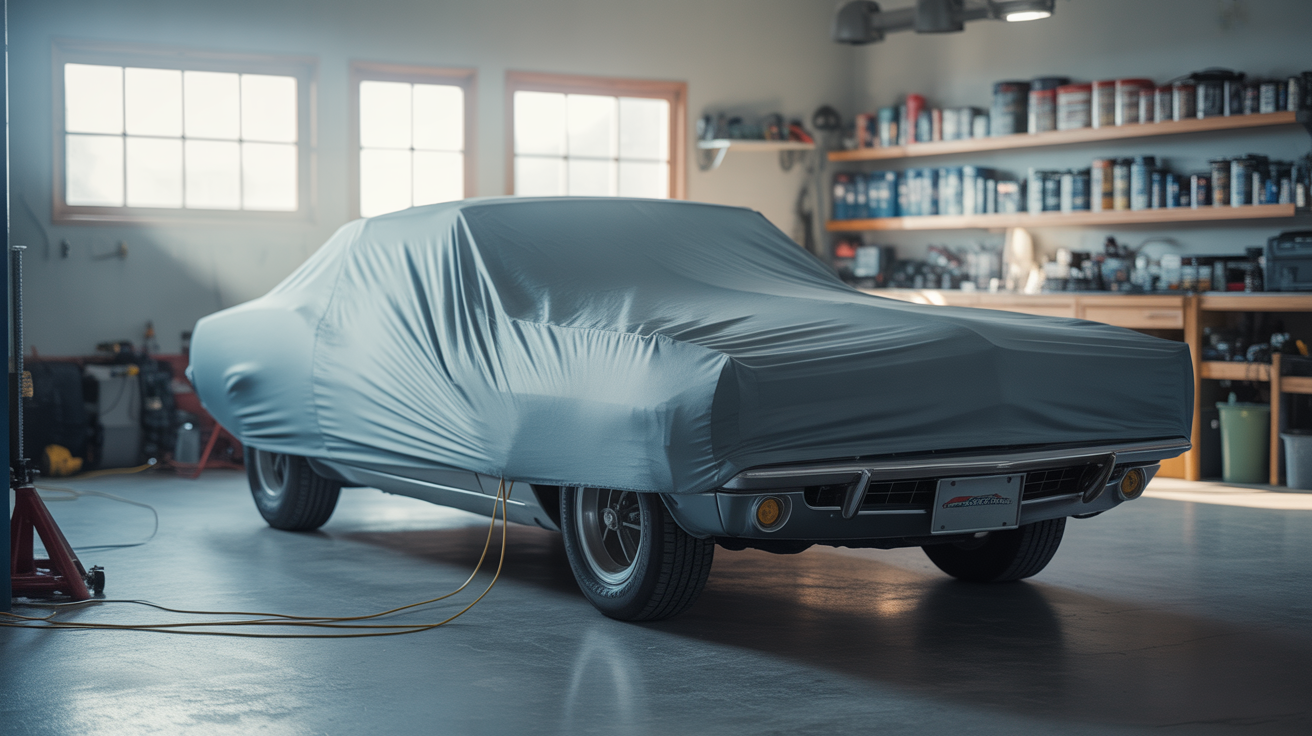
Before storing any vehicle for 30+ days, complete these steps: fill the fuel tank and add stabilizer (prevents condensation and fuel degradation), disconnect the battery or use a trickle charger, inflate tires to maximum recommended pressure (prevents flat spots), and place rodent deterrents around wheel wells and engine compartments.
For boats, drain all water from engines, livewells, and bilges. Remove electronics and valuables. Cover the vessel with a breathable tarp that allows air circulation while blocking UV exposure. Check your storage facility's policies on fuel storage; most facilities prohibit gasoline, propane, and other flammable materials in storage units.
Storage Solutions for Seasonal Workers in Estes Park
Estes Park employs hundreds of seasonal workers each year at lodges, restaurants, and recreational facilities. YMCA of the Rockies alone hires seasonal staff who typically stay one or two seasons and often return year after year. These workers face unique storage challenges.
Employee housing in mountain towns typically provides 100-200 square feet of personal space with shared common areas. There is rarely room for ski collections, multiple bikes, or off-season clothing. A 5x10 unit split between two or three roommates costs $40-60 per person monthly, providing secure space for gear that would otherwise clutter shared living quarters.
Month-to-month leases without deposits accommodate the unpredictable nature of seasonal employment. If your contract ends early or extends unexpectedly, you can adjust your storage arrangement without penalty. Online rental and payment systems allow you to manage your unit remotely if you leave town between seasons.
What You Cannot Store in a Self-Storage Unit
Standard self-storage agreements prohibit certain items for safety and legal reasons. Understanding these restrictions prevents lease violations and potential damage to your belongings or neighboring units.
Prohibited items typically include:
- Gasoline, propane, and other flammable fuels
- Fireworks, ammunition, and explosives
- Perishable food (attracts pests, creates odors)
- Hazardous chemicals and solvents
- Living plants or animals
- Stolen property or illegal substances
Bear spray (oleoresin capsicum) presents a gray area. While not technically flammable, pressurized canisters can leak or discharge in extreme temperatures. Store bear spray in climate-controlled spaces when possible, and always keep canisters in sealed bags to contain any accidental discharge.
For complete details on coverage options and prohibited items, review the tenant protection plan which outlines what SafeLease coverage includes and excludes.
Why Choose Local Storage Over Front Range Facilities
Loveland, Longmont, and Fort Collins offer self-storage options 30-45 miles from Estes Park. While these facilities may appear convenient for Denver-area residents, local storage provides distinct advantages for anyone spending significant time in the Estes Valley.
| Factor | Estes Park Storage | Front Range Storage |
|---|---|---|
| Distance from RMNP trailheads | 5-15 minutes | 45-75 minutes |
| Early morning access flexibility | Grab gear at 3 a.m., reach Longs Peak trailhead by 3:30 a.m. | Must retrieve gear the night before or add 90+ minutes to departure |
| Weather response time | Swap gear same-day if conditions change | Requires planning or doing without |
| Community support | Locally owned, reinvests in Estes Park economy | Corporate ownership, profits leave region |
| Gear acclimation | Stays at mountain elevation and humidity | Experiences temperature and humidity swings during transport |
The convenience factor becomes especially apparent during shoulder seasons when weather shifts rapidly. A sunny forecast can turn to snow within hours in the Rockies. Having your winter gear 10 minutes away rather than an hour down the canyon means you can adapt to conditions rather than cancel plans.
Features That Matter for Mountain Gear Storage
Not all storage facilities offer the same amenities. When evaluating options near Rocky Mountain National Park, prioritize these features based on how you use your gear.
24/7 Access
Alpine starts for Longs Peak typically begin at 2-4 a.m. to summit before afternoon thunderstorms. Facilities with restricted hours (8 a.m. to 6 p.m., for example) force you to retrieve gear the night before, adding complexity to trip planning. True 24/7 access with individual gate codes lets you grab your pack at any hour.
Drive-Up Units
Hauling 50+ pounds of climbing gear, a kayak, or multiple pairs of skis through hallways and up elevators is impractical. Drive-up units allow you to back your vehicle directly to the unit door, load or unload in minutes, and depart without navigating interior corridors. This feature alone can save 15-30 minutes per visit.
Security Infrastructure
Mountain gear represents significant investment. A complete backcountry ski setup costs $1,500-3,000. A quality mountain bike runs $2,000-8,000. Climbing racks accumulate $500-2,000 in protection alone. Look for facilities with perimeter fencing, controlled gate access, LED lighting, and security cameras covering unit areas.
Consider adding a storage protection plan for additional peace of mind. SafeLease coverage protects against burglary, fire, water damage, and other covered events.
Frequently Asked Questions
What size storage unit do I need for skis, snowboards, and camping gear in Estes Park?
A 5x10 unit (50 square feet) accommodates 2-4 pairs of skis, 1-2 snowboards, boots, poles, a 2-person tent, sleeping bags, pads, cooking gear, and several bins of clothing and accessories. Families or individuals with extensive collections should consider a 10x10 unit for easier organization and access.
Is it safe to store climbing and mountaineering gear in a self-storage unit near Rocky Mountain National Park?
Yes, with proper preparation. Dry all soft goods completely before storage. Store ropes loosely coiled in breathable bags away from chemicals and UV light. Keep metal hardware (carabiners, protection, ice tools) lightly oiled to prevent rust. Helmets should be stored away from extreme temperatures that can degrade foam and shell materials.
Can I store my RV, camper, or boat in Estes Park during the off-season?
Yes. Open parking spaces range from 10x20 ($135/month) for cars, trucks, and boats to 15x70 ($315/month) for large RVs and trailers. All parking is on paved surfaces with full facility access. Prepare vehicles properly for storage: add fuel stabilizer, disconnect batteries, and use breathable covers.
How should I prepare my mountain bike and outdoor gear for long-term storage?
Clean your bike thoroughly, removing mud and debris. Lubricate the chain and pivot points. Deflate tires slightly to prevent flat spots. Store the bike vertically if possible using a floor stand or wall hook. For other gear, ensure everything is completely dry, remove batteries from electronics, and use sealed bins with silica gel packets for moisture control.
What items am I not allowed to store in a self-storage unit?
Prohibited items include gasoline, propane, flammable liquids, explosives, ammunition, perishable food, hazardous chemicals, and living things. Bear spray should be stored in sealed bags due to potential for accidental discharge. Check your specific facility's policies for complete restrictions.
Do seasonal workers in Estes Park use self-storage, and can they share a unit?
Yes, seasonal workers frequently use self-storage due to limited space in employee housing. Sharing a unit with roommates is common and cost-effective. A 5x10 unit split three ways costs approximately $40 per person monthly. Ensure all parties are listed on the rental agreement and have access codes.
Is drive-up storage or indoor storage better for mountain gear in a high-altitude climate?
Drive-up storage offers superior convenience for loading and unloading heavy, bulky gear. While indoor climate-controlled units provide more stable temperatures, properly prepared outdoor gear handles the 30-85°F temperature range in drive-up units without issues. The time savings from drive-up access typically outweighs minor climate benefits for most outdoor equipment.
Storing Your Gear Where You Play
Seasonal residents and mountain enthusiasts face a practical challenge: how to keep expensive, bulky gear accessible without cluttering limited living space or hauling equipment hundreds of miles between visits. Local self-storage in Estes Park solves this problem efficiently.
The right facility offers 24/7 drive-up access for early alpine starts, security features protecting valuable equipment, and flexible month-to-month terms matching unpredictable seasonal schedules. Unit sizes from 5x10 to 10x25 accommodate everything from a single person's ski collection to a family's complete four-season gear inventory plus vehicles.
For questions about specific unit availability or to discuss your storage needs, contact our team by phone at (970) 586-6811 or email. Bilingual support is available in English and Spanish, and our property management team responds seven days a week.
|