Storage Unit Size Calculator: Match Your Needs Exactly |
| STORAGE UNIT SIZE CALCULATOR: MATCH YOUR NEEDS TO AVOID OVERPAYING
⏱ 11 min read ·
📄 #2,121 words
Use our storage unit size calculator to find the perfect fit. Learn which unit size matches your items and avoid paying for space you won't use.
|

A 5x10 storage unit holds one bedroom of furniture plus 20 to 30 boxes, costs $80 to $150 per month, and works for most apartment dwellers. A 10x10 unit fits two bedrooms of furniture, while a 10x20 stores a three to four bedroom house. Choosing the wrong size wastes $40 to $200 monthly on unused space.
| Key Points: | |
|---|---|
| • | 5x5 units (25 sq ft) hold closet contents and cost $40 to $70 per month |
| • | 5x10 units (50 sq ft) fit one bedroom apartment items at $80 to $150 monthly |
| • | 10x10 units (100 sq ft) store two bedroom apartments for $100 to $200 per month |
| • | 10x20 units (200 sq ft) accommodate three to four bedroom homes at $200 to $350 monthly |
| • | Oversizing by one tier wastes $40 to $100 per month in unnecessary rent |
How Storage Unit Size Calculators Work
Storage calculators estimate your space needs by converting household items into cubic feet. You input furniture counts, box quantities, and specialty items. The calculator totals the volume and recommends a unit size that fits everything with room to access your belongings.
Most calculators use standardized item dimensions. A queen mattress set takes approximately 60 cubic feet. A standard sofa requires 40 to 50 cubic feet. A large dresser occupies 30 cubic feet. These measurements assume items are stored efficiently, not stacked haphazardly.
The output typically suggests two options: the minimum size that fits your items and the next size up for easier access. The minimum saves money but requires careful stacking. The larger option costs more but allows walkways between items.
Storage Unit Size Comparison Chart
| Unit Size | Square Feet | What It Holds | Monthly Cost |
|---|---|---|---|
| 5x5 | 25 sq ft | Walk-in closet contents, 18 to 25 boxes, small furniture | $40 to $70 |
| 5x10 | 50 sq ft | One bedroom apartment, mattress set, 50 to 75 boxes | $80 to $150 |
| 10x10 | 100 sq ft | Two bedroom apartment, appliances, 100 to 150 boxes | $100 to $200 |
| 10x15 | 150 sq ft | Three bedroom house without garage, 200 to 300 boxes | $150 to $275 |
| 10x20 | 200 sq ft | Three to four bedroom house with garage, vehicles | $200 to $350 |
| 10x30 | 300 sq ft | Large house, business inventory, multiple vehicles | $300 to $500 |
Step-by-Step Process to Calculate Your Storage Needs
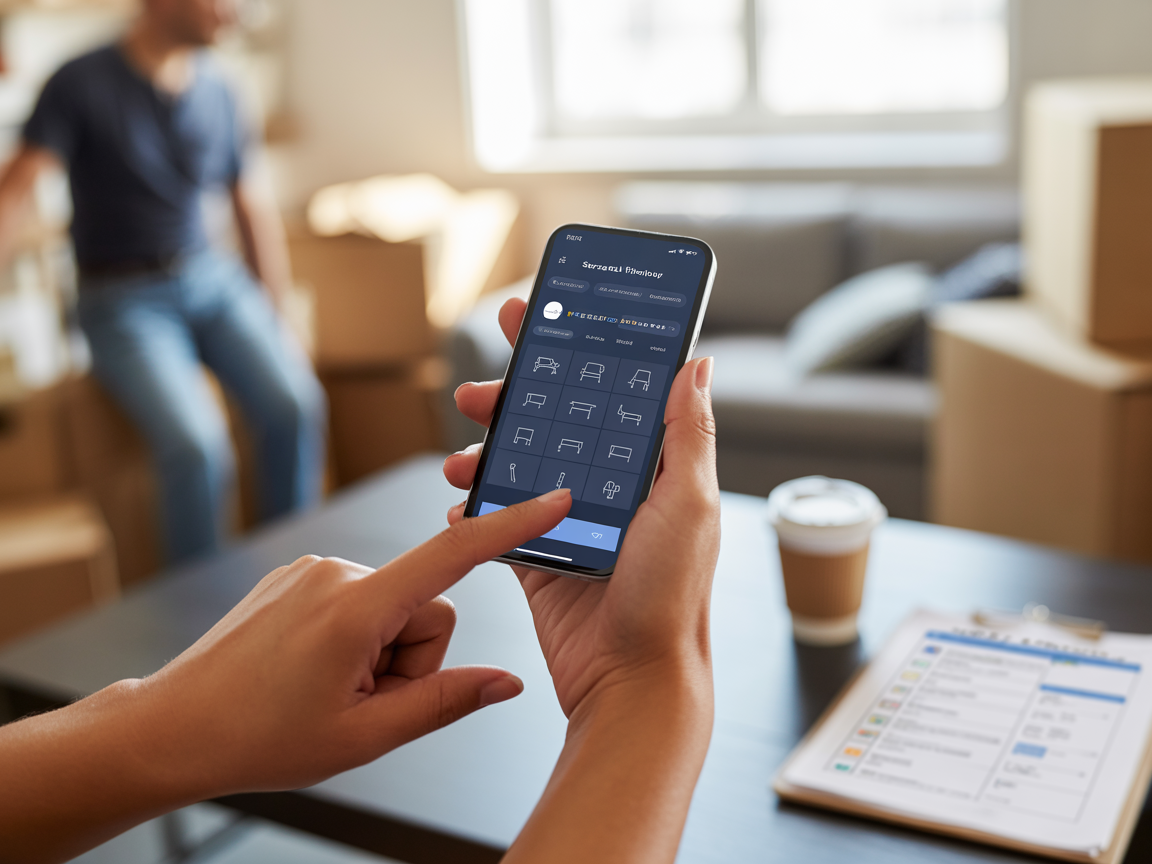
Before using any calculator, create a complete inventory of items you plan to store. Walk through each room and list furniture pieces, appliance counts, and estimate box quantities. This inventory prevents underestimating your needs and making multiple trips to upgrade later.
Step 1: List Large Furniture Items
Count beds, sofas, dining tables, dressers, desks, and entertainment centers. These items consume the most space and determine your minimum unit size. A queen bed with frame requires roughly 30 square feet of floor space when disassembled. A sectional sofa needs 35 to 50 square feet depending on configuration.
Step 2: Count Appliances and Electronics
Refrigerators, washers, dryers, and large TVs need floor space and cannot be stacked safely. A standard refrigerator occupies 8 to 10 square feet. Washers and dryers each require 6 to 8 square feet. These items also need buffer space to prevent damage.
Step 3: Estimate Box Quantities
The average one bedroom apartment generates 30 to 50 boxes. A two bedroom home produces 60 to 100 boxes. Three bedroom houses typically fill 100 to 150 boxes. Use uniform box sizes when possible, as mixed sizes waste vertical space and create unstable stacks.
Step 4: Add 10 to 15 Percent Buffer Space
Calculator results assume perfect packing efficiency. Real-world storage includes odd-shaped items, access aisles, and items you add later. Adding 10 to 15 percent to your calculated needs prevents the frustration of a unit that technically fits but practically does not work.
Common Sizing Mistakes That Cost Money
The most expensive mistake is renting too large based on vague estimates. Renters who guess instead of measuring typically overpay by one to two size categories. At $50 to $100 per month in wasted rent, this adds $600 to $1,200 annually in unnecessary costs.
Mistake 1: Not Disassembling Furniture
A bed frame assembled takes 30 square feet. Disassembled, it fits in 8 square feet. Tables, desks, and shelving units follow similar ratios. Spending 30 minutes with basic tools can drop your space needs by 20 to 30 percent, saving $30 to $60 monthly.
Mistake 2: Ignoring Vertical Space
Standard storage units have 8 to 10 foot ceilings. Most renters stack items only 4 to 5 feet high, wasting half their cubic footage. Proper shelving systems and strategic stacking can effectively double your usable space. A 5x10 unit used efficiently holds what a poorly packed 10x10 contains.
Mistake 3: Storing Items You Should Sell or Donate
Calculate the storage cost against item value. Storing a $200 couch for 12 months at $100 per month costs more than the item is worth. Audit your inventory before calculating size needs. Eliminating low-value items can drop you one or two unit sizes.
What Size Storage Unit Do I Need for a 2 Bedroom Apartment?
A two bedroom apartment typically requires a 10x10 storage unit (100 square feet). This size accommodates a queen or king bed, a sofa, dining set for four, two dressers, multiple end tables, and 60 to 100 medium boxes. The total cost ranges from $100 to $200 monthly depending on location and features.
If you own minimal furniture or plan to sell large items before storing, a 5x10 unit (50 square feet) may suffice. This smaller option costs $80 to $150 per month. However, if you have a home office, extensive collections, or plan to store appliances, consider a 10x15 unit at $150 to $275 monthly.
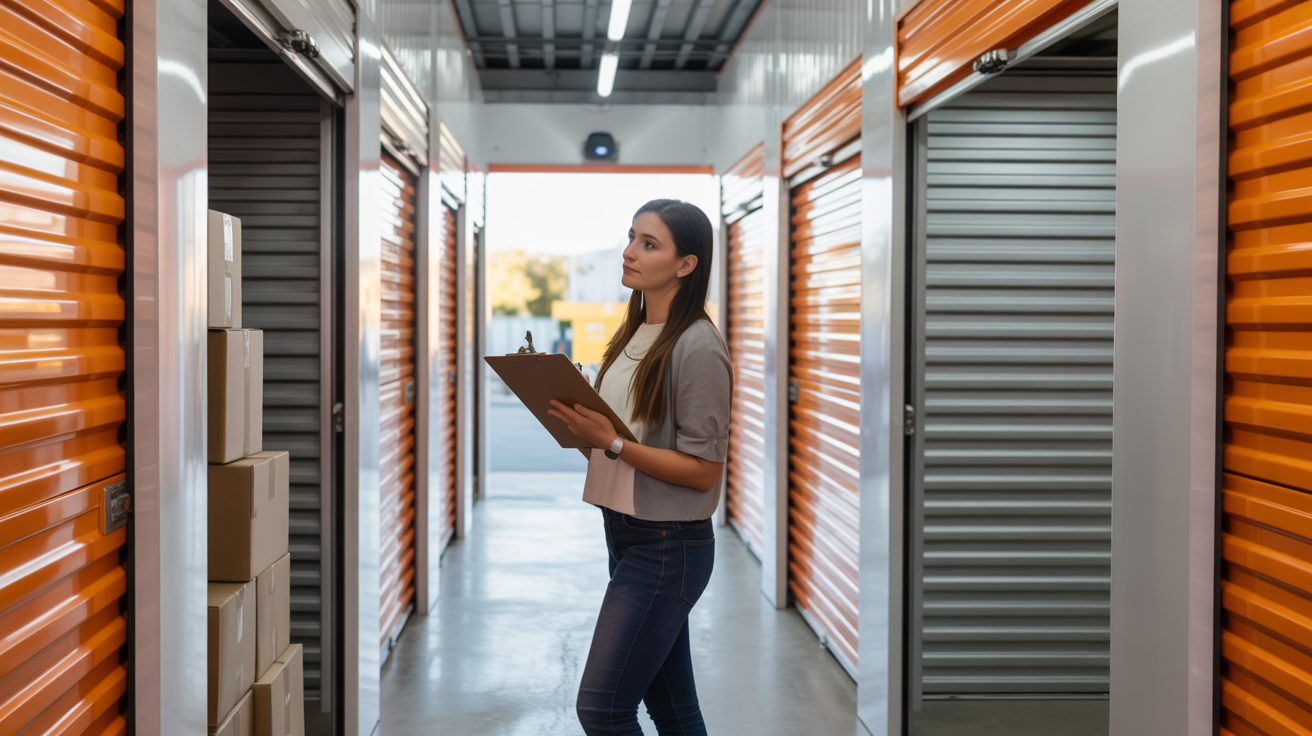
At Estes Park Storage, our 10x10 drive-up units offer the space most two bedroom apartment residents need, with convenient ground-level access for easy loading. Check our storage unit size guide for detailed dimensions and recommendations.
How Much Does a 10x10 Storage Unit Cost on Average?
A 10x10 storage unit costs $100 to $200 per month nationally. Urban areas and coastal regions run $150 to $250 monthly. Rural and suburban locations typically charge $75 to $150. Climate-controlled 10x10 units add 20 to 30 percent, bringing costs to $130 to $260 monthly.
Prices vary significantly by facility features. Drive-up access units command 10 to 15 percent premiums for convenience. Facilities with 24/7 access, security cameras, and gated entry charge more than basic facilities. First-month discounts of 50 percent are common for new renters.
Our 10x10 drive-up storage units at Estes Park Storage are priced at $225 per month. This includes 24/7 access, gated entry, LED lighting, and surveillance cameras.
Do I Need Climate-Controlled Storage for Furniture?
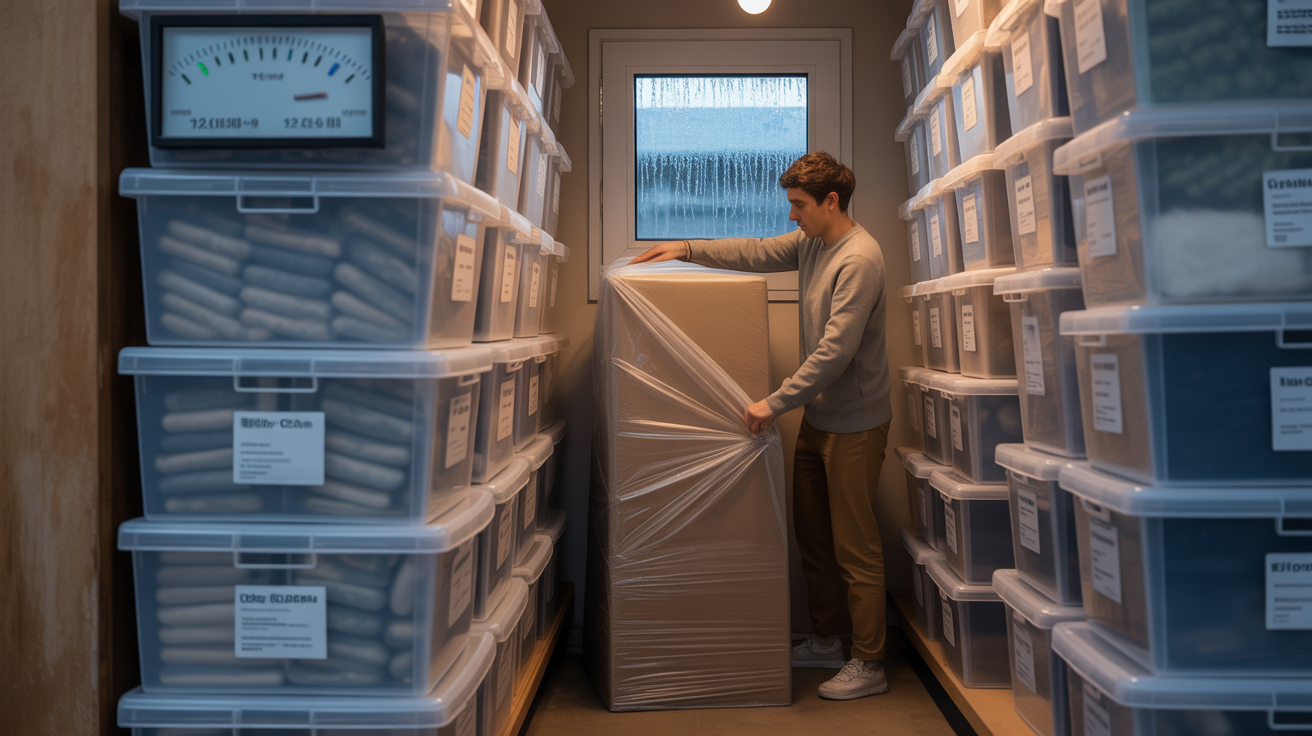
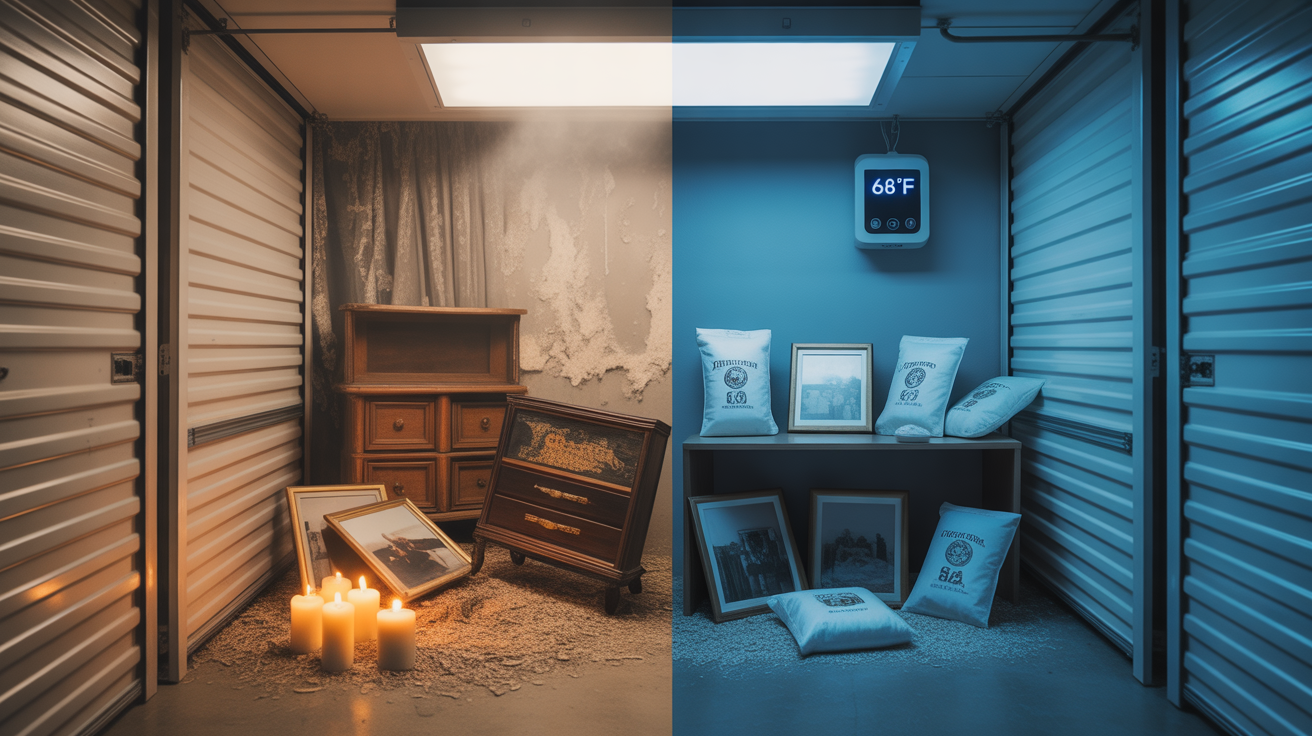
Climate-controlled storage maintains temperatures between 55 and 80 degrees Fahrenheit with humidity levels of 30 to 50 percent. You need climate control for wood furniture, leather items, electronics, documents, photographs, musical instruments, and antiques. Standard units work fine for metal furniture, outdoor equipment, and durable plastics.
Wood furniture expands and contracts with temperature swings, causing joints to loosen and finishes to crack. Leather dries and cracks in low humidity or molds in high humidity. Electronics suffer condensation damage when temperatures fluctuate. If storing these items longer than three months, climate control prevents costly damage.
In Estes Park, winter temperatures drop below freezing while summer days can exceed 85 degrees. This 50-plus degree annual range stresses sensitive items. Consider your storage duration and item sensitivity when deciding between standard and climate-controlled options.
What Items Are Prohibited in Storage Units?
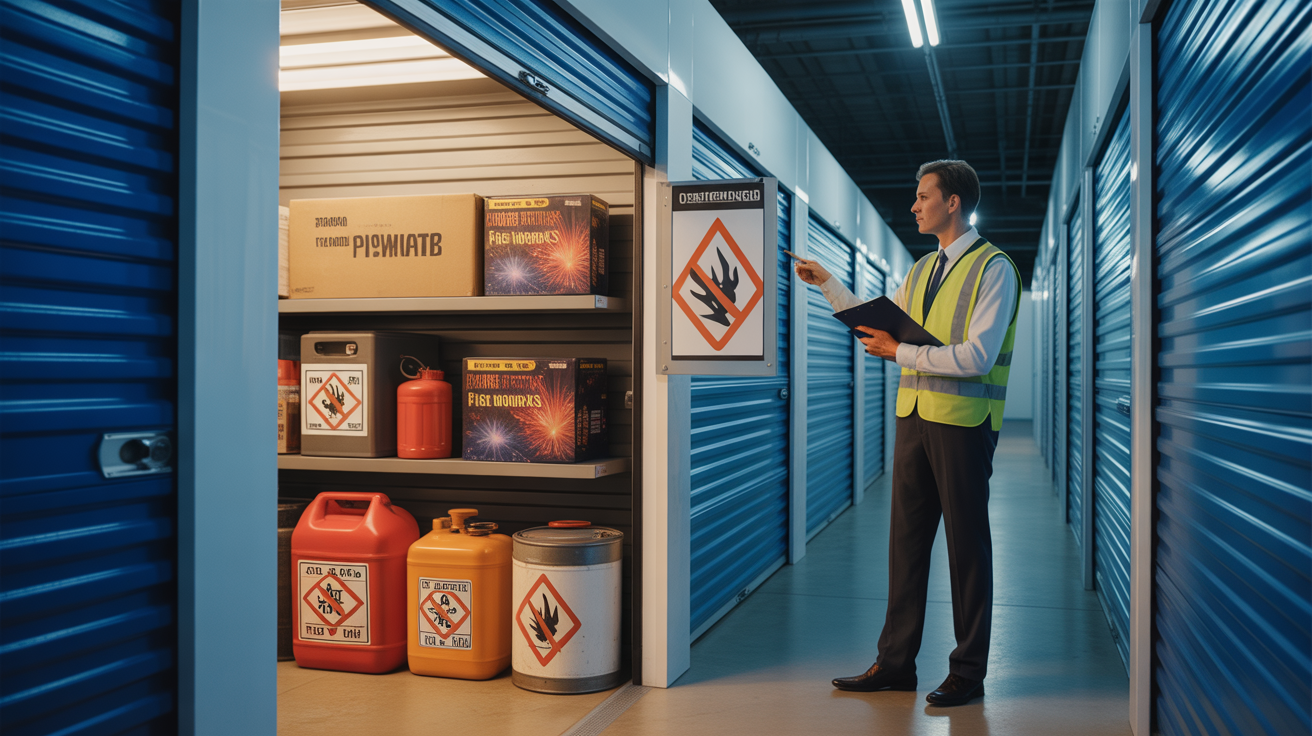
Storage facilities prohibit hazardous materials, perishable food, living things, stolen property, and items requiring special licensing. Specific prohibited items include gasoline, propane tanks, fireworks, ammunition, chemicals, paint, batteries, and compressed gases. Violations can result in immediate lease termination and legal liability.
Food items attract pests that damage your belongings and spread to neighboring units. Even canned goods and sealed containers are typically prohibited. Plants and animals, including pets left temporarily, violate lease terms universally. Weapons and ammunition face restrictions varying by state and facility policy.
Before storing vehicles, boats, or recreational equipment, drain fuel tanks to quarter capacity or less. Remove batteries from stored vehicles to prevent acid leaks. Check with your facility about specific vehicle storage requirements and whether covered or open parking spaces better suit your needs.
How Can I Maximize Space in My Storage Unit?
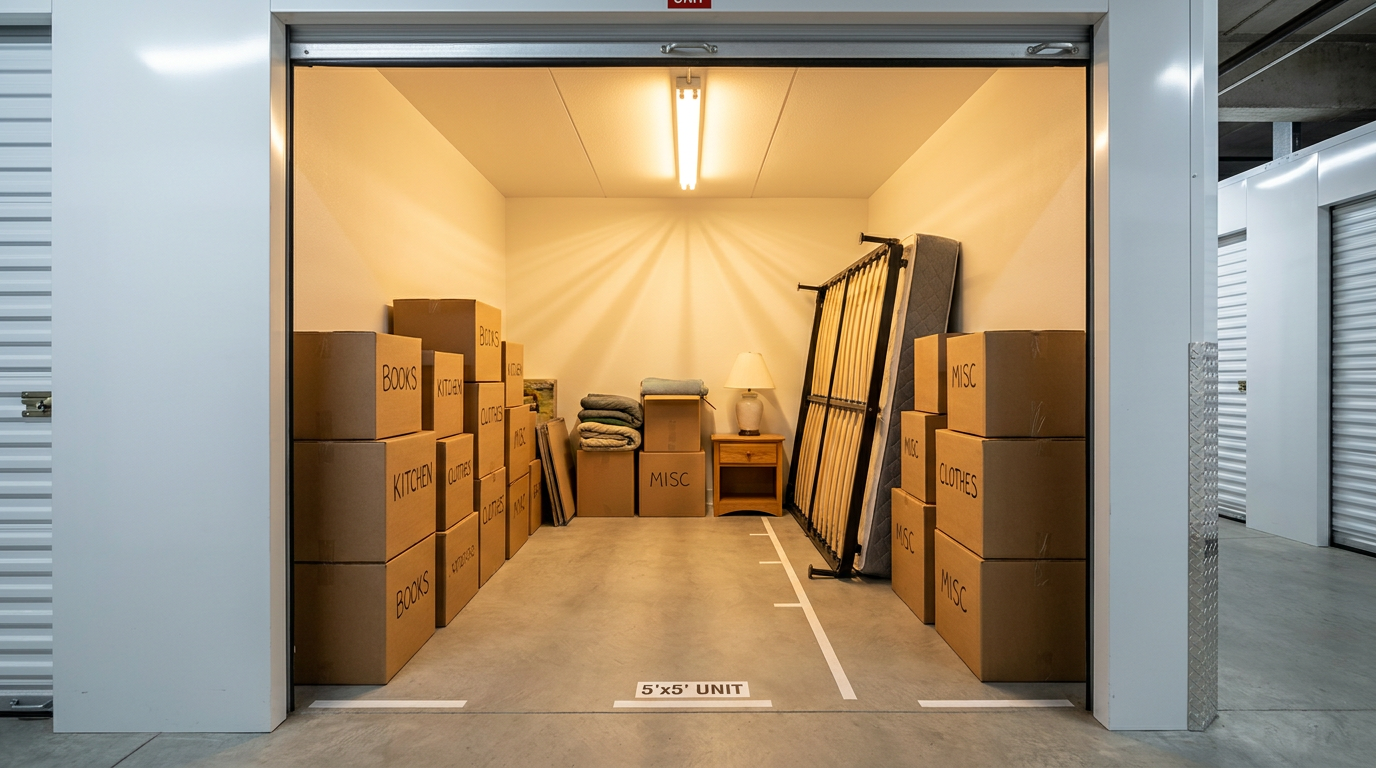
Maximize storage unit space through disassembly, uniform boxes, vertical stacking, and strategic placement. These techniques can reduce your required unit size by 25 to 40 percent, saving $30 to $100 monthly in rent.
Disassemble Everything Possible
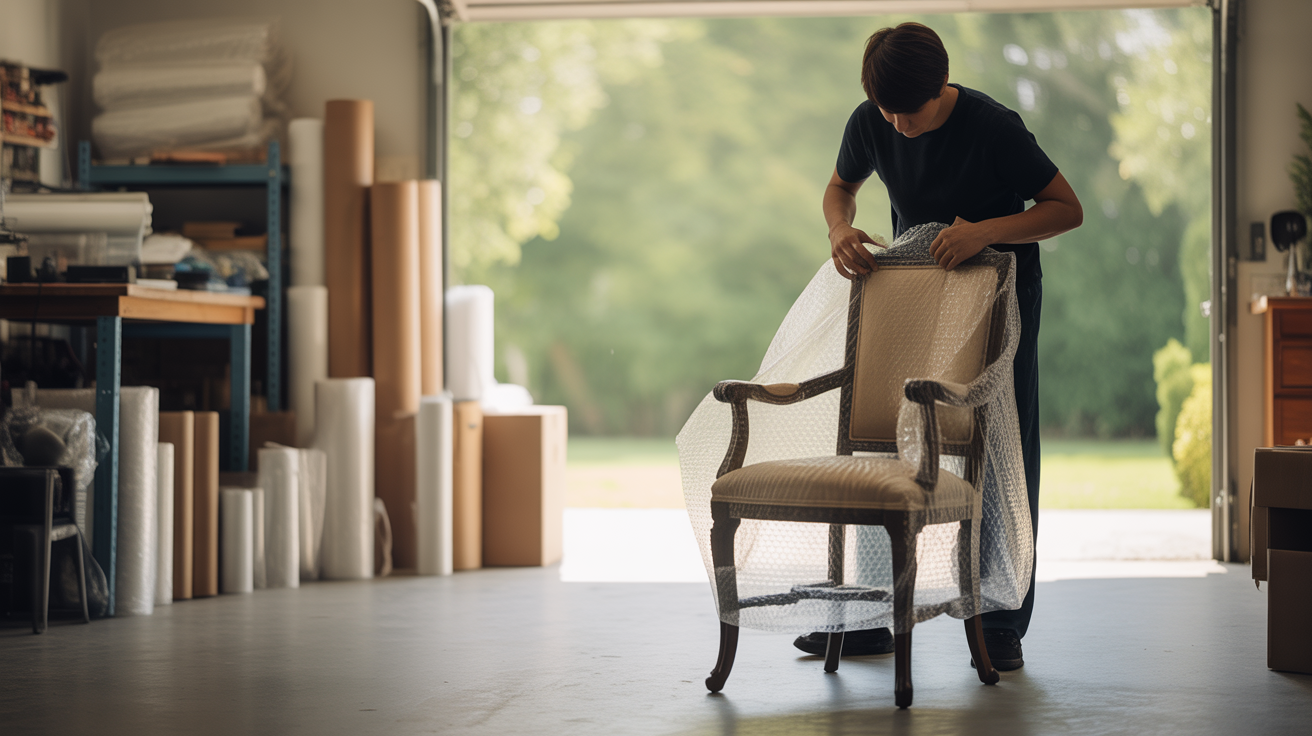
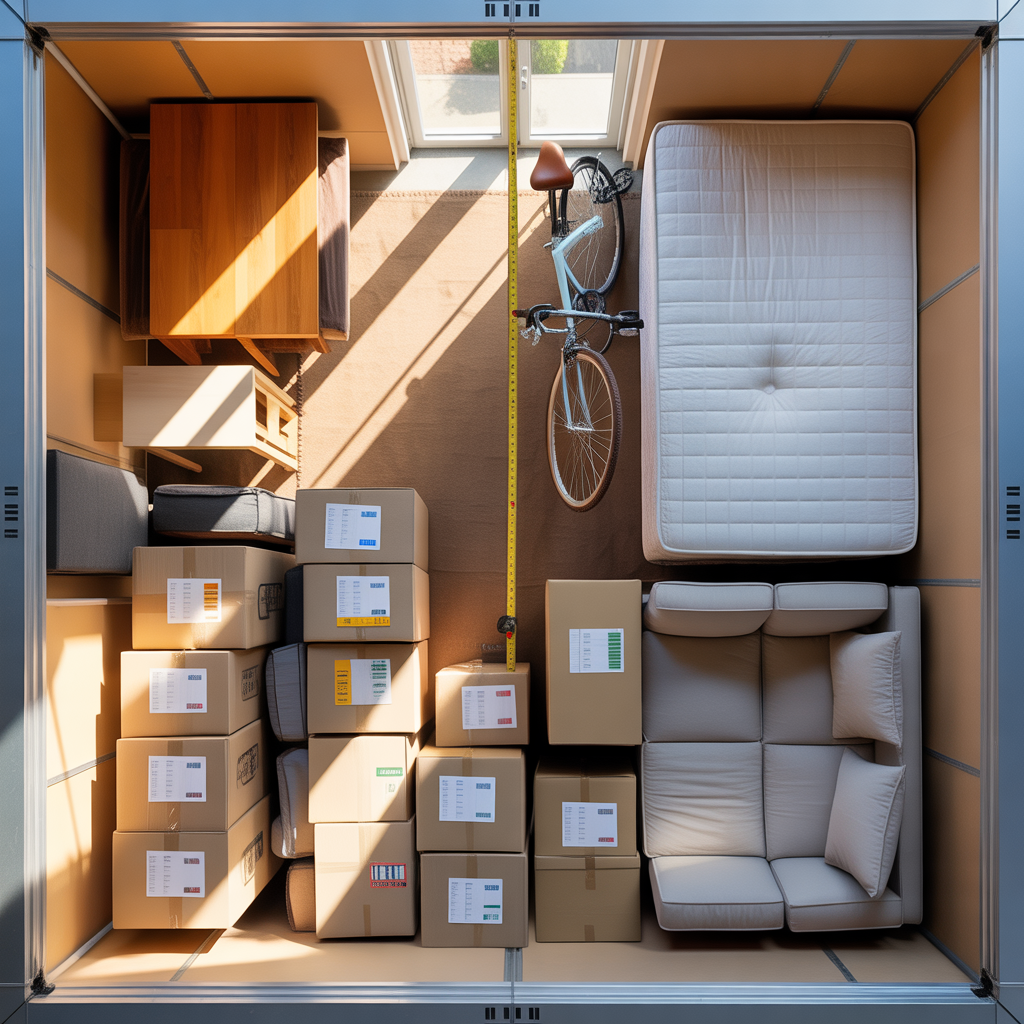
Remove table legs, bed frames, and shelving units. Bag and label all hardware. Disassembled furniture stacks flat against walls, freeing floor space for boxes. A dining table with legs removed stores in one-third the space of an assembled table.
Use Uniform Box Sizes
Standard medium boxes (18 x 18 x 16 inches) stack efficiently without gaps. Mixed box sizes create wasted space and unstable stacks. Invest $30 to $50 in proper moving boxes rather than using random collected boxes that cost nothing but waste space worth $20 to $40 monthly.
Build Vertical Stacks
Place heaviest boxes on bottom, lightest on top. Create stable columns reaching 6 to 7 feet high. Leave 12 inches below ceiling for air circulation. Use furniture pads between stacked items to prevent scratches and add stability.
Create Access Aisles Strategically
If you need regular access, leave a center aisle reaching the back wall. Place frequently accessed items near the front. For long-term storage without access needs, pack tightly from back to front, maximizing every square foot.
Choosing Between Unit Sizes: Decision Framework
When calculator results fall between two sizes, consider access frequency, storage duration, and budget constraints. Each factor tips the decision toward the smaller or larger option.
Choose the Smaller Size When:
- You will access items rarely or never during storage
- Storage duration exceeds 12 months (savings compound significantly)
- You can invest time in optimal packing and disassembly
- Budget constraints make monthly savings critical
Choose the Larger Size When:
- You need weekly or monthly access to stored items
- Storage duration is under six months (convenience outweighs savings)
- You may add items during the storage period
- Physical limitations prevent heavy lifting or climbing
Learn more about our facility features and security measures to understand what amenities matter for your storage needs.
Vehicle Storage Size Requirements
Vehicles require specific unit sizes based on dimensions plus access clearance. A standard sedan fits in a 10x20 unit with room to open doors. Trucks and SUVs need 10x25 or larger. Boats and RVs require 10x30 to 12x40 depending on length.
| Vehicle Type | Minimum Unit Size | Recommended Size |
|---|---|---|
| Motorcycle | 5x10 | 5x10 or open parking |
| Compact Car | 10x15 | 10x20 |
| Sedan or SUV | 10x20 | 10x25 |
| Boat (up to 20 ft) | 10x25 | 10x30 |
| RV or Large Trailer | 10x30 | 12x40 |
For vehicle storage in Estes Park, our 10x20 open parking spaces accommodate cars, trucks, boats, motorcycles, and trailers at $115 per month. Open-air paved spaces provide easy access without the constraints of enclosed units.
Seasonal Storage Considerations for Estes Park
Estes Park residents face unique storage challenges due to tourism seasons, winter weather, and outdoor recreation equipment. Understanding local patterns helps optimize unit size and timing.
Summer visitors storing off-season gear need smaller units (5x5 to 5x10) for ski equipment, winter clothing, and holiday decorations. Year-round residents downsizing for travel or renovation typically require 10x10 to 10x20 units for household contents.
Outdoor recreation equipment, including kayaks, paddleboards, camping gear, and hiking equipment, benefits from drive-up access. Our 5x10 drive-up units at $105 per month accommodate seasonal gear with convenient loading and unloading.
Quick Reference: Storage Unit Size Calculator Summary
Match your situation to the appropriate unit size using this simplified guide:
- Studio apartment or single room: 5x5 ($40 to $70 per month)
- One bedroom apartment: 5x10 ($80 to $150 per month)
- Two bedroom apartment or small house: 10x10 ($100 to $200 per month)
- Three bedroom house: 10x15 ($150 to $275 per month)
- Four bedroom house with garage: 10x20 ($200 to $350 per month)
- Large house or business inventory: 10x30 ($300 to $500 per month)
Remember that efficient packing can drop your needs by one size category, saving $30 to $100 monthly. Invest time in disassembly, uniform boxes, and vertical stacking before committing to a larger unit.
|